Intermittent fasting shows mostly modest benefits; the clearest gains are versus usual eating, not an across-the-board edge over daily calorie restriction. 🧵 1/7
🚨 Listen up. Are you always hungry, battle sugar cravings, and believe your metablism is sluggish?
Lentils and beans are metabolic game-changers. High in protein + fiber, they crush hunger and stabilize blood sugar like few foods can.
One study found lentils scored 133% on the Satiety Index (vs white bread at 100%). So they keep you fuller longer.
Studies show daily lentil can lower LDL cholesterol, improve post-meal glucose response, and reduce inflammation.
Want better energy and metabolic health?
Swap in lentils/beans daily. for starchy foods on your plate. Your body will thank you.
Will you be adding these to their plate this week?
#MetabolicHealth
#GutHealth
#NutritionHacks
A wrinkle cream making skin look younger isn't surprising.
A topical serum making skin appear biologically younger is.
🔗https://t.co/AFLw60ISOa
#antiaging
We don’t usually talk about spices in cognitive research—but cumin-derived molecules just crossed into human brain performance data.
🔗https://t.co/wysS9jyh1j
#cumin#cognitive
Gluten can clearly harm people with celiac disease; in self-reported non-celiac sensitivity, many symptoms appear tied to wheat carbohydrates, expectations, or both. 🧵 1/7
Exercise-based modulation of the gut-brain axis: a new direction for neurorehabilitation in Alzheimer’s disease
Mechanistic model: exercise-induced microbiota remodeling, barrier reinforcement, and neuroprotection in AD. 👇👨⚕️
https://t.co/OxeCTvYhan
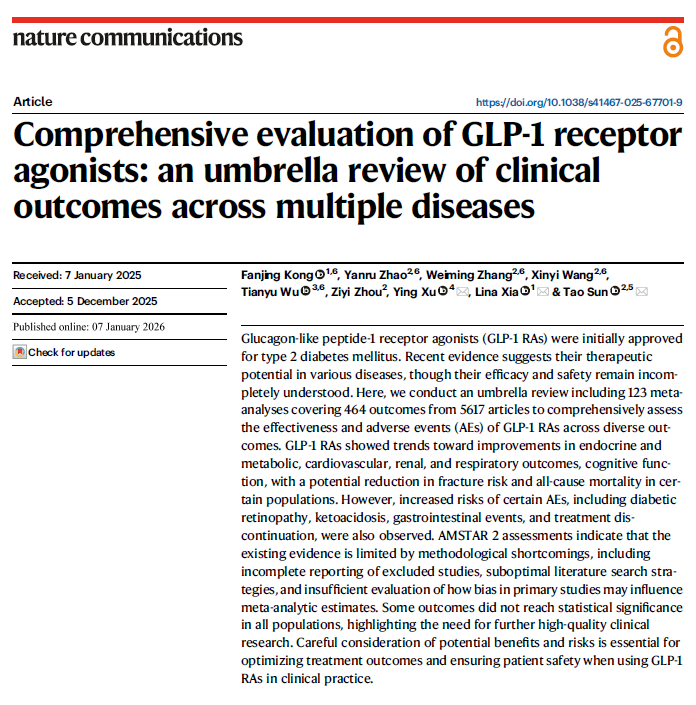
Across recent evidence, GLP-1 receptor agonists look like multi-organ metabolic therapies—not just glucose drugs—with real benefits and real safety and durability trade-offs. 🧵 1/7
A new shot literally regrows knee cartilage.
Researchers at Stanford Medicine have identified a novel strategy to regenerate articular cartilage in knees and potentially prevent or treat osteoarthritis (OA).
The method targets 15-hydroxyprostaglandin dehydrogenase (15-PGDH), an age-related enzyme—or "gerozyme"—that accumulates in aging tissues and drives degeneration.
In aged mice, small-molecule inhibitors of 15-PGDH, delivered systemically or via intra-articular injection, promoted cartilage thickening and regeneration of functional hyaline articular cartilage.
This occurred without recruiting stem or progenitor cells; instead, existing chondrocytes underwent transcriptional reprogramming to a youthful state, with reduced populations of inflammatory and hypertrophic/degradative cells and expanded matrix-producing articular chondrocytes.
The inhibitors also reversed natural age-related cartilage thinning, improved joint function, and—when administered after simulated ACL injuries—strongly mitigated post-traumatic OA progression and associated pain.
Human OA cartilage explants from total knee replacements responded similarly in vitro, showing decreased degradation markers and evidence of new articular cartilage formation.
Given that an oral 15-PGDH inhibitor has already completed Phase 1 safety trials for age-related muscle atrophy, the findings open a path toward disease-modifying, regenerative therapies that could delay or obviate the need for joint replacement surgery.
[Agarwal, P., Su, S., Ancel, S., et al. (2025). Inhibition of 15-hydroxy prostaglandin dehydrogenase promotes cartilage regeneration. Science. DOI: 10.1126/science.adx6649]
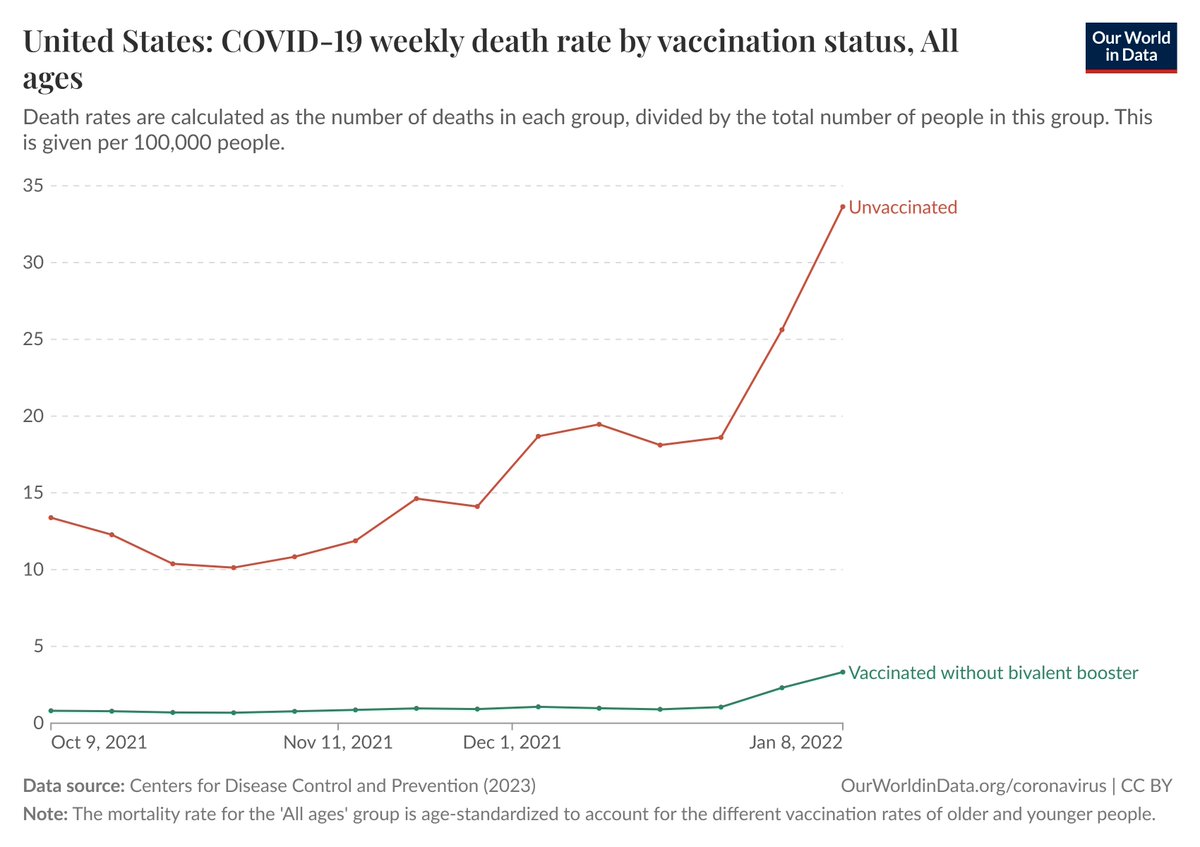
Covid vaccines WORKED
BIG TIME
They save millions of lives
Look at the death rate in vaccinated vs unvaccinated in the US at the height of the pandemic
It's not subtle or complex.They worked
Now enough of "the vaccines didnt work" nonsense !!🤡
Data from @OurWorldInData
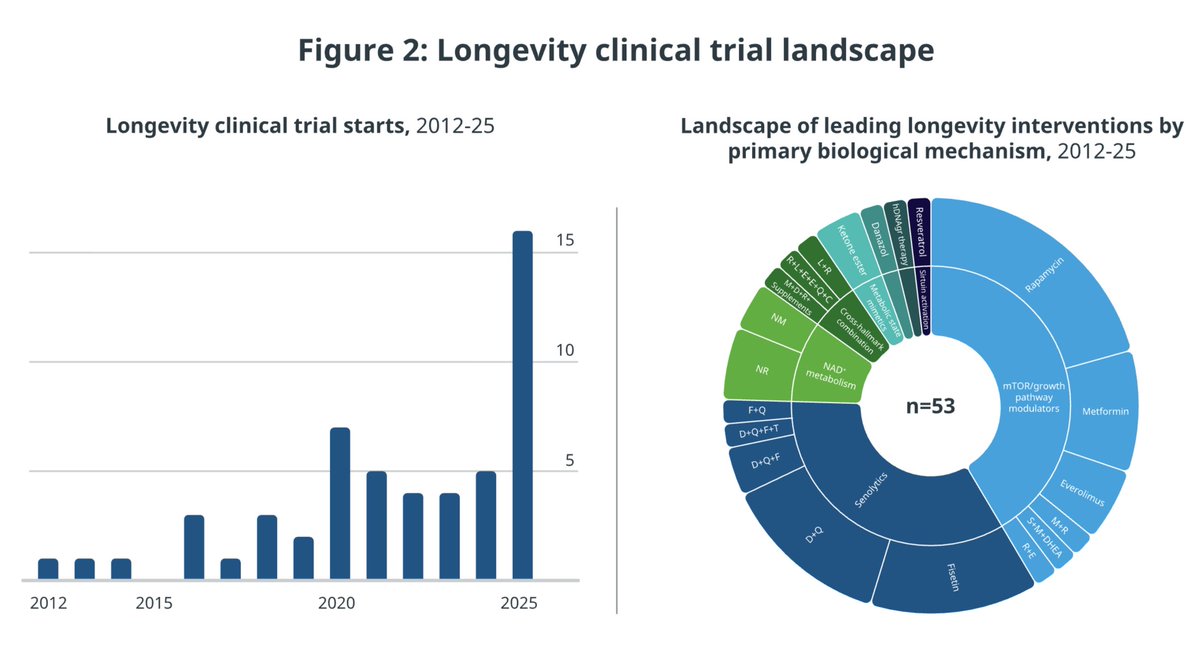
Living longer ≠ living better.
2026 research is clear:
It’s not about adding years to life —
it’s about adding life to years.
Delay disease. Extend function. Redefine aging.
#Longevity#Healthspan#Aging#FutureOfHealth
🔗https://t.co/p9mmCYf5x4












![Rainmaker1973's tweet photo. A new shot literally regrows knee cartilage.
Researchers at Stanford Medicine have identified a novel strategy to regenerate articular cartilage in knees and potentially prevent or treat osteoarthritis (OA).
The method targets 15-hydroxyprostaglandin dehydrogenase (15-PGDH), an age-related enzyme—or "gerozyme"—that accumulates in aging tissues and drives degeneration.
In aged mice, small-molecule inhibitors of 15-PGDH, delivered systemically or via intra-articular injection, promoted cartilage thickening and regeneration of functional hyaline articular cartilage.
This occurred without recruiting stem or progenitor cells; instead, existing chondrocytes underwent transcriptional reprogramming to a youthful state, with reduced populations of inflammatory and hypertrophic/degradative cells and expanded matrix-producing articular chondrocytes.
The inhibitors also reversed natural age-related cartilage thinning, improved joint function, and—when administered after simulated ACL injuries—strongly mitigated post-traumatic OA progression and associated pain.
Human OA cartilage explants from total knee replacements responded similarly in vitro, showing decreased degradation markers and evidence of new articular cartilage formation.
Given that an oral 15-PGDH inhibitor has already completed Phase 1 safety trials for age-related muscle atrophy, the findings open a path toward disease-modifying, regenerative therapies that could delay or obviate the need for joint replacement surgery.
[Agarwal, P., Su, S., Ancel, S., et al. (2025). Inhibition of 15-hydroxy prostaglandin dehydrogenase promotes cartilage regeneration. Science. DOI: 10.1126/science.adx6649]](https://pbs.twimg.com/media/HHpYTrcXQAIebXe.jpg)