What would it mean for your NICU if the next generation of fellows had only 4 to 8 weeks of NICU exposure before starting fellowship?
That is the reality today. And now the ABP is proposing to shorten neonatology fellowship from three years to two. ONTPD leaders Dr. Patrick Myers, Dr. Heather French, and Dr. Melissa Scala ran the numbers and found that meeting the new clinical hour requirements would mean asking fellows to work at roughly double what is currently recommended for ICU physicians, while eliminating the scholarly activity requirement entirely.
You cannot manufacture a 22 weeker. You cannot schedule an ECMO run.
The program directors who train the people standing next to you in your NICU are asking for one thing right now: a seat at the table before these changes go through. This episode lays out exactly what is at stake, what the data shows, and what the community is proposing instead. If you care about who is taking care of your patients in five years, this conversation is for you.
🎧 Listen now: https://t.co/N7loqNwJk5
#nicu #neonatal #babies #medicine #newborn #innovation #podcast
My presentation from the Delphi 2026 meeting is now available online. This session explores the future of neonatal hemodynamics, What Lies Ahead for Neonatal Hemodynamics l Dr. Gabriel Altit l Delphi
https://t.co/haqVe9jVMS
New section added 🚨Cardiovascular Phenotypes in CDH is now live on NeoCardioLab, offering a physiology-focused overview of cardiac and pulmonary vascular interactions, ventricular dysfunction, and the role of serial echocardiography in CDH.
https://t.co/wDfZ9ySY6X
A new Cardio-Respiratory Interactions section is now live on NeoCardioLab. It explores how ventilation, intrathoracic pressures, and PVR dynamically shape neonatal hemodynamics, with a case showing R→L to L→R shunt reversal after resp optimization.
https://t.co/zdUROH3Z1z
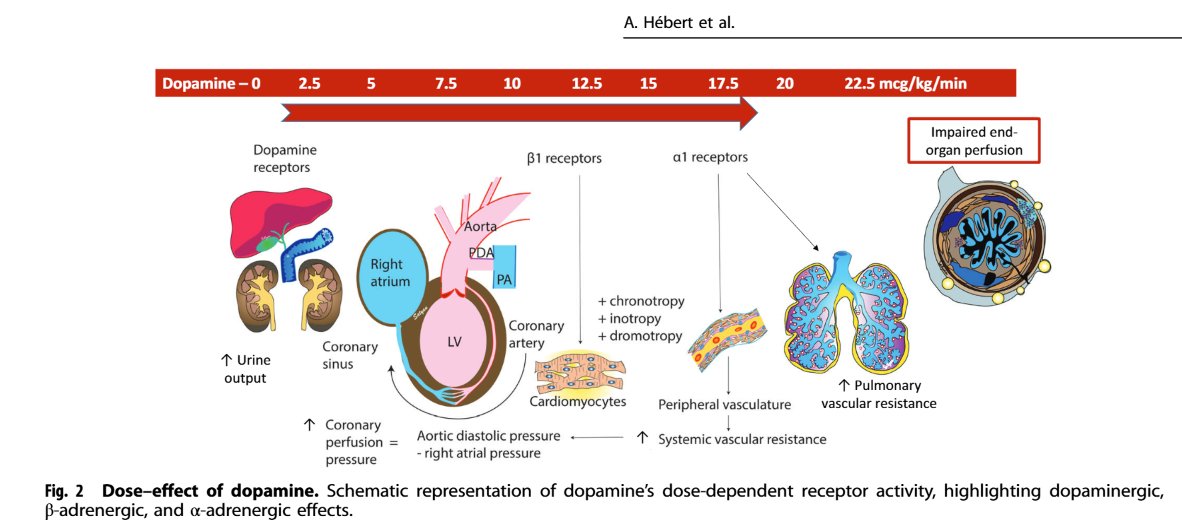
Welcome to the era of Inotropic Stewardship. Stop “shooting in the dark” in HIE care.
During Therapeutic Hypothermia, babies are in a hibernation state,use minimal intervention. Only act when BP <5th percentile + poor perfusion the guide with echo. https://t.co/fJy8216cx6
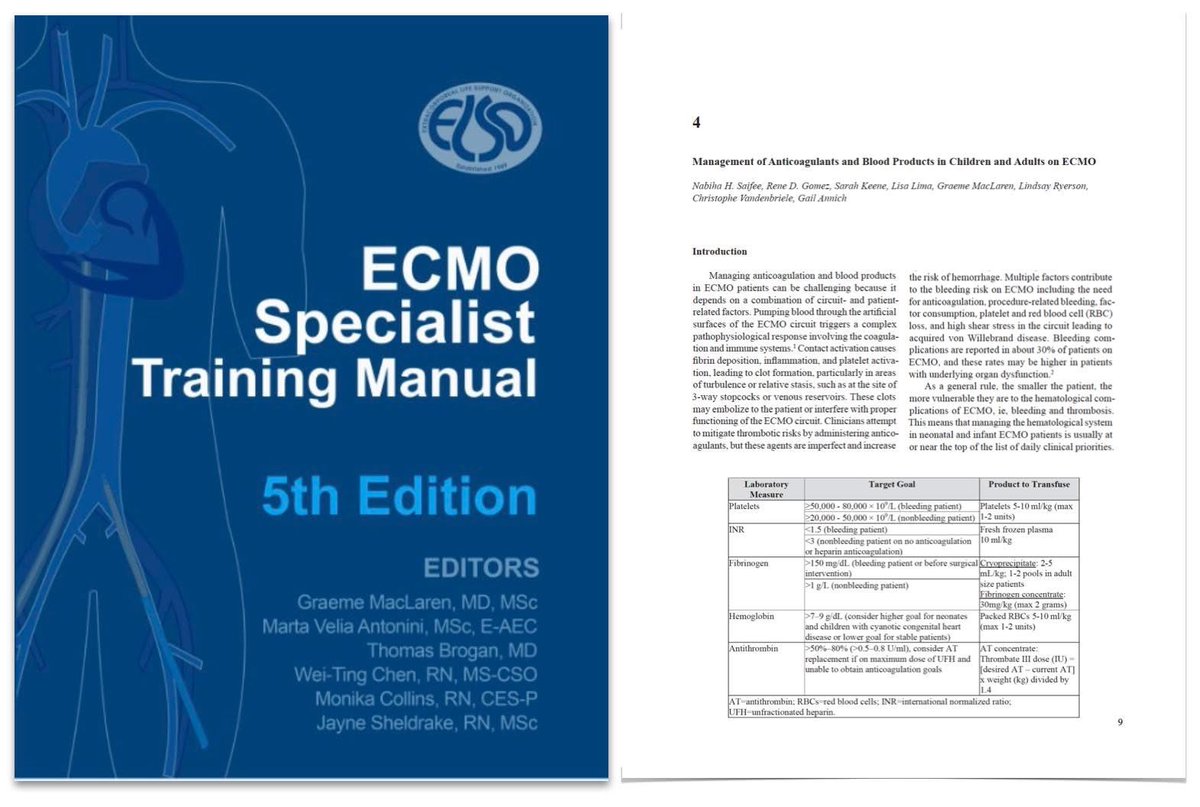
📖 Management of anticoagulants and blood products on #ECMO: let's open Blue Book! Chapter 4 outlines principles of anticoagulation + its monitoring across all age groups & transfusion triggers/blood product administration
📘 Available at
🛒 https://t.co/u1vLUUE9nW
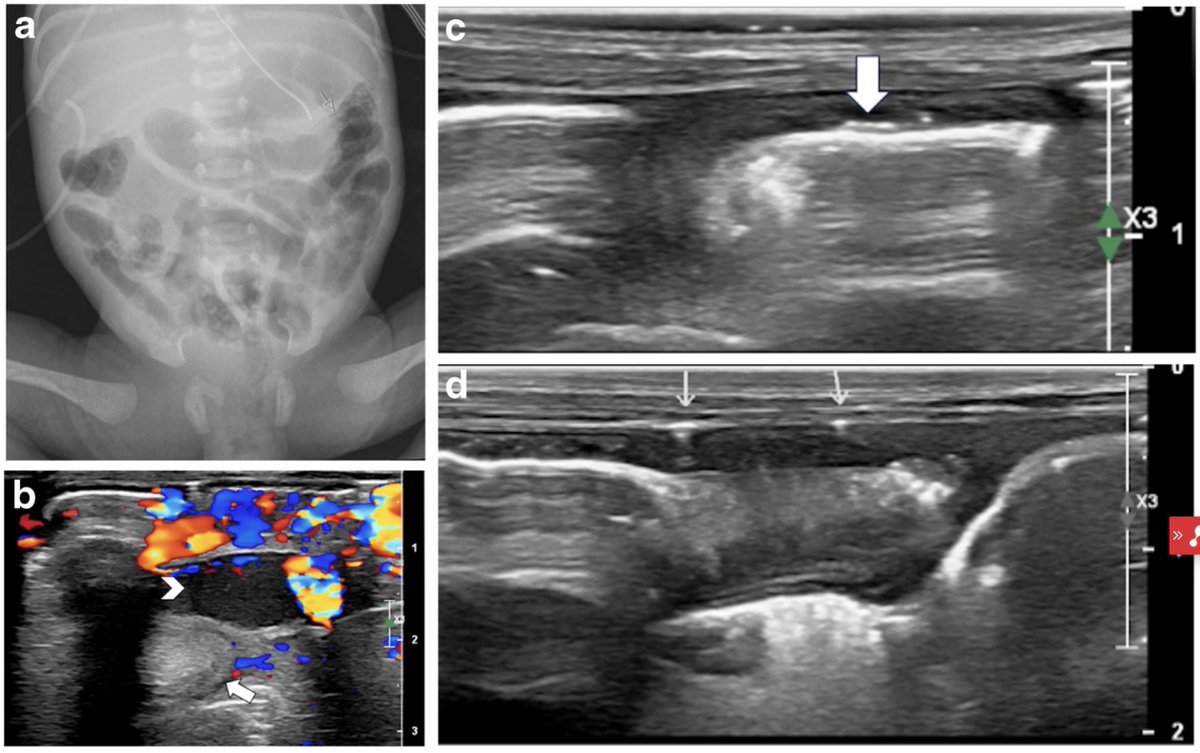
Adjunct abdominal USS for #NEC at time of initial diagnosis
7/23 USS -> findings of NEC when initial AXR unremarkable
Sensitivity aUSS for NEC 0.91
59% aUSS -> higher Bell stage
Implementing standardized aUSS guideline feasible & may aid NEC diagnosis
https://t.co/hVtpFepHJG
Our paper describes how we approach exercise and movement in our patients with #Dysautonomia, #POTS, #MECFS, #LongCovid, #EDS, etc.
https://t.co/r2j1RtfcFl
This week on The Incubator Podcast, Ben sits down with Dr. Edward Bell from the University of Iowa for our Giants of Neonatology series.
In the clip below, you’ll hear him share his thoughts on the “edges of viability” — and why 22 weeks might not be the limit we think it is. It made me stop and think about what’s next for our field… and it might make you think too.
You can hear the full conversation here: https://t.co/fDmXj0MqG7
#Neonatology #NICU #Prematurity #Podcast #theincubator #medical #med #innovation @DoctorDaphnaMd@drnicu@iowaneohd@UIchildrens
Registration is now open for the Dr. Regan Giesinger Clinical Cardiopulmonary Physiology for the Care of the Sick Newborn Course: Nov 3-6 2025!
Check out the course website to learn more and to register: https://t.co/QErTKCVE10
#neotwitter#neohemodynamics
New open-access review on pulmonary hemorrhage in premature infants by student Dr Sariya Sahussarungsi. Comprehensive review with stunning visuals by Dr. @neosatyan
https://t.co/EGmMxGdn1E
Dear #Neotwitter, @CardioNeo - are you a #NICU that practices LISA or INSURE in extremely preterm infants? Have you ever seen #pulmonary hemorrhage soon after #surfactant ? Does having a higher mean airway pressure after surfactant reduce risk of pulmonary hemorrhage?