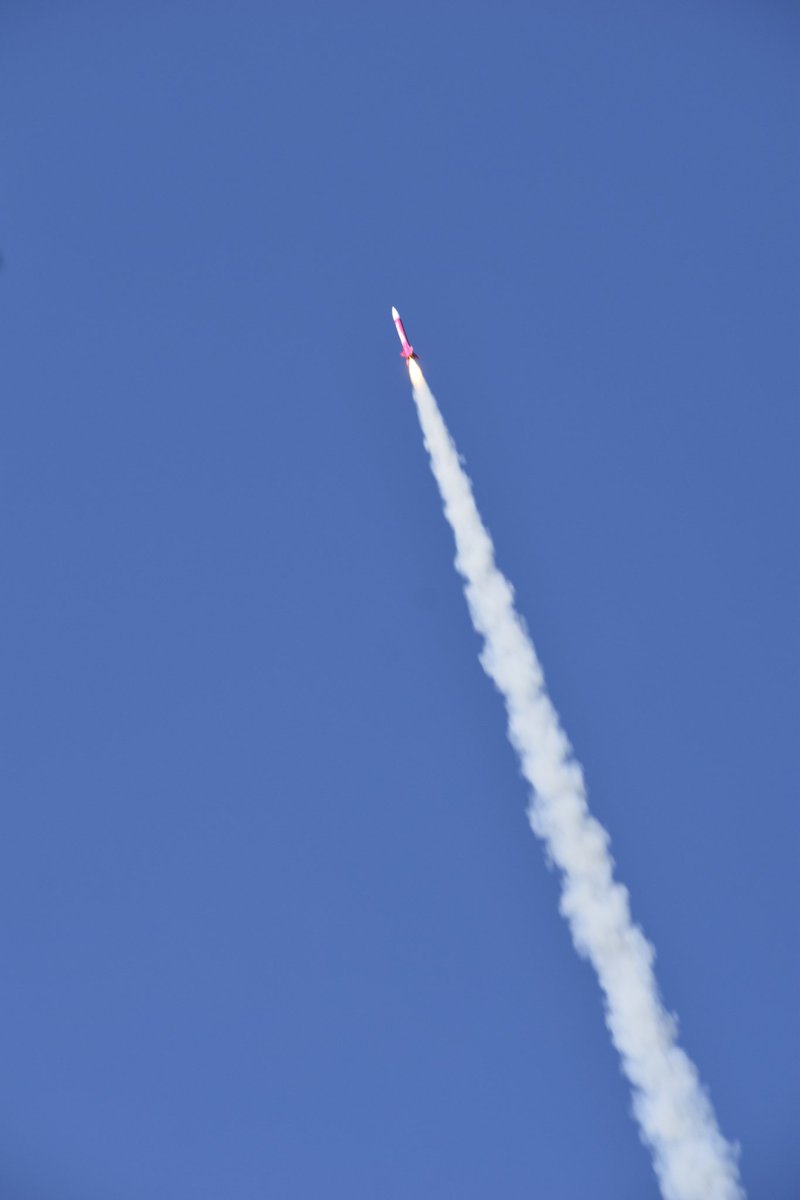
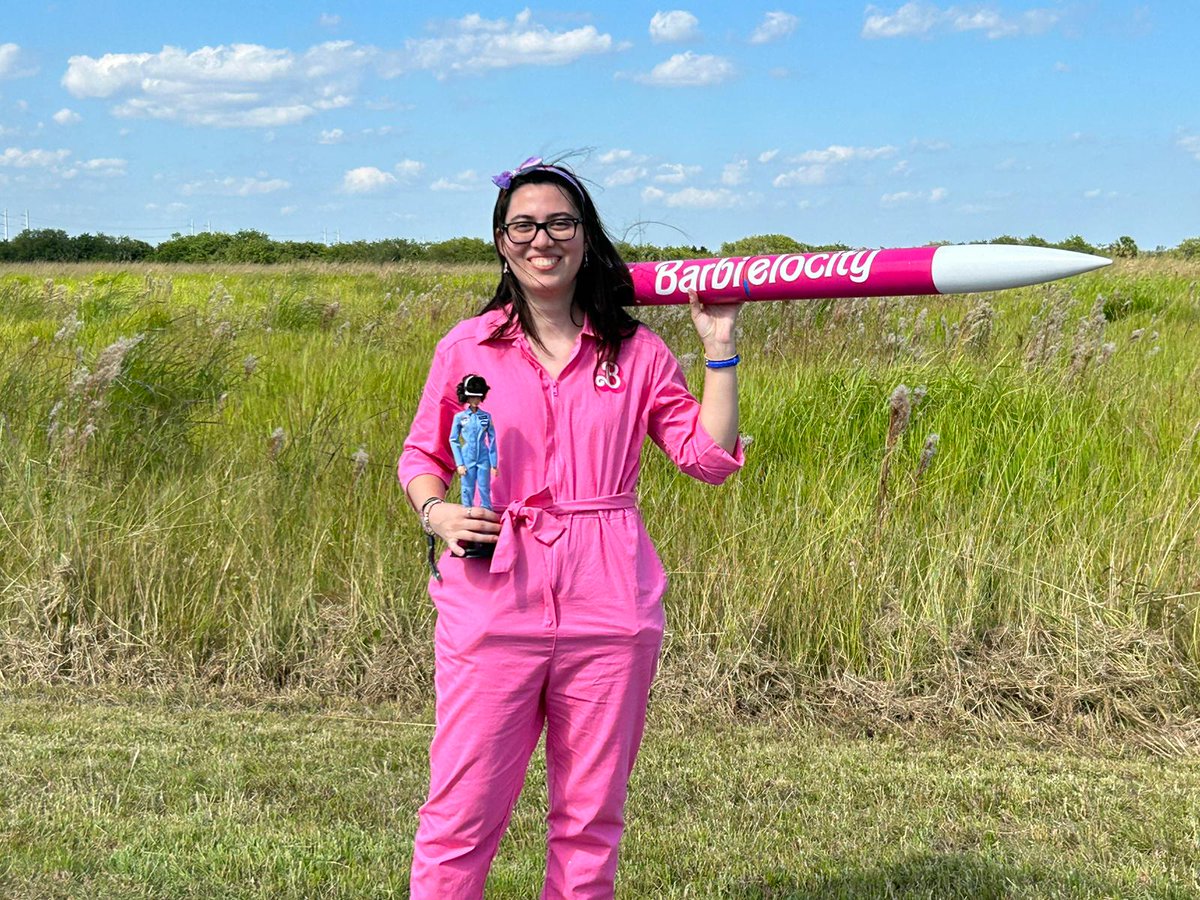
This Barbie is L1 certified!🚀
Thank you so much to @HotNozzleSummer for sending me a Sky Fieri kit earlier this year. I was able to successfully launch and get my L1 cert this weekend with their kit!
Also, huge shout-out to @CarolineO25 for her guidance through everything❤️
During a spacewalk early in his career, @astro_luca's helmet began to fill with water. As the water started to rise Luca couldn't breathe, communicate or even see, relying on his safety tether to return to the airlock - and safety. He handled the life-threatening crisis with so much calm and clarity that his heart rate stayed stable at a resting rate and colleagues at mission control couldn't even tell he was stressed.
This is a story that is passed around the hallways at ESA as legend. It's a story that tells you more about an astronaut than any CV ever could.
Luca is precise, composed and determined. He is exactly the right person for this role. A test pilot by training, with two missions to space, a commander of the International Space Station – he has seen spaceflight from every angle that matters.
Yesterday I felt so much pride for Luca, as I caught a glimpse of his two daughters from the audience while they watched their father named part of the #ArtemisIII crew, in what must be one of the most emotive moments of his career.
Caro Luca, siamo tutti orgogliosi di te. Buon volo!
https://t.co/f2yCvYe6eM
Houston, prepare for Earth joy!🌎
Today NASA announced the crew for the Artemis III mission, which will fly in low Earth orbit.
They’ll demonstrate rendezvous and docking capabilities with commercial human landing systems, a critical step in our return to the lunar surface.
“We just want to say how completely fired up we are for you.”
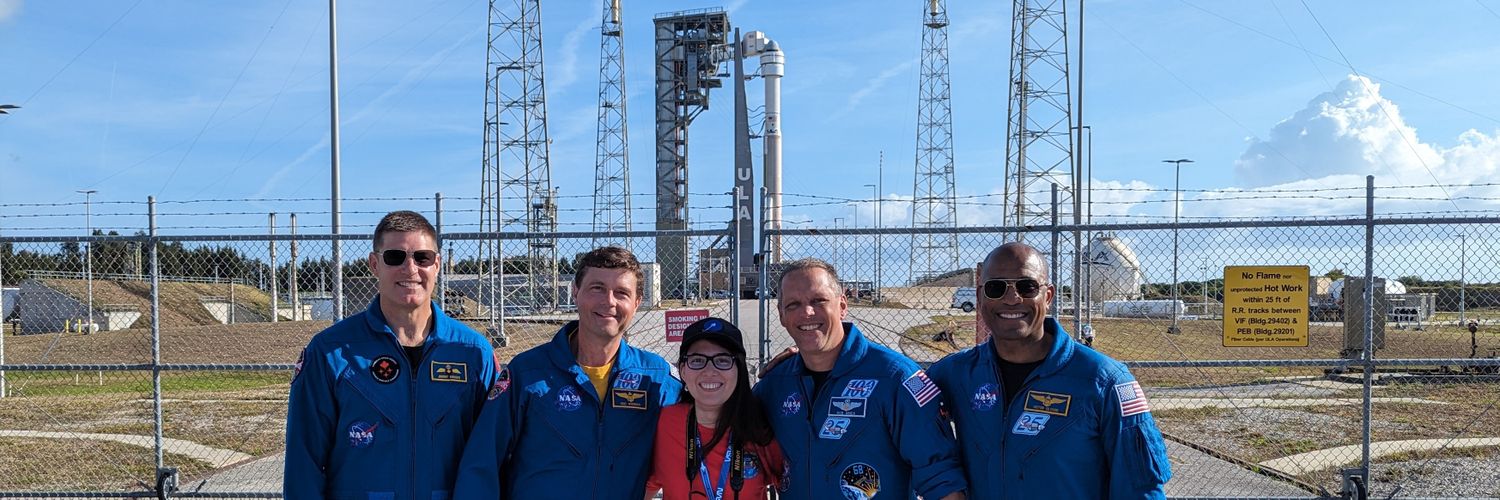
Artemis II crew members @Astro_Reid, @AstroVicGlover, and @Astro_Christina hand the Artemis baton to the newly-announced Artemis III crew.
Introducing Artemis III.
Four astronauts. Three launches. Two dockings. One splashdown.
In 2027, the Artemis III mission will practice docking the Orion spacecraft with two lunar landers in low Earth orbit — the capability we need to return humanity to the Moon’s surface.
NASA's Jeremy Parsons outlines the current plan for Artemis 3:
- Blue Origin's lander launches into orbit
- Orion launches, docked with lander for two days
- Orion undocks, await Starship launch
- Orion docks with Starship for a day, then returns.
Coming soon: one of history’s most complex missions
Tune in on Tuesday, June 9, at 11am ET, to meet the astronauts flying aboard Artemis III, the mission that will test docking capabilities with commercial landers in low Earth orbit — an important step to crewed lunar landings.
Axiom Space has teamed up again with @Prada to introduce the Liquid Cooling and Ventilation Garment (LCVG), the innermost layer within the #AxEMU spacesuit that is designed to protect astronauts from the elements when they explore the lunar surface for the first time in more than 50 years.
The LCVG collaboration draws on Prada's expertise in engineered knitting and innovative design concepts, resulting in a next-generation garment that maintains cooling and ventilation while enhancing comfort during up to eight-hour spacewalks.
Collaborating with industry pioneers like Prada allows us to combine our technical expertise with leaders across different sectors, fostering innovation and teamwork to deliver advanced technologies that will return America to the Moon.
Learn more: https://t.co/ra23WrbLs1
Rolling down the rails🚂
Eight booster motor segments for @NASAArtemis III are on their way from Utah to @NASAKennedy, hauled by Union Pacific’s new locomotive honoring America’s 250th anniversary.
The SLS boosters will provide 75% of the thrust at launch.
MORE: https://t.co/l0MiahpVHz
Some LC-36 updates. Now that we’ve had access to the pad and integration facility we can share a bit of good news. The propellant farm, oxygen, liquid hydrogen and LNG tanks are all in good shape. This is good luck because these are very long lead items. The water tower is also good. The big support tower is damaged, but it can be repaired in place rather than torn down and replaced. The booster “Never Tell Me The Odds” and the three GS-2s that were onsite in the integration facility also look good.
I’ve seen some speculation that we might move directly to the 9x4 configuration, but we won’t do that. Rate manufacturing of 7x2 is going well, and we’re going to continue that at pace as planned and store the stages for use. In addition, we had already been working for some time on eliminating our transporter-erector in favor of an alternative vertical conop, and we’ll now go directly to that; so we don’t need a new transporter-erector.
We will fly again before the end of this year. Gradatim Ferociter.
We have regained some access to Launch Complex 36 and are actively investigating the hotfire anomaly. We will start clearing the pad soon and have a good rebuild plan in place. The booster and GS2s in the integration facility appear healthy from quick looks.
We go where we need to be, and today that was @NASAKennedy.
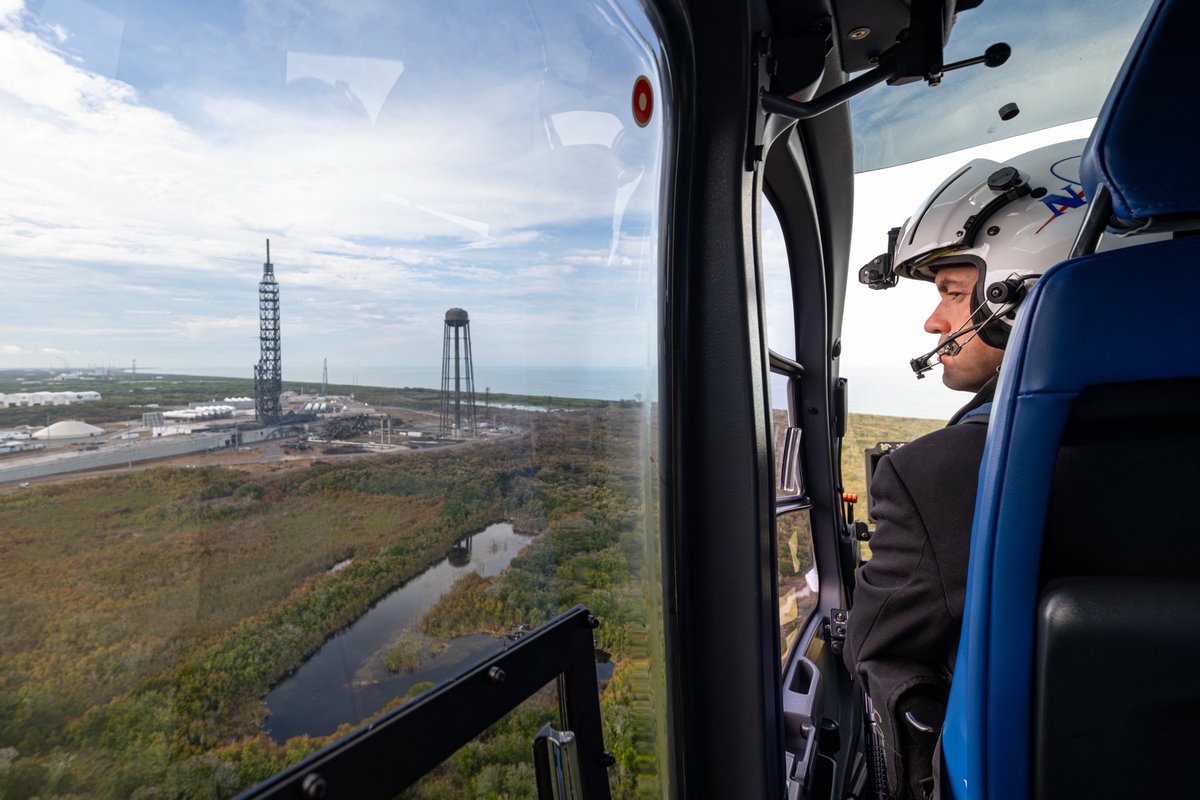
Some of my senior engineers and I spent time at @blueorigin with @JeffBezos and @davill, speaking with the workforce and seeing the damage at LC-36 firsthand. I appreciated the opportunity to hear directly from those working through the aftermath and better understand the challenges ahead.
There is a lot of work to do, but this is exactly why people choose careers in aerospace, whether at NASA, Blue Origin, or across the industry. The talent in this field thrives under pressure and performs at its best when solving the toughest problems.
We have been saying for months at NASA that we are not going to sit on our hands and wait for the capabilities necessary to achieve the nation’s most pressing objectives. We are going to take an active role alongside our partners, just as we did in the 1960s, to overcome setbacks, remove obstacles, and deliver the intended outcomes.
@NASA is committed to helping the Blue team recover, continue to advance their lunar lander and get New Glenn back to launching as soon as safely possible.
America’s greatest achievements in space were never the result of avoiding setbacks. They came from overcoming them. We have done it before, and we will do it again🇺🇸