Fertilization is not random, and the fastest sperm does not always win: in reality, the egg decides who succeeds.
While for decades we were taught that fertilization is a race won by the fastest sperm, a study published in Proceedings of the Royal Society B shows how human reproduction actually works.
Scientists analyzed follicular fluid from 60 couples undergoing fertility treatment at St Mary's Hospital in Manchester, UK. They discovered that the egg releases chemical signals (chemoattractants) that actively attract sperm from certain men over others.
Through these chemical signals, the egg exerts its own biological selection, influencing which sperm manage to get close. The egg appears to favor sperm that offer optimal genetic compatibility with its own genome — particularly in genes related to the immune system — which may help produce healthier offspring.
Interestingly, this cellular preference does not always align with the couple’s conscious partner choice. In many cases, eggs showed stronger attraction to sperm from non-partner males.
This chemical communication demonstrates that female biology continues to evaluate and select options even after intercourse. Understanding this process could lead to more precise solutions for unexplained infertility. Science continues to reveal the remarkable level of biological interaction that occurs during reproduction.
[Fitzpatrick, J. L. et al. (2020). Chemical signals from eggs facilitate cryptic female choice in humans. Proceedings of the Royal Society B, 287(1928), 20200805. DOI: 10.1098/rspb.2020.0805]
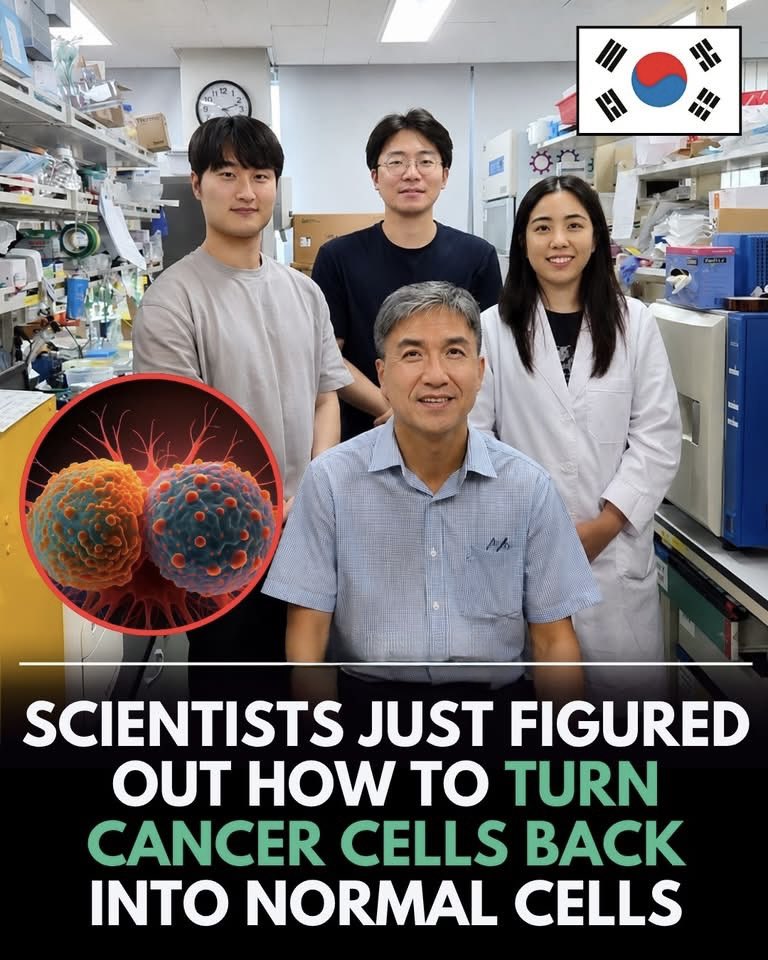
Researchers at KAIST in South Korea have developed a groundbreaking experimental approach known as “reversible cancer therapy,” which aims to transform cancer cells back into healthy cells instead of destroying them. The technique focuses on suppressing specific genetic regulators believed to control the cancerous state within cells.
The study identified three major regulators — MYB, HDAC2, and FOXA2 — that appear to act like switches controlling tumor behavior in colon cancer cells. By targeting these regulators, scientists were reportedly able to reverse malignant characteristics during laboratory and animal testing.
Unlike chemotherapy and radiation, which often damage both cancerous and healthy tissue, this restorative strategy is designed to preserve normal cellular structures while neutralizing cancer growth. Researchers believe this could potentially reduce many of the harsh side effects patients experience during traditional cancer treatments.
The findings were validated through digital simulations and mouse trials, but experts caution that human clinical testing is still needed before the therapy could become widely available. Many promising cancer breakthroughs in early research stages still require years of safety evaluation and large-scale trials.
Scientists involved in the project also suggest similar genetic “master regulators” may exist in other forms of cancer, including aggressive brain tumors. If future studies confirm these results in humans, the discovery could mark a major shift toward more targeted and less destructive cancer therapies in the future.
Source: Cho, K. H. Reversing the Malignant State of Cancer Cells via Master Regulator Suppression. Advanced Science.
wow
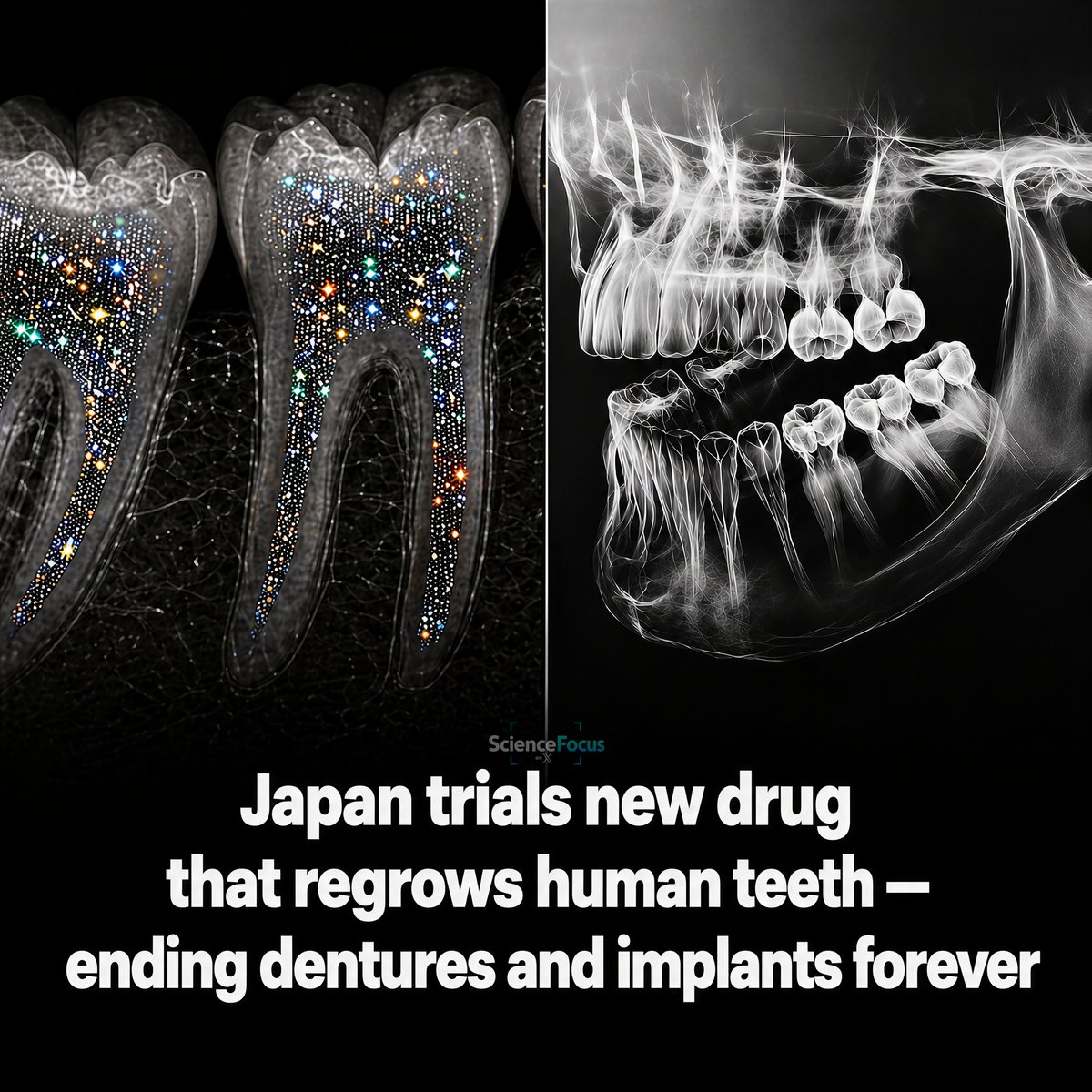
Human trials for drug to regrow teeth underway in Japan
Japanese researchers are conducting human trials for a drug that could enable people to regrow lost teeth.
Scientists had earlier got mice to grow extra molars and helped dogs regrow missing premolars.
The trials are being held at Kyoto University Hospital. The new drug targets a protein called USAG-1, which normally prevents additional teeth from forming.
If all goes well, this game changing option could be available by 2030 and might help anyone who's lost teeth from aging, accidents or genetic conditions.
Dentures could become extinct.
Japan just hit a milestone that sounds ripped straight out of a sci-fi novel.
At Kyoto University Hospital, scientists have started dosing humans with a drug that could trigger the body to grow brand new teeth from scratch.
No drilling. No implants. No fake plastic plates floating in a glass beside your bed.
The trial kicked off in October 2024 with 30 men, ages 30 to 64, each missing at least one tooth. Phase one is purely about safety and dosage.
Here's the wild part.
Humans actually have a hidden, dormant third set of tooth buds buried inside the jaw. We just never grow them. A protein called USAG-1 keeps them switched off for life.
The drug shuts that protein down. Turn off the off-switch, and the buds wake up.
It already worked in mice and ferrets, which grew fresh teeth in lab studies led by Dr. Katsu Takahashi at the Medical Research Institute Kitano Hospital in Osaka.
If the human trials hold up, phase two will move on to children born with congenital anodontia, a condition where kids never grow a full set of teeth.
The team is aiming for public release around 2030.
That's not decades away. That's the next election cycle.
In Japan, where over 90% of people aged 75 and up are missing at least one tooth, this isn't just dental progress. It's a rewrite of what aging looks like.
The dentist of the future might not pull. They might plant a seed.
Source: Kyoto University Hospital / Medical Research Institute Kitano Hospital, Osaka — research led by Dr. Katsu Takahashi
A Mayo Clinic-developed artificial intelligence (AI) model can help specialists detect pancreatic cancer on routine abdominal CT scans up to three years before clinical diagnosis. It identifies subtle signs of disease before tumors are visible, when curative treatment may still be possible. The findings, published in Gut, mark a milestone in Mayo Clinic's multiyear research effort to enable earlier detection of one of the deadliest cancers.
Learn more: https://t.co/EJySSkaW3P
Having a baby physically shrinks part of a woman's brain. Having a second baby shrinks a totally different part. Scientists in Amsterdam just figured out why, and the explanation involves the same process that happens in teenage brains.
This is from a research group in Amsterdam called the Pregnancy Brain Lab. They published their findings in Nature Communications on February 19, 2026. The team scanned the brains of 110 women. 40 were about to have their first baby, 30 were about to have their second, and 40 had never been pregnant. They scanned everyone before pregnancy and again after birth.
The results were so consistent that a computer program could look at any of those brain scans and correctly tell whether the woman had been pregnant. Every single time.
When a woman has her first baby, the biggest changes happen in the part of the brain that handles thinking about yourself and other people. The same region that runs daydreaming and inner monologue. That whole area visibly shrinks. And it stays shrunk for at least six years after birth, according to a 2021 follow-up study by the same team.
When she has a second baby, that same area shifts a little more, but the biggest changes happen somewhere else. They happen in the part of the brain that controls what you focus on, and the part that controls how your body moves. Even the wiring between the brain and the muscles becomes more efficient. Lead researcher Milou Straathof said it looks like the brain rewiring itself for taking care of more than one kid at a time.
The shrinking sounds bad. The lab compares it to what happens in teenage brains during puberty. Hormones flood the brain and trigger a kind of cleanup. Weak connections between brain cells get cleared away. The strong ones stay and get stronger. The brain ends up smaller, but the connections that remain work faster. The hormonal flood of pregnancy seems to do the same thing.
Elseline Hoekzema, who runs the Pregnancy Brain Lab and has been studying this since 2017, told CNN: sometimes less is more.
The pattern is layered. The first pregnancy does the deep work on identity and how a mom thinks about her baby. The second pregnancy adds a new layer focused on attention and movement.
About one in five new mothers globally develops postpartum depression. The same brain circuits being remodeled here are the ones tied to mood and bonding with the baby. Mapping what a healthy maternal brain looks like is the first step toward catching when something goes wrong.
Brazilian scientist Tatiana Sampaio discovers a protein, Polylaminin, that can regenerate spinal cord.
This substance aims to create a supportive matrix that encourages damaged neurons to regenerate connections, potentially restoring motor function after severe injuries.
Aspirin, a common pain-relieving drug, has been shown to reduce the risk of colorectal cancer, especially in high-risk individuals.
It works by lowering inflammation, slowing tumor growth, and helping the immune system detect cancer cells.
However, due to potential side effects like bleeding, it should only be used for prevention under medical guidance.
A groundbreaking recent study has revealed that eating just one or more eggs per week can significantly reduce the risk of developing Alzheimer’s disease — by nearly 47%.
Researchers found that eggs are rich in choline, an essential nutrient that supports brain health, strengthens memory, and helps build cell membranes. Choline is a key ingredient for producing acetylcholine, a neurotransmitter involved in learning and focus. Lower levels of this compound have long been linked to cognitive decline.
While no food can guarantee protection from Alzheimer’s, this discovery highlights how small dietary choices can have profound effects on long-term mental health. One humble egg may hold part of the answer to keeping our memories alive — a simple breakfast with extraordinary potential.
[Pan, Y., Wallace, T. C., Kroska, T., Bennett, D. A., Agarwal, P., et Chung, M. (2025). Association of egg intake with Alzheimer’s dementia risk in older adults: The Rush Memory and Aging Project. The Journal of Nutrition]
🚨 Drinking coffee on an empty stomach can increase stress by stimulating a rapid rise in cortisol, the body’s primary stress hormone.
Cortisol levels are already highest in the morning, and caffeine can amplify this response when no food is present.
Research from the University of Bath has shown that caffeine consumed before eating may intensify metabolic and hormonal stress reactions.
This can lead to symptoms such as anxiety, jitteriness, and energy crashes in sensitive individuals.
Eating before drinking coffee helps moderate cortisol release and supports a more balanced stress response.
🚨 Hearing May Be Restored!
Scientists are testing a groundbreaking method that could restore natural hearing using stem cell injections placed directly into the inner ear. Early research suggests damaged hearing cells might not be permanently lost — they could potentially be repaired or regenerated. This raises hope that hearing loss in the future may no longer be irreversible.
It’s still early science, but the possibility is shocking: what if silence can truly be reversed?
Source: Nature Biotechnology. Stem cell approaches for inner ear regeneration research.
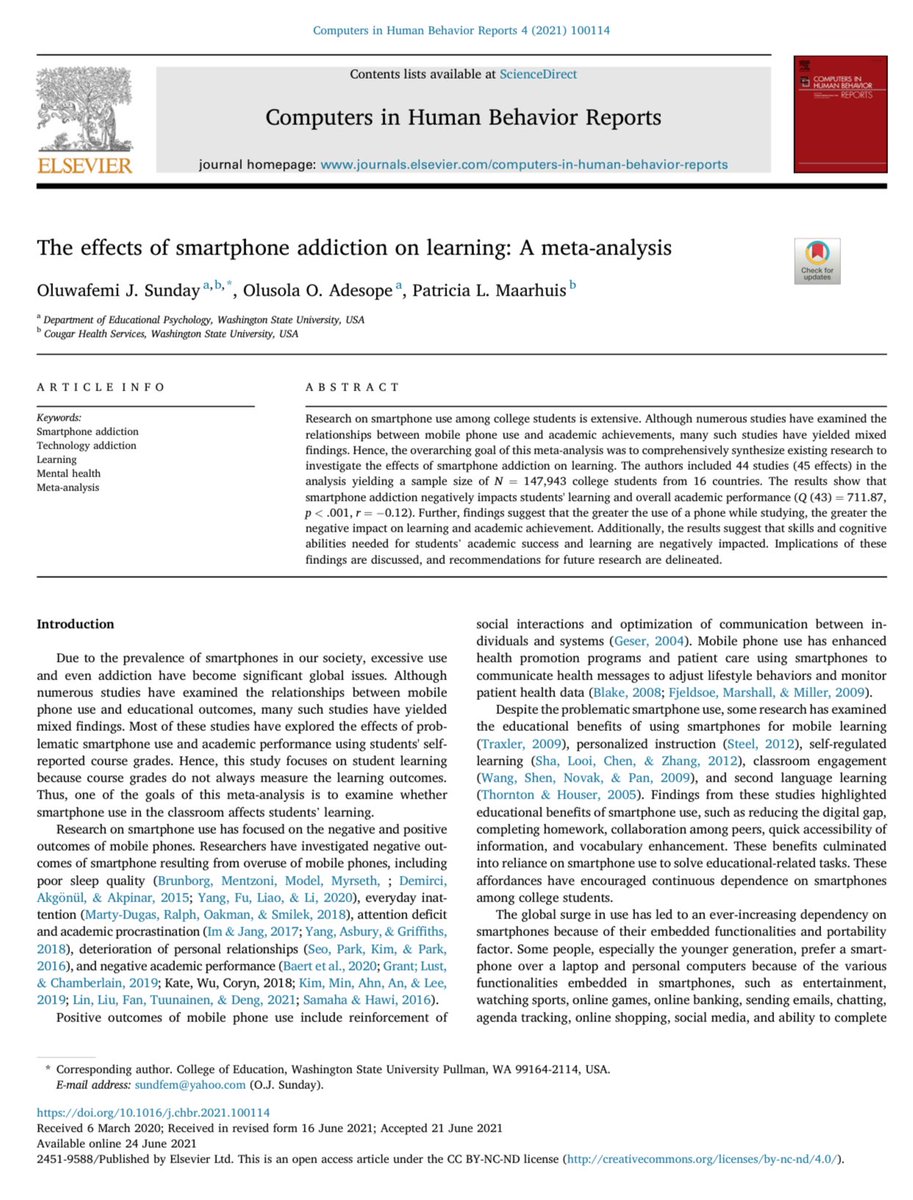
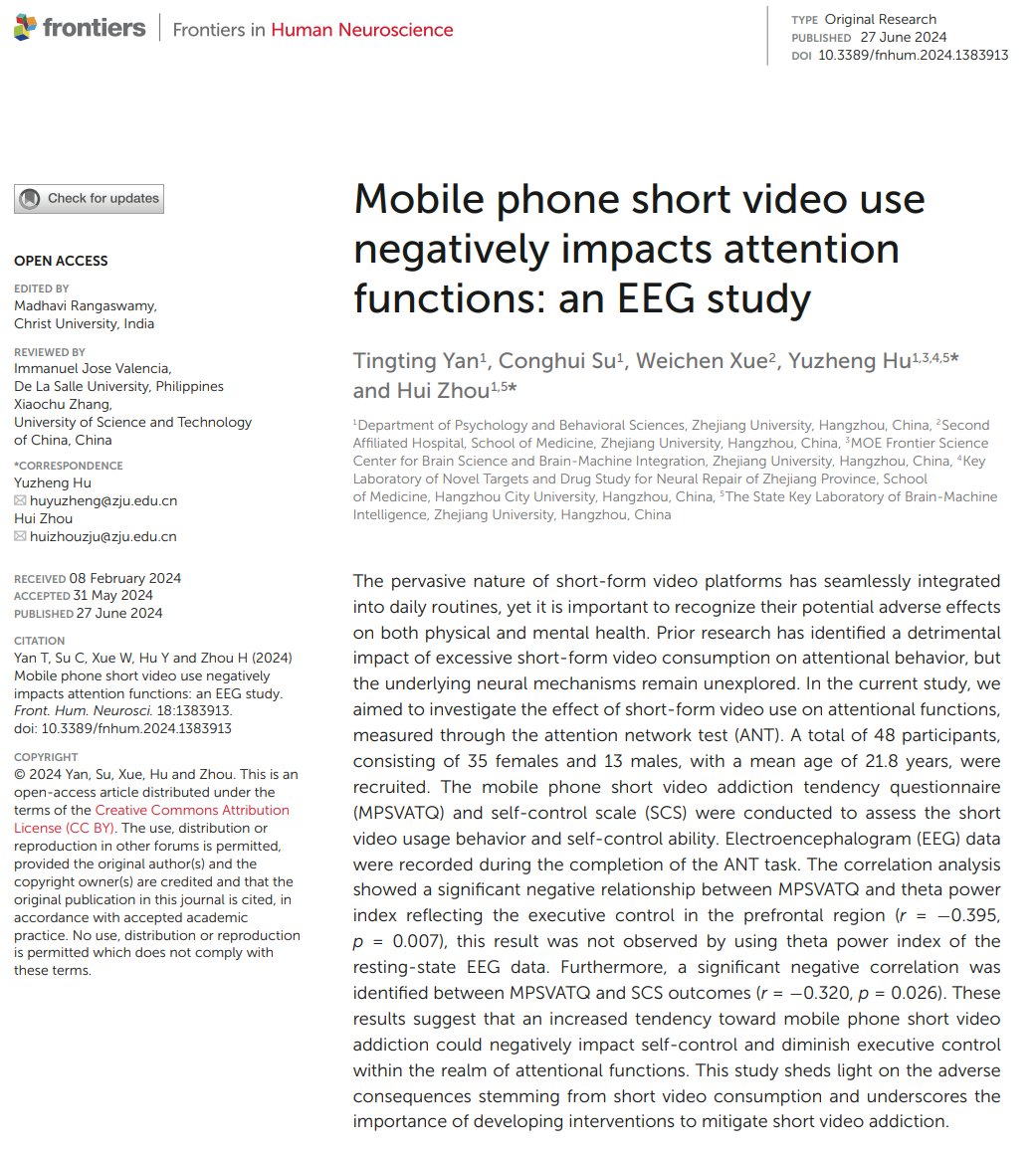
تم التحذير بشكل متكرر
تقول هذي الدراسة
ادمان المقاطع القصيرة يرتبط بانخفاض نشاط الفص الجبهي في الدماغ وضعف القدرة على التركيز.
ابعدوا على الأقل أطفالكم عنها
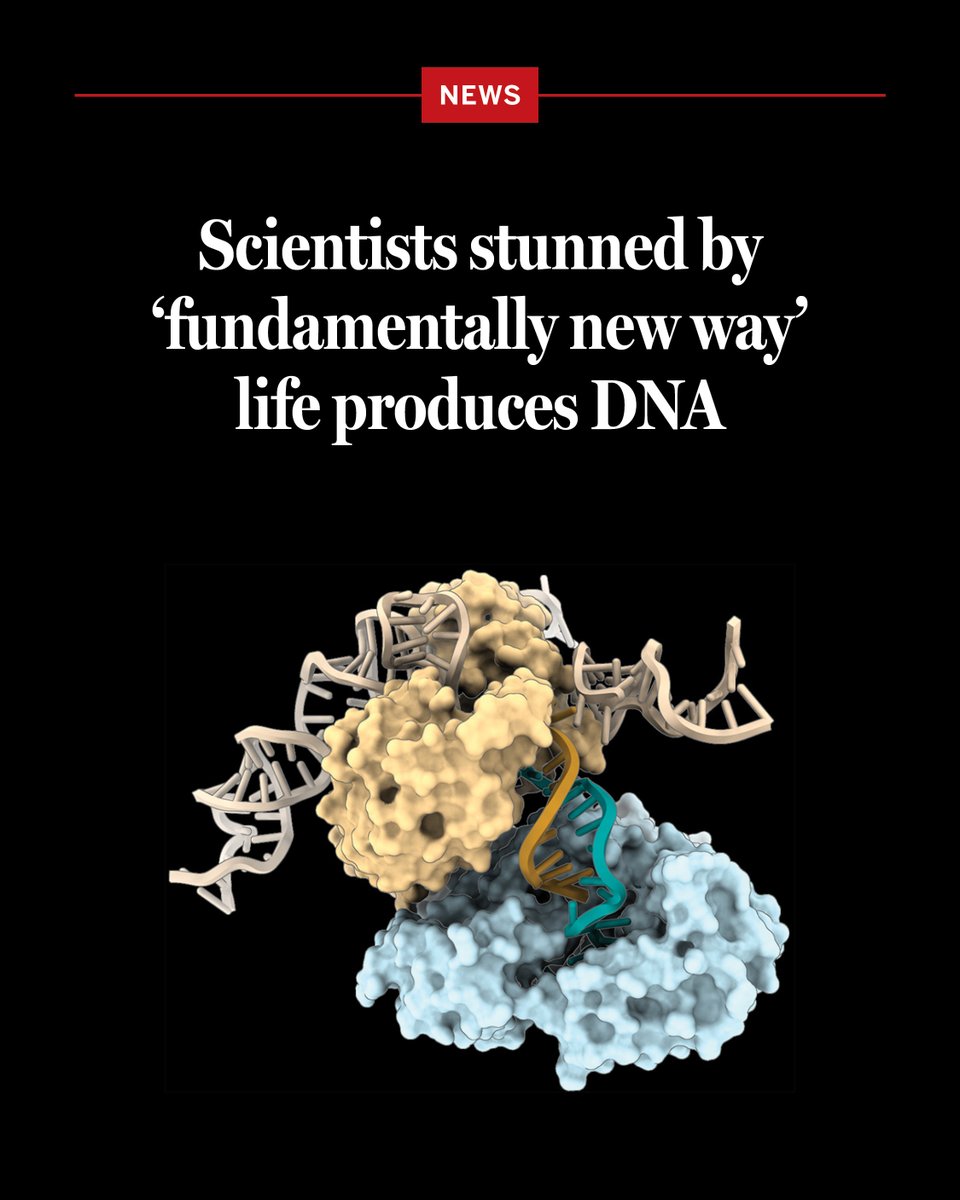
For decades, biology textbooks have enshrined a simple rule: DNA is made by copying a template. After one enzyme unzips a DNA double helix into separate strands, another called a polymerase builds a complementary sequence, base by base, for each strand. Presto: two copies of the original DNA.
But new research into how bacteria defend themselves from viruses now shows this synthesis rule isn’t absolute.
Now, a team describes a bacterial enzyme that synthesizes DNA without a nucleic acid template, using its own structure as a guide.
Learn more: https://t.co/TeUWvyO0OD @NewsfromScience
🚨 BREAKING:
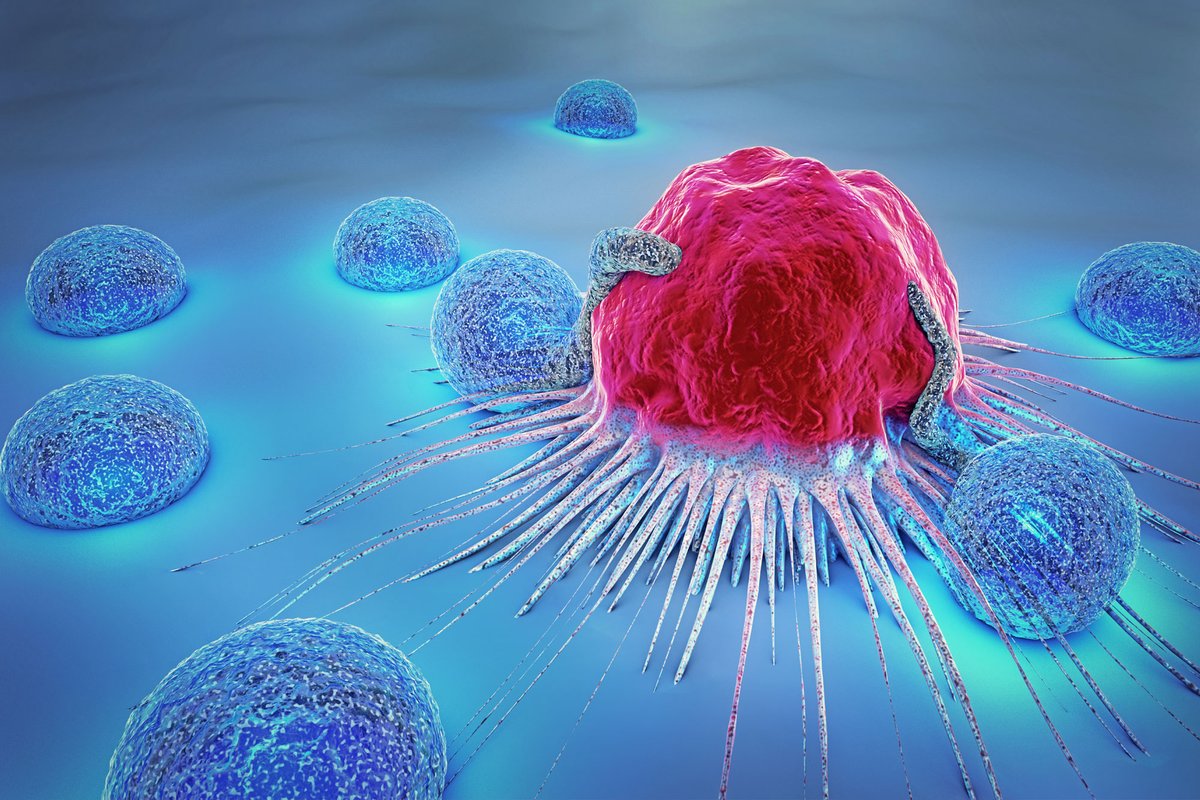
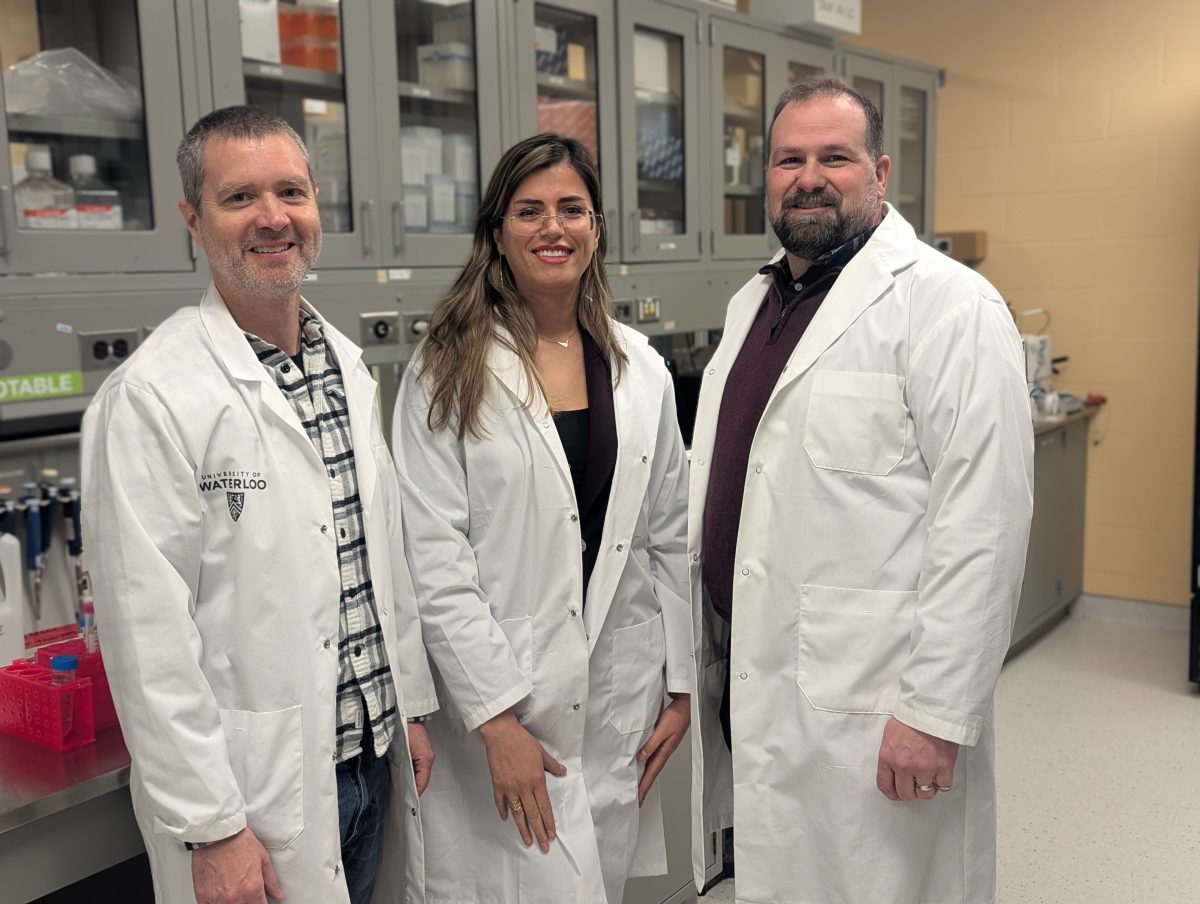
Waterloo scientists Dr. Brian Ingalls, Dr. Sara Sadr, and Dr. Marc Aucoin have engineered “tumor-eating” bacteria that can invade and destroy cancer from within.
🧬 A potential breakthrough in cancer treatment research.
🚨 Scrolling on a device before bed can significantly disrupt melatonin production because blue light strongly signals the brain to stay alert.
This stimulation can delay the natural onset of sleepiness and make falling asleep more difficult.
In fact, the effect of blue-light exposure can rival—or even exceed—the stimulating impact of drinking two cups of coffee.
Persistent nighttime screen use can also reduce overall sleep quality by shortening deep-sleep phases.
Research from institutions like Harvard Medical School has highlighted how evening blue-light exposure interferes with healthy sleep rhythms.
🚨 The 20-20-20 Rule That Could Save Your Eyes Forever
You stare at your screen every day… but what if the real damage is happening silently?
Blurred vision. Dry eyes. Headaches. It starts small… then slowly becomes your “new normal.”But there’s a simple trick experts swear by — the **20-20-20 rule**.
Every 20 minutes, look at something 20 feet away for 20 seconds.
That’s it. It sounds too easy… but this tiny habit gives your eye muscles a break, reduces strain, and may help protect your vision from long-term damage caused by endless screen time.
Most people ignore it… until their eyes start paying the price.
Your screen isn’t going anywhere. But your eyesight? That’s different.
Take the pause. Your future vision depends on it.
Source:
American Optometric Association. (n.d.). Computer vision syndrome.
For decades, biology textbooks have enshrined a simple rule: DNA is made by copying a template. After one enzyme unzips a DNA double helix into separate strands, another called a polymerase builds a complementary sequence, base by base, for each strand. Presto: two copies of the original DNA.
But new research into how bacteria defend themselves from viruses now shows this synthesis rule isn’t absolute.
Now, a team describes a bacterial enzyme that synthesizes DNA without a nucleic acid template, using its own structure as a guide.
Learn more: https://t.co/bpVgr0KMdR










![Rainmaker1973's tweet photo. A groundbreaking recent study has revealed that eating just one or more eggs per week can significantly reduce the risk of developing Alzheimer’s disease — by nearly 47%.
Researchers found that eggs are rich in choline, an essential nutrient that supports brain health, strengthens memory, and helps build cell membranes. Choline is a key ingredient for producing acetylcholine, a neurotransmitter involved in learning and focus. Lower levels of this compound have long been linked to cognitive decline.
While no food can guarantee protection from Alzheimer’s, this discovery highlights how small dietary choices can have profound effects on long-term mental health. One humble egg may hold part of the answer to keeping our memories alive — a simple breakfast with extraordinary potential.
[Pan, Y., Wallace, T. C., Kroska, T., Bennett, D. A., Agarwal, P., et Chung, M. (2025). Association of egg intake with Alzheimer’s dementia risk in older adults: The Rush Memory and Aging Project. The Journal of Nutrition]](https://pbs.twimg.com/media/HGvO6xoaUAA5kEZ.png)