Efficient genome editing by CRISPR-Cas12a in common wheat via shoot apical meristem delivery (Weifeng Luo , Selda Ors , Hong Fang , Minting Zeng , Yanhao Cheng , Andrew Emil Sidawy , Yiping Qi) https://t.co/PTdR8wjTF5 @ASPB#PlantSci
I am thrilled 🤩 to share the first publication 📄 of 2026 🤗
This review has described the molecular mechanisms for Septoria avenae disease 🦠 resistance in Avena sativa L. (Oat) 🌱
Acknowledged to #ProfChengadaoLi for reviewing this article.
#oat#SeptoriaAvenae
Save the date: 20 Nov 2025 at 17h. Megan McDonald's talk: Jumping Genes and Pathogenic Schemes: the diverse roles that transposons play in pathogen evolution.
A must for the pathology community!
Info here: https://t.co/0dHlAwOvpM
@karchuntan@ReemWheat
🌾 How will crops survive when drought, heat & CO₂ all rise together?
Unveiling herbaceous plant responses to future triple interaction of drought and elevated temperature and [CO 2 ]: systematic review and meta-analysis
https://t.co/or3G1NhYIs
Wheat streak mosaic, High plains disease, and Triticum mosaic are part of a virus disease complex found in most wheat growing regions of the U.S. and into Canada. This disease complex can cause major losses in spring and winter wheat.
Some virus-resistant wheat varieties exist. Manage volunteer plants serving as hosts to the wheat curl mite, which vectors the viruses. Create a two-week gap of host tissue availability (i.e., between wheat harvest and wheat emergence in the fall) to reduce mites. Avoid early fall planting of winter wheat and late planting of spring wheat for areas and seasons with high virus incidence. No acaricides are registered for wheat curl mites and insecticides are ineffective.
@USWBSI@SaskWheat@MahDuffeck@travisfaske@OSUwheatdisease@DTelenko@ppp_trey@MartinChilvers1@baldpathologist@MandyBish1@AlbertTenuta@maddishires@badgercropdoc #wheat
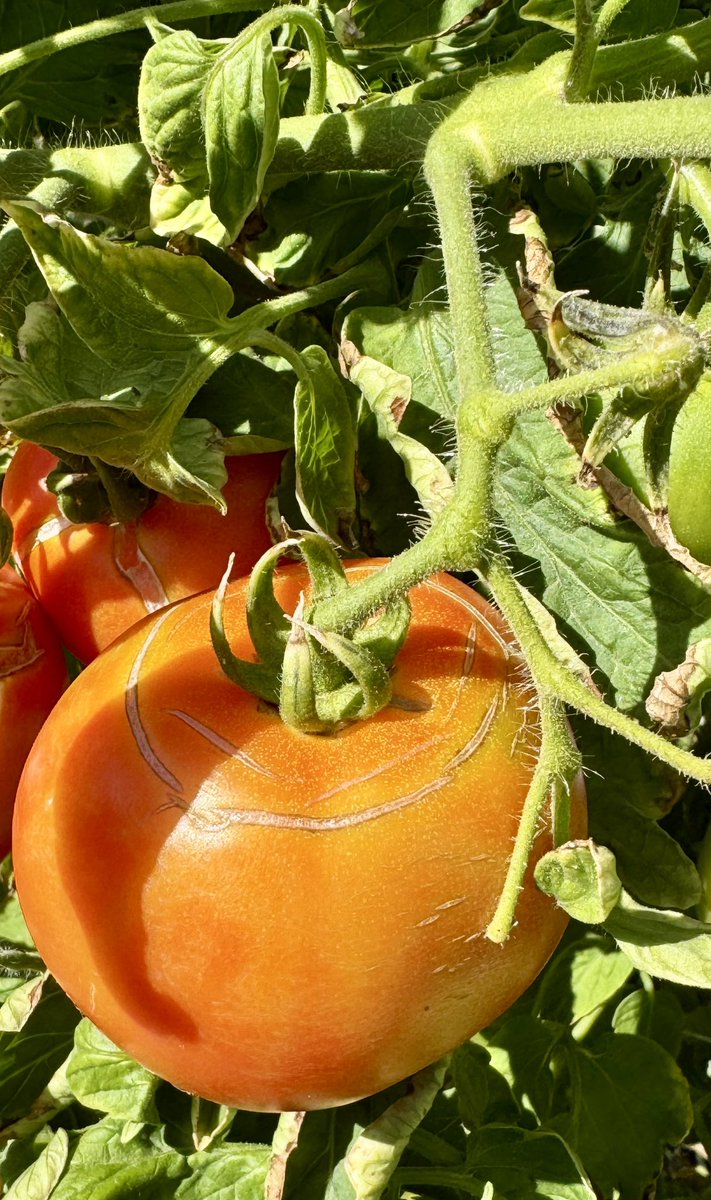
Late season tomatoes showing fruit cracking. Often observed after wide fluctuations in soil moisture, often after a heavy rain or after a dry period. These conditions can cause fruit to expand too quickly for the skin to keep up, leading to cracks in the fruit #Tomato#Gardening
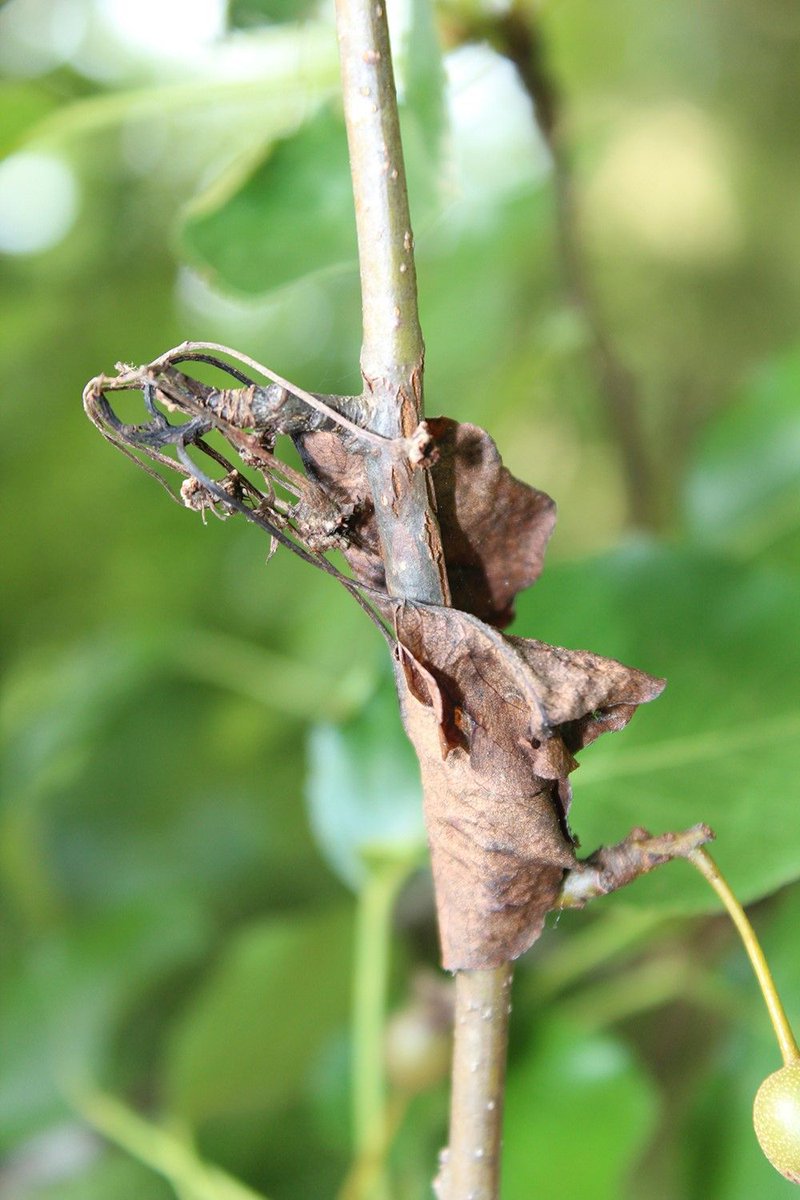
It is time to focus on fruit, orchard, & vineyard sanitation. Good sanitation practices can reduce disease-causing pathogens. Elimination of pathogens reduces the need for fungicides & can improve the effectiveness of disease management practices. https://t.co/jFpyNd5DtT
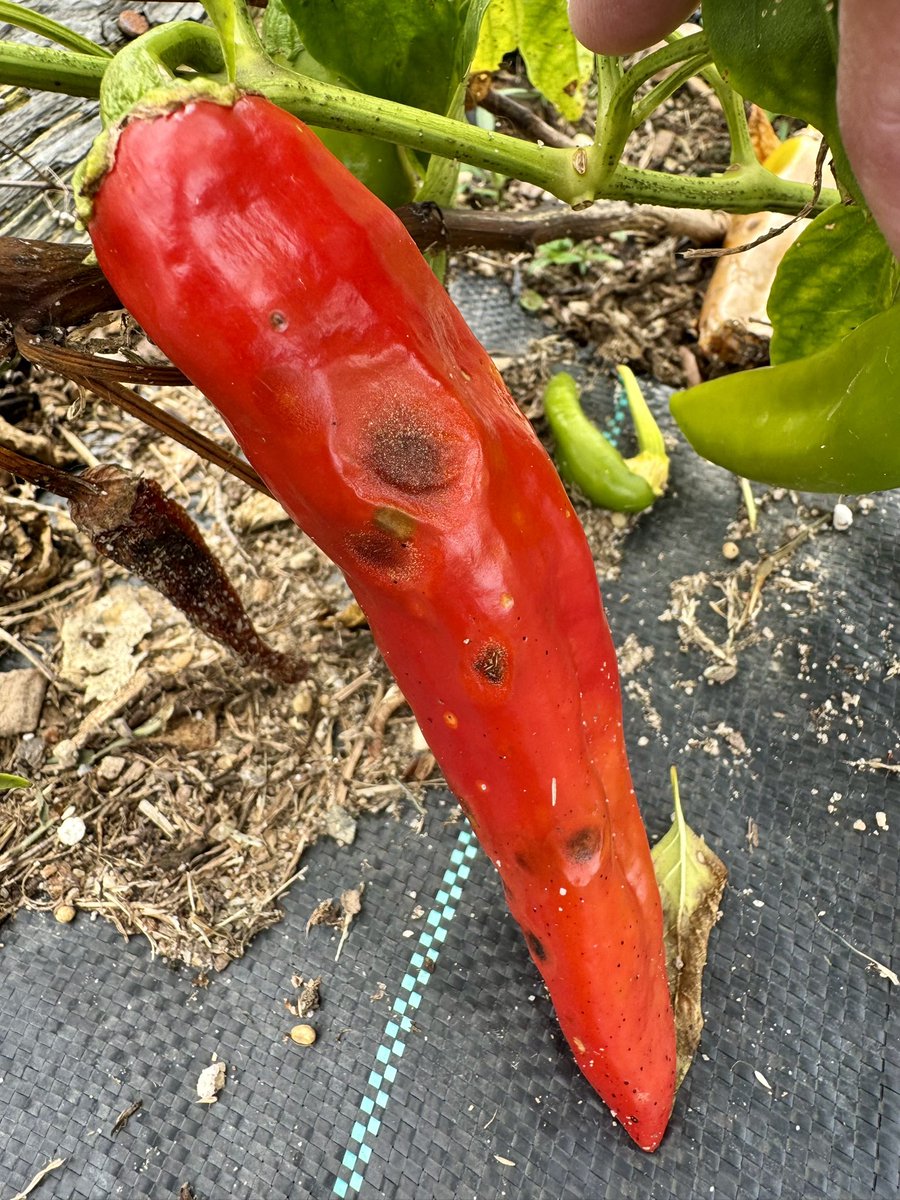
Anthracnose is a common fungal problem on red peppers w/t long ripening times. Sunken lesions form on fruit that b/c brown then black, often w/t pink -colored spores visible on the spots. Crop rotation, choosing early ripening varieties & fungicides are control options #Fungi
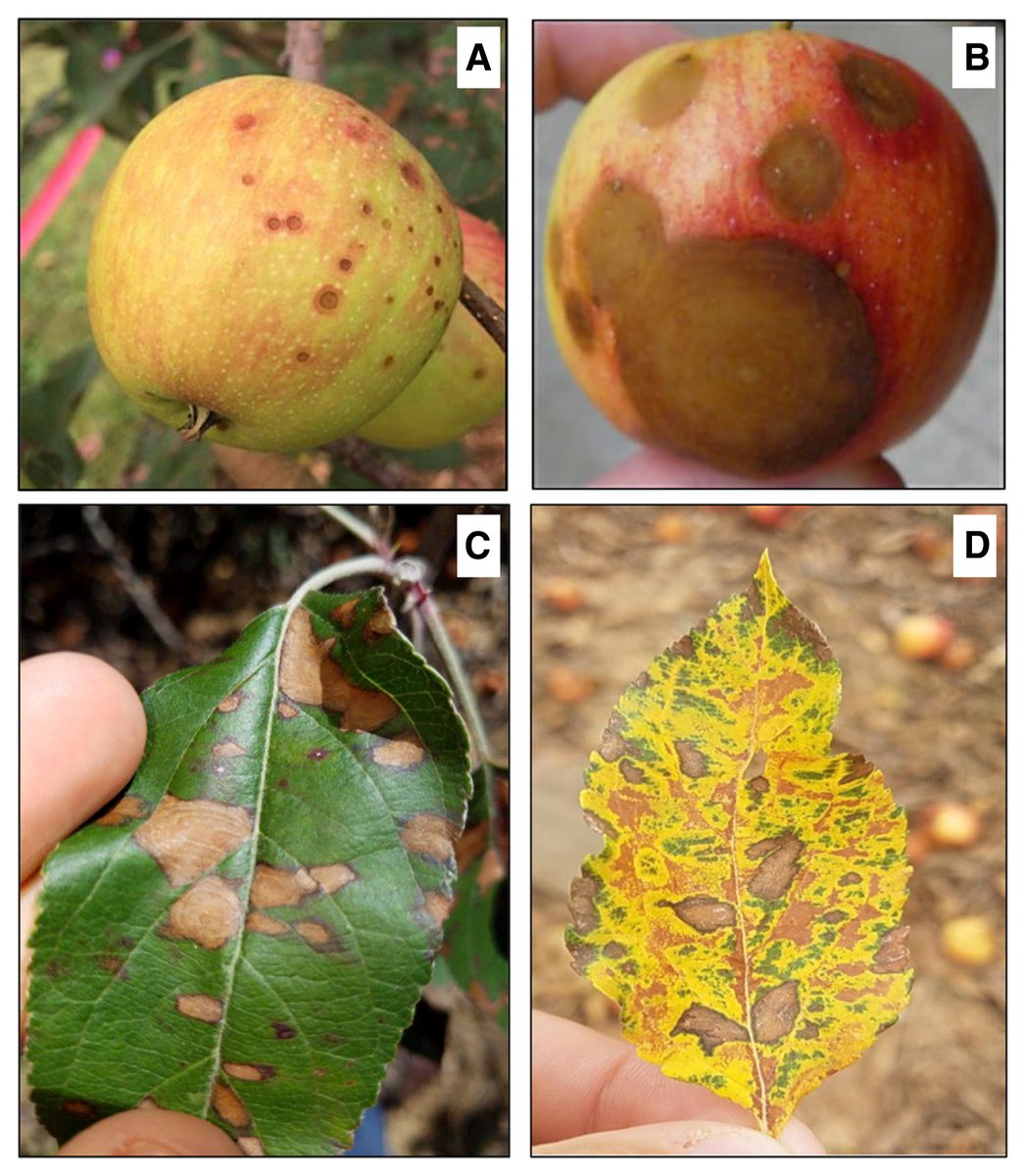
Field trials focusing on nonrotational fungicide programs were conducted by @JohnsonKendallA et al. to identify the most efficacious fungicides and/or FRAC groups for the management of Glomerella leaf spot and bitter rot on apple: https://t.co/aZJCd2RRpP







![PPLplantarum's tweet photo. 🌾 How will crops survive when drought, heat & CO₂ all rise together?
Unveiling herbaceous plant responses to future triple interaction of drought and elevated temperature and [CO 2 ]: systematic review and meta-analysis
https://t.co/or3G1NhYIs https://t.co/fTAnwdvQKf](https://pbs.twimg.com/media/G37UQ5tXQAARWtV.jpg)