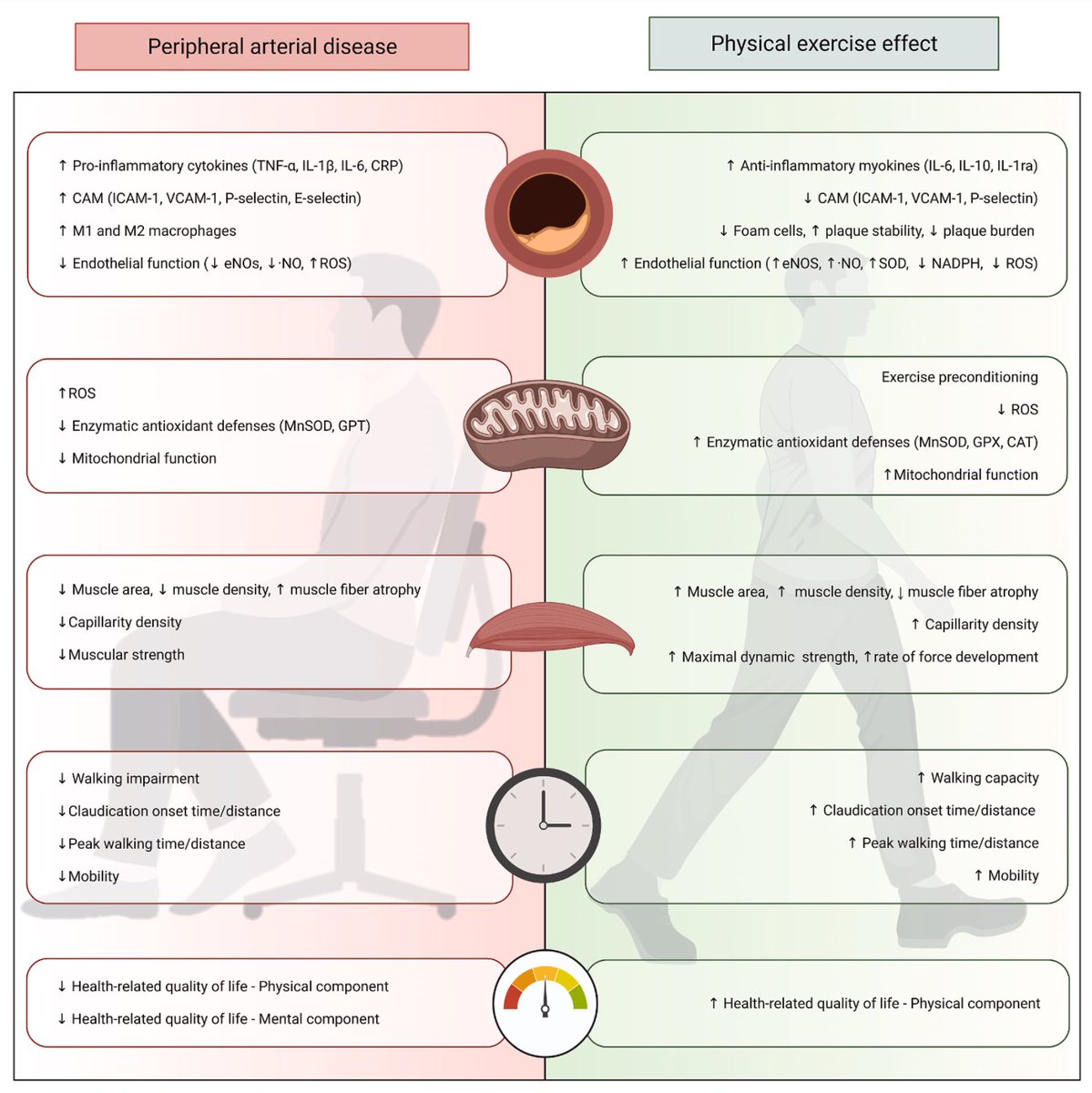
Exercise can play an important role in cancer management.
Traditional resistance training may support increases in lean mass, strength, and physical function during cancer treatment.
But could alternative resistance training methods (cluster sets, eccentric training, and blood flow restriction training) also play a role?
https://t.co/9NwZl62ggc
Interesting, This study shows older adults with both asthma and COPD don’t experience a faster decline in exercise capacity compared to those with just COPD. This shows the coexistence of both conditions may not worsen exercise ability as expected. @invinceible24#PSUClinExPhys
📢📰 Despite worse clinical and patient-reported outcomes, older adults with #asthma-#COPD coexistence do not have more severely impaired nor a faster rate of decline in #exercise capacity compared to those with COPD alone 🫁🚴♂️ https://t.co/bQkKd6ByUh @ERSpublications
Exercise can definitely be game changer for people living with Parkinson’s. This video is just amazing showing how different exercises can be used to help people living with Parkinson's. @invinceible24#PSUClinExPhys
Parkinsons disease is a disorder of the CNS that greatly affects movement, balance, and coordination.
Roughly 90,000 people are diagnosed with parkinsons each year.
Although there is no known cure for parkinsons, exercise can greatly benefit many Parkinsons symptoms like:
Gait
Balance
Tremor
Flexibility
Grip strength
Motor coordination
Cognition
Depression
Fatigue
Because parkinsons can affect movement patterns, it takes a little creativity when it comes to training design. In my experience, plenty of variety of movement goes a long way.
Would love to hear from anyone else using exercise to improve the quality of life for people with parkinsons.
#LTAD
Types of Stroke: Ischemic stroke and Hemorrhagic stroke via @PTFlashcards
References:
Cuccurullo, Sara. Physical Medicine and Rehabilitation Board Review. Demos, 2004.
O’Sullivan, Susan B., et al. Physical Rehabilitation. 6th ed, F.A. Davis Co, 2014.
#Stroke#MedEd#Medtwitter
🚨🔝JUST BRUTAL!!! Exercise is a great anti inflammatory. A 3 day in-hospital intervention modifies the the iinflammatory responses. Much more exercise is mandatory as adjuvant therapy in prevent/reverse the functional decline during ACE. @exerciseworks
https://t.co/AHs8TM2aKX
This study shows that just 5 extra minutes of exercise a day can help lower blood pressure. Sedentary kills, but a little daily activity can make a big difference. @invinceible24#PSUClinExPhys
5 minutes of daily exercise can lower your blood pressure. Sedentary kills.
A new Study used high accuracy wearables to track 24-hour movement behaviors in 14,761 mid-aged participants (mean age= 54.2 years).
Five minutes of additional exercise replacing any other behavior correlated with an average 0.68 and 0.54 mmHG decrease in systolic and diastolic blood pressures, respectively.
+ Participants were sedentary for 10.7 hours/day on average and only exercised for an average of 16 min/day.
+ Longer time sleeping or exercising correlated with lower systolic and diastolic blood pressure.
Clinically meaningful improvements of systolic blood pressure of 1mmHg and 2mmHg were achieved by reallocating 11 and 21 minutes of sedentary time.
Longer sleep time (15 and 27 minutes) had to be reallocated to exercise to achieve the same reductions in systolic blood pressure.
Research showing just 8 minutes of isometric training at 3x/week can significantly lower blood pressure. Definitely important to continue this research and keep in mind when programming. @invinceible24#PSUClinExPhys
Which is the best exercise modality for reducing resting Blood Pressure (BP)?
Isometric exercise training is the most effective mode to reduce resting BP.
A recent network meta-analysis of randomised controlled trials (RCTs) by Edwards and colleagues concluded that:
Isometric resistance training (IRT) was the most effective modality in reducing BP, with mean reductions of −8.2 mm Hg for systolic and −4.0 mm Hg for diastolic BP, followed by
Dynamic resistance training (DRT −4.6/–3.0 mm Hg),
Concurrent exercise training (–6.0/–2.5 mm Hg),
Aerobic exercise training (AET −4.5/–2.5 mm Hg) and
High-intensity interval training (HIIT –4.1/–2.5 mm Hg).
Wall sit is the best
8 minutes of isometric exercises, three times a week can result in significant reduction in blood pressure.
Maintain the "sit or squat" pose for two minutes, then take a 2-minute break, then again sit for 2 minutes, followed by a 2-minute break. Continue until you have completed a total of 8 minutes of wall sit.
Do "wall-sit" on three days a week for maximum benefits (on BP reduction).
(It is important to note that one should continue other exercises as per the guidelines or recommendations.)
Reference: https://t.co/XOjX1c4HXw
(Disclaimer: This is a general advice. Please consult your physician for the best advice for individual cases of hypertension.)
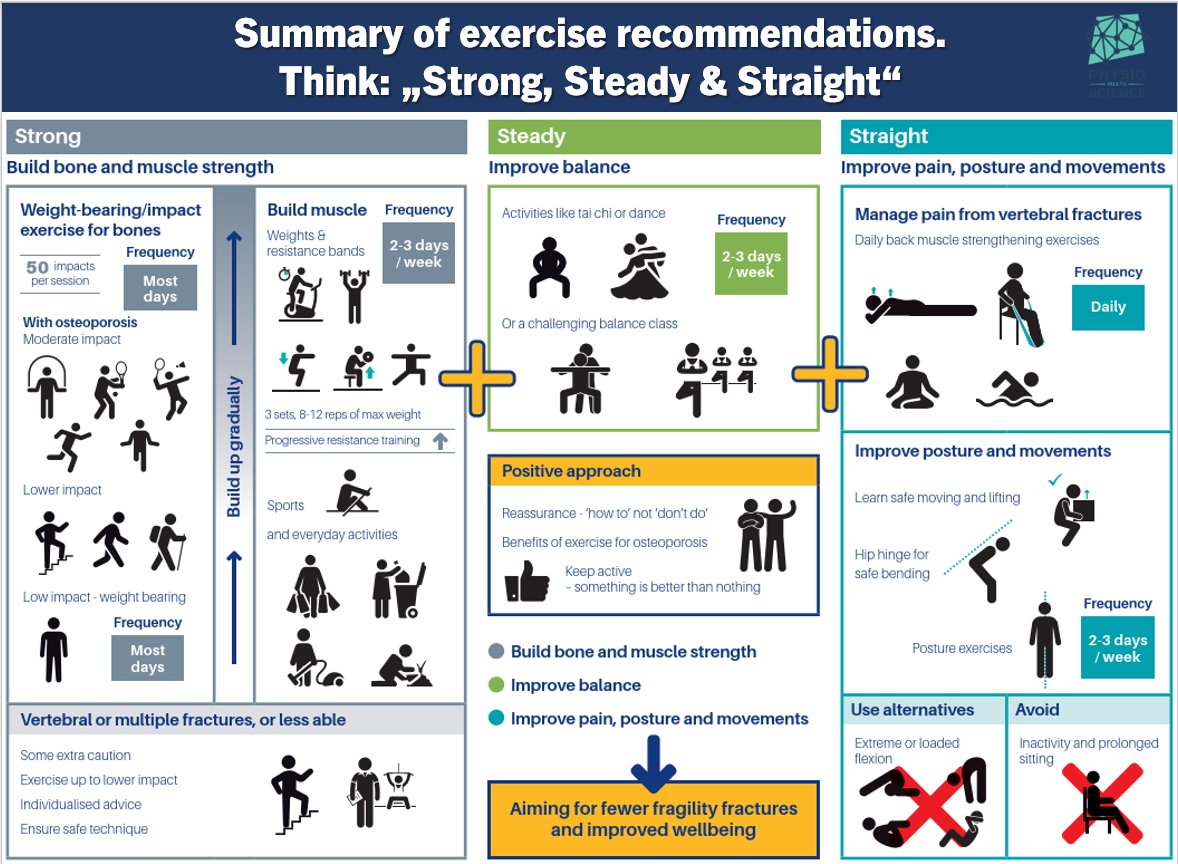
Exercise is a great way to set yourself up for a stronger and slower decline as you age. If you start now your future self will benefit from it and be thankful.
Aging better isn’t about avoiding decline altogether.
It about:
- Starting at a higher peak
- Slowing the rate of decline
- And delaying disability for longer
Exercise is the key to unlocking all three outcomes.
Build resilience now, thrive later.
Even light movement and short bursts of effort have health benefits. Every bit counts, and doing something is always better than nothing. @invinceible24#PSUClinExPhys
Are our physical activity guidelines due for a rethink?
Current guidelines are based on decades-old data from imprecise tools like questionnaires.
Newer data shows even small doses of activity has significant health benefits:
- Light-intensity activities, like slow walking or house chores, can lower the risk of chronic diseases such as heart disease and diabetes, similar to more intense exercise
- Short bursts of lifestyle activity, like climbing stairs or hurrying to catch a bus, are linked to lower mortality and cancer rates
- Step counts as little as 4,000–5,000 per day are associated with reduced risks of mortality, cardiovascular disease, and dementia
The science is clear: some exercise is good, more is better.
It’s time for guidelines to include the benefits of low-dose strategies for better health outcomes.
Men may see slightly greater absolute gains but women build muscle just as effectively in relative terms, especially in Type II fibers. Resistance training works. @invinceible24#PSUClinExPhys
Resistance training: the most potent tool for muscle growth.
But do men and women benefit equally?
Our new meta-analysis led by @MartinRefalo found:
➡️ Men saw slightly greater absolute muscle growth
➡️ Relative gains were nearly identical between sexes
➡️ Type I muscle fibre growth slightly favored men, but Type II growth was the same
Women can build muscle just as effectively as men.
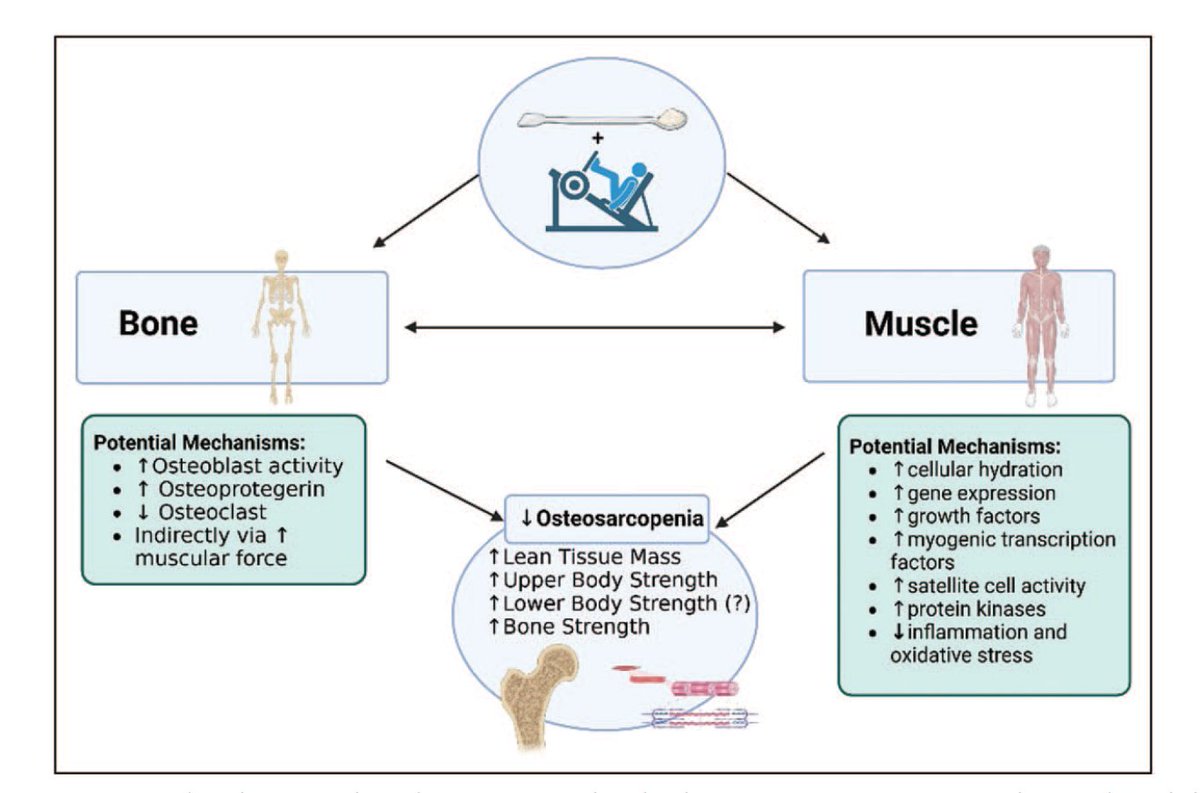
Creatine + resistance training:
A powerful duo for muscle - and maybe even bone.
Creatine may support bone health in two ways:
🦴 Directly: By altering bone geometry (not BMD), potentially reducing fracture risk
💪 Indirectly: By increasing muscle mass, leading to greater bone loading
Current evidence shows creatine can enhance muscle and bone in healthy older adults.
But - more data is needed in those with sarcopenia, osteoporosis, or osteosarcopenia.
Aerobic exercise doesn’t just decrease the size of fat cells, it improves their quality. It does this by reducing inflammation and boosting lipid metabolism. @invinceible24#PSUClinExPhys
Exercise transforms fat cells—not just reduces them.
Short-term aerobic training altered the profile of white adipose (fat) tissue in sedentary overweight women, independent of changes in body weight or fat mass.
These molecular-level shifts:
- Reduced local inflammation
- And increased lipid metabolism
This suggests health benefits of aerobic exercise may occur through improved fat cell quality, not just quantity.
It’s easy to get caught up in the hype:
- Cardio vs. weights
- Zone 2 vs. HIIT cardio
- Heavy vs. light weights
But here’s the reality:
The health benefits of different exercise types are more alike than different.
So just do something, and do it often.
And make it enjoyable—most of the time.
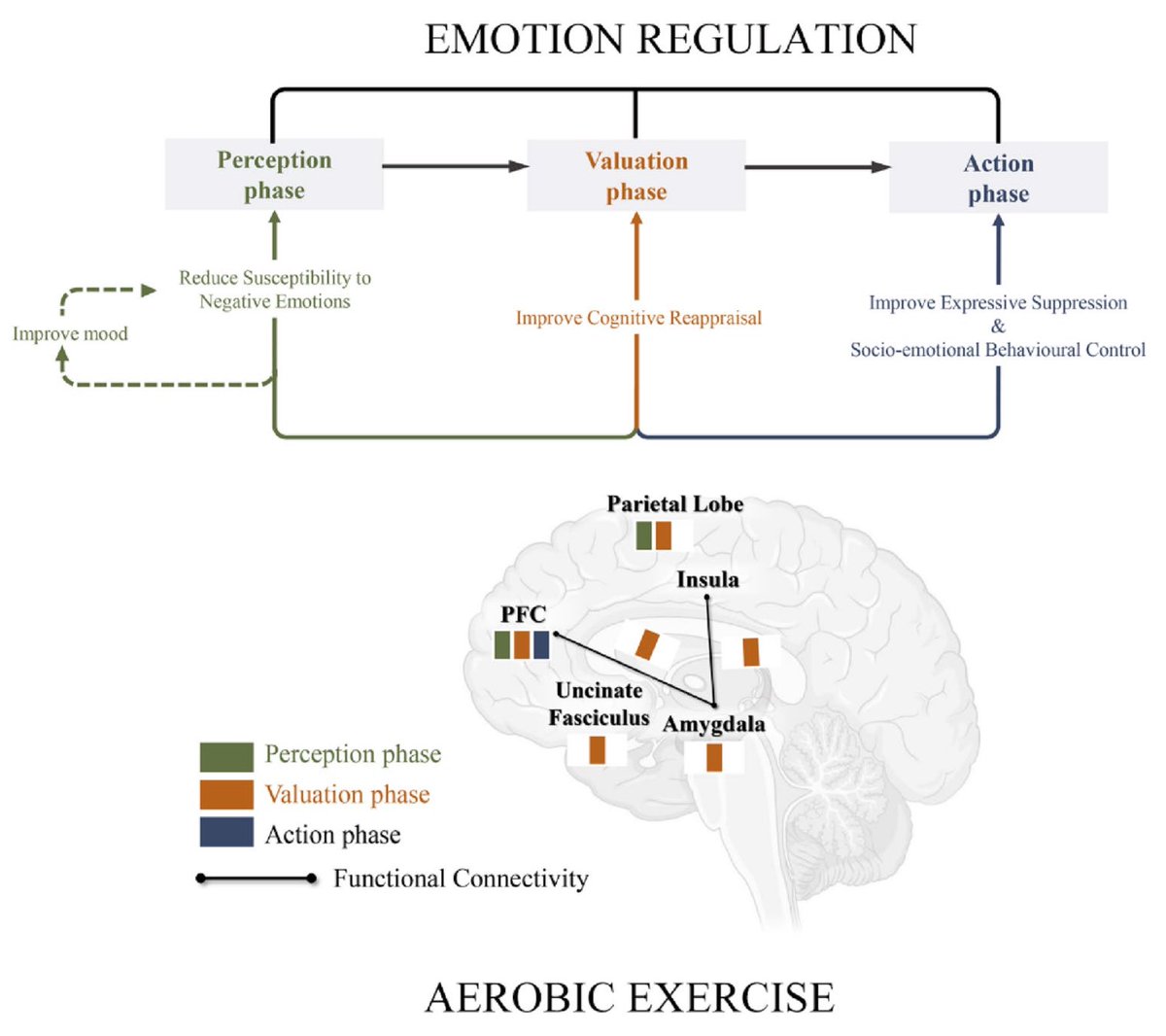
Exercise not only benefits the body but the brain health too by promoting neuron growth from myokines. Another reason to make physical activity a regular part of our routine! Get info under this post to better understand. @invinceible24#PSUClinExPhys
This is powerful! Combining exercise and creatine could improve the effects of antidepressant treatments by offering a more natural approach to managing depression. @invinceible24#PSUClinExPhys
Exercise has similar antidepressant effects to medications & therapy.
Creatine bolsters the antidepressants effects of first-line treatments.
We need to combine exercise and creatine to treat depression.