Resistance training: the most potent tool for muscle growth.
But do men and women benefit equally?
Our new meta-analysis led by @MartinRefalo found:
➡️ Men saw slightly greater absolute muscle growth
➡️ Relative gains were nearly identical between sexes
➡️ Type I muscle fibre growth slightly favored men, but Type II growth was the same
Women can build muscle just as effectively as men.
How does it “feel” to lift to failure?
And why does it matter?
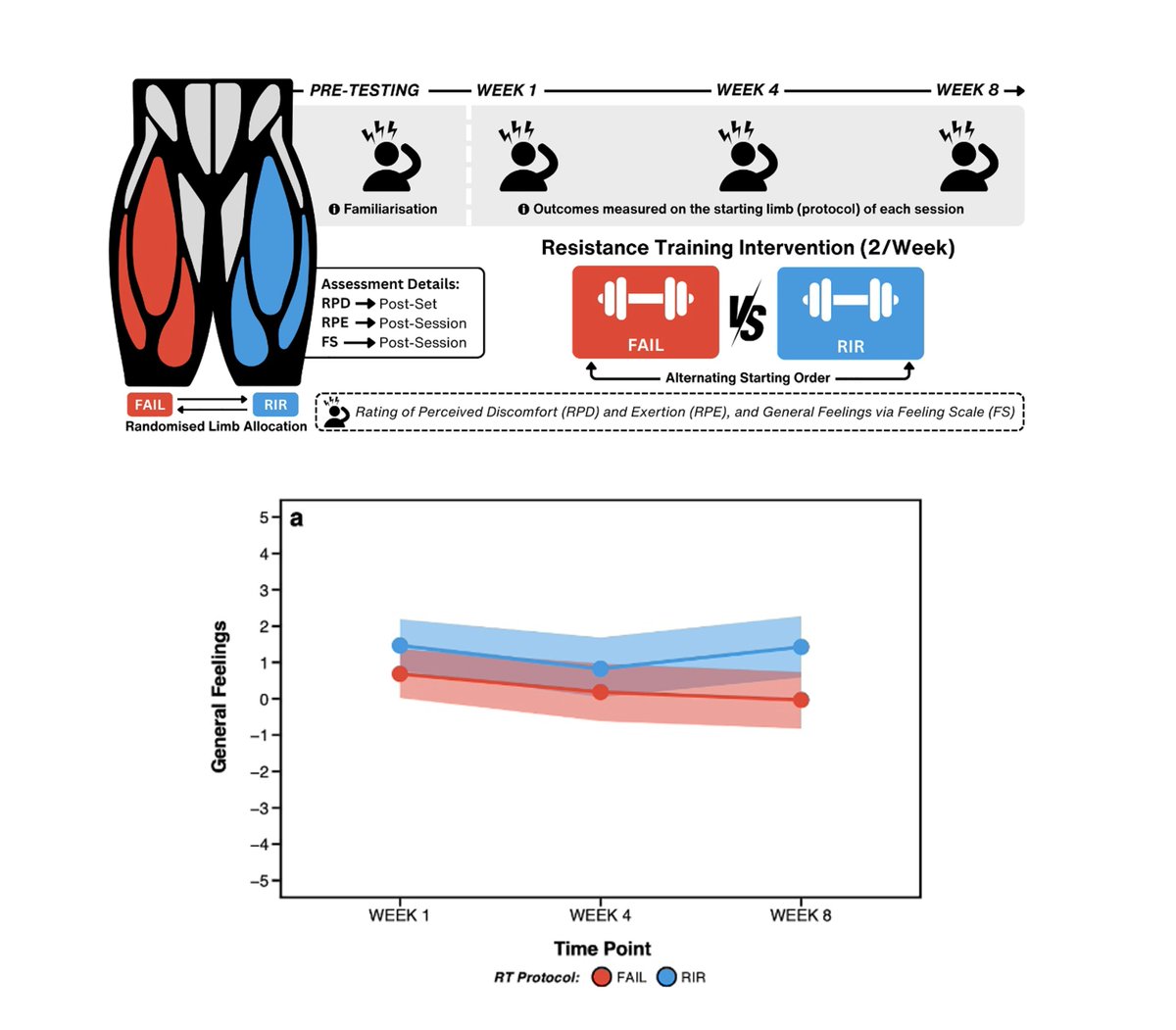
Our new study in trained lifters shows lifting to failure (vs. stopping 1-2 reps short):
- Increases perceived discomfort and exertion
- Worsens general feelings that increase over time
- Promotes variable responses between individuals
The take home?
Lifters who find failure unpleasant may benefit from stopping 1-2 reps short, achieving similar hypertrophy while possibly supporting long-term adherence.
https://t.co/vbxBOd9mhw
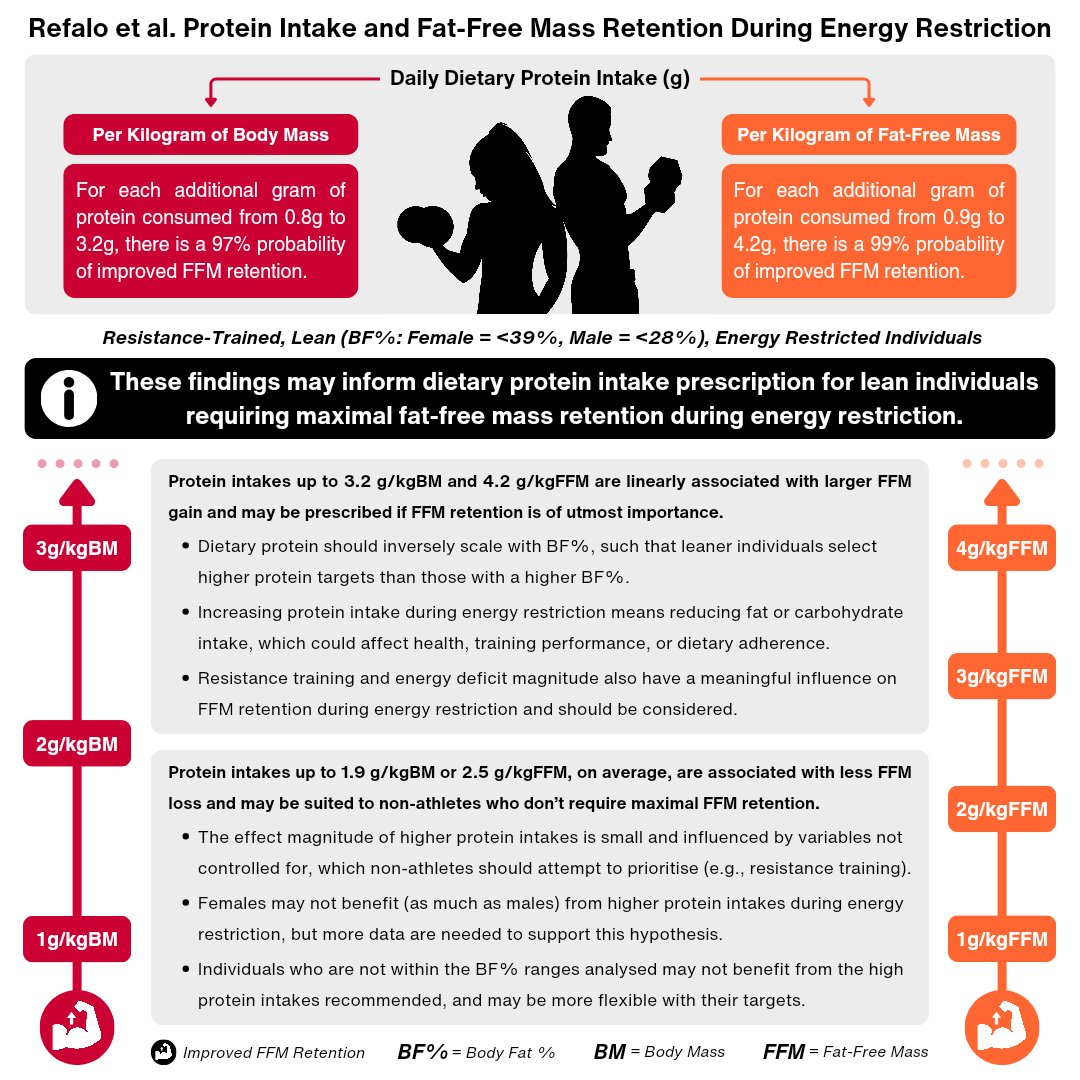
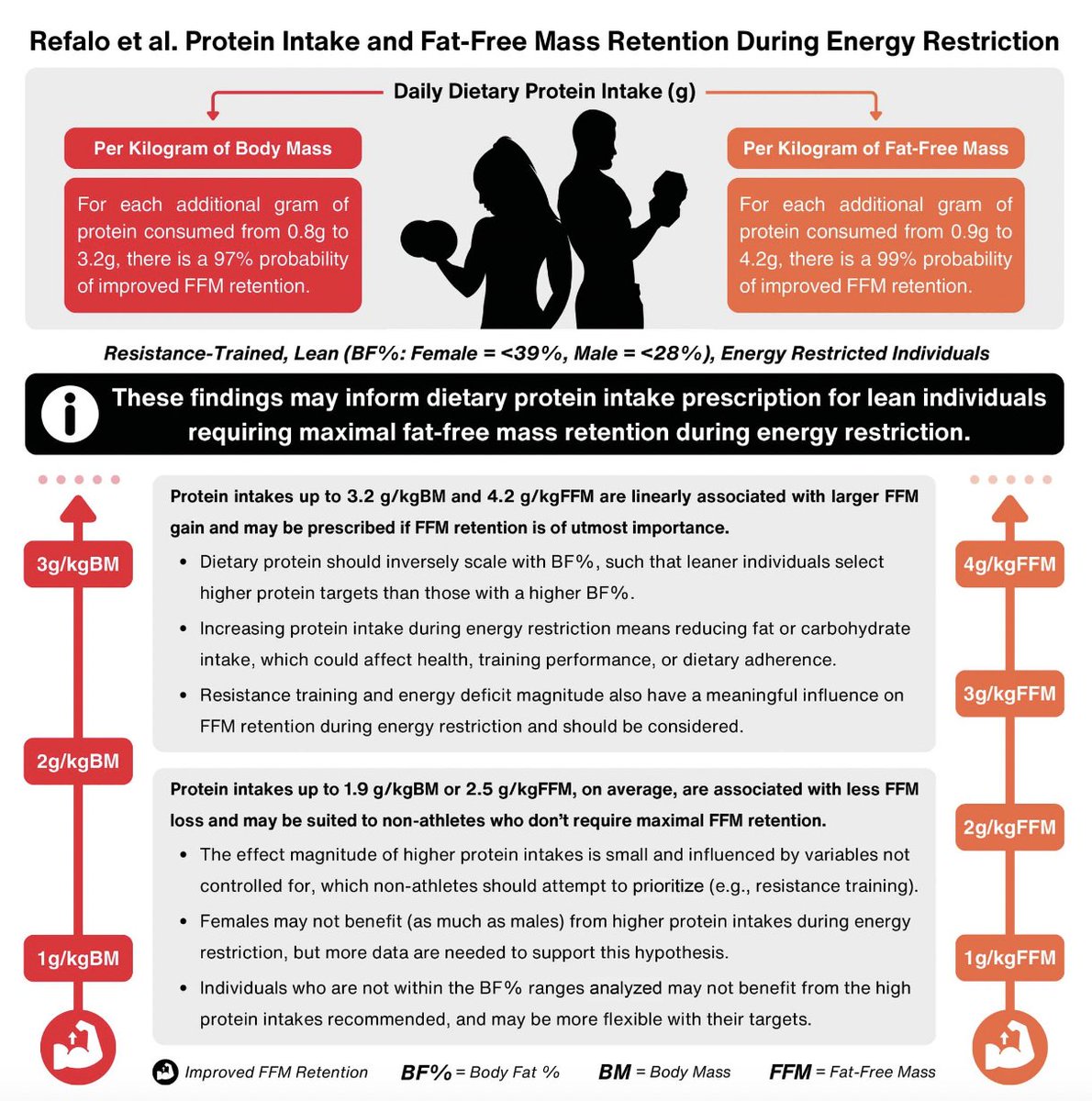
New study looking at the impact of protein intake on fat-free mass retention during energy restriction now open access in the Strength and Conditioning Journal.
Check it out!
https://t.co/insRdt8YXD
@EricTrexler
New meta indicates protein requirements may be as high as ~3 g/kg/d to optimize FFM retention during energy restriction. Note that FFM doesn't necessary = muscle mass. Also, protein intake from self-report may not be accurate. Interesting nonetheless...
https://t.co/7qeuLFiYFI
New meta indicates protein requirements may be as high as ~3 g/kg/d to optimize FFM retention during energy restriction. Note that FFM doesn't necessary = muscle mass. Also, protein intake from self-report may not be accurate. Interesting nonetheless...
https://t.co/7qeuLFiYFI
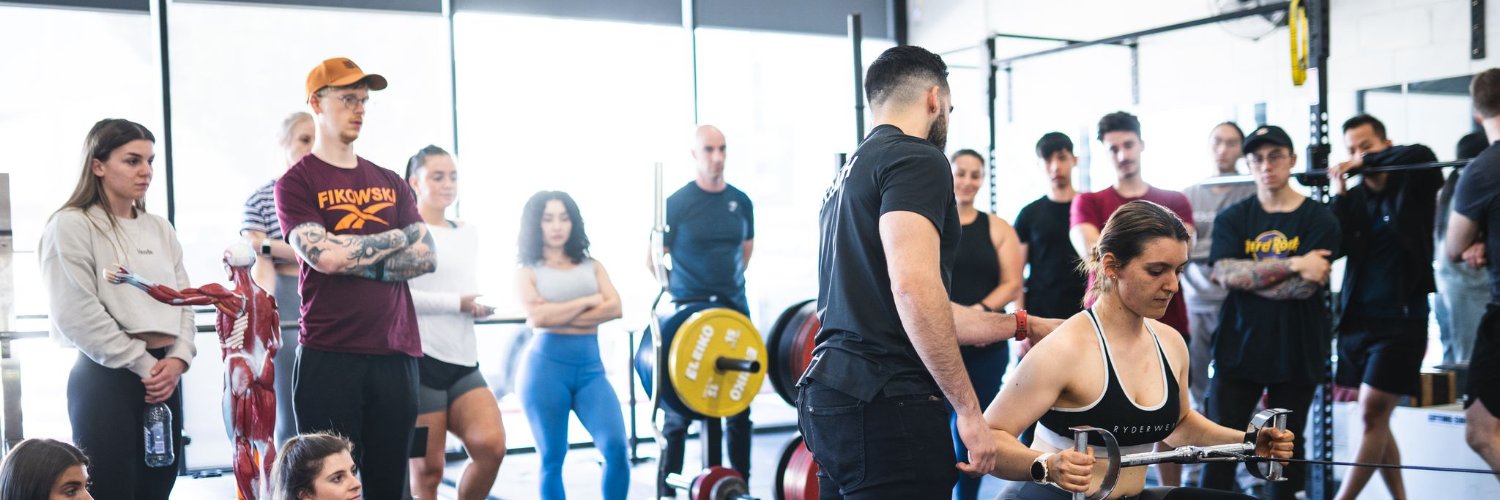
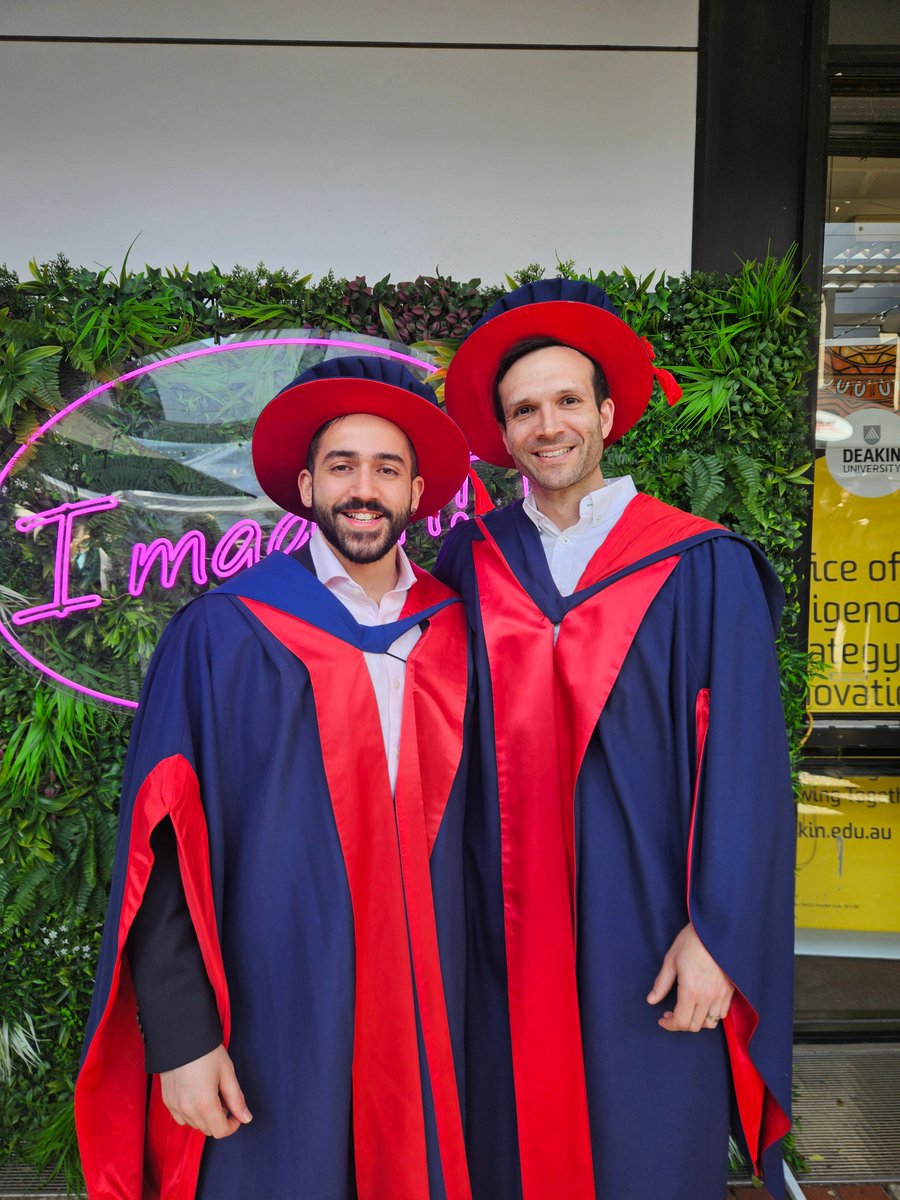
⌛ 3 x years of dedicated work
🔬 2 x original research studies
📃 6 x peer-reviewed journal articles
👨💻 And of course 1 x very proud supervisor
🎓 Congratulations, Dr Martin Refalo!
Training to failure isn’t needed to max gains?
Some people believe that you must take every set to failure in order to maximize muscle gains, but emerging literature suggests this may not be the case
A new study examined training to failure vs stopping 1 to 2 reps shy of failure & found that the participants gained the same amount of muscle mass from both training styles
There are several strengths to this study. First of all, they used a unilateral design where each participant was their own control by training one leg taking each set to failure and stopping 1-2 reps shy on the other. This helps negate any genetic induced differences since each person is acting as their own control
Second, they matched training volumes to the participants previous volumes. This is a HUGE strength that is often overlooked in other studies
Third, they used participants that were well trained (at least 3 years resistance training experience)
Fourth, they had them all eat in a slight calorie surplus
This adds to a growing body of literature demonstrating that training to absolute failure isn’t needed for gains & is likely counterproductive for optimal strength gains due to excess fatigue
Interestingly, each group had no difference in total reps performed. That may seem strange when one group is going to failure but the other is stopping 1-2 reps shy. This can be explained by lower inter-set fatigue in the non failure group. For example if a failure group hits failure at 10 reps in set 1, they may only get 8 on the next set, and 6 on the next set. Whereas they might have been able to do 8 reps every set if they didn’t go to all out failure. As such, if you do train to failure I recommend only going to failure on your very last set of an exercise
If you want to know how to implement this sort of programming make sure you check out the Biolayne Workoit Builder to get access to all my evidence based programs to help you get strong AF & build muscle 👊
https://t.co/ptrzE34UVH