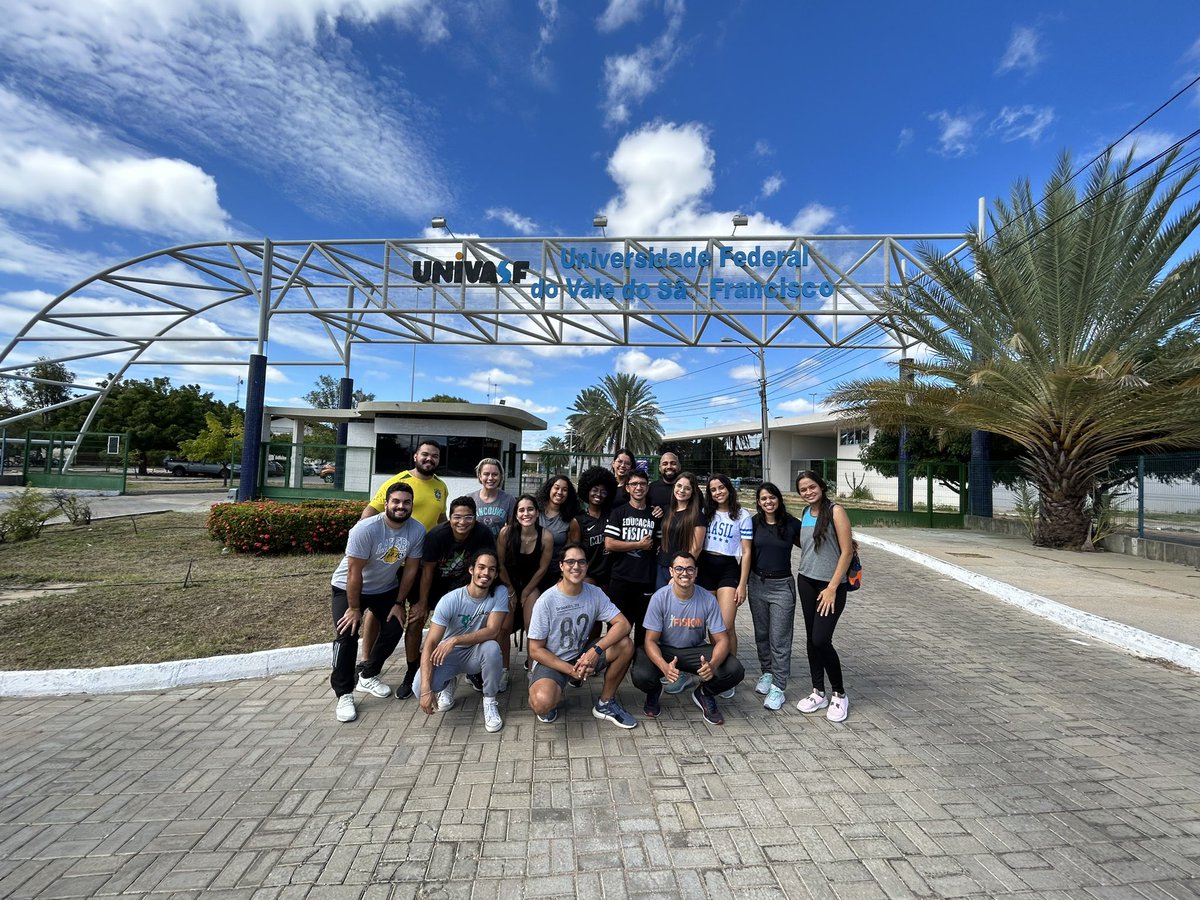
Professor at Universidade Federal do Vale do São Francisco (Univasf), Brazil
Editorial Board Member of @JNHA6
Physical Activity, Exercise and Healthy Ageing
Men and women don’t always fall for the same reasons. Curious why? Check out this student-created animation on sex differences in falls and fall risk among older adults: https://t.co/iaDqe182FZ #Falls#OlderAdults#ScienceCommunication
This position statement provides contemporary, evidence-informed recommendations to guide exercise prescription for anterior cruciate ligament injury prevention.
Our meta-analysis, led by @ExerciseBiology, compared power training (performing the concentric phase explosively with a controlled eccentric action) vs traditional strength training tempos in adults aged 60 years and older. Results indicated that power training produced a modest but potentially meaningful improvement in physical function compared with traditional strength training (SMD = 0.30).
Improvements were observed in tasks related to mobility and daily living, such as chair rises, stair climbing, and walking performance. Power training also appeared to improve self-reported physical function, although the certainty of evidence for this outcome was low. The implications are particularly important for older adults because muscle power declines more rapidly with aging and is more strongly associated with functional independence than maximal strength alone.
From a practical standpoint, the results suggest a benefit to dedicating at least a portion of a resistance training program to power-type training.
https://t.co/PFh9lmhqv8
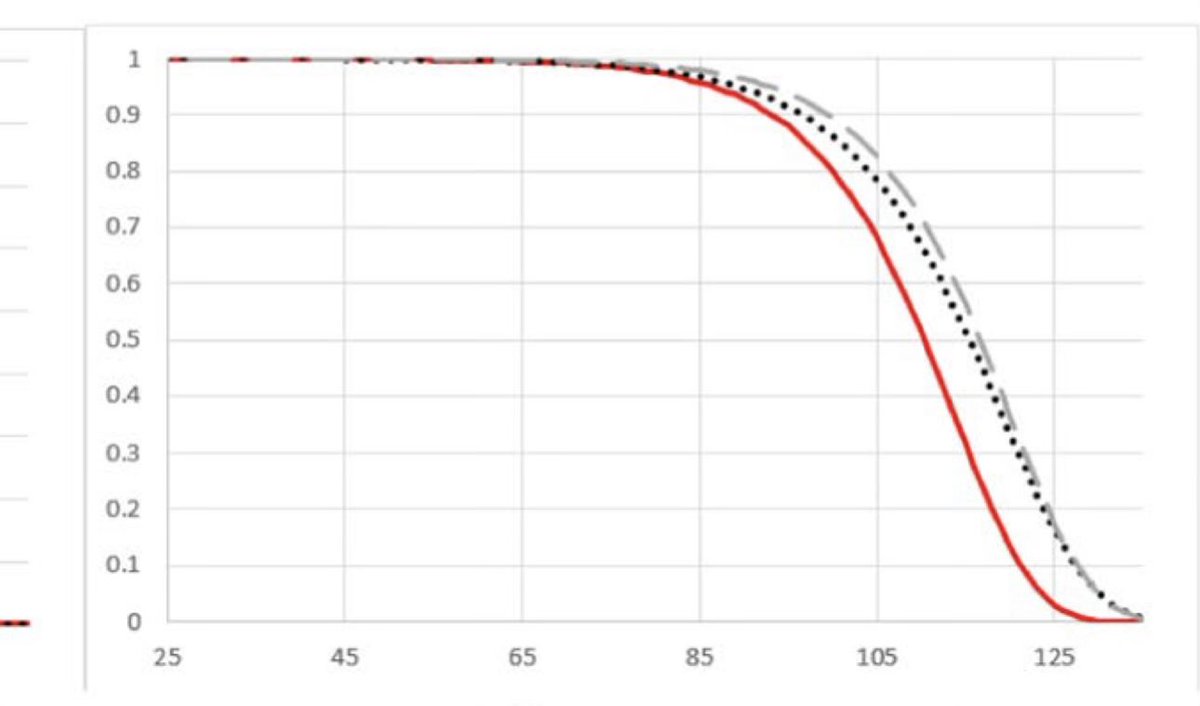
Lifespan is the headline, healthspan is the key subtext. We chase lifespan because it is measurable.
What people actually want is healthspan. Years of capacity, not decline.
Avg healthy life expectancy globally: ~63 to 65 yrs. Avg lifespan: ~73 yrs. That gap is the story.
Biomechanical changes and recovery following a half-marathon 🏃♀️
⚠️ Implications for training and injury prevention in recreational runners
NEW #PhDAcademyAward 🏆
👉 https://t.co/IKfO7jHcEX
🚨 Sit-to-stand test emerges as a powerful prognostic factor of future health outcomes 📈
Different versions, measurement properties and future perspectives 🤔
NEW #BJSMEditorial 📄
Link ➡️ https://t.co/TSvKARHmvF
Physical activity and biological age measured by DNA methylation clocks: a systematic review and meta-analysis - The Lancet Healthy Longevity https://t.co/07HhXFqL7M
Aerobic exercise, intensive blood pressure and cholesterol reduction, or both did not show differences in cognitive function improvement over 24 months among older adults with family history of #dementia or subjective #cognitive decline.
https://t.co/mrae3QVhzN
A new paper says lifespan gains will be small due to our biology
That’s true - if we don’t change. But if we can change our biological age, the equation changes
In 1700, we couldn’t imagine moving faster than a horse. Biology ruled. Then came the steam engine 🚂 🏎️ 🚀…
Age-related loss of muscle mass: cause and treatment
Sarcopenia is the age-related loss of skeletal muscle mass. Unfortunately, in older people, this age-related decline in muscle mass and strength causes instability and increases the risk of falls and potentially a loss of independence. Understanding the mechanisms responsible for sarcopenia is essential for both prevention and treatment of this problem. For details, check out this recent review
https://t.co/mhxbPjyaqg
Aerobic exercise, intensive blood pressure and cholesterol reduction, or both did not show differences in cognitive function improvement over 24 months among older adults with family history of #dementia or subjective #cognitive decline.
https://t.co/nH3dncXeV5
The debate is not how to lift, it's whether you lift! A 🧵
1/10 Resistance training works. For all practical purposes, everyone gets stronger. That is a BIG deal.
https://t.co/yBfzL3AAve
To accelerate innovation in "Insights on geroscience pre-clinical and clinical trials to promote healthy aging from the Intrinsic Capacity, Frailty and Sarcopenia Research Task Force 2025" https://t.co/eC2VtzTdfy @brunovellas@RollandYves2
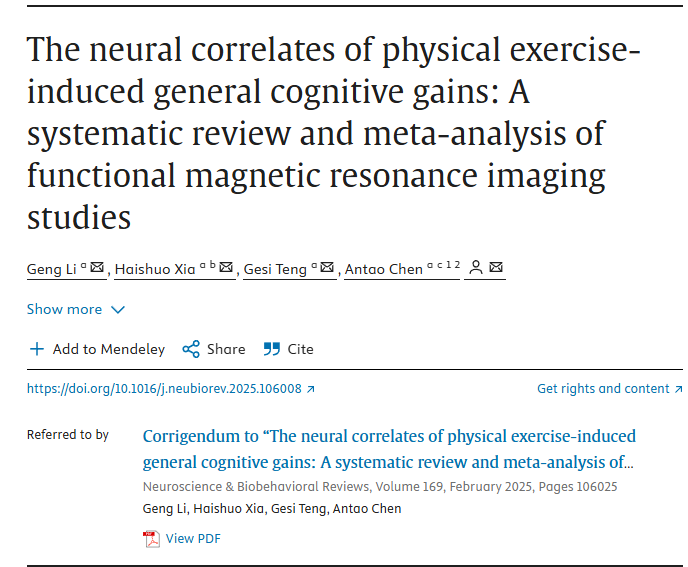
Exercise Literally Rewires Your Brain
Science just confirmed what your body already knows.
Here’s what a massive meta-analysis (52 studies, 1503 people) found:
1. Exercise boosts cognitive performance
• Measurable improvement (Hedges’ g = 0.271)
• Works across multiple thinking skills, not just one
2. Your brain becomes more active
• Strongest changes in the bilateral precuneus
• A key region for attention, memory, and self-processing
3. More brain activation = better thinking
• Direct positive link between brain activity and performance
• Not just correlation, but functional improvement
4. How you exercise matters
• Intensity affects brain response
• Consistency (adherence) strengthens results
• Social workouts may enhance brain engagement
5. This supports “whole-brain” benefits
• Exercise improves multiple cognitive domains
• Backed by real neural evidence, not just behavior
Move your body, upgrade your brain. Every workout is a neurological investment.