#Residency#Match2026 season is here! Have you applied to WashU Genetics @WashUMedGen? It is a gem in Midwest and no, I am not biased!
Follow our IG page to learn more about us:
https://t.co/5xkJIdmyz4
The cycle of life, every instant, in your mitochondria.
The major electron carrier in mitochondria is NAD+. When it collects an electron from the food you eat, NAD+ is converted into NADH. NADH then feeds the electron to the electron transport chain so the electron can flow to oxygen - the ultimate electron acceptor.
How easily electrons make their way to oxygen determines energy resistance (éR) following the energy resistance principle (ERP) https://t.co/eAL6i73l09
Mitochondrial matrix and cell cytoplasm are two different "sealed" compartments, but there is a special system that connects the NAD+/NADH pools between mito and cytoplasm: the Malate-Aspartate shuttle
The Malate-Aspartate shuttle shown below is how NADH from the cytoplasm (made by glycolysis) is carried into mitochondria. The electron transport chain can then regenerate NAD+ by respiring the flowing electron.
Everywhere in biology: energy transfer. Sometimes without molecular carriers. Here with a number of enzymatic intermediates, creating an integrated electrical circuit.
The circuit is in service of the flowing electron looking for a place to rest. Getting back onto oxygen to become H2O (water) again, as it was initially before getting ripped off by light energy and stuck onto a carbon backbone in a green leaf.
Animation by @janetiwasa lab
https://t.co/V7R07dVJbi
Abstract submission deadline for 2025 #Mitochondrial#Medicine@UMDF is March 31
https://t.co/7ZmH1TGLzT
SciMed Scholarships and talks available from abstracts
June 18-21, 2025 in St Louis by the Arch
One of the most inspiring conferences I have been to!
Please RT
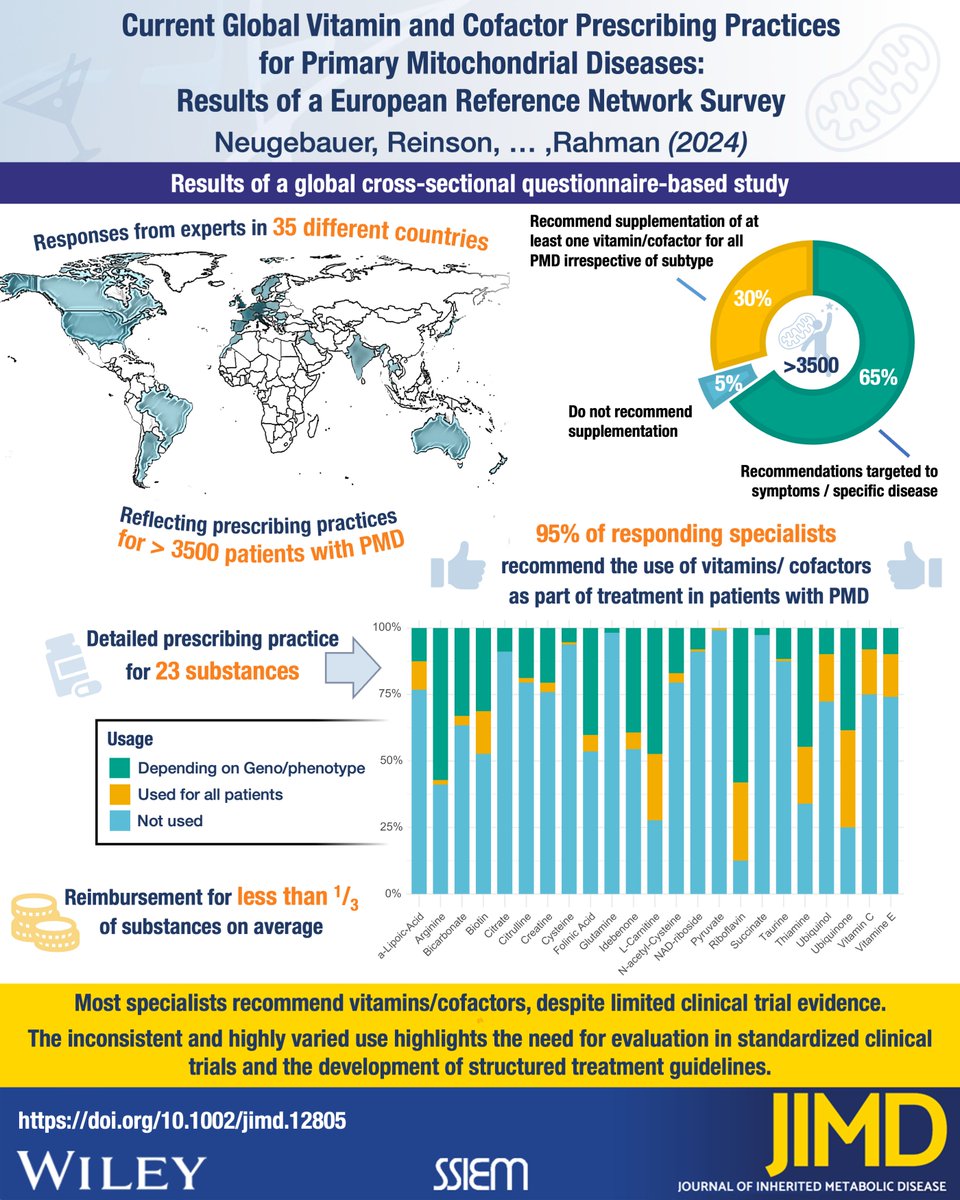
Mito disease management is largely symptomatic. A subset respond well to specific vitamins or cofactors, but evidence of benefit in most is poor although prescribing is common.
A survey of global vitamin & cofactor prescribing practices in PMD.
👉 https://t.co/yorFRVERGI
As part of the PHEFREE Rare Disease Clinical Research Consortium, Dr. Kathy Grange and Desiree White published initial observations in the natural history of PAH deficiency https://t.co/9JKzBBgaJN
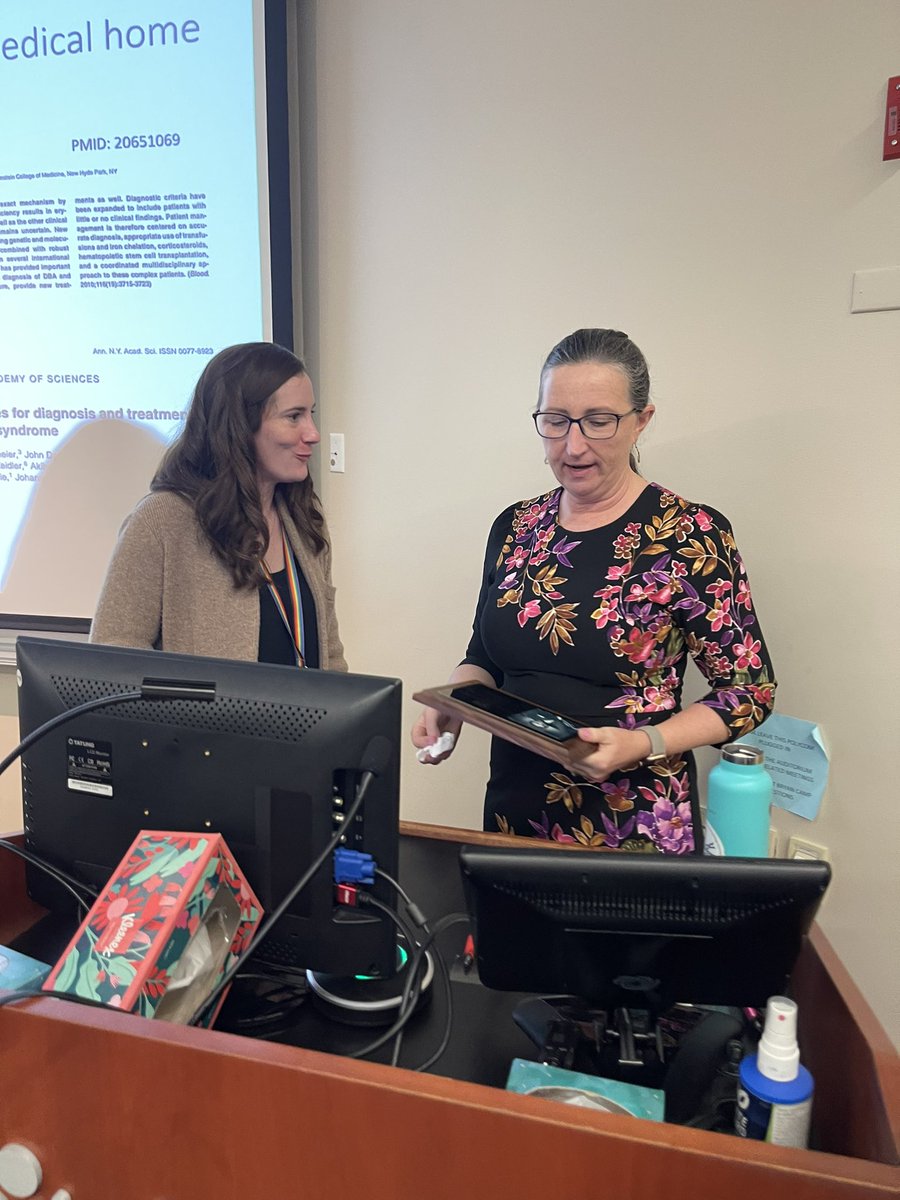
An amazing Donald Thurston Lectureship grand rounds talk from an inspiring physician-scientist and mentor, @SharonSavageMD, on bone marrow failure syndromes for the general pediatrician. We were honored to have you with us at @WashU_PedsRes!
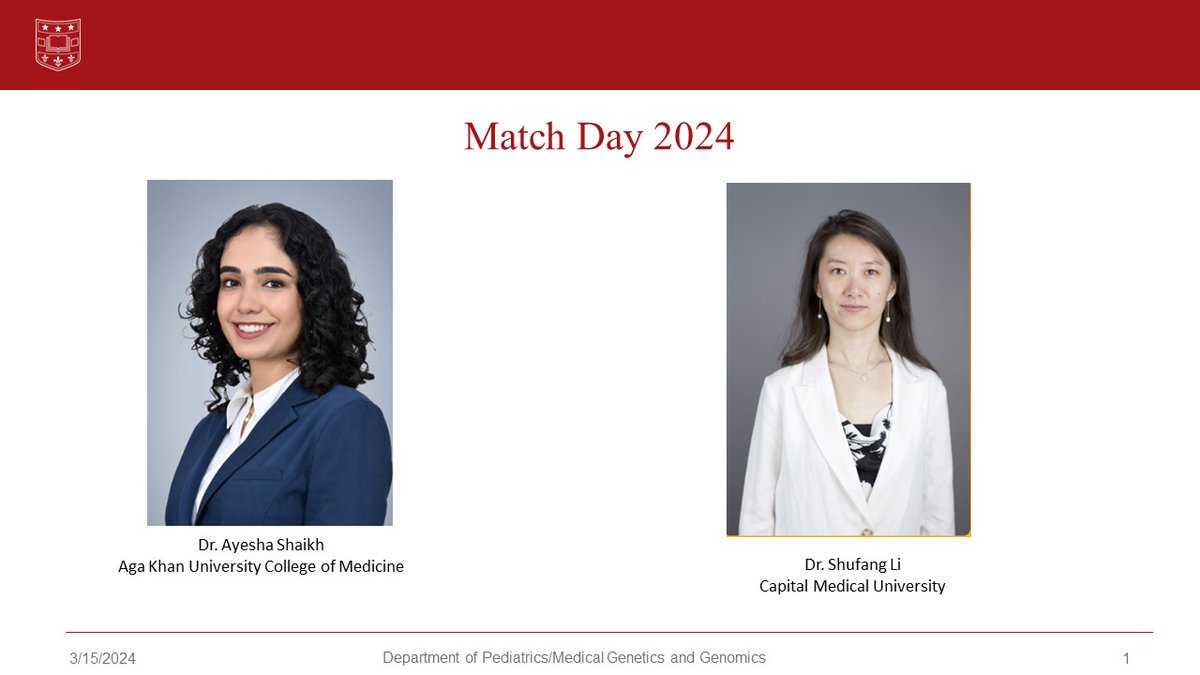
We are thrilled to announce our #Match2024 Pediatrics-Genetics combined residency match results @WUSTLPeds! Welcome Drs. Shufang Li and Ayesha Shaikh! @STLChildrens
We looked at DiscovEHR exome data using a genome-first approach. This largest FA heterozygote study shows that heterozygous carriers (except for FA genes with known AD cancer predisposition) are not associated with an increased cancer risk. @GIMJournal
https://t.co/jrLYOx5kc2
Don’t miss Lisa McReynolds, MD PhD at #ASH23 workshop on Germline Predisposition to Hematopoietic Malignancies and BMF on Dec 8, sharing the results of our genome-first population study investigating the cancer risk in people w/ heterozygous FA variants. Paper coming out soon!🧬
Congratulations to Megan A. Cooper, MD, PhD, named Director of the Division of Rheumatology & Immunology at #WashUMed. Her lab research identifies genetic causes of rare pediatric immune disorders, uncovering two new conditions and their genetic origins. https://t.co/oS7I179rcK
Cancer risk in heterozygotes of 15 #FanconiAnemia genes not increased (except in known CPGs BRCA1/2, PALB2, BRIP1, RAD51C). Many FA relatives can breath a sigh of relief. Led by Dr Lisa McReynolds #NCI_ClinicalGenetics @NCIEpiTraining @FAresearchfund symposium #FARF23
Almost at the end of my month in the PICU that was demanding both physically and emotionally. Ton of learning from great fellows and attendings, fascinating medicine. Can’t wait for the second round just in 3 months!