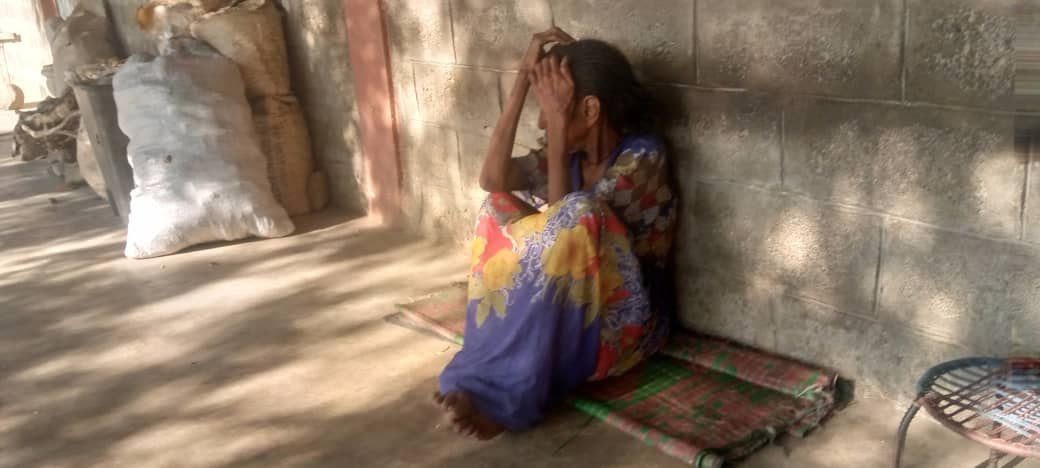
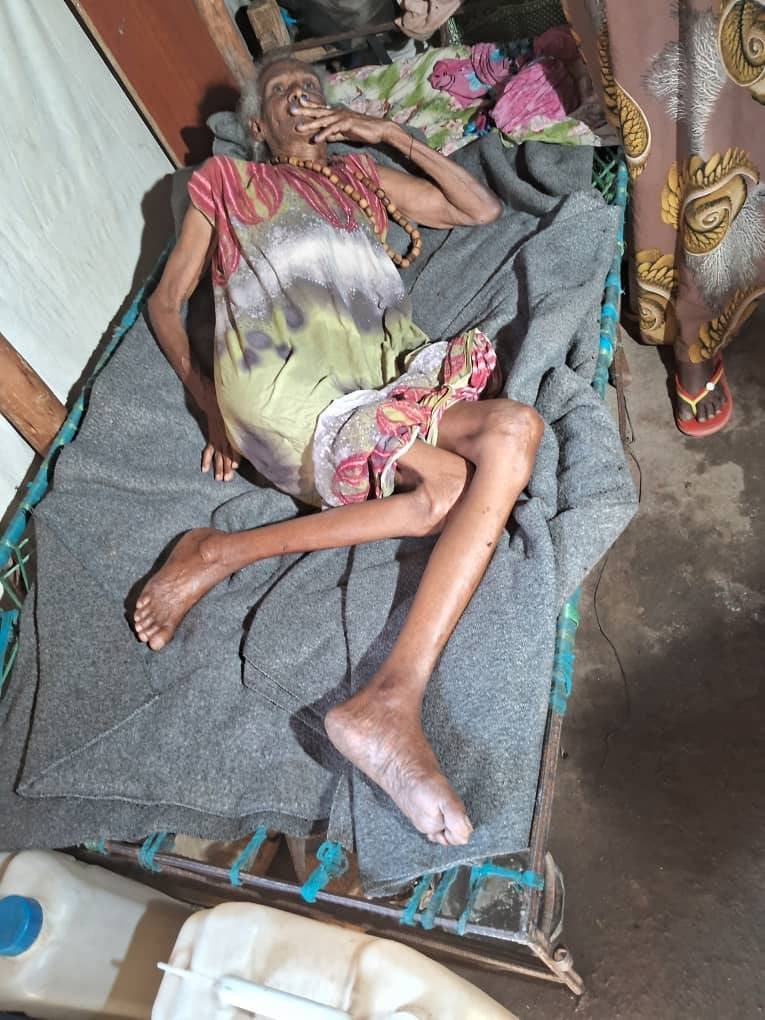
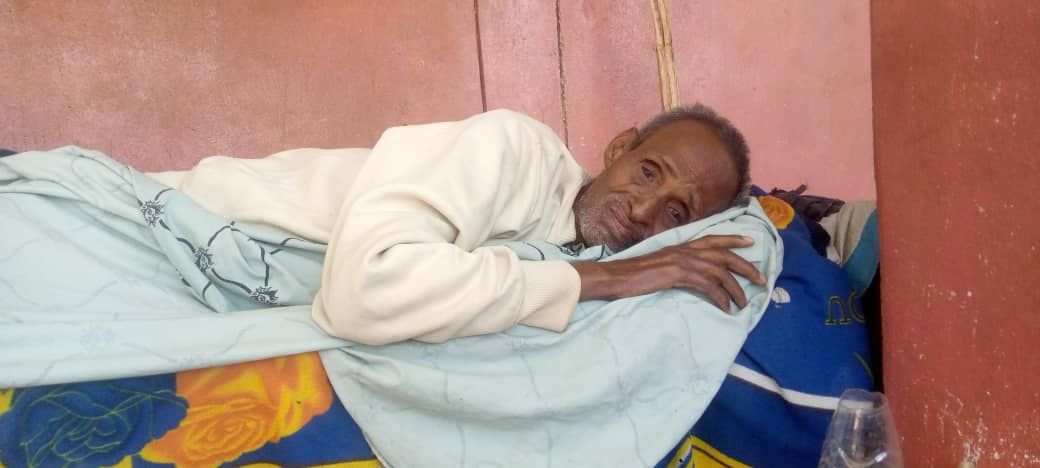
Even though she survived the genocidal war & the recent famine-related deaths, our mother has died today at her IDP shelter, located in the famine-stricken village of Hitsate #Tigray. RIP
Saddened to hear her death before justice is served to her and other victims of injustice
Tigrayan Massacre Survivors Fear Renewed War
“We are a wounded people. Our wounds have yet to heal,” Abeba Desalegn told @GlobeandMail. “The people of #Tigray have yet to get any justice from the last war. To launch another war would be the end of us.” 1/
https://t.co/v3gvMRheup
Day 1958 of the #TigrayGenocide:
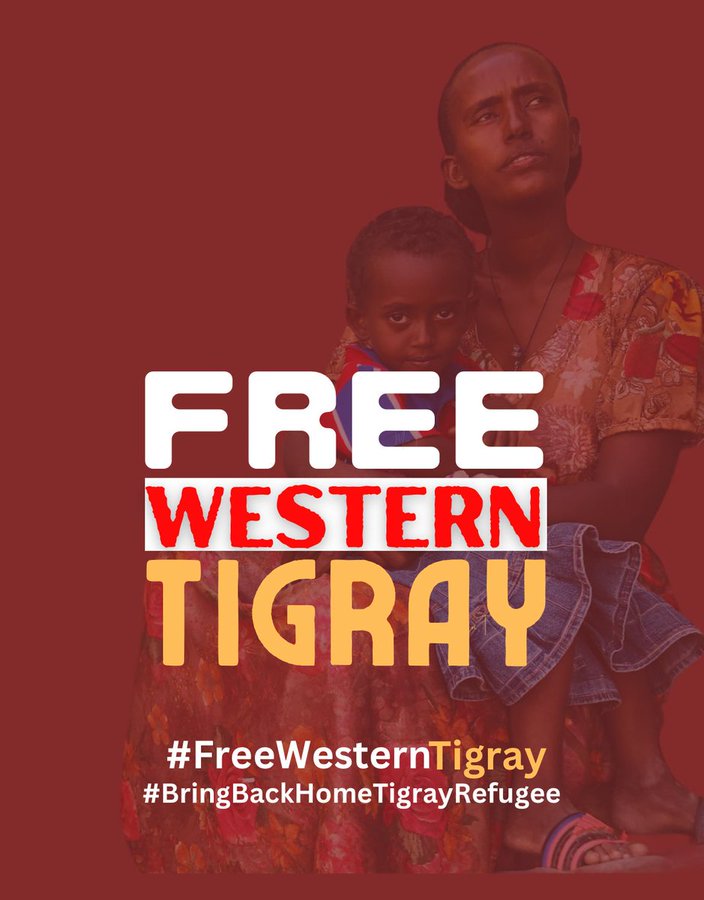
Nearly one-third of #Tigray’s territory remains under occupation. More than two million #Tigrayan IDPs are displaced, trapped in temporary shelters without the conditions necessary for safe and voluntary return.
#AmharaOutOfTigray
‼️ A report by Physicians for Human Rights and the Organization for Justice & Accountability in the Horn of Africa highlights patterns of conflict-related sexual & reproductive violence documented during the war.
#Justice4TigrayWomenAndGirls@UN_Women@UN_HRC@IntlCrimCourt
Who is starving to death the people of Western #Tigray in #Ethiopia and, in effect, continuing to ethnically cleanse them? Answer: everyone through a conspiracy of federal punishment and infighting among Tigrayan authorities. What a betrayal! https://t.co/MK5FYhWHLD
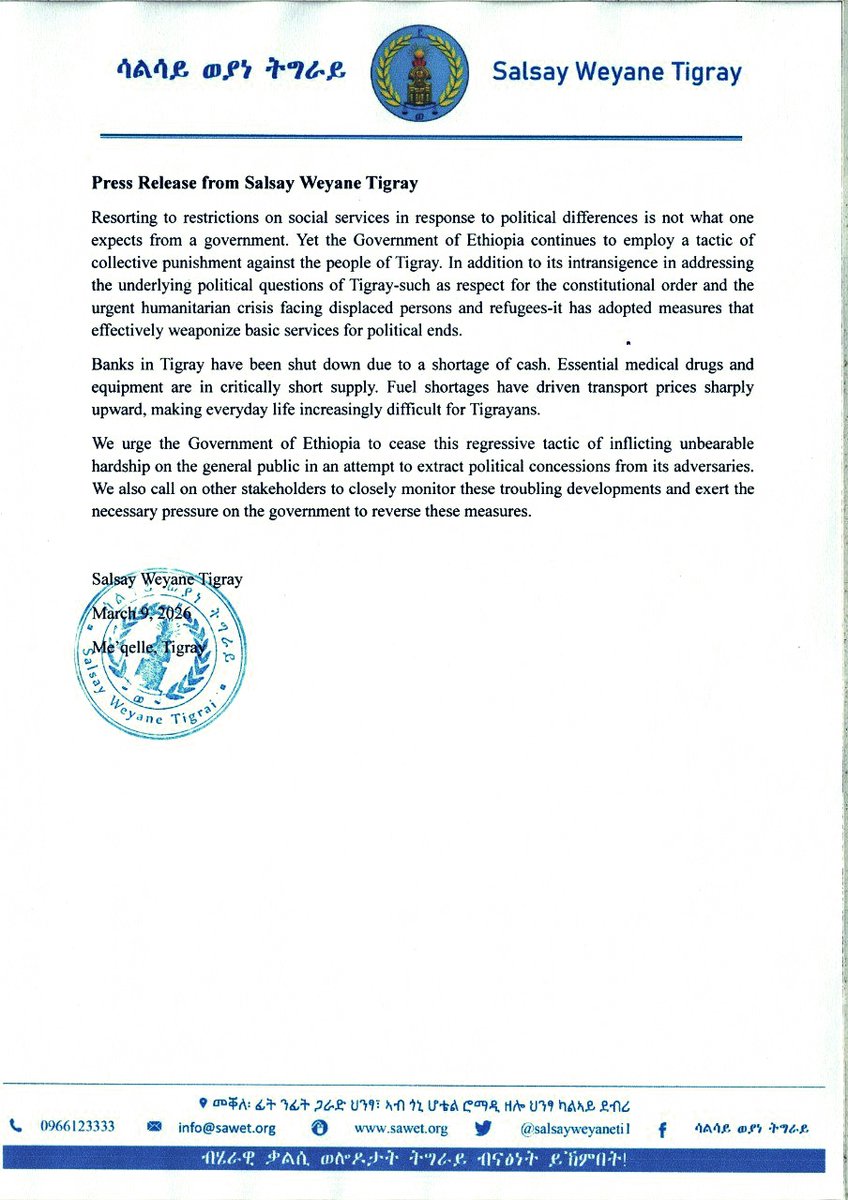
Tigray: Collective Punishment Used as Political Leverage
“#Ethiopia continues to employ a tactic of collective punishment against the people of #Tigray, regressive tactic of inflicting unbearable hardship on the general public in an attempt to extract political concessions.”
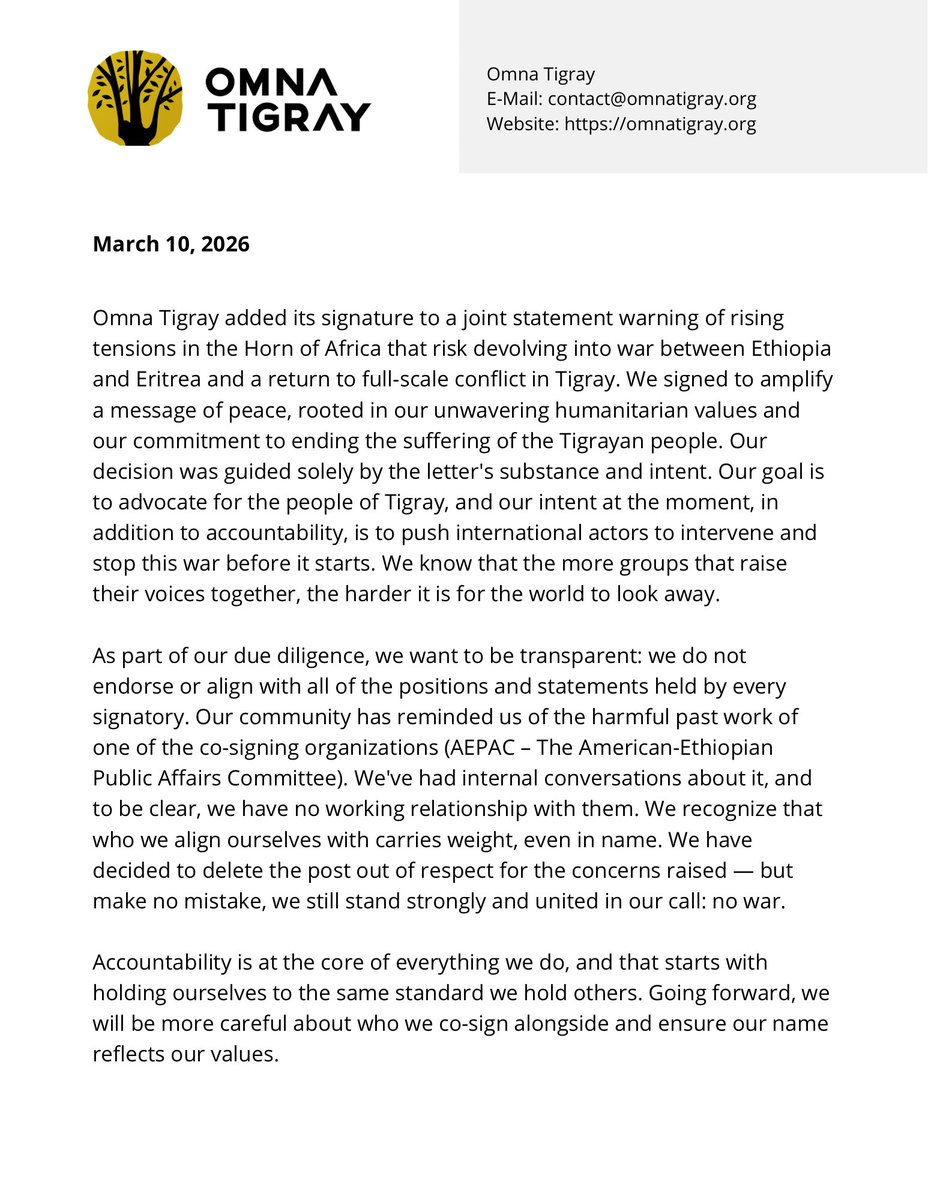
Omna Tigray added its signature to a joint statement warning of rising tensions in the Horn of Africa that risk devolving into war between Ethiopia and Eritrea and a return to full-scale conflict in Tigray. We signed to amplify a message of peace, rooted in our unwavering humanitarian values and our commitment to ending the suffering of the Tigrayan people. Our decision was guided solely by the letter's substance and intent. Our goal is to advocate for the people of Tigray, and our intent at the moment, in addition to accountability, is to push international actors to intervene and stop this war before it starts. We know that the more groups that raise their voices together, the harder it is for the world to look away.
As part of our due diligence, we want to be transparent: we do not endorse or align with all of the positions and statements held by every signatory. Our community has reminded us of the harmful past work of one of the co-signing organizations @AmericaEthiopia. We've had internal conversations about it, and to be clear, we have no working relationship with them. We recognize that who we align ourselves with carries weight, even in name. We have decided to delete the post out of respect for the concerns raised — but make no mistake, we still stand strongly and united in our call: no war.
Accountability is at the core of everything we do, and that starts with holding ourselves to the same standard we hold others. Going forward, we will be more careful about who we co-sign alongside and ensure our name reflects our values.
Tigray’s Schools Near Closure as Ethiopia Freezes Budget
@KirosGu: “Since Oct 2025, the Gov’t of #Ethiopia has withheld Tigray’s constitutionally allocated federal budget subsidy. As a direct consequence, #Tigray is currently unable to pay teachers’ salaries on a regular basis.”
#Op_ed: Lost Generation: Destruction of education in #Tigray, impact on girls
https://t.co/RYDWeiGiRy
In this op-ed written on behalf of GEM Tigray, Batseba Seifu examines how the war that began in Tigray in November 2020 has devastated the region’s education system, with girls bearing a disproportionate share of the consequences and an entire generation of female learners now at risk. She notes, “The interruption of learning has created a ‘lost generation’ whose educational foundation, particularly among adolescent girls, has been severely weakened.”
The author details how the conflict destroyed school infrastructure, looted teaching materials, displaced educators, and rendered learning environments unsafe. Citing a report from the Tigray Education Bureau, Batseba underscores that nearly half of the region’s children remain out of school, with girls especially vulnerable to permanent dropout due to increased domestic responsibilities, economic hardship, and persistent insecurity. She further highlights that widespread, systematic sexual violence has created additional obstacles to girls’ return to school, while damaged facilities—particularly #WASH infrastructure—and lasting psychological trauma intensify these challenges.
While international and local organizations have begun the arduous task of rebuilding schools and providing psychosocial care, the author cautions that “millions of girls remain without safe access to instruction.” She emphasizes, “Education is not merely a service—for Tigrayan girls, it is a lifeline, a shield, and a bridge to a future free from the constraints of inequality.”
More than 6,600 IDPs at the Addi Mehammedai IDP camp are on the verge of death from hunger and disease. Those who escaped the massacres in Western Tigray and managed to reach IDP camps in the rest of Tigray are now perishing in silence.
https://t.co/0cAdfiP9bh
The #Ethiopian regime is using the #Pretoria agreement to continue silent genocide in #Tigrai especially the IDPs of Western #Tigray. 1.6 million people would not die silently. Now is the time put meaningful pressure on Abiy Ahmed. Desperate times calls for desperate measures.
Dear all,
Inlight of what’s going on in refugee and IDP camps housing #Tigrayan brothers, sisters, mothers and fathers, I have written what feel is a workable approach for long term rehabilitation. The executive summary from my upcoming op-ed is given below . Feel free to leave your feedback.
👐🏾 ህፃፅ in my mind 👐🏾
👐🏾 Hitsas Sudan Refugees in my mind👐🏾
From Aid Dependence to Dignified Self‑Reliance: A roadmap for accountable and sustainable rehabilitation for Tigrayan IDPs and refugees
Executive Summary
Tigrayans displaced inside Tigray and those sheltering as refugees in Sudan and elsewhere face a protracted crisis: overcrowded camps, fires, floods, dwindling assistance, and fragile returns with limited services. Short‑term relief saved lives in the first years of displacement, but these people now need a decisive pivot to sustainable, locally grounded rehabilitation. For those in IDP camps, they need rehabilitation built on area‑specific resource mapping, cooperative micro‑enterprise, climate‑smart small‑scale irrigation, and skills pathways linked to real markets- based on availability of resources.
Evidence shows safety nets alone cannot reduce long‑term vulnerabilities in conflict‑affected settings without complementary investments in livelihoods, public services, and peace (1-3).
This shift must be matched by transparent oversight of fundraising and aid flows. Recurrent reports of opaque collections, informal “taxes,” and diversions erode trust and disempower communities. Some have made it a means of income and wealth when natural disasters occurs they flood the social media with fundraising campaigns on to accounts that don’t muster any accountability. Tigray needs to make such actions illegal. More over, Tigray needs to have anti‑corruption architecture that provides legal and institutional tools; humanitarian integrity standards, independent audits, complaint channels, and whistleblower protections. The Justice Bureau and regional anti‑corruption bodies should register all fundraising initiatives, require periodic disclosures, and prosecute coercion or diversion (4-6).
The pathway forward rests on two pillars:
(1) durable livelihood restoration: based on availability of resources, creating projects that are women‑ and youth‑led (could be cooperatives or micro‑enterprises) and
(2) robust accountability: community oversight and enforceable transparency.
Together, these measures can move displaced Tigrayans from dependency to dignified self‑reliance while ensuring every contribution or donation serves its intended purpose (7-8).
👐🏾 Please help the refugees at Hitsas Sudan Refugees camp ASAP. People are dying from hunger & lack of medicine👐🏾
@WHO@DrTedros@WFP@WFPChief@UN_Sudan@umasalam@unicefssudan@UNOCHA_Sudan@AsstSecStateAF@TiborPNagyJr@DawitSeyoum14
Dozens of IDPs Die of Starvation In Tigray
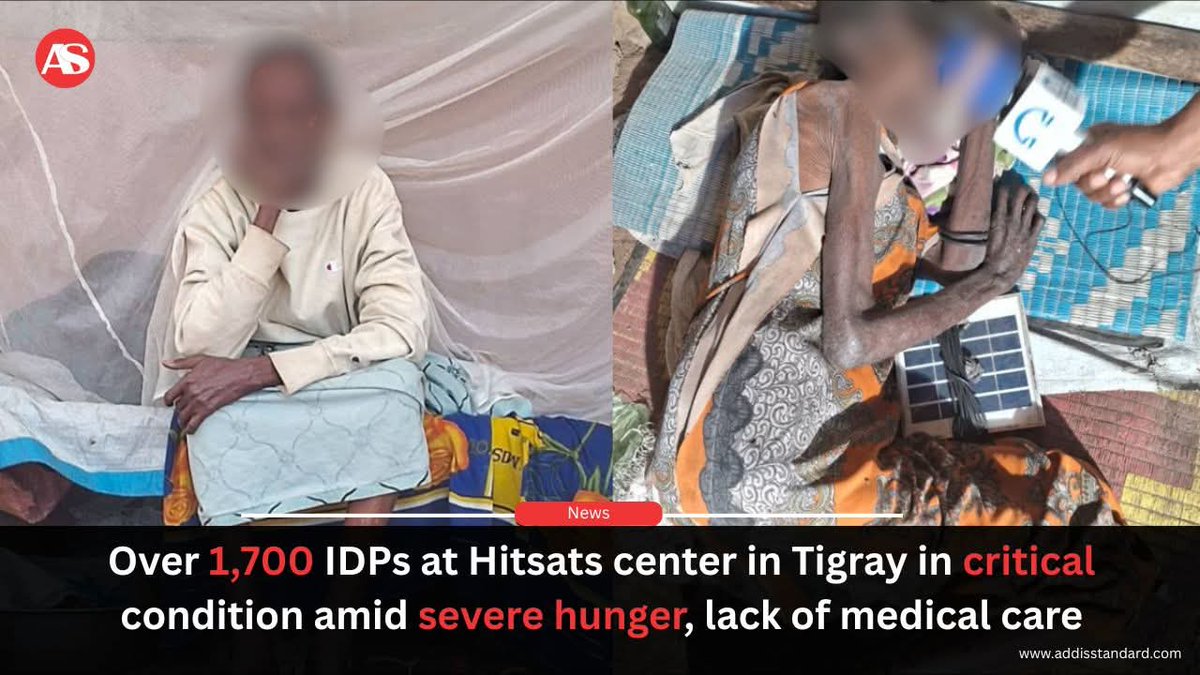
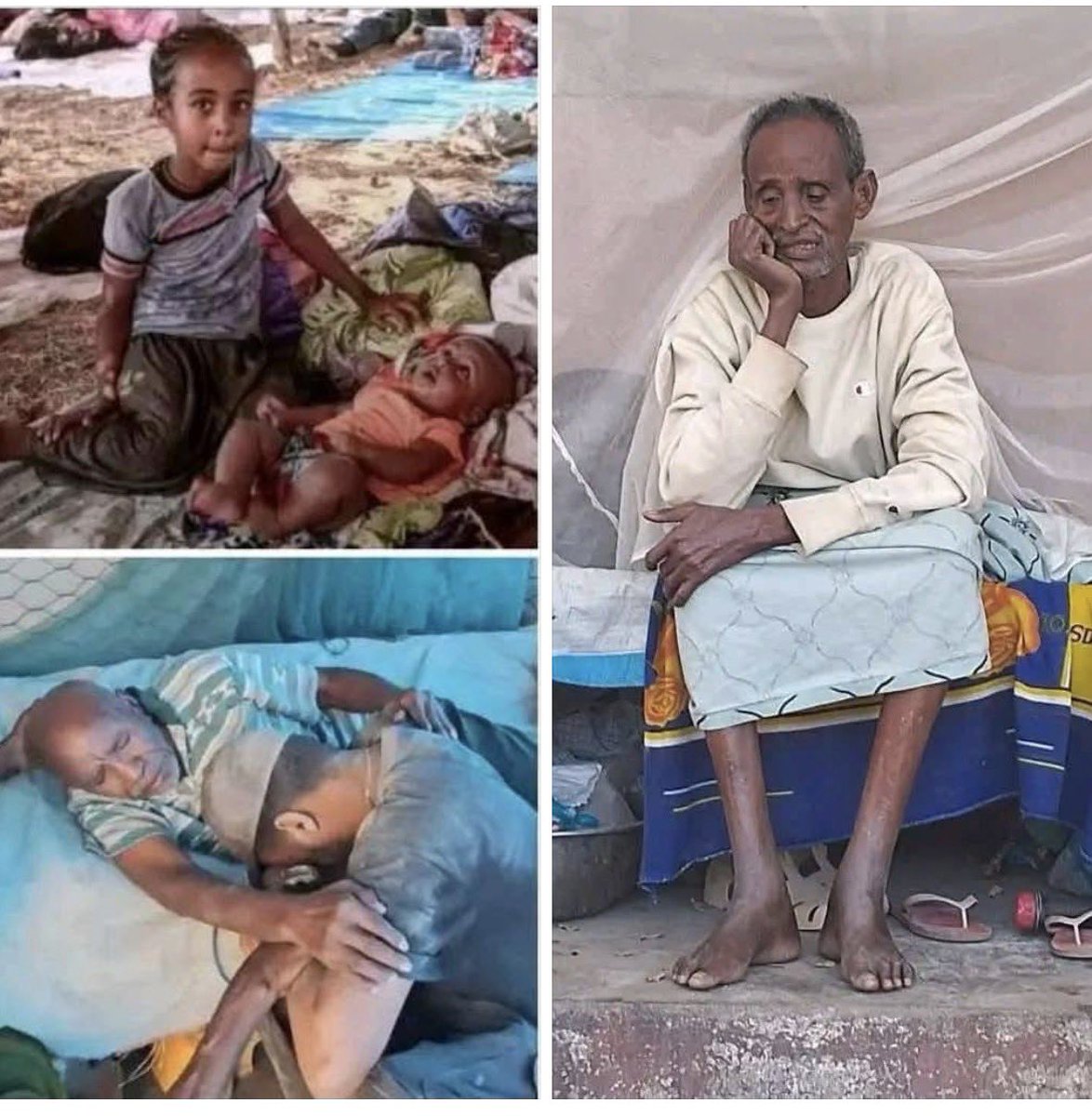
More than 50 IDPs have died from starvation and lack of medical care at the Hitsats Camp in northwestern #Tigray since July 2025—while at least 1,700 others remain at imminent risk without urgent, lifesaving food and medical assistance.
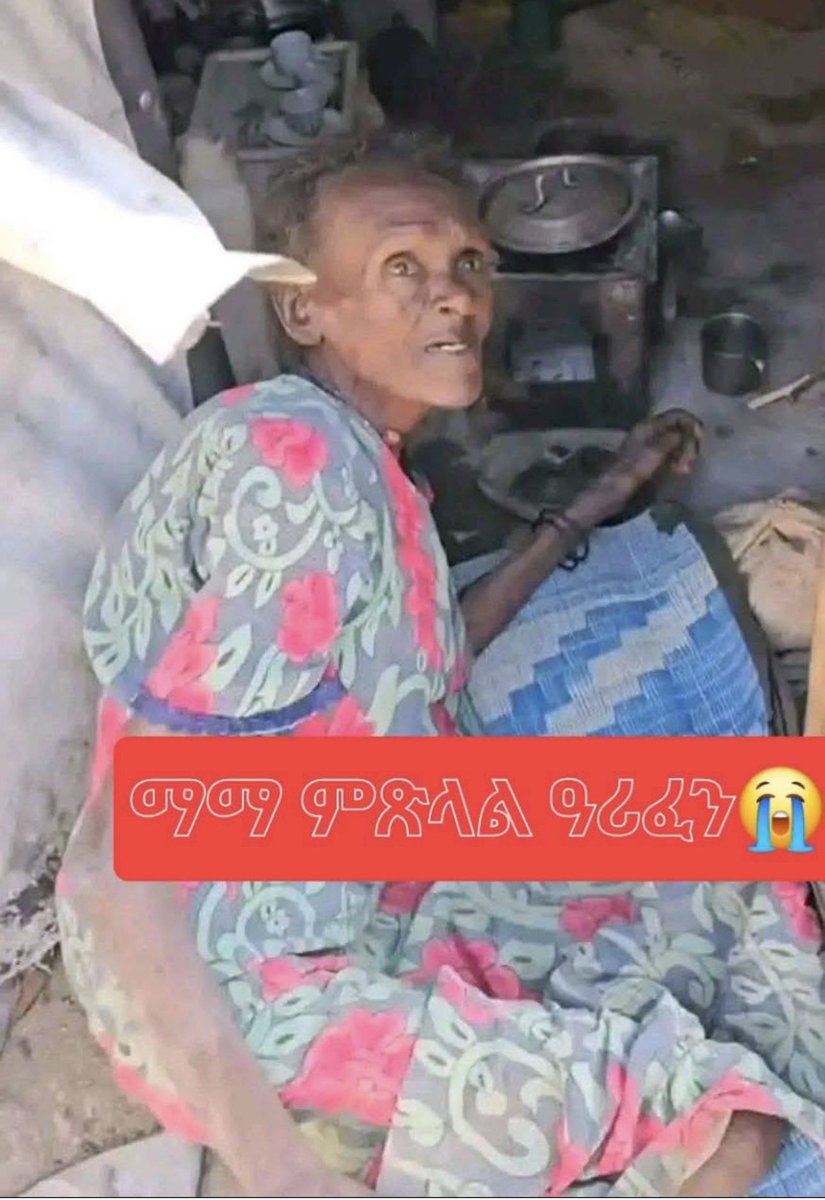
Tigrayans are perishing from hunger. Harrowing images from the Hitsats IDP center.
With about 40% of Tigray still occupied by enemy forces, displaced Tigrayans crowded into the remaining areas are dying under a silent siege and economic blockade..
https://t.co/Pv1LWbh4NH
Over 1,700 IDPs at #Hitsats center in #Tigray in #critical condition amid severe #hunger, lack of medical care
More than 1,700 internally displaced persons (IDPs) sheltering at the Hitsats IDP center in Tigray are facing a worsening hunger crisis, with reports indicating...
1/2