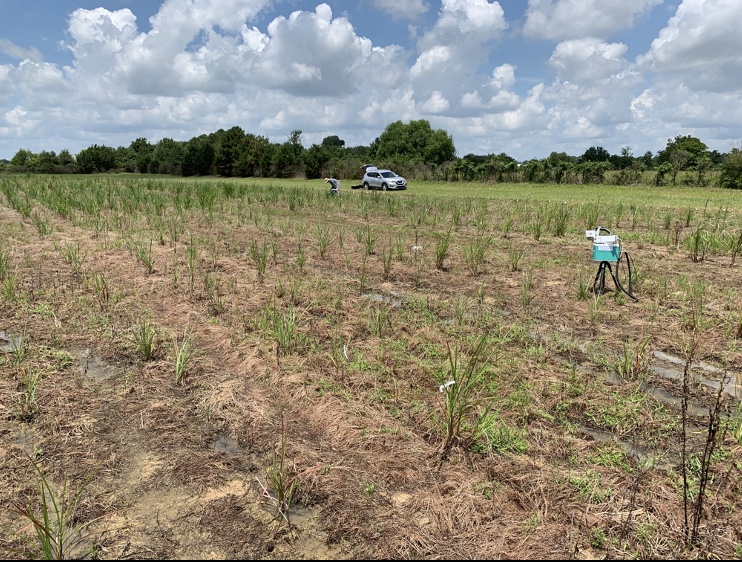
Really enjoyed having @NSF program directors visit our two NSF Global Centers on plants and microbes for the Bioeconomy: ASAP https://t.co/c75Jr5Dr8L... and GCBA https://t.co/Zr5vOpfEpY
Just like cornstalks across the Midwest, this crop grows several feet tall as it reaches up to the sky. And similar to soybean cultivation in the last century, annual production of miscanthus is projected to skyrocket to millions of acres by 2050.
https://t.co/5YCPD40QuH
Delighted to share new work on the 3D anatomy and stomatal patterning of a C4 grass in collaboration with @brodersen_lab@jfischerbotany https://t.co/pOnaQwOOpT
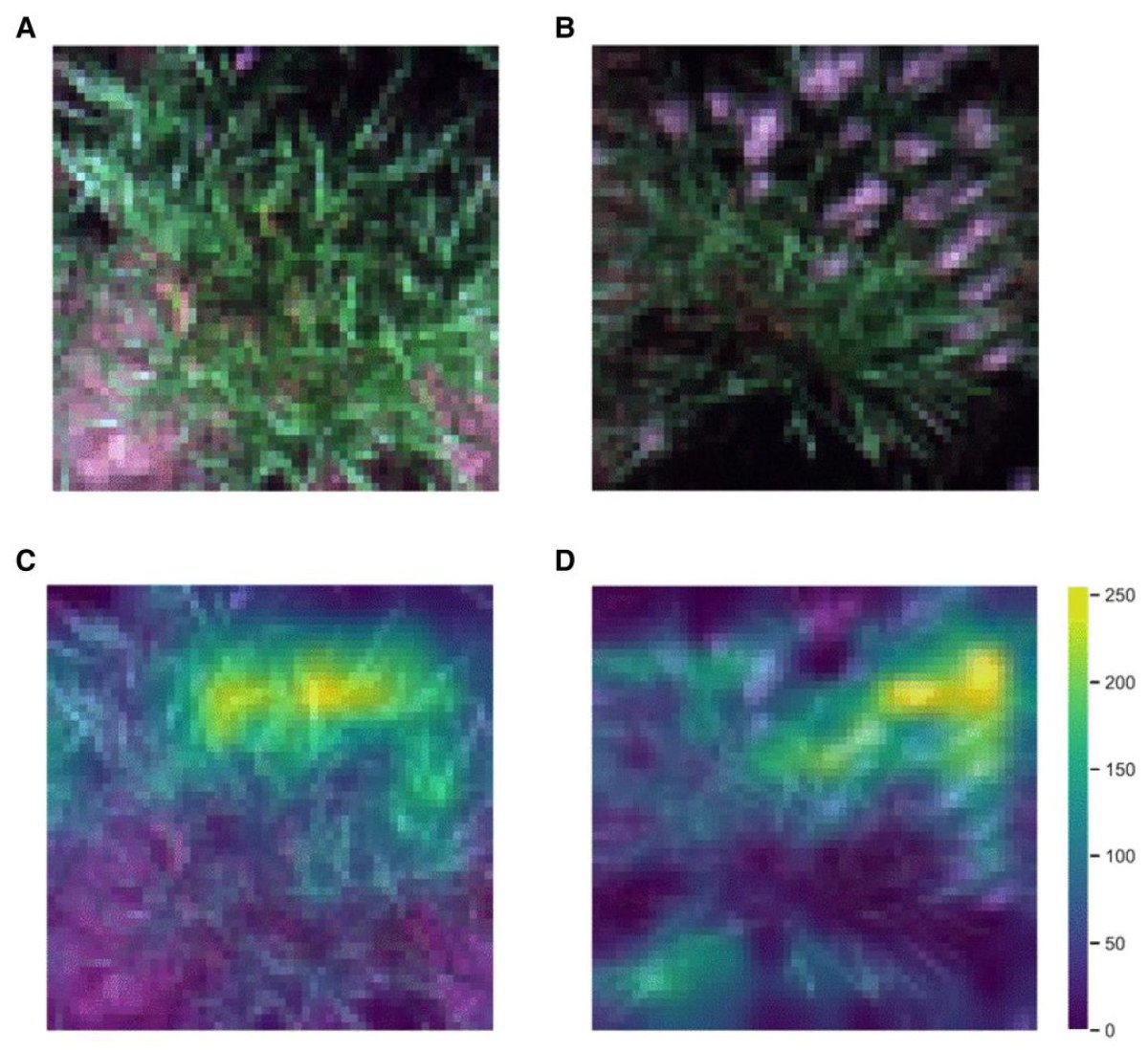
Happy to share news of our work to develop a new AI approach that is easier to train and easier to adopt for for phenotyping in plant science and crop breeding. @PlantPhys@CABBIbio@DigitalAgUIUC@NAPPN_org@I_P_P_N@ASPB https://t.co/oHIA1WAr1n
A team led by CABBI Director Andrew Leakey & Postdoc Sebastian Varela created a machine-learning tool that can teach itself to differentiate between aerial images of flowering & nonflowering grasses—greatly accelerating agricultural field research.
News ➡️https://t.co/JhnCBjekcb
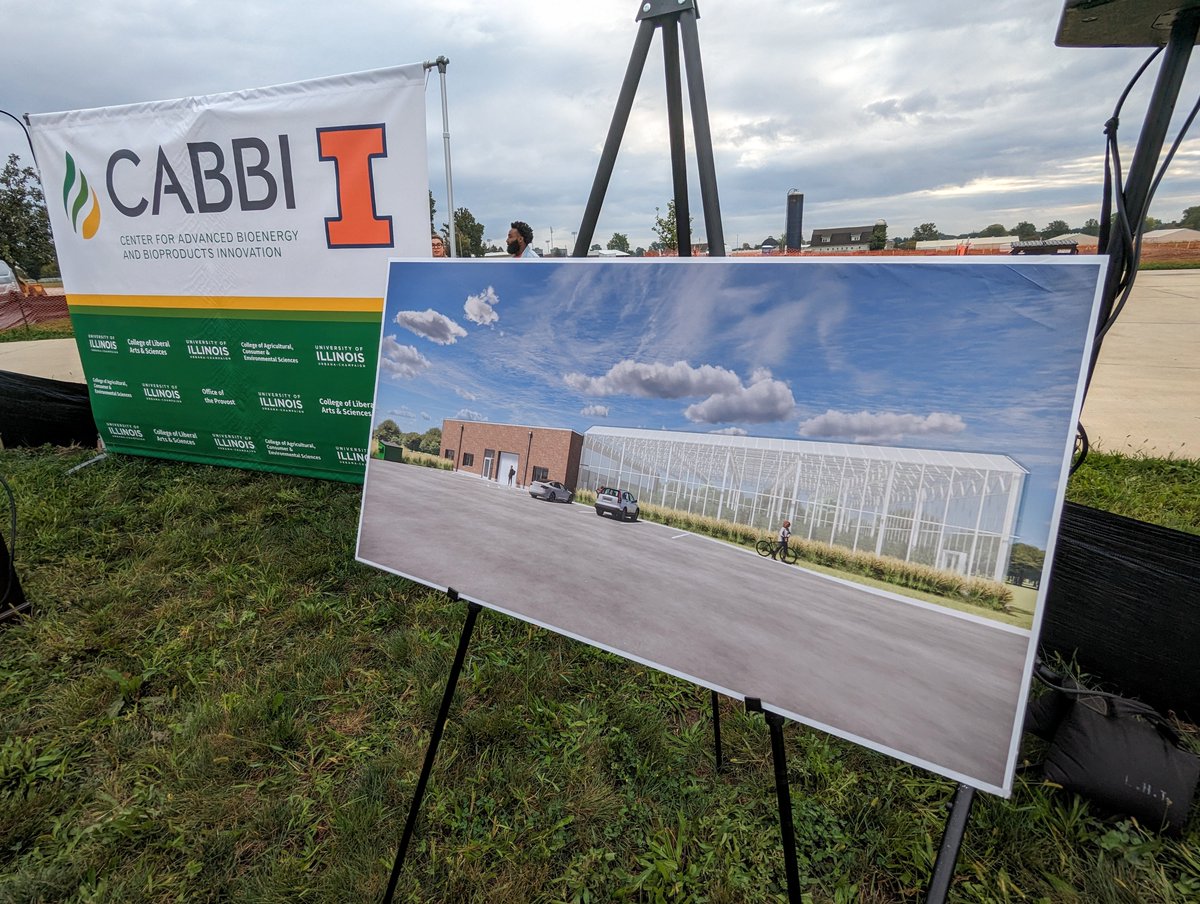
CABBI Director Andrew Leakey said the new greenhouse is a major milestone for the @UofIllinois plant science community & will speed up development of crops that are more productive, sustainable & climate-resilient, part of #CABBI's work to produce plant-based fuels & bioproducts!
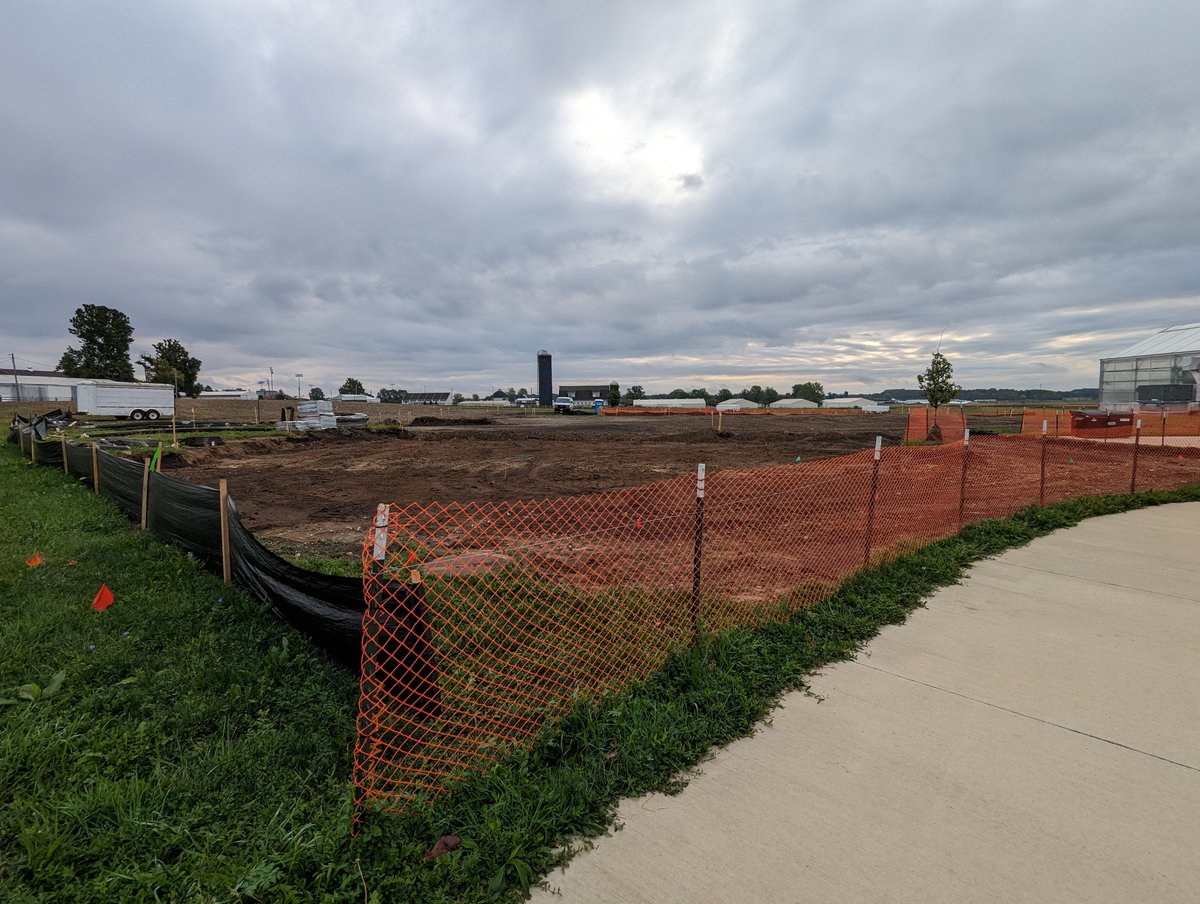
CABBI and the @UofIllinois broke ground today on a state-of-the-art greenhouse in the @UIResearchPark! 🙌🌱
It will support innovative research exploring how plants and microbes interact and affect the sustainability of #bioenergy crops. (1/2)
➡️ https://t.co/0csSYO1OeF
Today, we’re heading to Urbana, Illinois to ask Dr. @leakey77#17Questions as he makes his daily rounds to @CABBIbio, @iBioIllinois, and @IGBIllinois. Watch the full video here for some surprises (hint: 🎾🤖☕️) https://t.co/fRrG7ofMnK
🔶 News 🔸
We are thrilled to share that the Department of @Energy has renewed funding for #CABBI's groundbreaking bioenergy research! 🙌
We look forward to five more years of scientific advances as we seek to transform the U.S. #bioeconomy. 🌱
More ➡️ https://t.co/pWitfv49jt
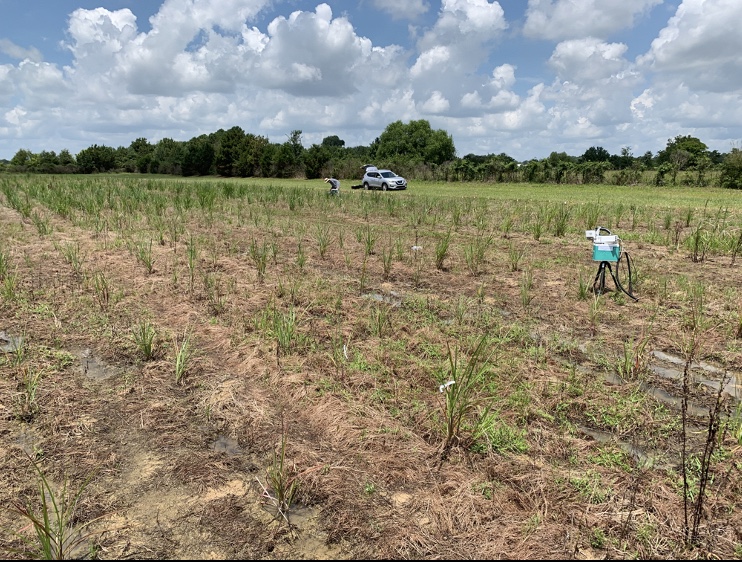
Superstars of the field? Researchers @CABBIbio found that the plants miscanthus and sorghum have greater photosynthetic rates and use nitrogen more efficiently than more common crops that have a different way of fixing carbon dioxide into carbon: https://t.co/B6w5ftZGrD
The study, published in "Plant, Cell & Environment," found that #miscanthus and #sorghum occupy a distinct niche of the leaf economics spectrum (LES), with greater photosynthetic rates and nitrogen use efficiency than more common C3 plants.
📰 Paper: https://t.co/eH7CkOTWdp
A study led by #CABBI researchers at @UofIllinois and @msstate improves understanding of leaf functional relationships and provides valuable new information for scientists modeling the productivity of #miscanthus & other C4 bioenergy crops.
🗞️News: https://t.co/BStWL5Wifz
@CABBIbio @iBioIllinois @IGBIllinois@doescience@WendyYangUIUC@CharlesAHyde@ChristyPhd @CBernacchi @gwhuber2 I'm really thrilled that we had the chance to work with Alayna this summer through @CABBIbio's RISE program. If you are a minority student, please consider applying to work with one of our nationwide team members in future years https://t.co/rynQEpVbg4