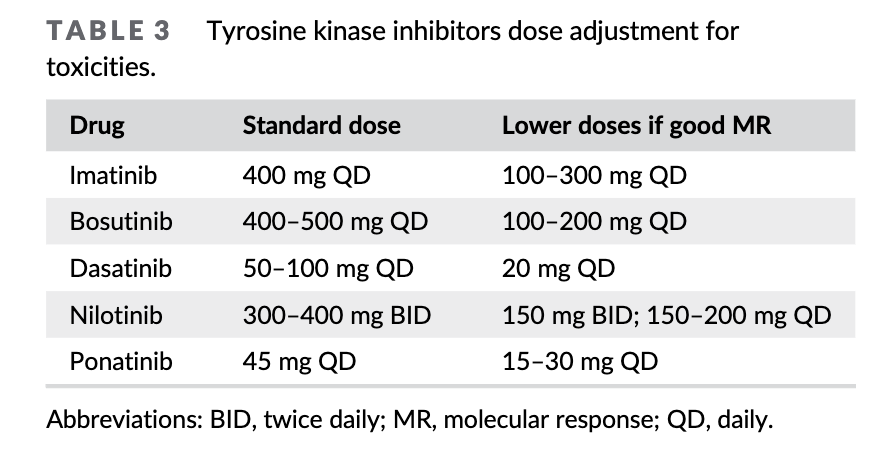
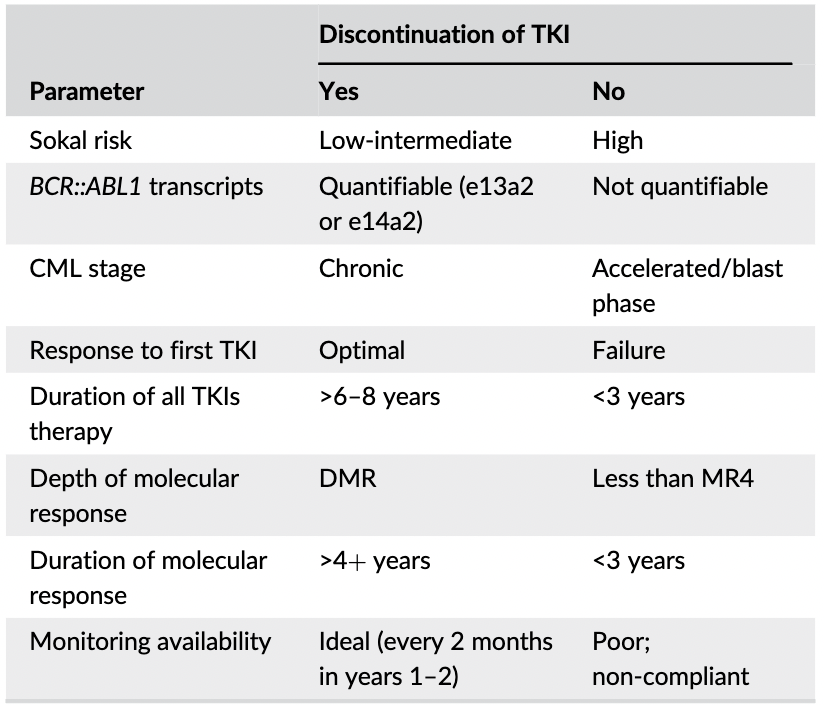
New interesting tables on discontinuing TKI in clinical practice in the "Chronic myeloid leukemia: 2025 update on diagnosis, therapy,and monitoring" .
Must peruse for all of us hemeoncs @AjHematology#hemeonc#MedTwitter#CML
https://t.co/aKzRig6lpq
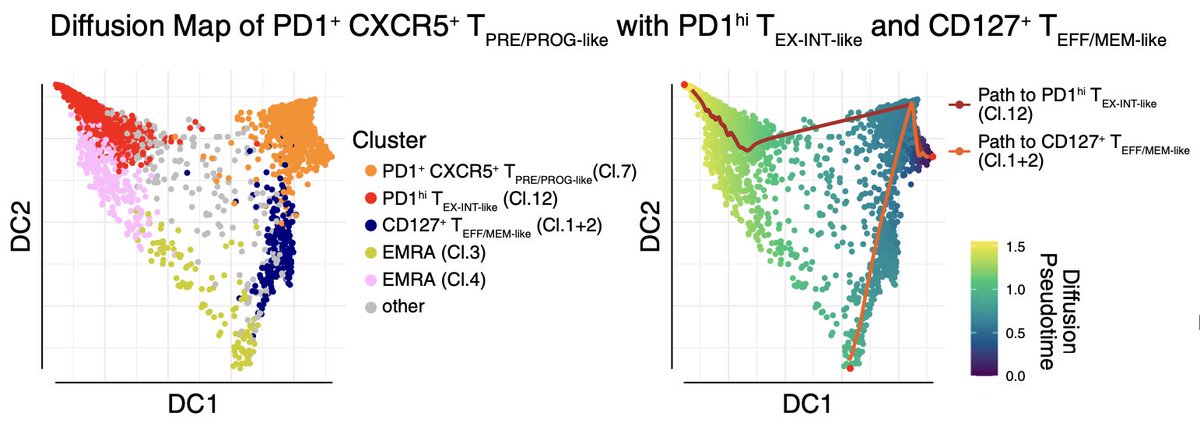
This improved composition of prolif CD8 T cells in JAKi.R pts was coupled to an increase in CD8 T cells w CXCR5, a marker for precursor/progenitor cells, suggesting adding JAKi might've yielded a more balanced differentiation of CXCR5 precursors into Tex and non-Tex fates. 8/13
Summary of our paper https://t.co/1CE0c2kHUO on combining JAK inhibitors with anti-PD1 for lung cancer (NSCLC). Part of a bench-to-bedside journey to understand opposing roles of IFN in IO. Wonderful team w @EJohnWherry@divijmathew Caitlin Foley @MMarmarelis@Jbauml et al! 1/13
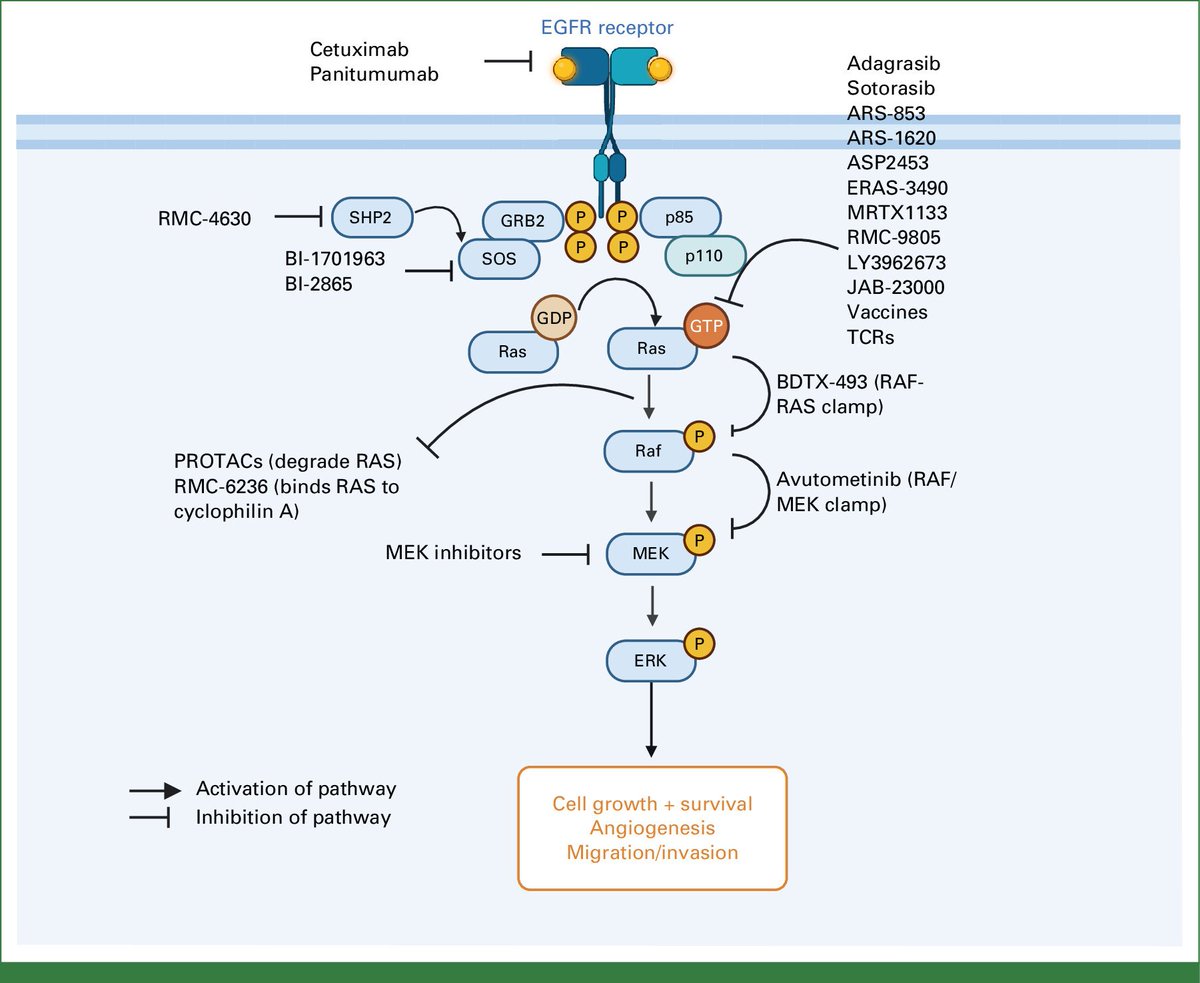
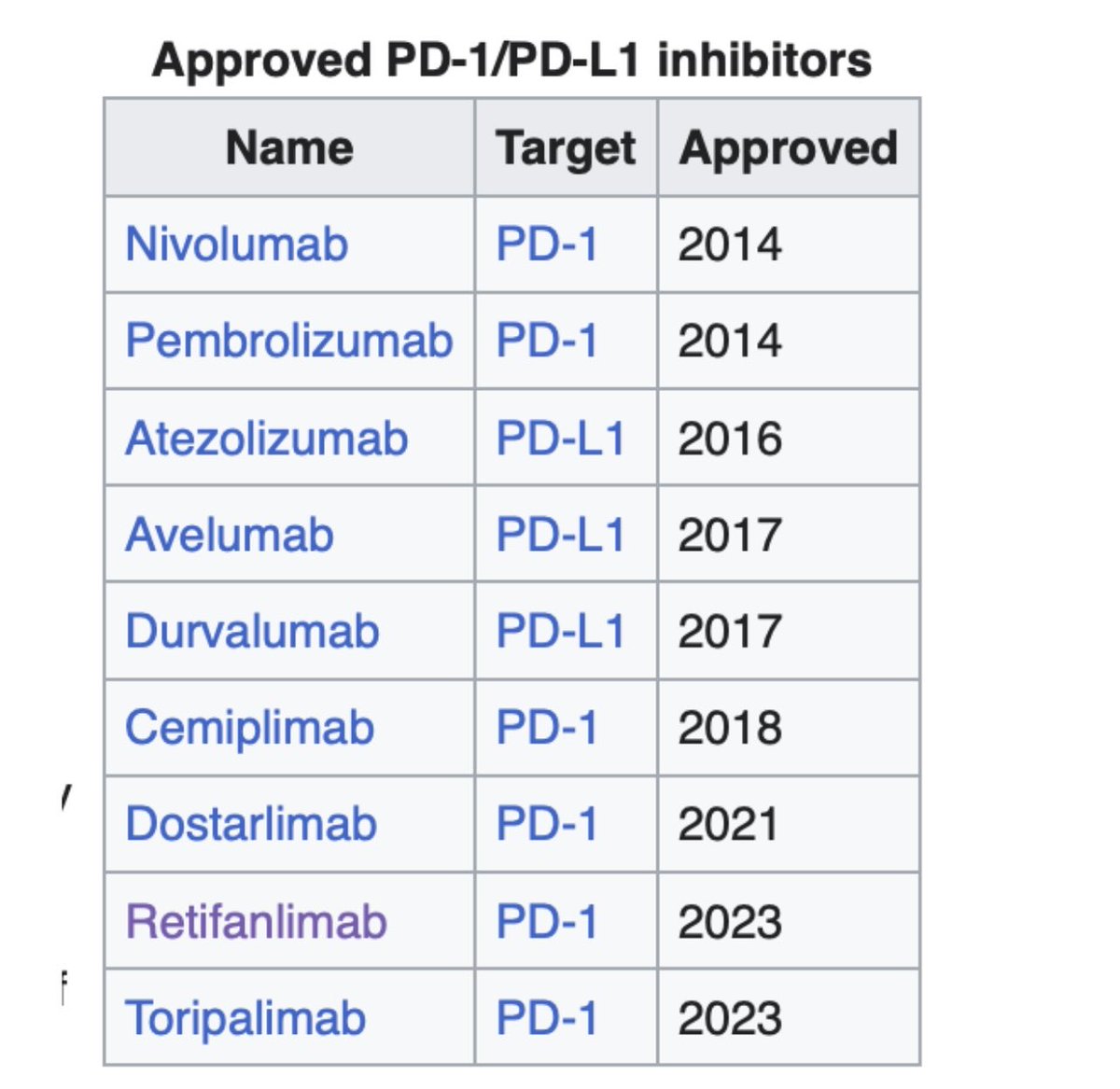
⭐️KRAS inhibitors are here @ASCO#ASCO24 & here to stay for all future @asco@myESMO & all meetings. Some of the KRAS drugs that have entered trials featured in this editorial @JCOOP_ASCO 👉 Ready, Set, Go: Setting Off on the Mission to Target KRAS in Colorectal Cancer @OncoAlert@JCO_ASCO
https://t.co/wlfM78UhOB
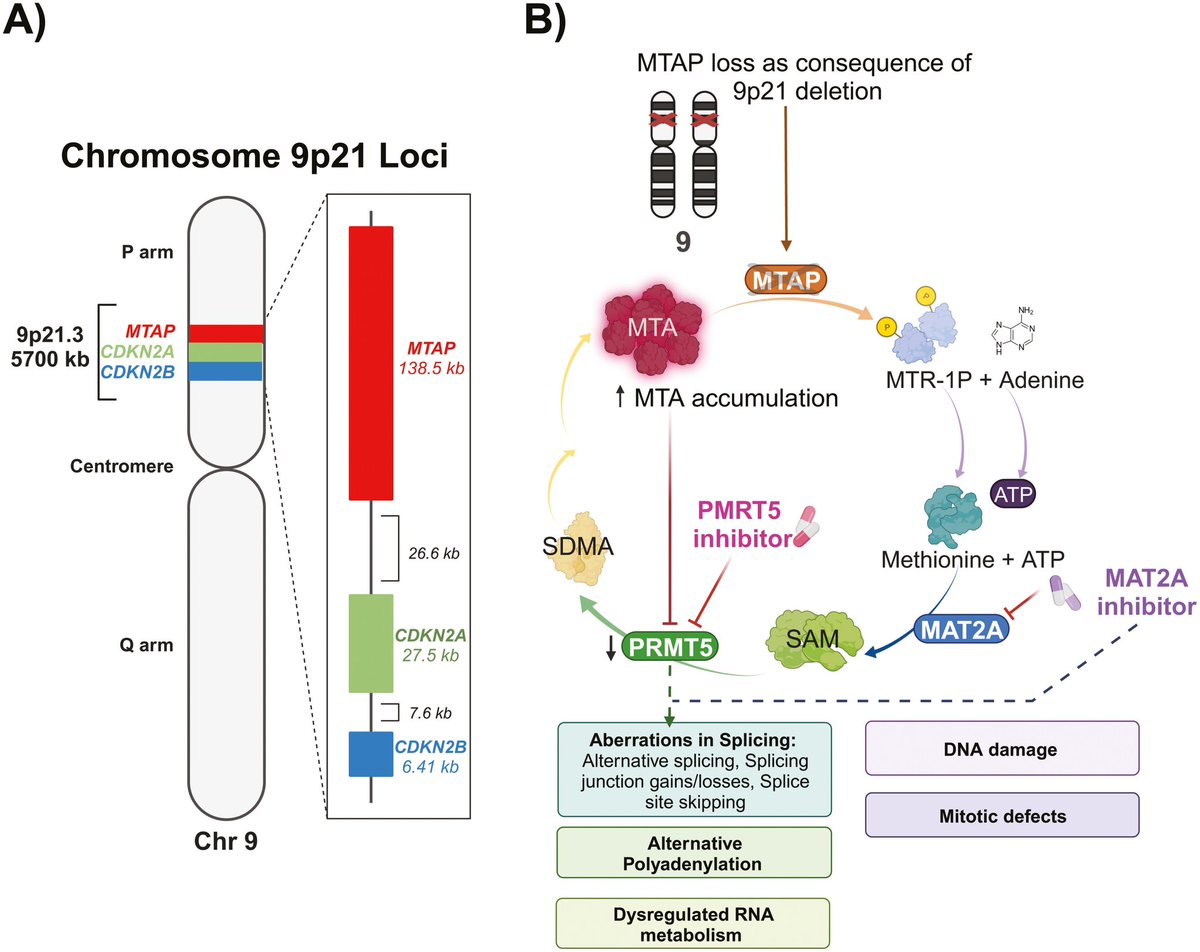
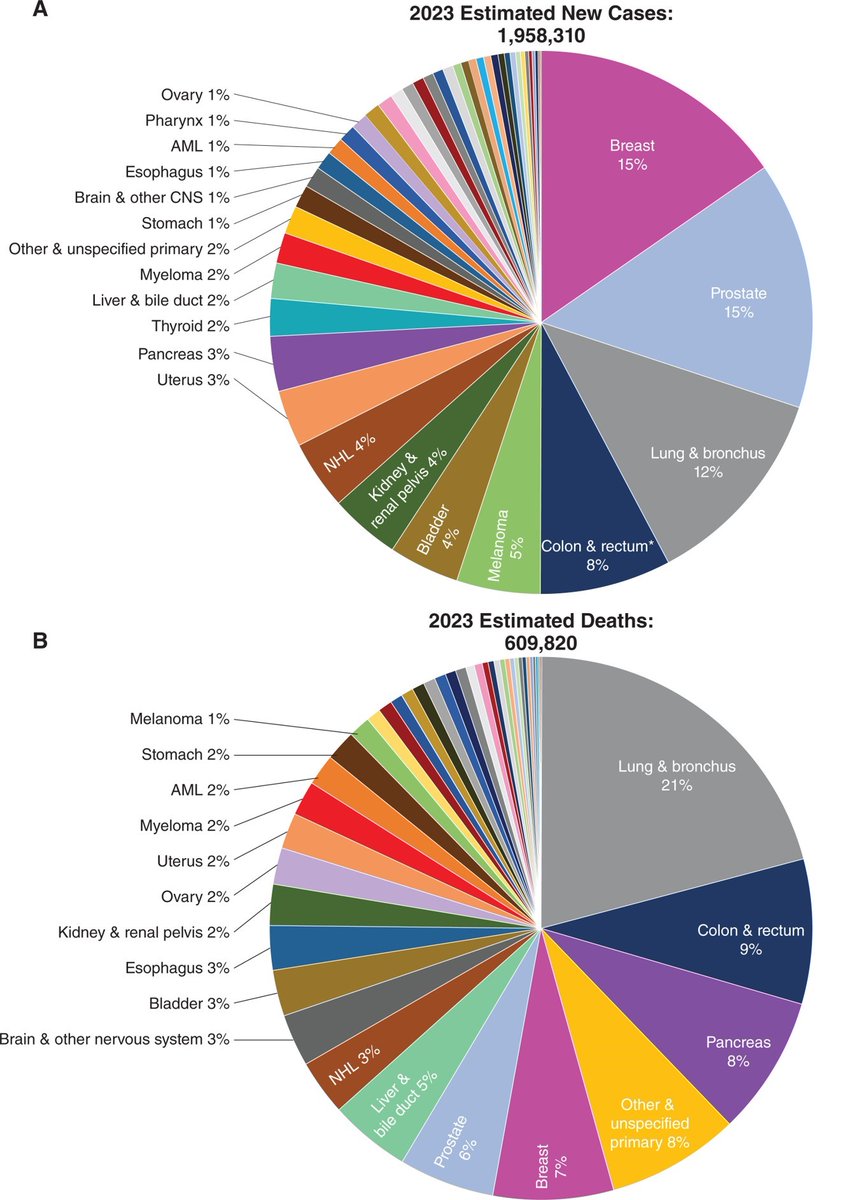
How common are MTAP deletions in advanced GI cancers? What are the molecular correlates of MTAP loss? In this large study (>64K tumors) conducted in partnership with @FoundationATCG, @MDAndersonNews investigators (@NatalieNgoi Jordi Rodon) find 1 in 5 #PancreaticCancer cases harbor MTAP loss. With a plethora of new clinical trials coming on molecular targeting of MTAP deficient cancers using PRMT5 & MAT2A inhibitors (many led by Jordi) lots of excitement in this area.
Published #OpenAccess in @OncJournal
https://t.co/HKMO05R0GL
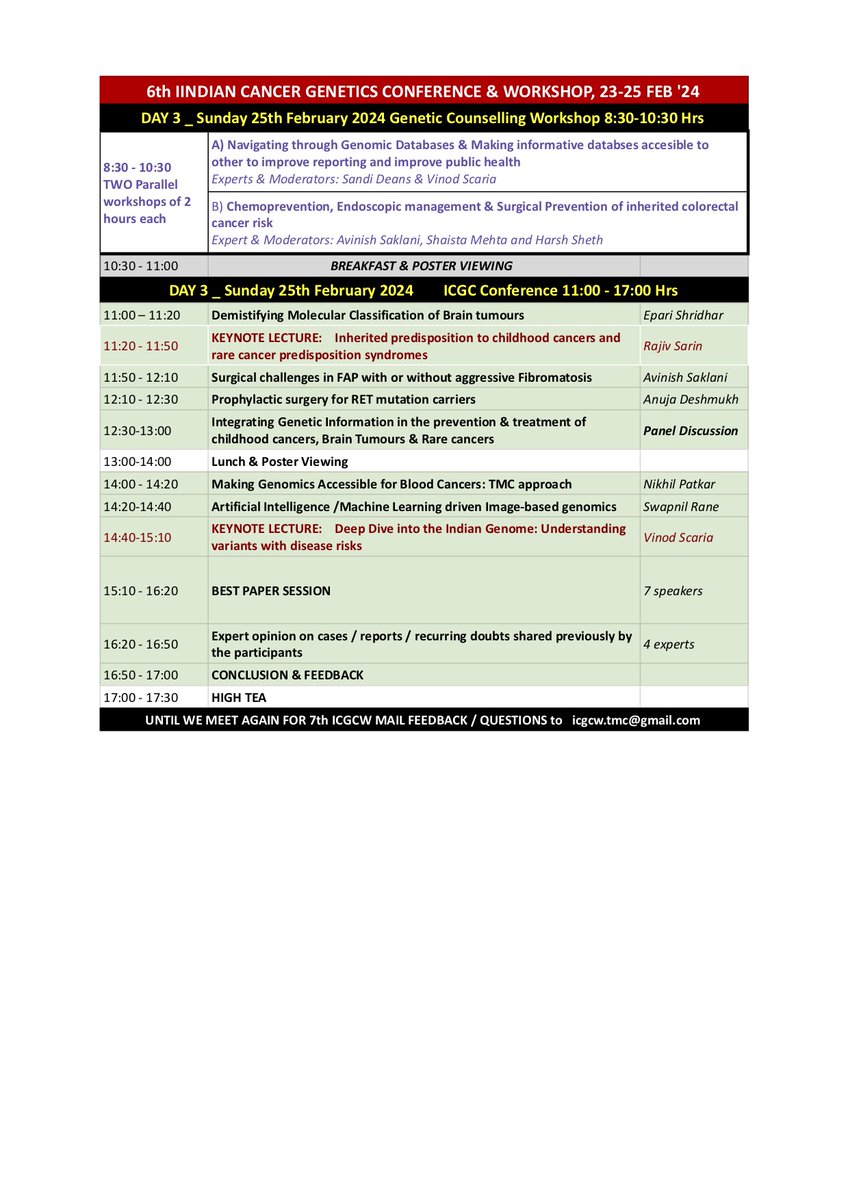
6th Indian Cancer Genetics Conf & Workshop @ACTREC_TMC@TataMemorial 23-25 Feb 2024 Genetic Counsellors/Oncologists/Medical Geneticists/ NGS people/Mol Pathology
Abstract deadline extended to 18/2/24
Limited workshop seats
Full Programme&Registration link https://t.co/7TKBsZHXel
🌟#FridayMotivation 👉 Who said only movies come in trilogy? Presenting the #PrecisionMedicine Trilogy Series! 🎬 One of the main challenges in #precisiononcology implementation is navigating side effects & managing clinical adverse events in the real world.
👉Since we were intricately involved from the 1st patients in the world enrolled in clinical trials for BRAF, FGFR, & RET, we bring you👉 Clinical Development & Management of Adverse Events associated with FGFR BRAF, and RET inhibitors
📚 Published open access for your reading in 3 different high impact CELL press journals for your #FridayReading @CellCellPress@CellPressNews@trendscancer@CellRepMed@OncoAlert@oncodaily@OncBrothers@SarahCannonDocs@TheUSONetwork
Link:
BRAF: https://t.co/H4GXXJH0lw
FGFR: https://t.co/g4W3yZgE06
RET: https://t.co/HTywlyL6qR
A very interesting review 😲👨🏻🔬that addresses the importance of the RAS/RAF/MAPK pathway in solid cancers, focusing on resistance to RAF inhibitors (RAFi). It highlights the RAF-MEK-ERK signaling cascade and its role in tumorigenesis, underlining that mutations in this pathway are associated with #cancer.
🎯Although RAFi and MEK blockers have demonstrated efficacy in cancers with RAF mutations, resistance to therapy remains a concern.
🎯It is suggested that combining RAF inhibitors with agents that modulate autophagy could overcome resistance. 🎯In addition, pharmacological approaches, such as hydroxychloroquine, are mentioned and the efficacy of therapeutic combinations, such as Dabrafenib, Trametinib and hydroxychloroquine in BRAFV600 mutant melanoma is highlighted.
🎯The review argues for future research exploring autophagy inhibitors and emerging technologies, such as AUTOTAC. Also noteworthy is the evaluation of safety when combining BRAF and MEK inhibitors with helper peptides, cancer vaccines, and research into combination therapies with other compounds. @OncoAlert@MdAntonieta@oncologaMary
https://t.co/XMj6YRN5jo
Four key points
1. OS benefit
2. CNS is very common site of initial recurrence in HER2+ cancers
3. TDM 1 lowers risk of CNS recurrence
4. Confirmation of Lin’s law @nlinmd that the best way to reduce CNS Mets is to give better systemic therapy that works everywhere
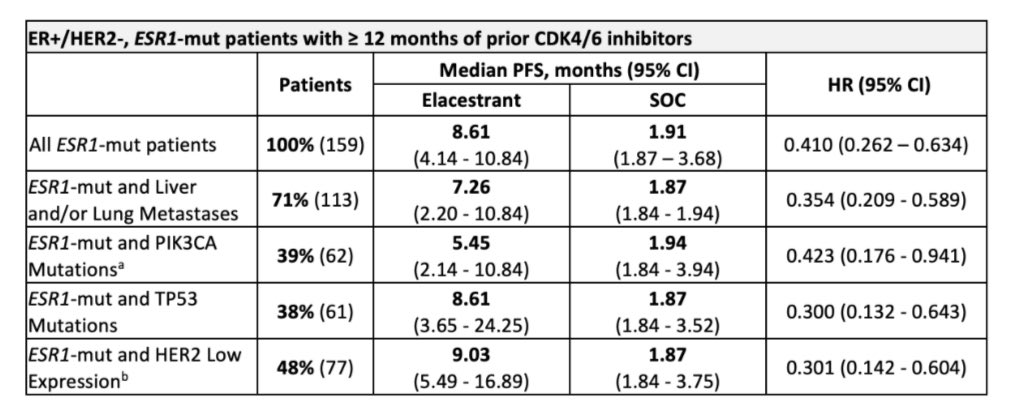
Elacestrant is approved for patients with ESR1-mutant ER+ MBC & commonly used if pts received prior CDK4/6 inhibitors for ≥1 year. But does it also benefit those with visceral disease or concomitant PIK3CA / TP53 muts? Interesting sub-analysis from EMERALD presented at #SABCS23.