An Argentinian TV show accidentally invited a urologist instead of a ufologist on and asked him about aliens.
“I’m a urologist, not a ufologist. It sounds similar, but it’s not the same.”
To be honest it sounds close enough to me.
https://t.co/s06DXL7f47
😃😊 🎉 Proud of our Mayo Clinic Nephrology fellows and Fellowship team and for this outstanding performance on the 2026 ASN In-Training Examination at Top program! @MayoClinicNeph
Our program achieved a mean score of 623, compared with the national program mean of 475 across 87 participating programs. An incredible accomplishment that reflects the dedication, curiosity, teamwork, and academic excellence of our fellows and faculty.
This is a testament to the strong educational culture within our fellowship program — one that emphasizes clinical reasoning, evidence-based medicine, mentorship, innovation, and lifelong learning.
Very grateful to work alongside such talented trainees, educators, mentors, and colleagues at Mayo Clinic. Congratulations to our fellows on this remarkable achievement. 👏🎉
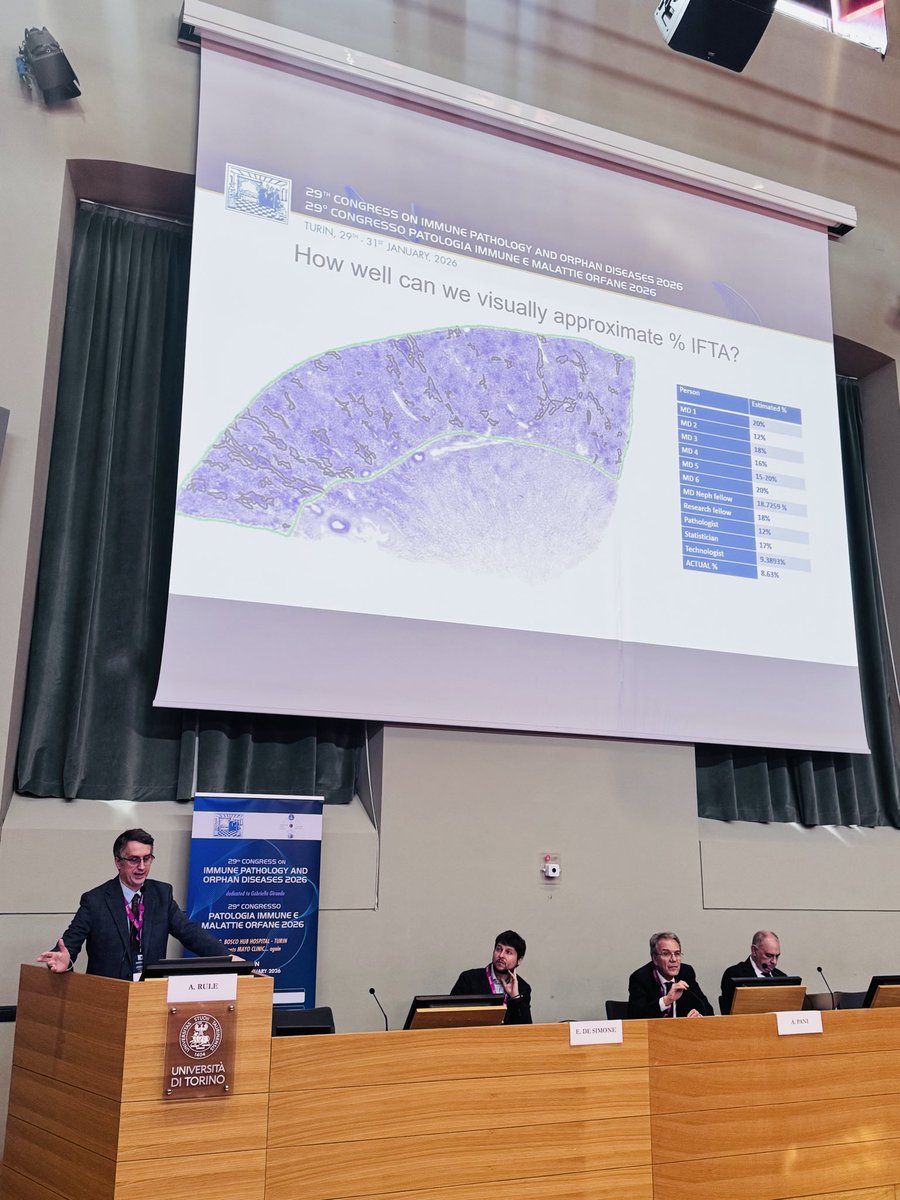
Insightful AI-focused session at the 29th Congress on Immune Pathology and Orphan Diseases 2026 in Turin, Italy. @MayoClinicNeph
Prof Andrew Rule, MD, delivered a forward-looking talk on “The Use of AI-Based Image Analysis to Improve Kidney Care in Patients.” @AndrewRuleMD
Spatial Mass Spectrometry-Based Proteomic Analysis of Normal-Appearing Glomeruli from Young and Old Adults
@AndrewRuleMD@asnpublications
https://t.co/lGgjKE9Y2k
Congratulations, Dr. Navin Gupta, on receiving NIH/NIDDK funding for your Innovative Science Accelerator (ISAC) proposal! This is an outstanding achievement and a great reflection of your dedication to advancing kidney science. Our division is proud to celebrate your success.
Associations Between Deep Learning-Derived Fat, Muscle, and Bone Measures From Abdominal Computed Tomography Scans and Fall Risk in Persons Aged 20 Years or Older
@AndrewRuleMD
https://t.co/06ZlWtGJ6P
The CKD awareness publication in JAMA Cardiology is really the furthest thing from novel. If anything, I am surprised that we continue to talk about this topic.
The much more interesting question is how many people with eGFR-defined CKD would benefit from knowing that they have a disease that could (but usually will not) end in kidney failure.
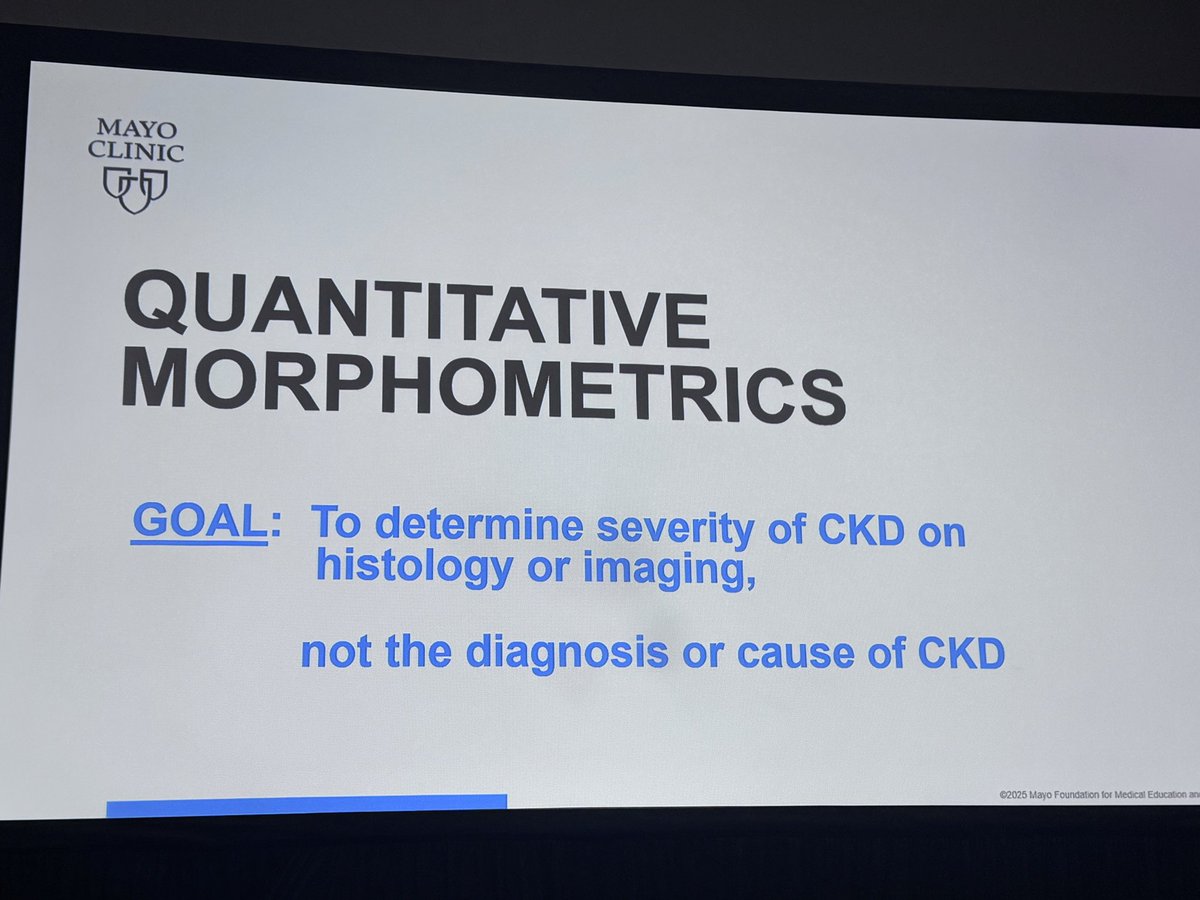
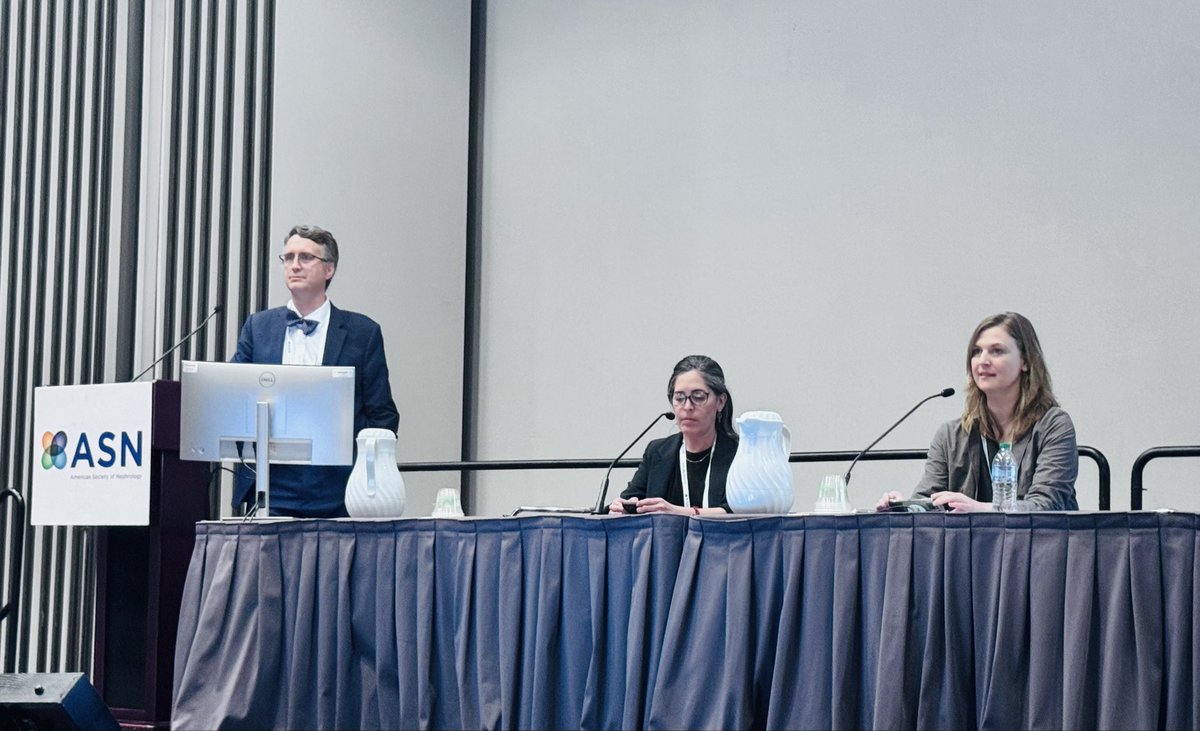
Wonderful talk by @AndrewRuleMD , @ASNKidney Kidney Week 2025 on “Quantitative Morphometrics and Nomograms for Predicting Kidney Transplant Outcomes.”
👏 insightful perspectives on quantitative morphometrics objectively determine CKD severity using histology or imaging
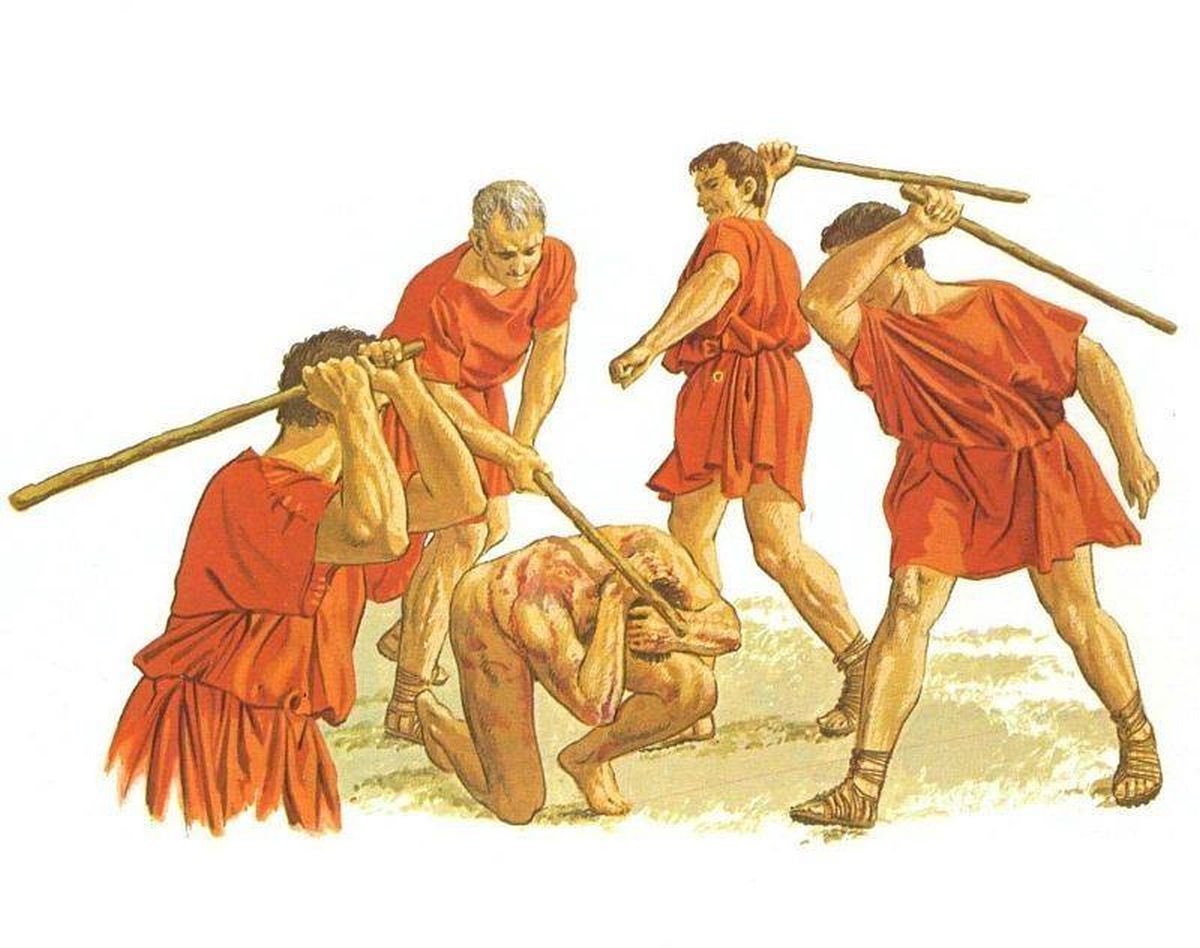
Back when i was a professor, early on I used to get bad reviews occasionally. My institution was extremely critical of this. So, what did I discover was the easy solution? I watered down my course and made everything easier. Magically, I started to get near perfect evaluations in what was a symbiotic hustle.
Teach an easy course, crack a few jokes during lecture, and give everyone an A --> good evaluations from students. And students evals are the only way teaching is judged.
Of course, students learned much back in the days when I hassled them more with hard projects.
@kidney_boy Past dosing algorithms were based on C-G equation. Switching to a contemporary equation is fine as long you also fit pharmacokinetic models to determine the optimal dosing with the equation. Unfortunately this has not been done with most drugs.
https://t.co/GNM5J8K3vY
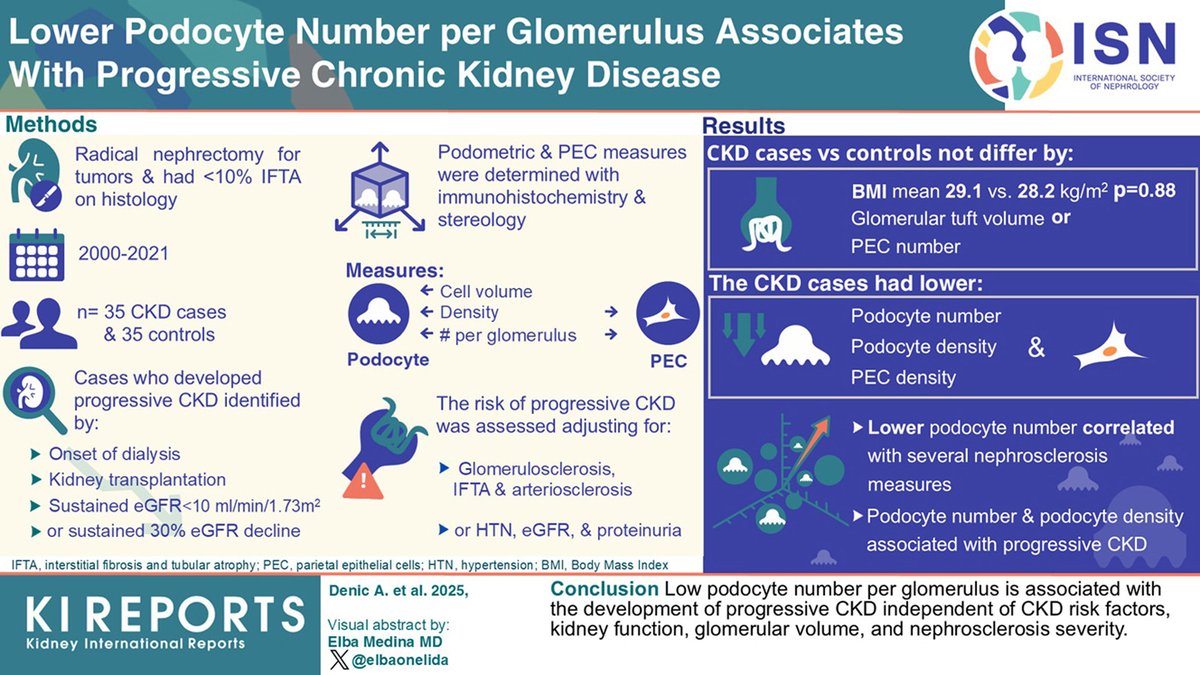
📖 This weekend don't miss our @KIReports#ISNFridaySelection: Kidney Lower Podocyte Number per Glomerulus Associates With Progressive CKD https://t.co/EavIfmjprD