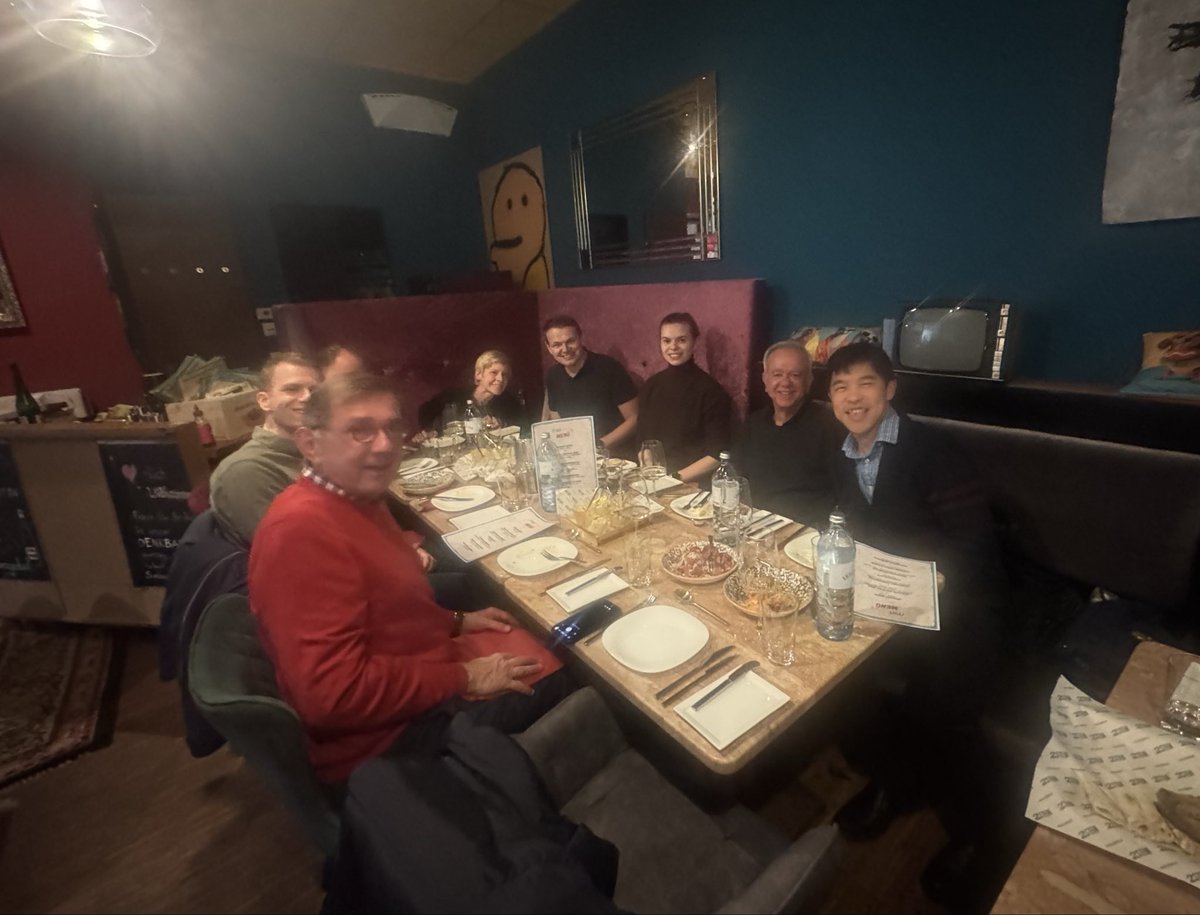
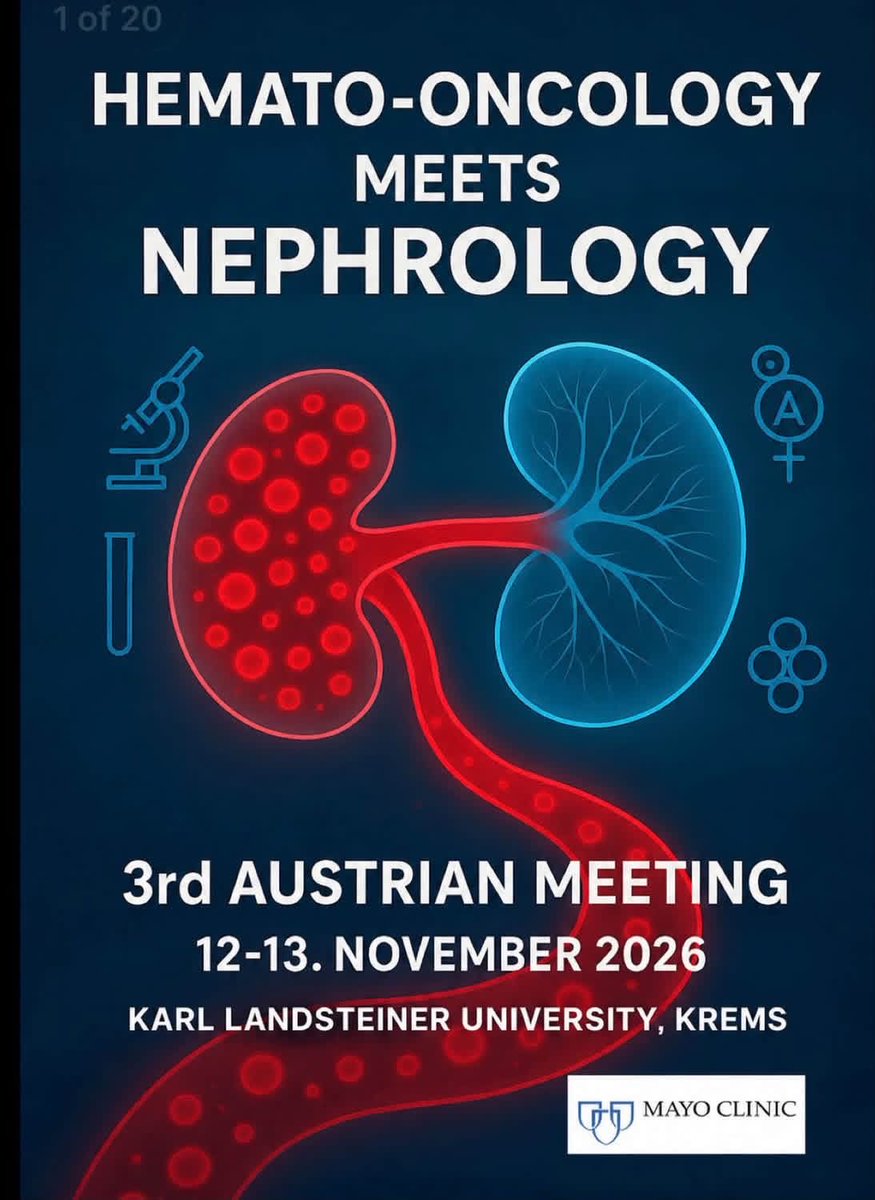
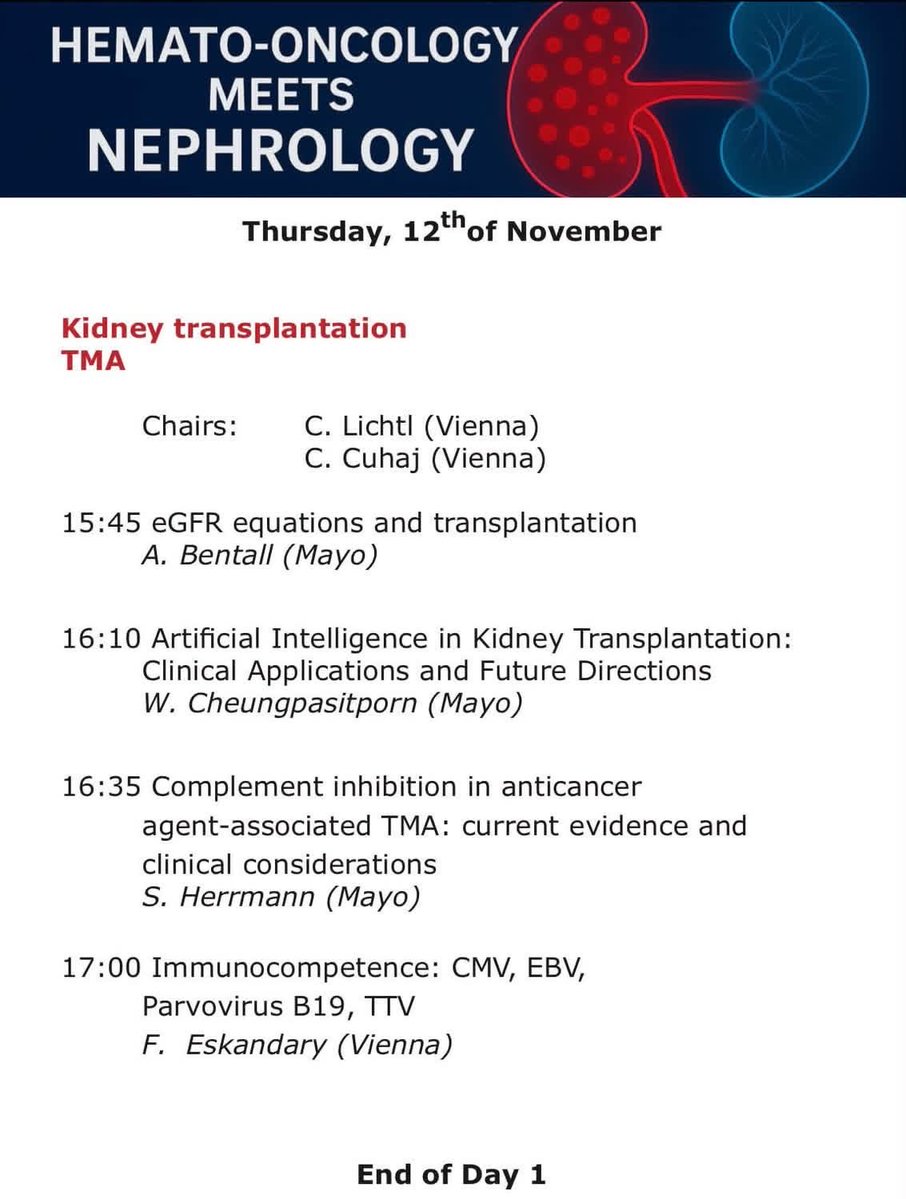
🇦🇹 Looking forward to the 3rd Austrian Meeting: Hemato-Oncology Meets Nephrology in beautiful Krems, Austria! 😃🙏🏻
https://t.co/UHj6c54m54
I am incredibly excited to join an outstanding group of international colleagues and experts at Karl Landsteiner University for this vital interdisciplinary meeting.
During the conference, I will be delighted to present:
“Artificial Intelligence in Kidney Transplantation: Clinical Applications and Future Directions”
Our discussion will focus on how AI is actively transforming the transplant journey, including:
🔹 Comprehensive Evaluation: Enhancing donor and recipient risk assessment and matching
🔹 Post-Transplant Monitoring: Utilizing predictive analytics and continuous monitoring for early detection of complications
🔹 Agentic AI Integration: The emerging role of clinical AI agents and decision support tools in streamlining complex transplant care workflows
I look forward to exchanging ideas, learning from colleagues at the intersection of hematology, oncology, and nephrology, and exploring new opportunities to advance patient care through innovation and global collaboration! 🤝🌍 @MayoClinicNeph
Event Details:
📍 Location: Karl Landsteiner University of Health Sciences | Krems, Austria
📅 Conference Dates: November 12–13, 2026
🎤 My Presentation: Thursday, November 12, 2026 | 16:10
Looking forward to a fantastic meeting!
Wisit Cheungpasitporn, MD, FACP, FASN, FAST
Professor of Medicine, Division of Nephrology and Hypertension
AI Course Director, Mayo Clinic Alix School of Medicine
Mayo Clinic, Minnesota
#ArtificialIntelligence #KidneyTransplantation #Nephrology #Transplantation #ClinicalAI #HematoOncology #MedicalEducation #DigitalHealth #MayoClinic
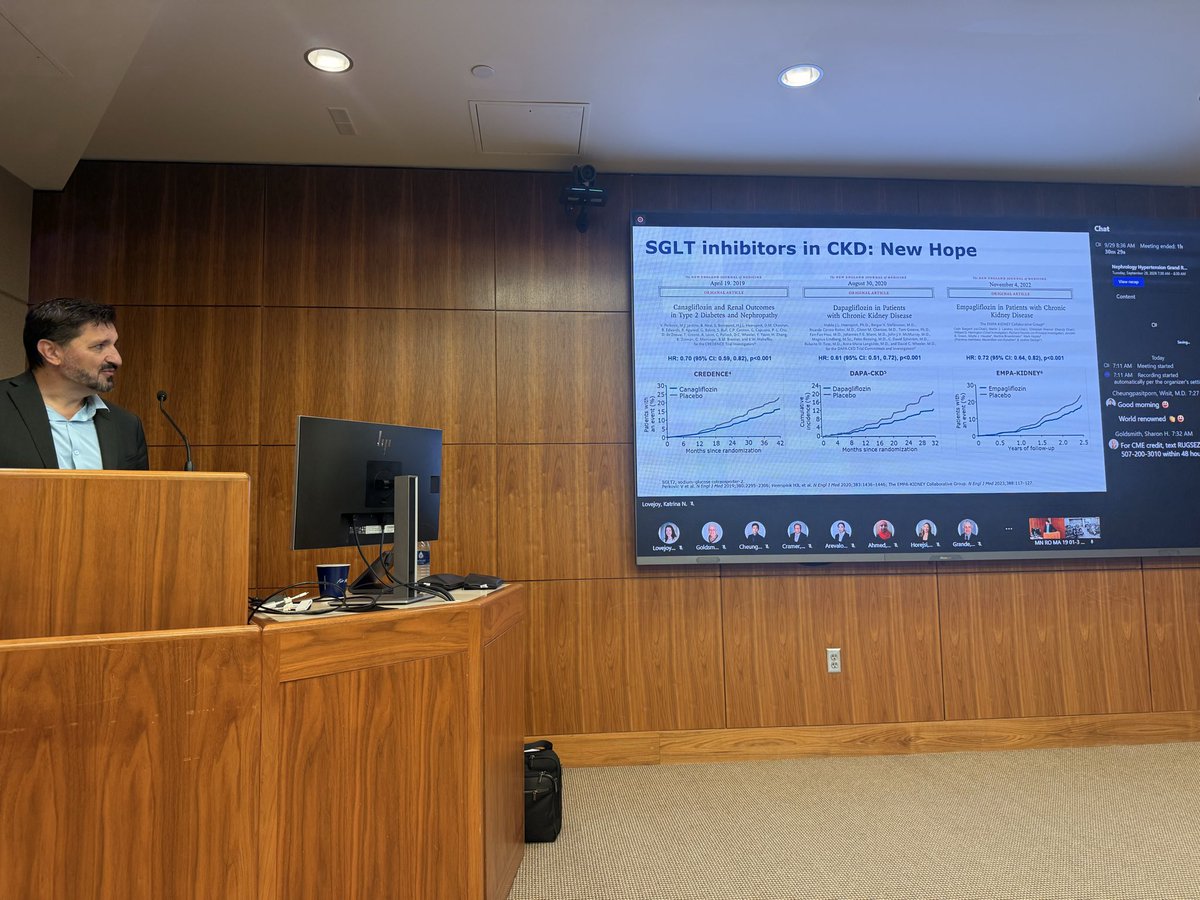
Wonderful Grand Rounds this morning at Mayo Clinic Nephrology! 🌟
Dr. Vlado Perkovic from the University of New South Wales as our Visiting Faculty Member at Mayo Clinic! @VladoPerkovic@MayoClinicNeph
An outstanding presentation on “Progress in Diabetic Kidney Disease”
@HerrmannMd
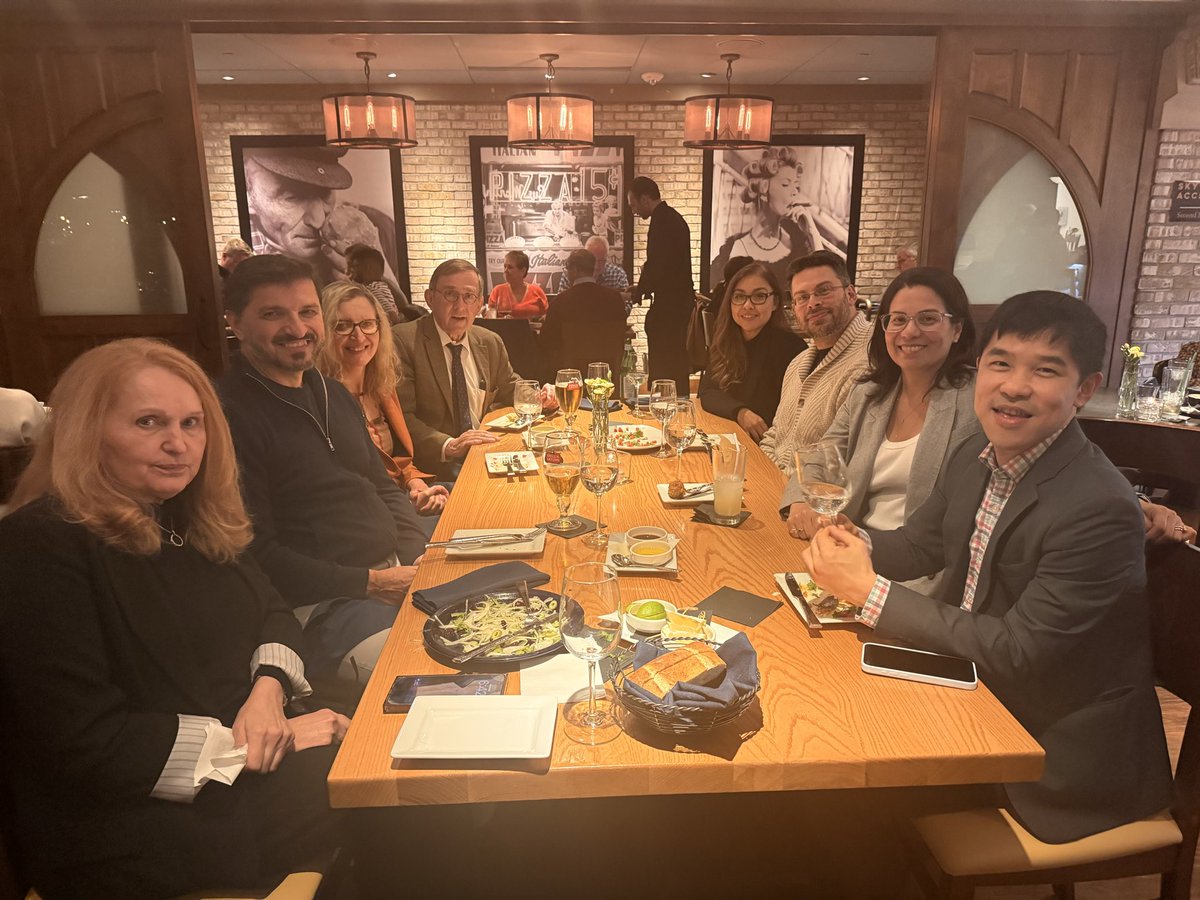
A wonderful evening at our Renal Research Forum Dinner at Mayo Clinic! 🌟 with Dr. Vlado Perkovic @VladoPerkovic from the University of New South Wales
An outstanding talk on the transformation of IgA nephropathy, followed by engaging discussions, wonderful conversations, and opportunities to connect with colleagues and friends.
Thank you, Dr. Perkovic, for sharing your expertise, insights, and inspiration! Truly a memorable evening! 🙏🩺
@VladoPerkovic@MayoClinicNeph
#Nephrology #IgANephropathy #KidneyResearch
KIDNEY WEEK 2026: In IgA nephropathy, proteomics reveals glomerular IgA1/IgA2 and IgG1 deposits, with predominant activation of the alternative and terminal complement pathways.
Cara et al. Kidney Int. 2026.
https://t.co/DXFwkM018p
#IgAN
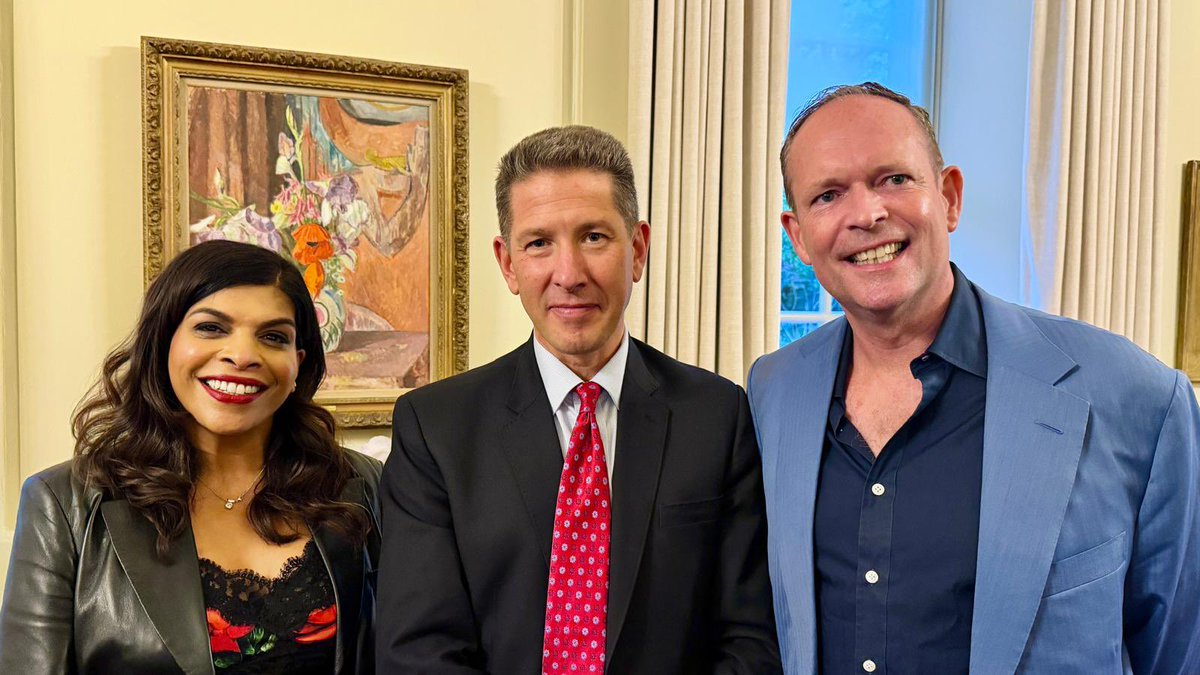
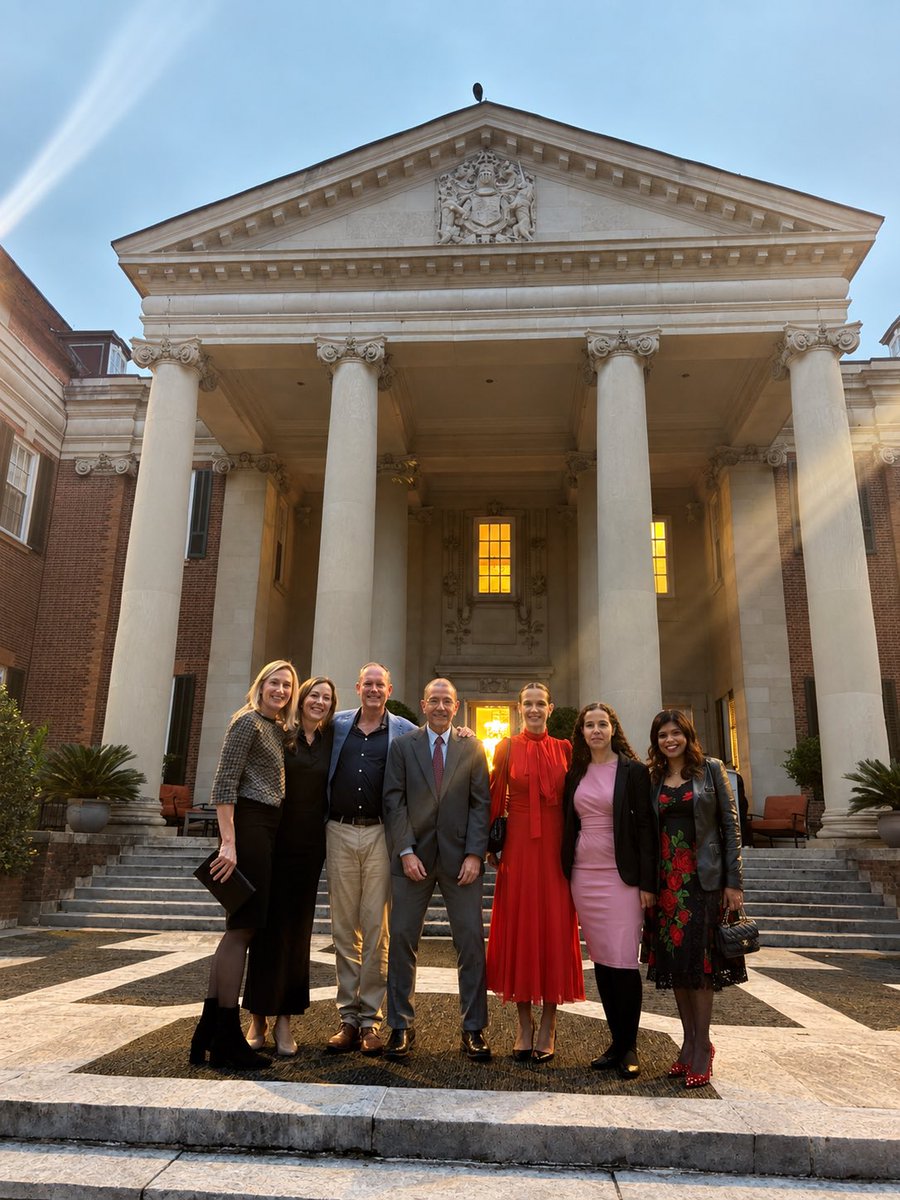
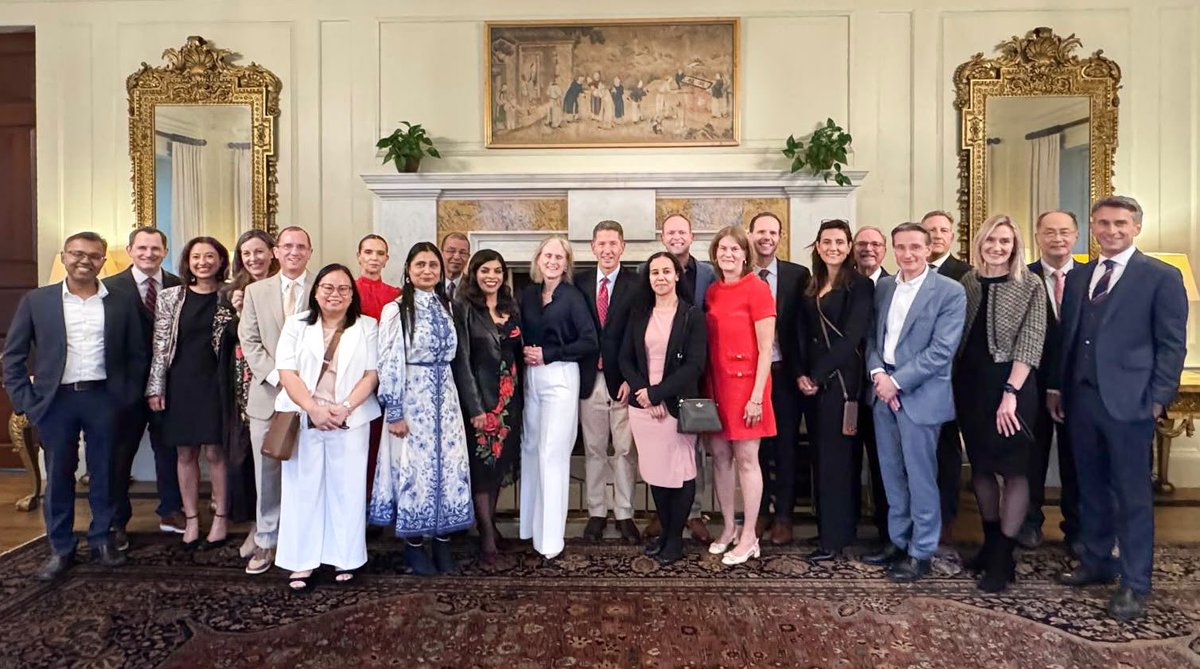
An inspiring evening at the British Ambassador’s Residence in Washington, DC bringing together clinicians, researchers, advocates and policymakers united by a shared mission: ensuring cardiovascular health is central to every stage of cancer care.
Grateful to Sir Christian Turner and colleagues for hosting the Royal Brompton Hospital Cardio-Oncology reception, and proud to mark the forthcoming @TheLancet Group Cardio-Oncology Series ahead of #GCOS2026.
As cancer survival improves, cardiotoxicity prevention, earlier detection and lifelong cardiovascular care must no longer be an afterthought, they must be built into cancer care by design.
#CardioOncology #Cardiology #Oncology #globalhealth #healthcareinnovation
Complete summary and more of IgA nephropathy using mass spectrometry.
1. Majority of IgA is IgA1.
2. Smaller amounts of IgA2 are also present.
3. Both IgA1 and IgA2 colocalize with IgG, showing that the deposits are composed of IgA1/IgG and IgA2/IgG.
4. Dominant IgG subclass is IgG1.
5. J chain that binds monomers of IgA into dimers is present in majority of cases, indicating that the IgA is mucosal derived (as circulating IgA is monomer and doesn’t have J chain)
6. Absence of PIGR indicates that IgA is not derived from secretions such as saliva, tears, etc. PIGR is a peptide in IgA (present in secretions), that prevent the breakdown of IgA by bacteria.
Taken together: IgA immune complexes in IgA nephropathy are made up of antigenic (galactose-deficient) mucosal-derived IgA and IgG.
7. Complement: Large amounts of C3 and C9 indicating alternative and terminal pathways of complement activation.
8. Minimal classical/no lectin pathway proteins.
9. Some correlation with MESTC score but bottom line= all IgA nephropathy shows lots of C3 and C9.
10. Abundant CFHR5 indicating that there is breakdown of C3 into inactive C3=iC3b.
11. Complement is a major player in the inflammatory process in IgA nephropathy.
https://t.co/06ukMk01ss
Drug induced TMA: eculizumab improves kidney function in this complex scenario. Barbarini et al. Nephrol Dial Transplant, 2026.
https://t.co/YesTSd4NWy
Kidney Week 2026: Barbarini et al. studied 31 adults with biopsy-proven TMA and anticancer therapy. 9 received C5 inhibition - treated group had higher rates of renal recovery at 3 months and hematologic recovery at 1 month.
https://t.co/YesTSd4NWy
Wonderful Grand Rounds this morning! 🌟
Dr. Vlado Perkovic from the University of New South Wales as our Visiting Faculty Member at Mayo Clinic!
An outstanding presentation on “Progress in Diabetic Kidney Disease”
@VladoPerkovic
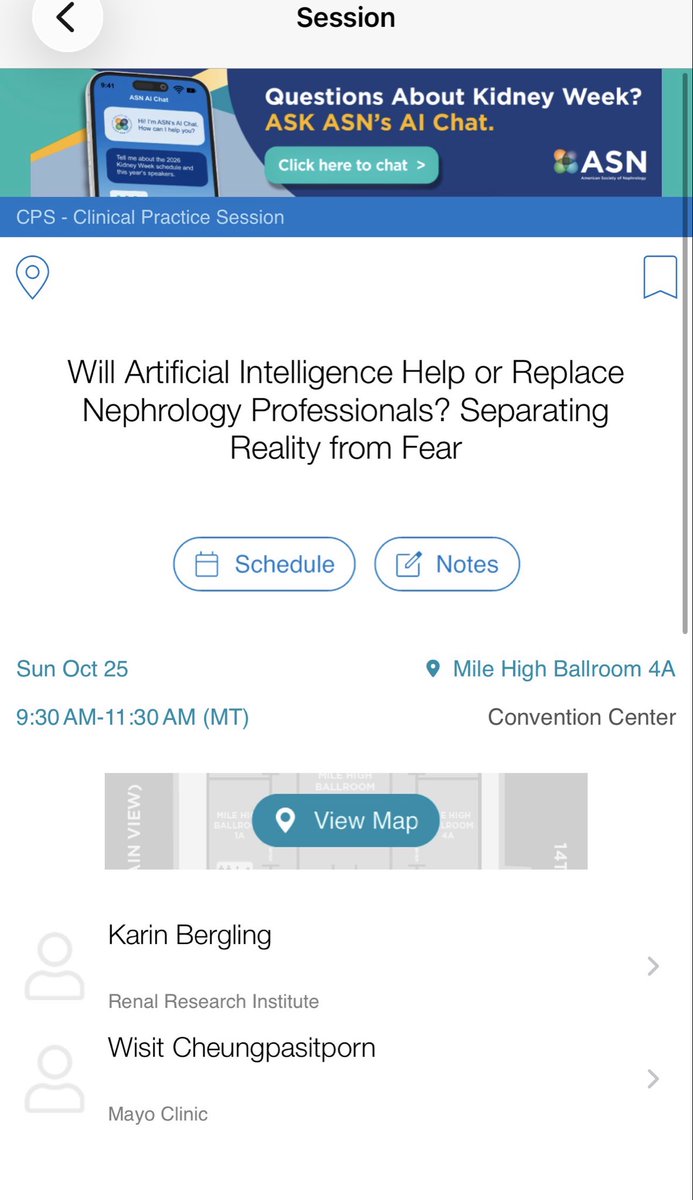
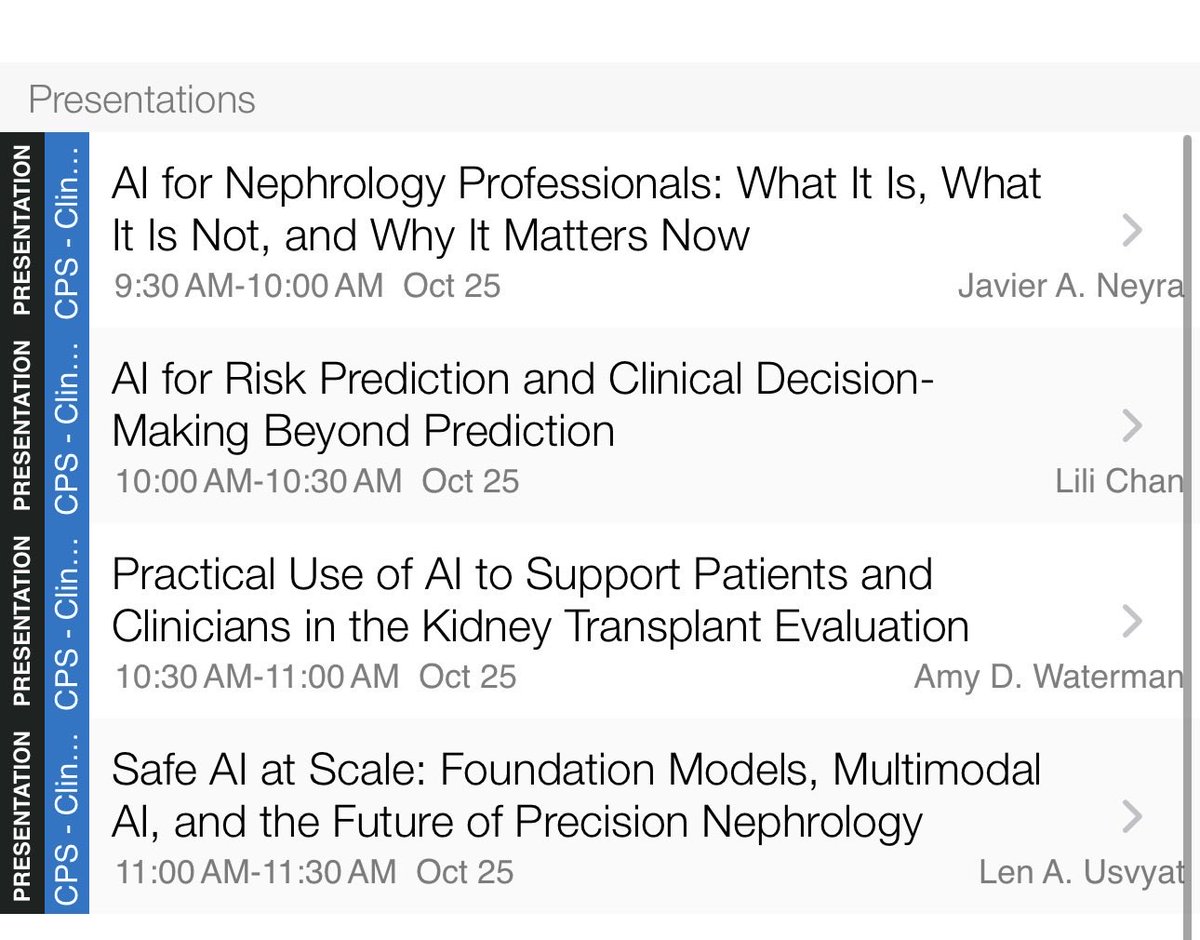
Join Us Tomorrow (Sunday October 25) at ASN Kidney Week 2026 in Denver! 🏔️🫘
🤖 “Will Artificial Intelligence Help or Replace Nephrology Professionals? Separating Reality from Fear” @ASNKidney
AI is rapidly transforming kidney care, prompting both curiosity and concern. What does this actually mean for nephrologists, healthcare professionals, and our patients?
I am incredibly excited to co-moderate this timely Clinical Practice Session alongside Karin Bergling from the Renal Research Institute!
We have an outstanding lineup of experts who will provide a clear foundation on how AI works and explore its current uses, limitations, and future in nephrology:
Event Details:
📅 Date: Sunday, October 25, 2026
⏰ Time: 9:30 AM – 11:30 AM (MT)
📍 Location: Mile High Ballroom 4A, Colorado Convention Center, Denver
We look forward to engaging discussions focusing on practical implications for clinical decision-making, exploring how AI can augment clinical expertise while emphasizing why human oversight and judgment remain absolutely essential.
Will AI replace nephrology professionals, or empower us to deliver better kidney care? Come join the conversation and help us shape the future of our profession! 🙌
Wisit Cheungpasitporn, MD, FACP, FASN, FAST
Professor of Medicine, Division of Nephrology and Hypertension
AI Course Director, Mayo Clinic Alix School of Medicine
Mayo Clinic, Minnesota
#KidneyWk #ASN #KidneyWeek2026 #ArtificialIntelligence #AINephrology #Nephrology #KidneyCare #DigitalHealth #PrecisionMedicine #MedicalEducation #MayoClinic #SI #SuperIntelligence