For Syrian officials, Washington's message is simple: Foreign energy capital is unlikely to flow quickly so long as the world sees their government as an opaque regime with unclear authority and uncertain legal protections, writes @Andrewtabler. https://t.co/zm8vGXeEEM
"Syria may indeed be one of the Middle East’s most promising post-conflict energy opportunities. But until politics catches up with ambition, the sector will generate more headlines than actual recovery," writes @Andrewtabler. https://t.co/zm8vGXeEEM
My latest on the current -
and unfortunately formidable - international and internal obstacles standing in the way of Syria’s energy recovery. https://t.co/hmwbM5wxMM
The war between the U.S. and Iran has turned into a race to see whether Tehran’s oil industry or global energy consumers crack first. Solid analysis from @benoitfaucon https://t.co/jjkuJOmUDz
“If the regime holds on—even a rump regime—what is to stop its missiles and drones from threatening tankers through the Strait of Hormuz, and the energy infrastructure of America’s Gulf allies at the time of their choosing?” said Andrew Tabler, a White House official in Trump’s first administration and senior fellow at the Washington Institute for Near East Policy. “Its ability to impact energy prices would be enormous.” @Andrewtabler
https://t.co/0CrF3uViqv
Here's the promised historical data perspective on how Gulf War III compares in terms of disruption size and available spare capacity.
@RapidanEnergy
https://t.co/7BQidJY0Qa
“We are looking at what is by far the biggest disruption in world history in terms of daily oil production,” said energy historian Daniel Yergin. “If it goes on for weeks, it will reverberate across the global economy.”
https://t.co/QOTuFFMx78
Must read from my colleague @DevorahMargolin on major unanswered questions on former ISIS detainees in NE Syria . Occurring unfortunately as ISIS attacks increase. Watch this space. @WashInstitute https://t.co/y5z4VWzgjF
MUST WATCH: Tune in at 10AM ET as Amb. James Jeffrey and @Andrewtabler testify before the House Foreign Affairs Committee. @HouseForeignGOP@HouseForeign
https://t.co/JfzON8PiMc
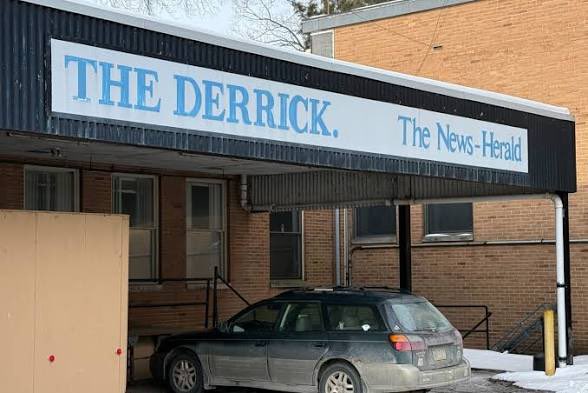
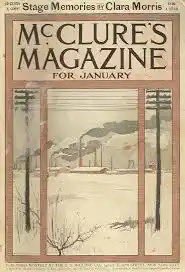
Small town newspaper that did the most robust reporting during the beginning of the industrial age when the oil boom struck in Pennsylvania--giving birth to Carnegie, Rockefeller & muckracking journalism that led to the breakup of Standard Oil--to close https://t.co/OEzO8hwJ7f
Tune in on Tuesday, February 10 at 10AM ET as Amb. James Jeffrey and @Andrewtabler testify before the House Foreign Affairs Committee.
@HouseForeignGOP@HouseForeign https://t.co/JfzON8PQBK
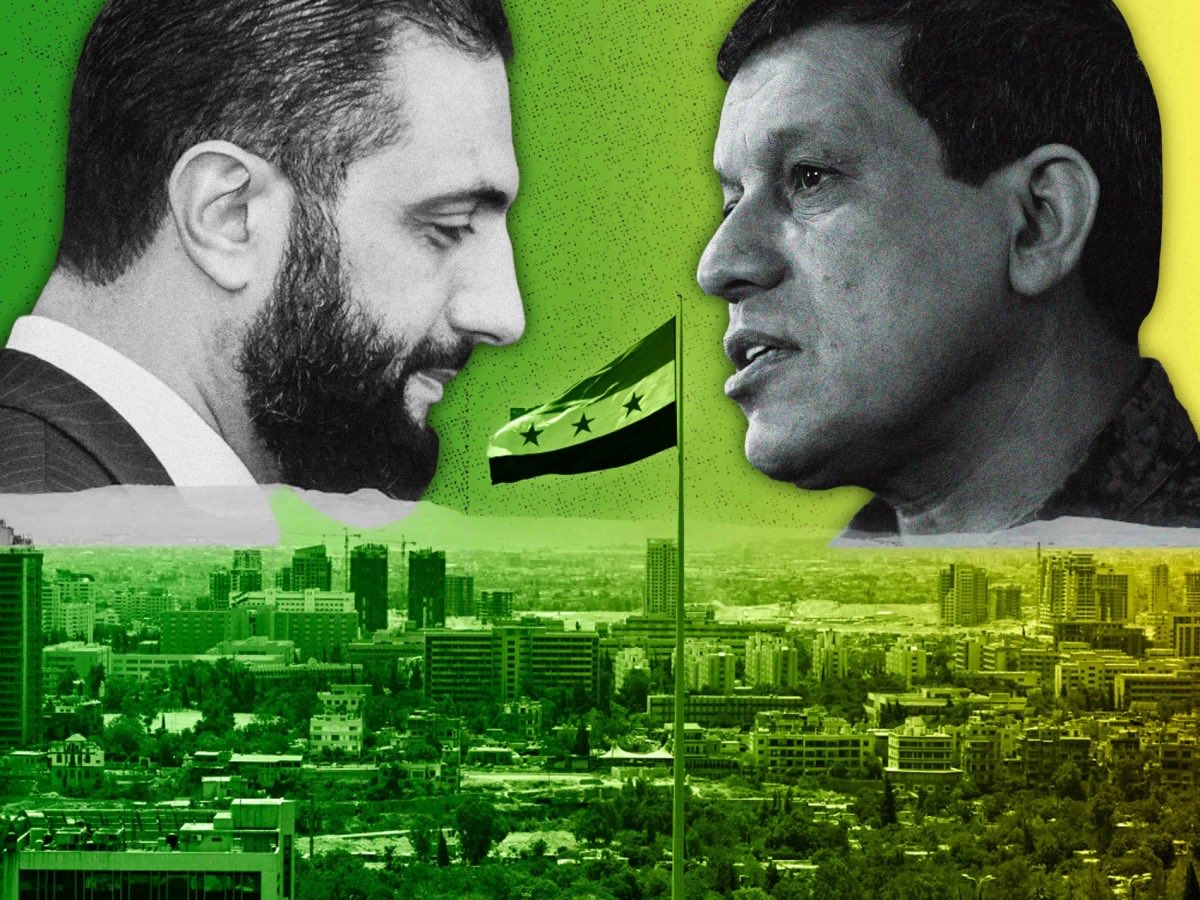
Exclusive: According to the agreement between #Syr Gov and #SDF signed on January 27 and announced on January 30, on the first day—Monday—15 security vehicles will enter both al-Hasakah and Qamishli.
On the following day, the Rumeilan and Suwaydiyah oil fields will be handed over, with employees integrated into the Ministry of Energy.
On the third day, Qamishli Airport, from which Russia has withdrawn, will be handed over to the Civil Aviation Authority, and a team from the Border Crossings Authority will be sent to the Semalka crossing.
There will be a military withdrawal from the cities of al-Hasakah and Qamishli to agreed-upon barracks, with the army withdrawing to al-Shaddadi after the completion of the evacuation of ISIS elements.
After that, the process of integrating the institutions of the Autonomous Administration into state institutions will begin, and employees will be formally confirmed in their positions.
The agreement also includes the start of forming a military division consisting of three brigades for al-Hasakah and one brigade in Ayn al-Arab (Kobani).
According to a source speaking to Al-Majalla, this means restructuring and forming three brigades into a division comprising about 16,000 fighters from the Kurdish People’s Protection Units (YPG), who had been part of the Syrian Democratic Forces (SDF) before a large number of Arab fighters left it, as well as forming a brigade of about 6,000 fighters in Ayn al-Arab (Kobani).
The agreement includes appointing key positions such as the Governor of al-Hasakah, the Assistant Minister of Defense, and the Deputy Director of Security for al-Hasakah (with the SDF nominating and Damascus approving). Damascus has appointed Marwan al-Ali (formerly Director of Criminal Security) as Director of Security in al-Hasakah.