IT networks, security and infrastructure. lately: what happens when you hand an agent the keys to any of it. Fractional CTO/CISO. Film scoring in a past life.
@zeeg@MeshyAI@Blender The above are all in a 1-2 turn pass. I think Meshy scales with models scaling lately and is worth a check. Assets come out pretty detailed from Meshy imo blender rendering physics, animations and sockets has been the harder job.
@Jhaddix Ok so we are on that same path. When I’m doing this though (my product focuses more on hardware settings, tenant best practices, security, cross patch, etc) I’m finding the context gets filled quickly pulling raw settings so I am balancing truncating verbose data and skill usage.
@trq212 The problem often lies (in my experience) being able to identify the areas you don’t know and ask follow up questions to understand the nomenclature and framework. At the same time AI raises the floor so a Dunning Kruger type effect usually takes hold first before you do the work
@zeeg You give it a credit card and a budget for this? Wondering how people are ok with making these purchases, it’s like giving a credit card to a teenager and hoping it doesn’t make a mistake and being pleasantly surprised when it does a good job.
I’ve seen a couple of posts about this so wanted to demystify. Today, every Muse user gets a free computer in the cloud. It's a real computer, and we’ve designed the security architecture of the Muse Secure VM carefully so you and your Muse can do almost anything you could with a computer sitting under your desk while keeping you and the system safe from threats like prompt injection. We wrote about this at length in our security blog post – https://t.co/7HmiTrzoTd. Activity in the “runtime cell”, which you share with your Muse is unfettered, but sensitive actions are all overseen by the Sentinel, which runs outside of that cell. Similarly, all sensitive secrets - like the passwords you enter into Muse’s secure credential storage - are also stored outside the runtime cell.
The runtime cell gets its own root filesystem (including a full Ubuntu linux image) separate from the host filesystem where your other more sensitive data lives. Because it is isolated from the sensitive stuff that runs on the same box, this means that we can, and do, offer users full visibility and control over the files in the runtime cell. Just as you can when you install Linux on your home computer, you can poke around and see all the files that make the system work - both debian system files and the binaries and data files that implement the parts of Muse which run in the runtime cell.
This was a very deliberate choice - your Muse Secure VM truly is your own computer in the cloud. You can install software in it, write and compile code, use the browser to surf the web: it is your own Linux box that you can operate as you choose with your Muse. Poking around in this computer doesn't give you any privileged access to Meta infrastructure, or to other people's data
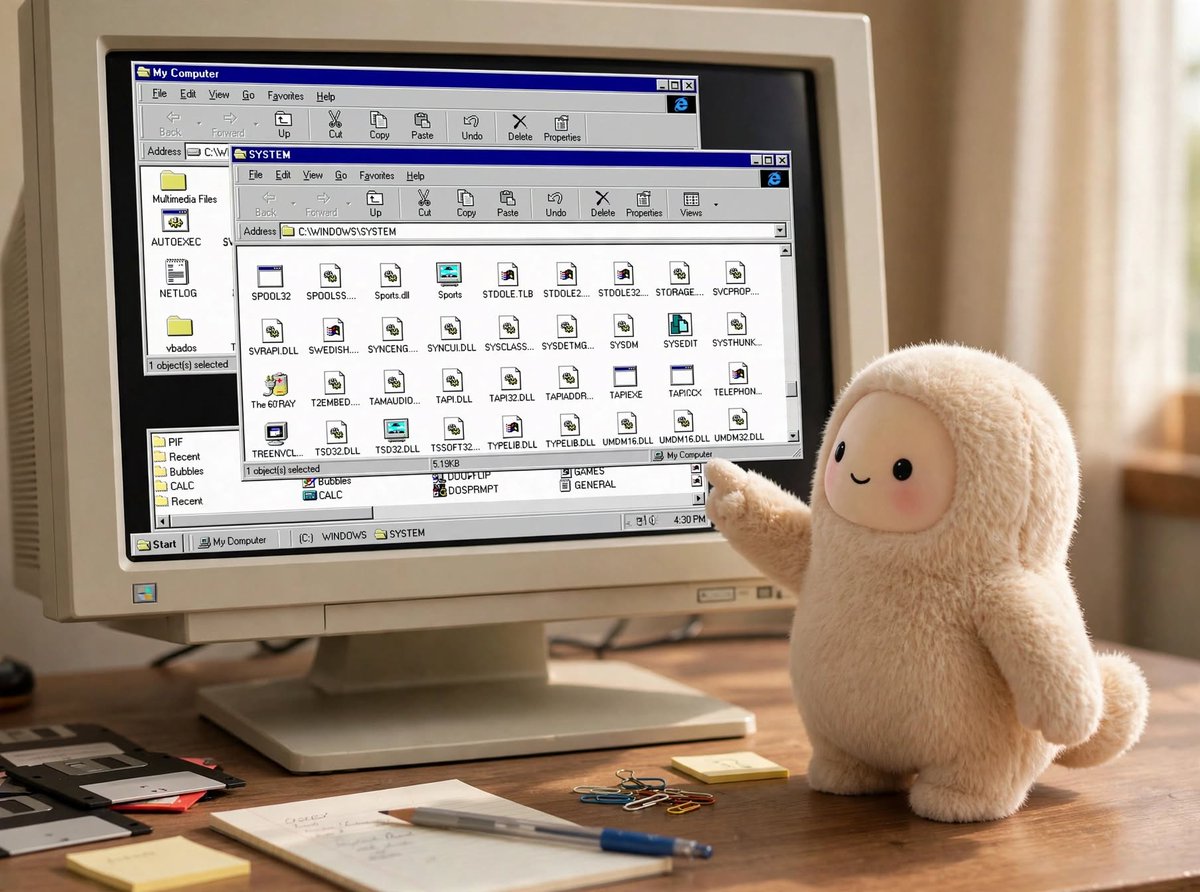
If I may geek out a little here for a second… As a kid I loved to take things apart to see how they worked. As a teenager I got into computers and soon found myself drawn to C:\WINDOWS\SYSTEM and the system registry, later Slackware’s /dev/, /proc/ etc – I could see how the system was laid out and as I explored what DLL files and .so files actually did, I gradually became able to meld the computer to my own will.
We’re really proud to be able to put a real computer in millions of people’s hands with a similar level of transparency. We built a file explorer right into the Library tab of the UI. We want you to be able to see the markdown files Muse writes while it thinks about how to serve you better, and explore the internals of the system if you’d like to.
So, when you ask your Muse to show you its entire filesystem, and receive gigabytes of files you’re seeing the full contents of the runtime cell. It’s yours to explore and enjoy!
If you’re not a geek like me, or simply want to download the data that you personally have created directly with your Muse, we added a feature for that too in Settings > Data controls > Download your agent data.