https://t.co/cJ7xEHBs6q
Our new article
Early Life Mild Adversity Affects in a Sexually Dimorphic Way the Oxytocinergic System Reducing Close Social Interaction in Adult Male Rats
🌈 Our June issue is live! 🌈
We feature #Pridemonth and we bring new content on #LGBT+ mental health, substance use disorders, #stress, #PTSD, #psychedelic-assisted therapy, Alzheimer's disease & more 👇
Cover design: @Marina_C_Spence
https://t.co/WuW6DEXHmC
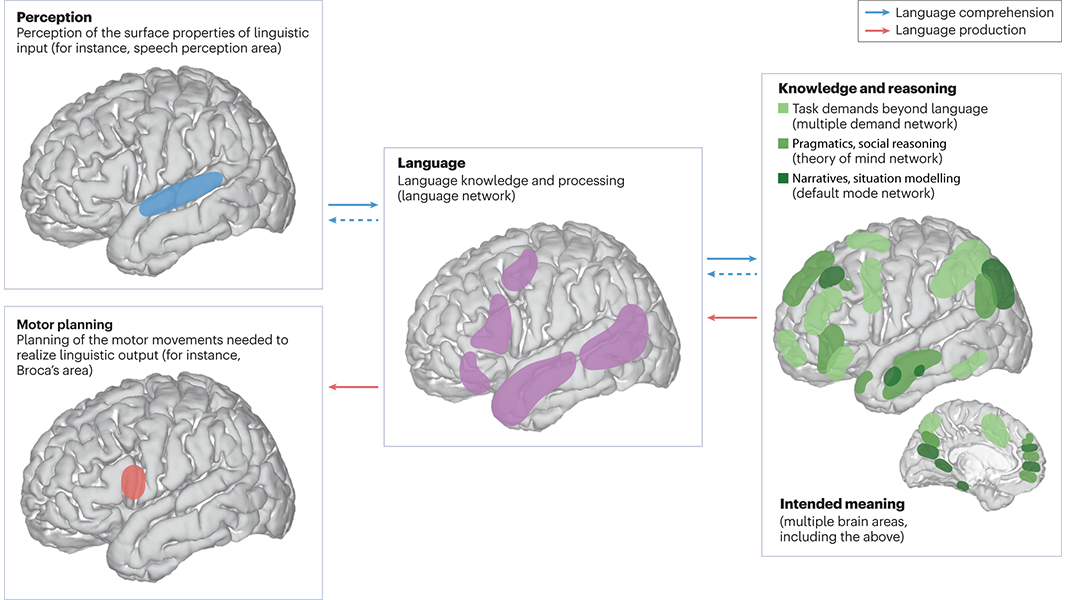
A Review in @NatRevNeurosci disentangles the ‘core’ language system as functionally distinct from the perceptual and motor brain areas and knowledge and reasoning systems it closely interacts with during language comprehension and production. 🔒 https://t.co/m5gH8GcDRH
Our lab's first review paper has landed https://t.co/w3Ec00C4JN, covering molecular tools that enable precise recording and playing back neural activity.🧠
Happy to publish with one of my favorite societies, @KSMCBofficial! Special shoutout to all of the authors👏
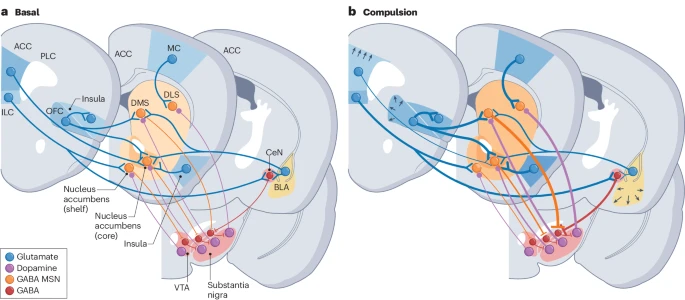
From compulsivity to compulsion: the neural basis of compulsive disorders — a Review by Trevor W. Robbins, Paula Banca & David Belin
@PaulaBanca1@belin_david
https://t.co/MmjJk8H1GI
💫 Interested in making an impact on #behavioural#neuroscience?
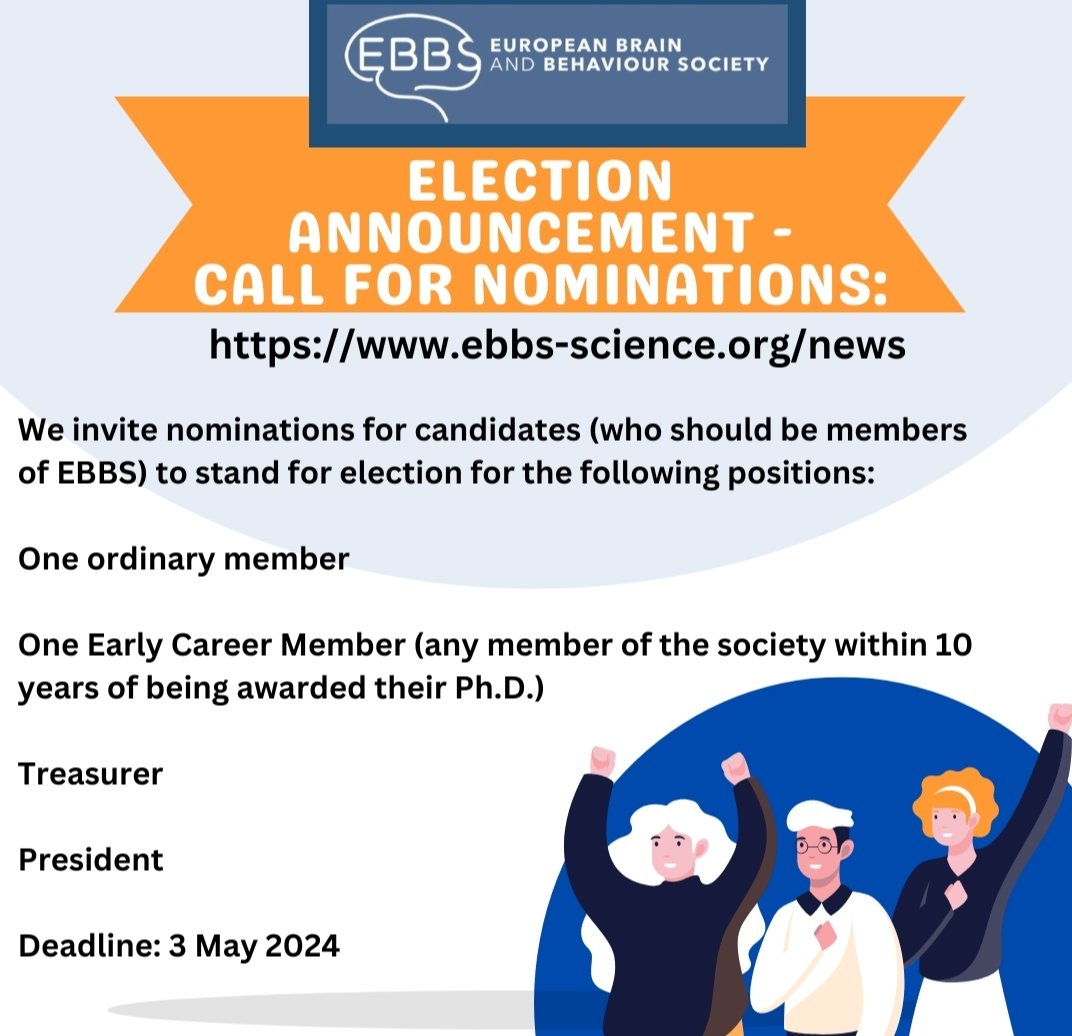
EBBS Election announcement: Call for nominations
-Ordinary member
-Early Career Member
-Treasurer
-President
https://t.co/qKs799o0OV
Deadline: 3 May 2024
@e_knapska@eastondurhampsy@IgorBranchi
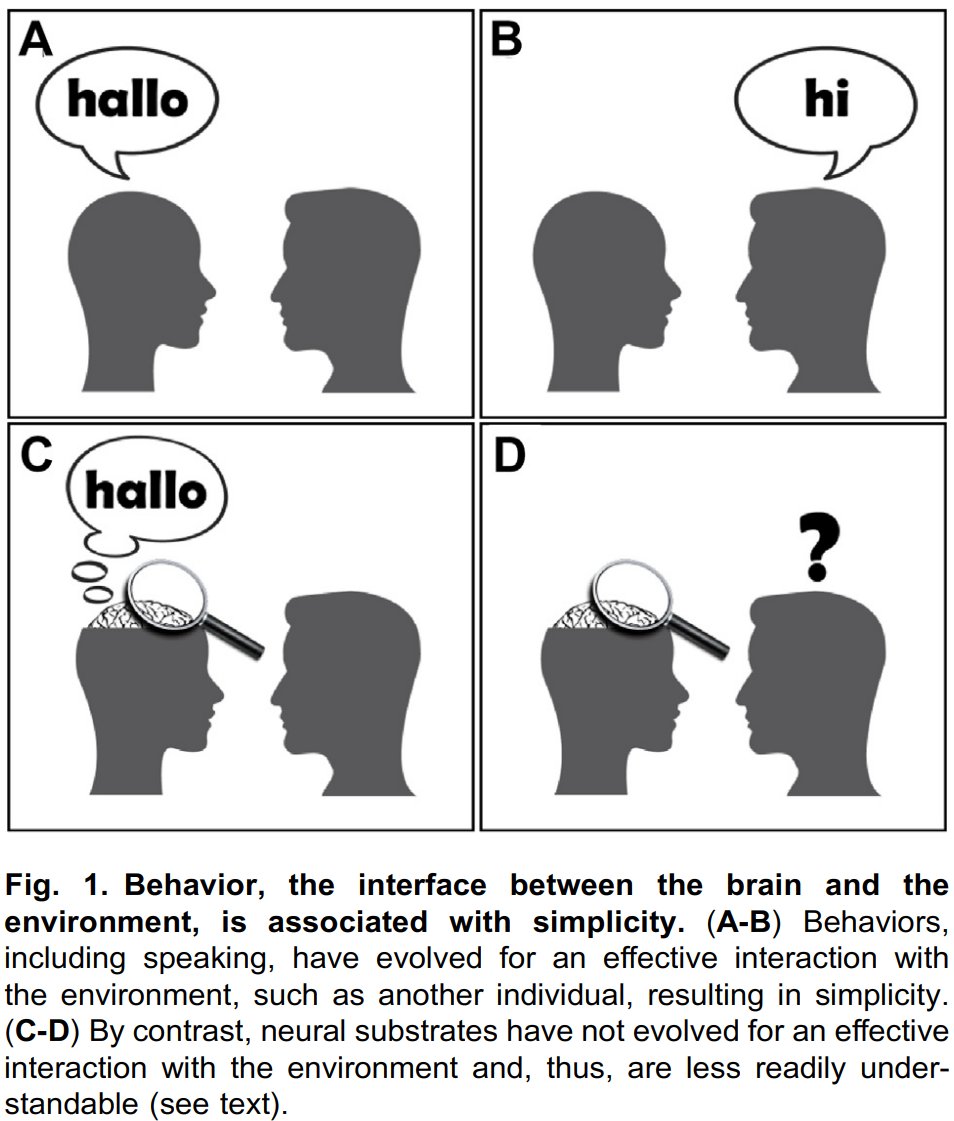
Simplify neuroscience, TACKLE COMPLEXITY AT THE INTERFACE
In complex system, simplicity doesn't reside at the microscopic scale, as hypothesized by reductionism, but manifests at the system boundaries where the interface lies
A @NeurosciIBRO perspective
https://t.co/9vBTBkxi19
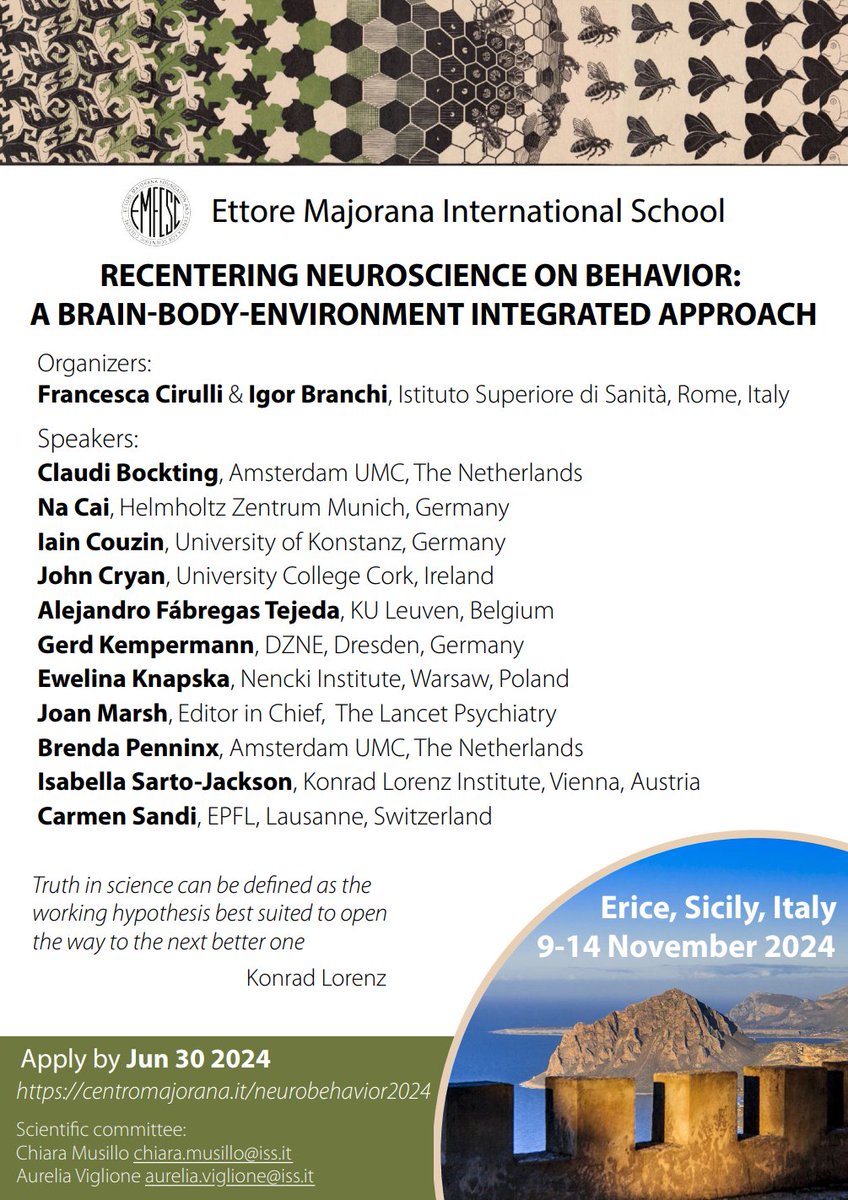
Interested in studying brain, behavior and psychopathology in a complex and integrated perspective?
Join the School:
RECENTERING NEUROSCIENCE ON BEHAVIOR: A BRAIN-BODY-ENVIRONMENT INTEGRATED APPROACH
Great speakers!
Erice, Sicily, Italy
Nov 9-14, 2024
https://t.co/81AiSmfDPD
A study of more than 100 birthing parents showed that pregnancy and birth cause changes in brain circuits that may be involved in empathy and bonding with the child https://t.co/4mlQeCR5mm
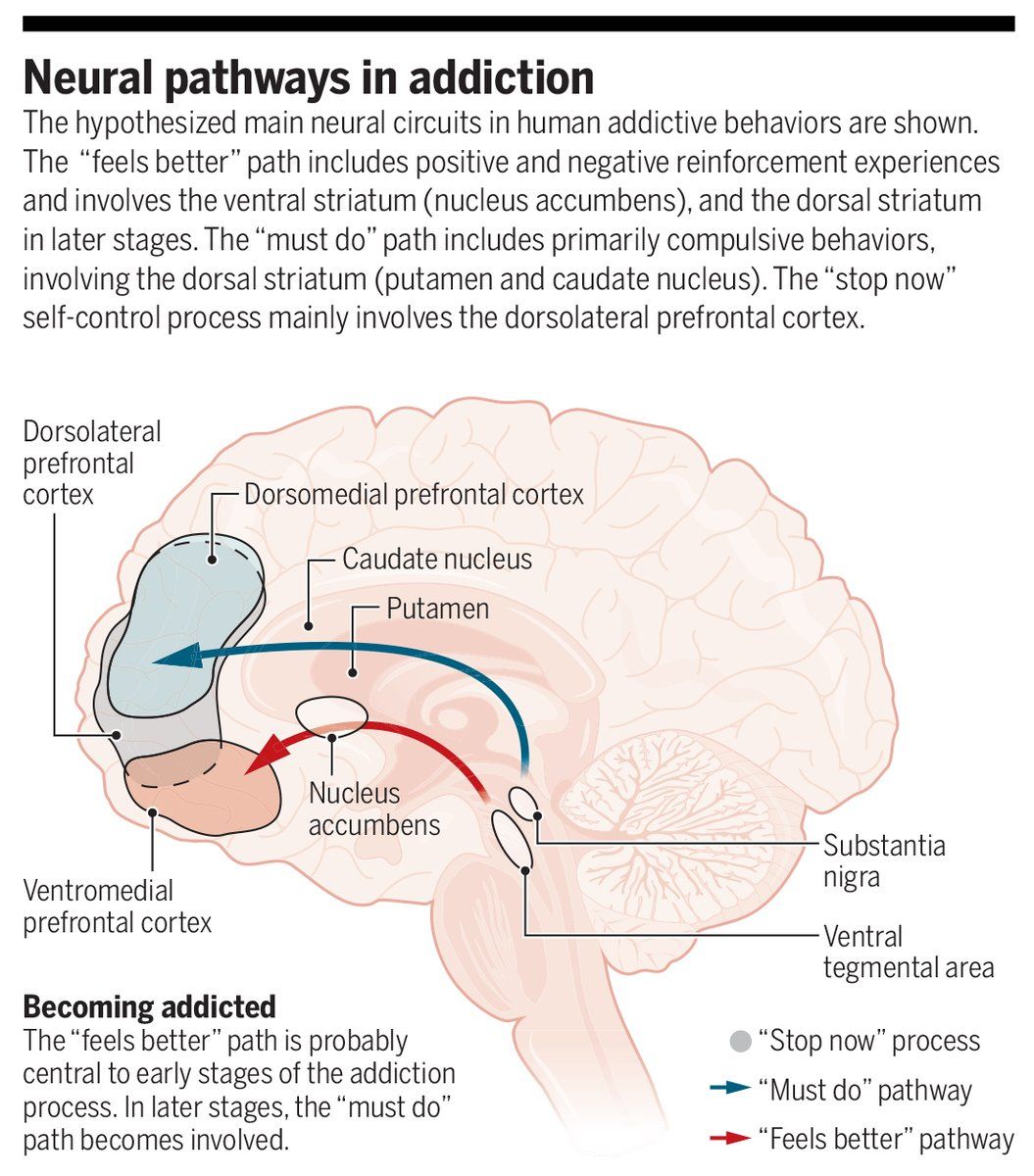
Becoming addicted involves a change in the "feels better" path to the "must do" path. These are different circuits in the brain, which are really hard to have complete control of. Better not even start it.
"I am a loser." "I am amazing." In depressed and non-depressed patients, OFC responds equally during negative judgments, but OFC responses during positive self-judgments are nearly absent in those with high depression scores! https://t.co/8XggwbjnYC
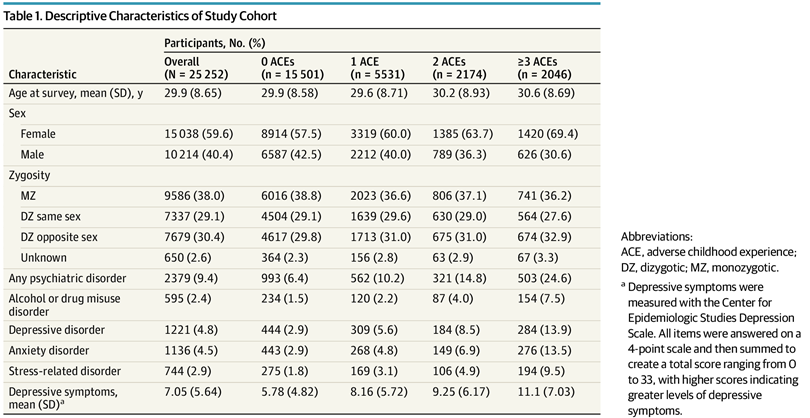
Important study on Adverse Childhood Experiences in twins.
"These findings support an association between ACEs and poor mental health in adulthood, notwithstanding evidence for familial confounding from shared genetic and environmental factors."
https://t.co/ECFeW8xMSW