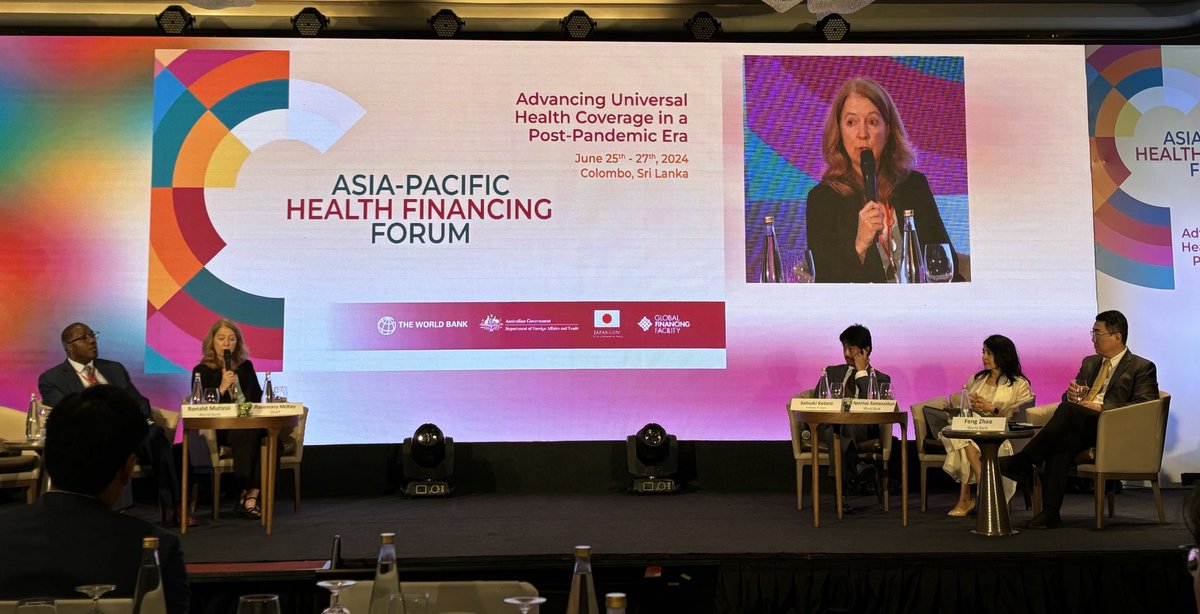
Low quality services with poor coverage often reflects inadequate public financing. Increasing domestic resource mobilisation has to be part of the solution for most countries in the region. #APHFF@WBG_Health@JLN4UHC@theGFF@ajtndn@SomilNagpal
Change cannot wait. We need to make health systems more resilient.
Now is the time for every country to make resilience investments before the next emergency strikes.
Blog by @WorldBank Global Director for Health, Juan Pablo Uribe. https://t.co/cMSjFKeVCp
COVID, natural disasters & global inflation risk reversing progress in building the #Pacific's #humancapital. The World Bank's new Public Expenditure Review looks at where government finances can be strengthened in 9 countries to improve health care: https://t.co/XNIey4fQn0
Pandemic preparedness & advancing #universalhealthcoverageare 2 sides of the same coin. When we all have equal access to quality health services, no matter where we live or what our income is, we're more prepared for future health crises. #HealthForAll https://t.co/84akxYP4SW
1⃣- Strengthen #primaryhealthcare, as an efficient and equitable solution to improving health outcomes, especially in the Asia-Pacific, where the burden from uncontrolled NCDs is high.
#InvestInHealth
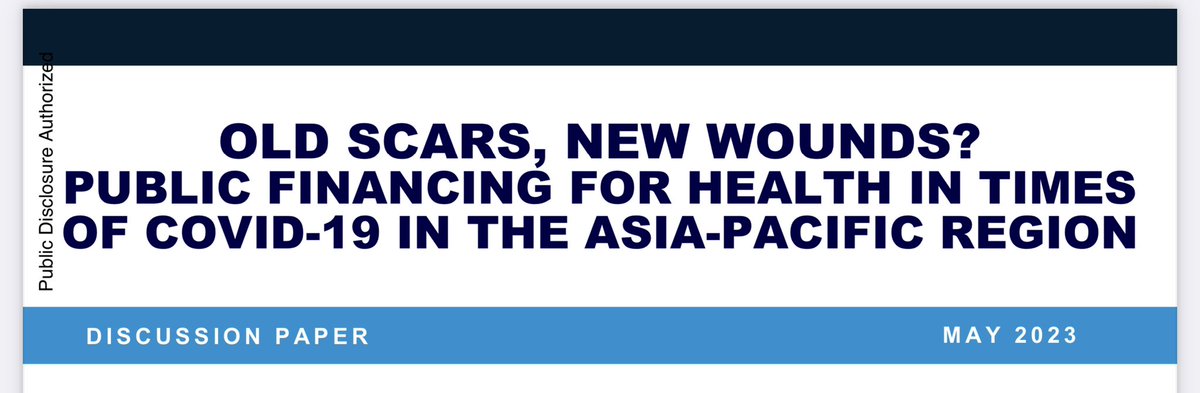
Delighted to see this new @WorldBank discussion paper presented today at the global health symposium in #Nagasaki - Old Scars, New Wounds? Public Financing for Health In Times Of COVID19 In The Asia-Pacific Region.
#InvestInHealth#HealthForAll
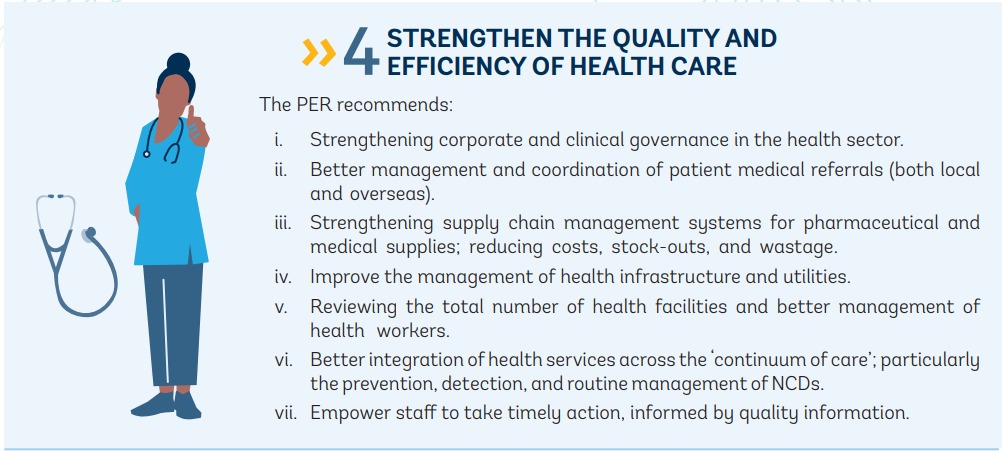
The paper identifies 3 specific #healthreform opportunities that can improve the efficiency and equity of public health spending (#morehealthformoney) while justifying #moremoneyforhealth by demonstrating its effectiveness. They are:
🔑takeaways from @MamtaMurthi's presentation in Nagasaki this morning:
🔹There's power in partnerships to address #globalhealth challenges
🔹Together, we can build a healthier, resilient world where everyone can access quality healthcare, well-being & prosperity.