""کیا انصار اللہ کبھی مکہ یا مدینہ پر حملے کا سوچ بھی سکتے ہیں؟ میرا جواب دو ٹوک انداز میں نفی میں ہے۔""
حوثیوں کے مبینہ طور پر مکہ کو نشانہ بنانے کے بارے میں سنسنی خیز، جذباتی اور ممکنہ طور پر خطرناک دعوے کرنے سے پہلے ایک اہم فرق کو سمجھنا ضروری ہے۔ "حوثی" اس تنظیم کا رسمی نام نہیں ہے۔ یہ نام حسین بدر الدین الحوثی (1959) سے آیا ہے اور اس تحریک سے مراد ہے جس کی قیادت کا آغاز حوثی قبیلے سے ہوا، تاہم اس کی رکنیت حوثی قبیلے یا خاندان تک محدود نہیں ہے۔ بعد ازاں موجودہ تحریک جو خود کو باقاعدہ طور پر _انصار اللہ یعنی "اللہ کے مددگار"_ کے نام سے ناخت رکھتی ہے، 1990 میں ایک مذہبی جہادی تنظیم کے طور پر قائم ہوئی۔
البتہ یمن میں حوتی ایک فیملی نام ہے اوراس کی ایک دلچسپ متوازی مثال لفظ "سعودی" نام ہے۔ سعودی عرب کا نام آلِ سعود کے نام پر ہے۔ شاہ عبدالعزیز آل سعود نے 1902 میں ریاض پر قبضہ کر کے اتحاد کے عمل کا آغاز کیا، 1924 میں مکہ اور 1925 میں مدینہ فتح کیا، اور 23 ستمبر 1932 کو پہلی بار باضابطہ طور پر ان علاقوں کو مملکت سعودی عرب کا نام دیاگیا۔ آج تقریباً تمام سعودی آلِ سعود خاندان کے فرد نہیں ہیں مگر سعودی کہلاتے ہیں۔ یہی فرق لفظ "حوثی" پر بھی لاگو ہوتا ہے۔ انصار اللہ شمالی یمن میں ایک زیدی مذہبی احیائی تحریک کے طور پر ابھری اور بعد میں ایک مسلح سیاسی و عسکری تحریک میں تبدیل ہو گئی۔ اس کے ارکان اپنی جدوجہد کو اپنی مذہبی تفہیم کے مطابق جہاد قرار دیتے ہیں۔ انصار اللہ کا نام خود قرآنی تعبیر سے ماخوذ ہے: _"كُونُوا أَنْصَارَ اللہ" یعنی "اللہ کے مددگار بن جاؤ"_ ایک اور دلچسپ تاریخی نکتہ اور تضاد یہ ہے کہ جب مصر کے صدر جمال عبدالناصر نے یمنی جمہوریہ قائم کر کے یمن کو اپنے کنٹرول میں لانے کی کوشش کی تو سعودی عرب نے اس کی بھرپور مزاحمت کی اور اس کے خلاف زیدی تحریک منظم کی اور اس کی بھرپور مدد کی، اسے منظم کیا اور ہر طرح کے اسلحہ اور پیسے سے نوازا، آج زیدیوںکی وہی تنظیم یا تزحریک انصار اللہ کے نام سے ہے اور سعودیوں کے خلاف صف آرا ہے۔
دلچسپ بات ہی کہ شاہ سعود بن عبدالعزیز آل سعود اور صدر جمال عبدالناصر کے دور میں سعودی-مصری محاذ آرائی شمالی یمن کی خانہ جنگی (1962-1970) میں سامنے آئی، جہاں یمن کے مسئلہ پر سعودی عرب اور مصر آمنے سامنے تھے سعودیوں نے زیدی شاہی افواج کی حمایت کی اور سعودی عرب میں انکو پناہ بھی دی۔
ستم ظریفی دیکھیں کہ آج سعودی عرب انہی زیدیوں سے لڑ رہا ہے جن کی 1960 کی دہائی میں ہر طرح مدد کی تھی۔ اس وقت کی جنگ میں سعودی عرب نے امام محمد البدر کے وفادار زیدی شاہی حامیوں کی بھرپور مالی، عسکری اور لاجسٹک حمایت کی۔ ایک اور اہم تاریخی وضاحت یہ ہے کہ حسین بدر الدین الحوثی، جن کے نام پر جدید حوثی تحریک مشہور ہے، 1959 میں پیدا ہوئے ، جدید تحریک تین دہائیوں کے بعد 1990 کی دہائی میں حسین الحوثی کی قیادت میں ابھی جو عملا" 1960 کی زیدی تحریک کا تسلسل تھی۔ کب دوبارہ ابھری تو انصار اللہ کے نام سے منظم ہوئی۔ اس مذہبی پس منظر میں یہ الزام ہی لغو اور ناقابلِ فہم ہے کہ انصار اللہ مکہ یا مدینہ پر حملے کا سوچ بھی سکتی ہے۔ بغیر واضح اور قابلِ اعتماد ثبوت کے ایسا دعویٰ خطرناک انتشار اور فساد کا باعث بنے گا۔ قرآن کی واضح آیت ہے:
*"اے ایمان والو! اگر کوئی فاسق تمہارے پاس کوئی خبر لے کر آئے تو خوب تحقیق کر لیا کرو، کہیں ایسا نہ ہو کہ تم نادانی میں کسی قوم کو نقصان پہنچا بیٹھو، پھر اپنے کیے پر پشیمان ہونا پڑے۔" (الحجرات: 6)*
یہ کہنا کہ 15 ستمبر 2026 کو مکہ کے جنوب میں ایک حوثی ڈرون روکا گیا، تو انصار اللہ نے مکہ یا دیگر مقدس مقامات کو نشانہ بنانے کی سختی سے تردید کی ہے۔ انصار اللہ سے کسی بھی سیاسی یا نظریاتی اختلاف سے قطع نظر، اسلام کے مقدس ترین شہروں پر جان بوجھ کر حملہ کرنا انصار اللہ کی مذہبی شناخت سے یکسر متصادم ہے جس کے تحت یہ تحریک اسلام کے نام پر کام کرتی ہے۔ مجھے جس چیز پر تشویش ہے وہ شدت ہے جس کے ساتھ پاکستان میں اس الزام کو ہوا دی جا رہی ہے۔ مکہ اور مدینہ کا نام لینے سے فطری طور پر طاقتور جذبات بھڑکتے ہیں اور یہ آسانی سے شکوک و شبہات، فرقہ واریت اور تقسیم کو ہوا دے سکتا ہے۔ جبکہ اسرائیلی فالس فلیگ آپریشن (FALSE FLAG OPERATION) یعنی اسرائیلی ملوث ہونے کا امکان بھی پوری طرح موجود ہے۔ قرآنی اصول مستحکم ہے: ایسی خبر پھیلانے سے پہلے تصدیق کریں۔ مقدس شہروں سے متعلق الزامات اعلیٰ ترین ذمہ داری کا تقاضا کرتے ہیں۔ پہلے سے ہی گہری تقسیم کا شکار مسلم دنیا میں غیر مصدقہ دعووں کو کبھی بھی مزید انتشار پیدا کرنے کا آلہ نہیں بننا چاہیے۔
اہل وطن کو یوم آزادی مبارک!
قائد اعظم کا پاکستان دفن ہو چکا ہے
انا للہ و انا علیہ راجعون
بیرسٹر حسان نیازی کی غیرقانونی حراست کو آج پورے تین سال ہو چکے ہیں
13اور 14 اگست 2023 کی درمیانی رات یعنی 1145PM, ریاست پاکستان نے ماورائے آئین وقانون یعنی آئین اور قانون کی دھجیاں اڑا کر میرے بیٹے کو گرفتار کیا ، دو ماہ غیرقانونی اغوا رکھا گیا اور پھر ریاست نے اپنے دائیں ہاتھ سے میرے بیٹے کو اپنے ہی بائیں ہاتھ کے حوالے کر دیا یعنی کہاپنی ہی (فوج کی) تحویل میں رکھ لیا فوجی تحویل میں کینگرو ملٹری کورٹس کے ذریعہ فراڈ جھوٹا مقدمہ قائم کر کے دس سال قید کی سزا سنا دی گئی، آج بھی حسان نیازی کو ہائی سیکورٹی جیل کی بیرکوں میں رکھا گیا ہے ۔ فراڈ گرفتاری اور فراڈ مقدمہ کے خلاف ہائی کورٹ میں ایک سال سے اپیل دائر کر رکھی ہے، چار بنچ بنے اور چاروں بینچوں نے سننے سے معذرت کر لی ، اب پانچواں بینچ پچھلے اٹھ مہینوں سے کیس لٹکائے بیٹھا ہے، اور چھٹیوں کے بعد کیس سننے یا نہ سننے کا پتہ چلے گا۔
حساس ادارے کے ایک افسر کی بارُعب آواز آج بھی میرے کانوں میں گونج رہی ہے کہ پانچواں چھوڑ چھٹا ساتواں آٹھواں بینچ آ جائے تمہارے بیٹے کا کیس نہیں سنا جائے گا۔۔۔ نہ کوئی بینچ نہ سنے گا نہ فیصلہ دے گا صرف کیس لٹکائے گا۔مجھے اپنے کمزور سویلین ہونے اور اپنی کم مائیگی اور بے بسی پر شرمندگی ہے۔
انا للہ و انا علیہ راجعون
کیسے مان لوں کہ آئین اور قانون کی دھجیاں ازانے والے مکافات عمل سے بچ جائیں گے، ایک ہی آسودگی ہے ایسوں کی ایک شیلف لاہف اور ایک expiry date ہے، پچھتر سالہ تاریخ میں ایسے ساروں کو عبرت کا نشان ببتے دیکھا ہے، کیسے مان کوں کہ اج کے کردار بچ جائیں گے۔
I must speak of my own house, for the gravest damage was done not by generals or bureaucrats but by judges. The judiciary was meant to be the citizen’s shield — the one institution whose purpose is to say no to power on the authority of law. But it too was a colonial inheritance, and carried the reflex in its bones: under the Raj it had served the sovereign, not the subject, and at independence it transferred that loyalty from the departed Crown to the new establishment, not the people. So when the tanks rolled, the courts, again and again, said yes. They fashioned a doctrine of necessity to legalise the seizure of power; they swore in usurpers; they dressed lawlessness in the robes of law. The colonial mind inside the judiciary has cost this country more than any single dictator, for it turned the guardian of the Constitution into the notary of its breach.
https://t.co/YDMXYwZFZJ
There it is. Modi will not attend Ali Khamenei funeral.
Extremely unfortunate for India.
At the time when the world is going through a once in a century change, India has chosen not to stand with Global South nations & the New World Order - where hope, development & prosperity resides.
Nothing should be expected from India's BRICS presidency this year!
@MiftahIsmail Islamic banking in Pakistan the way it has been structured, is more exploitative. Here Islam is being used to make more profit and that precisely is the reason that more and more banks are opening Islamic branches
Heavy mechanized movement is currently being tracked across the eastern border.
Indian forces have actively mobilized elements of their II Strike Corps and XI Holding Corps.
This is not a normal training drill.
The II Corps, widely known as the Kharga Strike Corps, is headquartered in Ambala, Haryana. It operates as the primary offensive spearhead for the Indian Army's Western Command.
This massive formation is explicitly built for rapid, deep penetration across the western border.
The Kharga Corps is the operational core of India's "Cold Start" doctrine. Its singular strategic goal is to mobilize from its cantonments instantly and execute high-speed kinetic thrusts before opposing strategic reserves can be fully deployed.
The XI Corps, designated as the Vajra Corps, is strategically headquartered in Jalandhar, Punjab.
In direct contrast to the Kharga Corps, this formation serves as a critical holding or pivot corps for the region.
Its primary operational mandate is to completely lock down the plains of Punjab and absorb any initial cross-border attacks.
However, this defensive posture is deeply tied to offensive operations.
New Delhi is not just doing routine drills. They are actively syncing their defensive shield with their offensive sword right on the border.
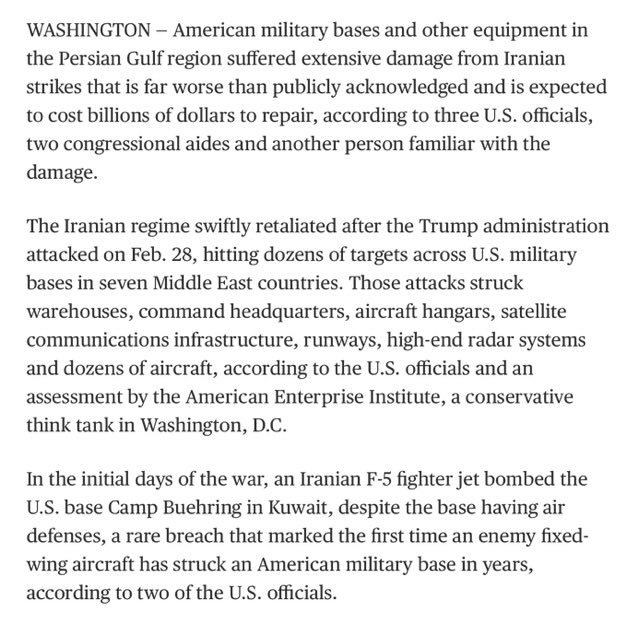
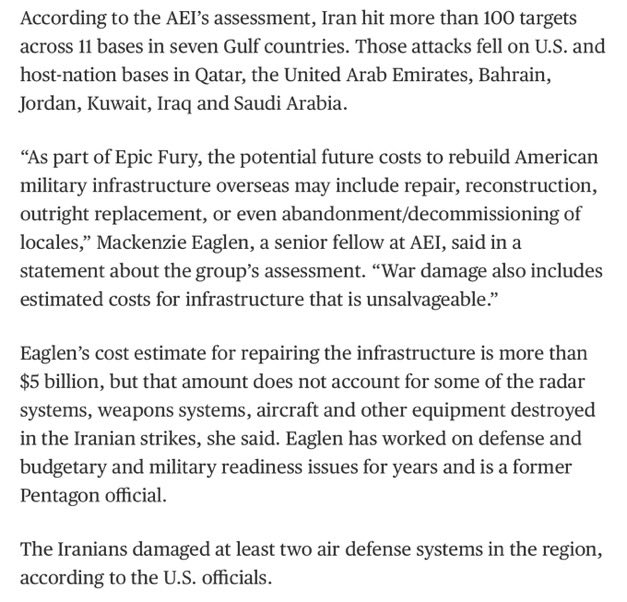
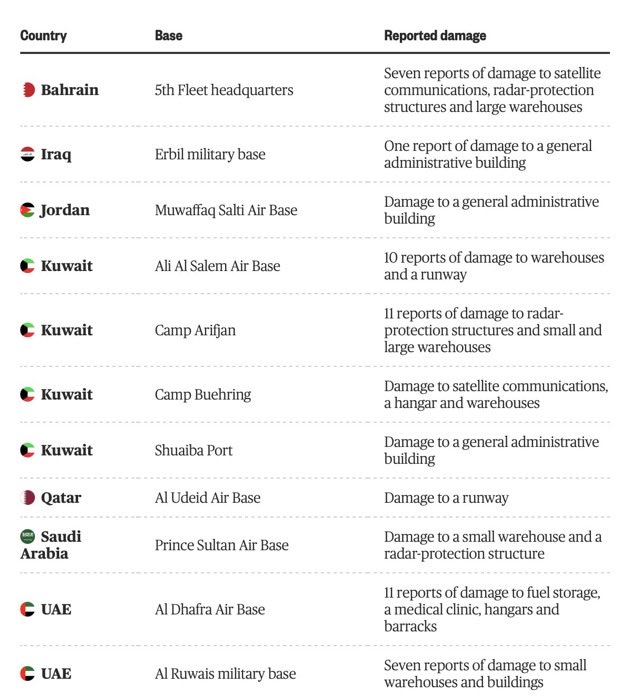
🚨 NBC News confirms for the first time: the Iranian Air Force bombed US military bases in the opening phase of the war.
This was not just missiles and drones.
This was the Iranian Air Force.
Conducting airstrikes on American bases.
And we’re only finding out now.
What else haven’t they told us?
#Breaking: Around 94 illegal call centres are operating in the country, revealed senior officials working grey calls scam in FIA and PTA. More than 303 foreigners with connivance of 380 Pakistanis have been involved in grey calls reasoning a huge loss to the national exchequer. Officials filed 95 cases against grey callesters, two of them are high profile figures.
Pakistan’s power corridor just turned into a full-blown family reunion 😂
PM @CMShehbaz arrives in Islamabad → warmly greeted by Deputy PM @MIshaqDar50 (his brother-in-law).
Then rolls in ex-PM & MNA @NawazSharifMNS (the big brother), welcomed by his little brother, the current PM.
Joined by CM Punjab @MaryamNSharif —> daughter of the ex-PM, niece of the current PM, and sister-in-law of the Deputy PM.
And of course, completing the squad: ex-MPA & Retired Captain @CaptSafdarAwan (Maryam’s husband).
They sure know how to keep it in the family… Pakistan’s most exclusive club: ‘PML-N & Sons, Daughters, In-laws & Co.’
No outsiders allowed, merit is overrated when bloodline is this strong 🤨
CONFIRMED: The US joint Chiefs of staff Air Force Gen. Dan Caine stormed out of an emergency meeting with Trump. Insiders indicate that Trump wanted to invoke the nuclear codes as a deterrence against Iran but Caine refused and invoked the U.S. Uniform Code of Military Justice.
A new phase of escalation between #Iran and the U.S.?
🔹A The Wall Street Journal report indicates that the U.S. military is preparing to board Iran-linked oil tankers in the coming days. If implemented, this would mark a significant escalation of the naval blockade previously announced by Donald Trump, shifting from signaling to direct interdiction.
🔹This follows Iran’s decision to once again restrict shipping through the Strait of Hormuz. Tehran’s justification is that the continued U.S. naval blockade is an act of warfare and constitutes a violation of the Pakistan-mediated ceasefire framework.
🔸What we are seeing is a classic cycle of escalation and counter-escalation, driven by both sides’ dependence on coercive leverage.
🔸For Iran, control over the Strait of Hormuz remains its most critical bargaining chip. Indeed, it was the only instrument that materially shifted the trajectory of the conflict, making Tehran reluctant to relinquish it prematurely.
🔸On the U.S. side, Trump appears to view the naval blockade, whether fully enforced or not, as central to his coercive diplomacy. Maintaining pressure is seen in Washington as necessary to extract concessions, particularly on unresolved strategic issues.
🔸The main problem is that both the reopening of the Strait and the cessation of hostilities were core elements of the ceasefire arrangement. But now both sides are attempting to preserve pressure tools that directly undermine the ceasefire itself. The result is the erosion of the ceasefire agreement from within.
🔹There are already signs this dynamic is accelerating.
🔹U.S. preparations to interdict vessels suggest a move toward more aggressive enforcement.
🔹At the same time, Iranian state media report that the Houthi forces in Yemen have been placed on high alert. This may indicate to the potential disruption of Bab el-Mandeb as Iran’s next escalatory step, and it raises the risk of horizontal escalation.
🔸The underlying issue is that neither side appears willing to de-prioritize coercion in favor of de-escalation. Instead, both are testing the limits of the ceasefire while trying to retain maximum leverage. This is a fragile equilibrium, and it may not hold.
🔸Absent a last-minute effort to restore adherence to ceasefire terms, the trajectory points toward renewed confrontation. If that happens, the tentative diplomatic opening seen just yesterday could close as quickly as it emerged.
Did you ask the Ambassador how the decision not to publicly release the report on the February 8 elections aligns with EU’s broader commitments to transparency and accountability? And whether he thinks it’s fair to bury such an important report?
Where are the human chains in DC?
Where are Democrats leading marches?
Where are the celebrities pretending to care about human rights in award shows?
Where are the intellectuals? The scholars? The veterans? The churches?
Where is ANY resistance to this?
Even Nazi Germany had some internal resistance.
This isn’t just Trump.
This is the collective failure of a society.
Iran’s legal position regarding the Strait of Hormuz rests on a firm and multi-layered foundation in international law that has been consistently articulated, formally recorded, and never relinquished.
First, the applicable treaty framework does not support the imposition of the “transit passage” regime on Iran. The UNCLOS introduced transit passage as a novel legal construct, granting expansive rights—including overflight and submerged navigation—to foreign military assets. However, Iran never ratified UNCLOS and explicitly rejected this regime upon signature. Under general principles of treaty law, a state cannot be bound by provisions of a treaty it has not ratified, particularly where it has expressly objected to those provisions at the time of signature.
This position is reinforced by the doctrine of the persistent objector. Even if one assumes, arguendo, that transit passage has evolved into customary international law, Iran has consistently and openly rejected its applicability. As such, it is not bound by that rule.
Second, in the absence of a universally binding transit passage regime, the governing law reverts to earlier treaty law and customary principles, most notably the 1958 Geneva Convention on the Territorial Sea and the Contiguous Zone. Both Iran and key user states such as the United States are not parties to UNCLOS, creating a legal vacuum in which reliance on earlier treaty regimes is not only appropriate but necessary.
Under this framework, the right of passage through territorial seas is not unlimited. It is conditioned on innocent passage, a well-established rule allowing coastal states to regulate navigation to protect their security and public order. Crucially, innocent passage excludes activities that threaten the coastal state, including military operations, intelligence gathering, and acts connected to hostile conduct.
Third, the geographic reality of the Strait of Hormuz strengthens Iran’s legal position. The navigable channels lie entirely within the overlapping territorial seas of Iran and Oman. This is not a high seas corridor but a maritime space subject to coastal sovereignty, albeit qualified by navigational rights. That sovereignty carries with it the right to adopt and enforce laws necessary to safeguard national security.
Fourth, even under UNCLOS itself, the regime of non-suspendable innocent passage remains a legally recognized alternative in certain straits. This regime is more restrictive than transit passage and explicitly allows the coastal state to take necessary steps to prevent passage that is not innocent. Iran’s interpretation is therefore not a legal aberration, but a plausible reading grounded in existing law.
Fifth, and most critically in the present context, the law of armed conflict and the UN Charter fundamentally alter the legal landscape. Following an unlawful use of force against it, Iran is entitled to invoke its inherent right of self-defense. In such circumstances, the legal characterization of passage cannot be divorced from the realities of hostilities. Vessels and aircraft associated with belligerent states—or facilitating military operations—cannot claim protected navigational rights while simultaneously contributing to acts of aggression.
International law has never required a state to permit its own territorial sea to be used as a conduit for hostile operations. On the contrary, the right of self-defense permits proportionate measures to prevent such exploitation. Conditioning passage on neutrality and non-hostility is therefore not only lawful but necessary to uphold the integrity of that right.
Finally, the conduct of other states further undermines any claim that Iran’s position is exceptional. The United States itself is not a party to UNCLOS yet selectively invokes its provisions as customary law when convenient.
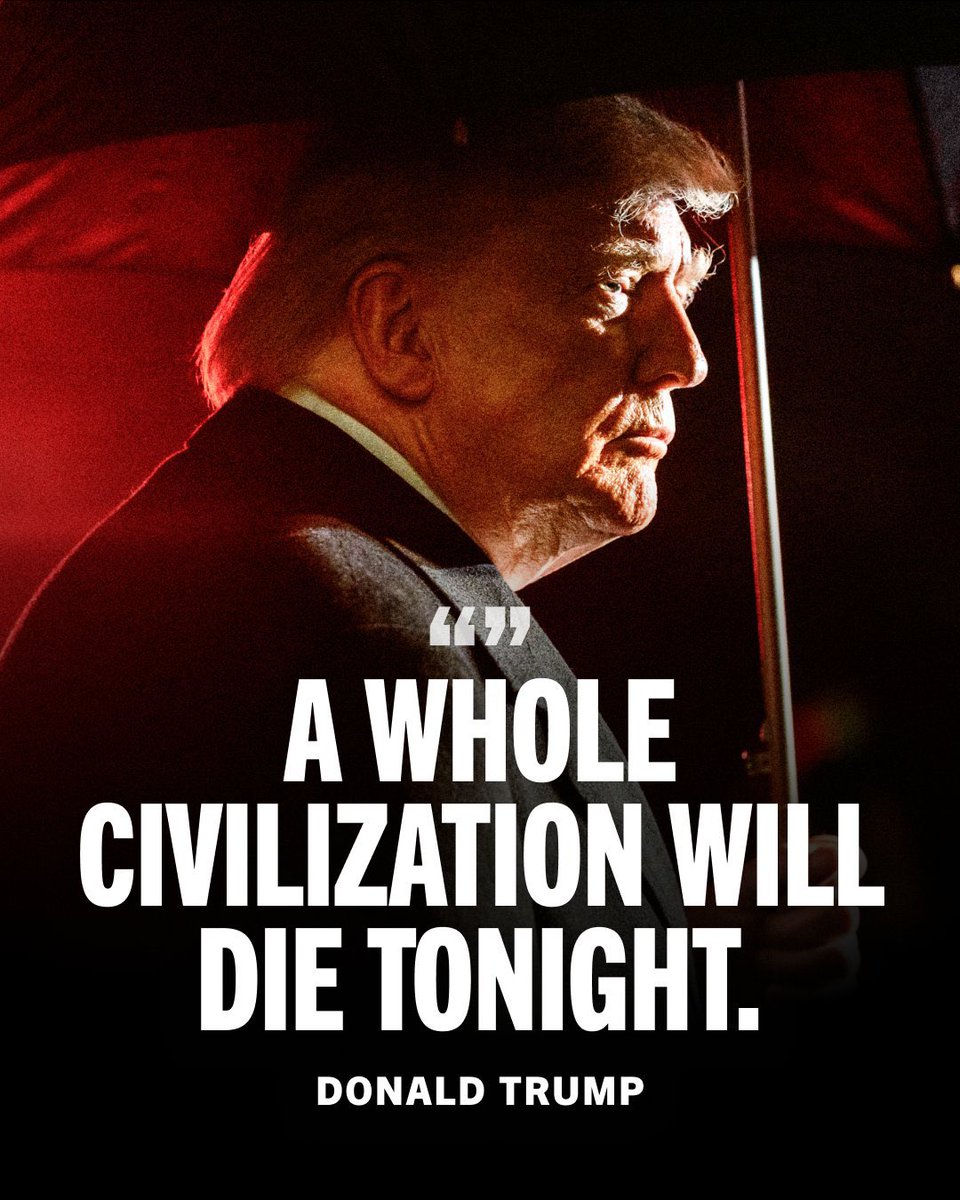
Dear Americans, you must be ashamed of having elected such an inconsistent and unbalanced person as a president but unfortunately children pay for the cost of your choice by their blood.
Look at the way Trump talks about Iran:
"We are destroying their country. I don’t want to do it, but we are destroying it. They just don’t want to ‘give up.’ They don’t want to cry ‘we give up,’ so to speak—but they will cry. And if they don’t, they won’t have bridges. They won’t have power plants. They won’t have anything. I won’t go any further because there are things worse than that. And maybe, if I had a choice, what would I do? I would take the oil, because it’s there for the taking. There’s nothing they can do about it. Unfortunately, the American people want us to come home. If it were up to me, I would take the oil. I would keep the oil. I would make a lot of money.
Unfortunately, the American people want us to come home.”