We are looking forward to Driving Together Toward a Cure tomorrow ⛳️
Thank you to the incredible team at Rivalry for Hope for bringing USC and Notre Dame supporters together to raise funds and awareness for brain cancer research through the inaugural USC vs. Notre Dame Rivalry for Hope Golf Challenge.
A special thank you to our Advisory Board member, Willa Chandler, for her leadership in making this event possible!
The event supports the USC Brain Tumor Center at Keck Medicine of USC and the Hahn-Pflueger Brain Cancer Scholars Program at Notre Dame. We’re grateful for everyone giving their time and energy to support this research and the patients and families who mean so much to us.
Learn more and get involved: https://t.co/RZGYSzrX0M
This event is independently organized and not affiliated with the University of Southern California or the University of Notre Dame.
#RivalryForHope #BrainCancerResearch #USC #NotreDame
1/ Out now in Nature Communications. We asked why radiation plus anti-PD-1 underperforms in head & neck cancer.
The answer surprised us: PD-1 is a checkpoint on regulatory T cells too, and blocking it arms them.
🧵
https://t.co/1NTKEvQBd2
Editorial Randomized trial resected brain met Brachytherapy vs Post-Op SRS
Incredible Surg Bed Control with Brachy (↑↑OS as well)
Look forward to results NRG BN012 NRG BN012 pre vs. post-op SRS hopefully ↓↓ LMD https://t.co/F9mPzPvKyz
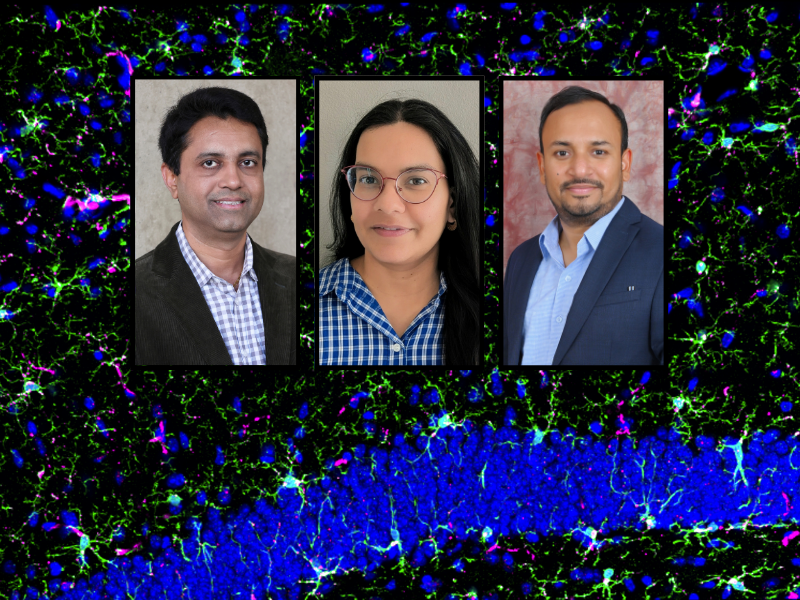
🧠New article! ICI drives T cell–microglia neuroinflammation, synaptic/myelin loss & neurodegeneration—validated in human brain. Key insights for safer cancer immunotherapy. Kudos @swami_devyani , Acharya Lab 🔬 https://t.co/31qZM8RkG2 #Immunotherapy#Neuroscience#CancerResearch
Seeing so many ai/bio ventures - people with engineering and CS backgrounds, or even light bio training, don’t understand how many unknown variables are yet to be understood. This is why experiments are more important than theoretical findings or hypothesis generating AI tools
Paying peer reviewers led to faster first editorial decisions — an average of 5.5 working days, down from nearly 38 for unpaid reviews.
The review quality, as judged by handling editors on the basis of helpfulness in making an editorial decision, went up.
1/
Why does cisplatin treatment cause neurons to die?
We identify that too much DNA repair exhausts the low level of dNTPs in neurons and drives cisplatin neurotoxicity. From @nussenza lab. Thanks to our many great collaborators on this work! Check it out:
https://t.co/rbgs4Zjz9T
It’s estimated that the Protein Data Bank (PDB) cost around $13B to create. Alphafold was only possible because of it. If we want ML to solve biology, we should be funding the creation of databases and the development of new assay technologies. ML is nothing without data.
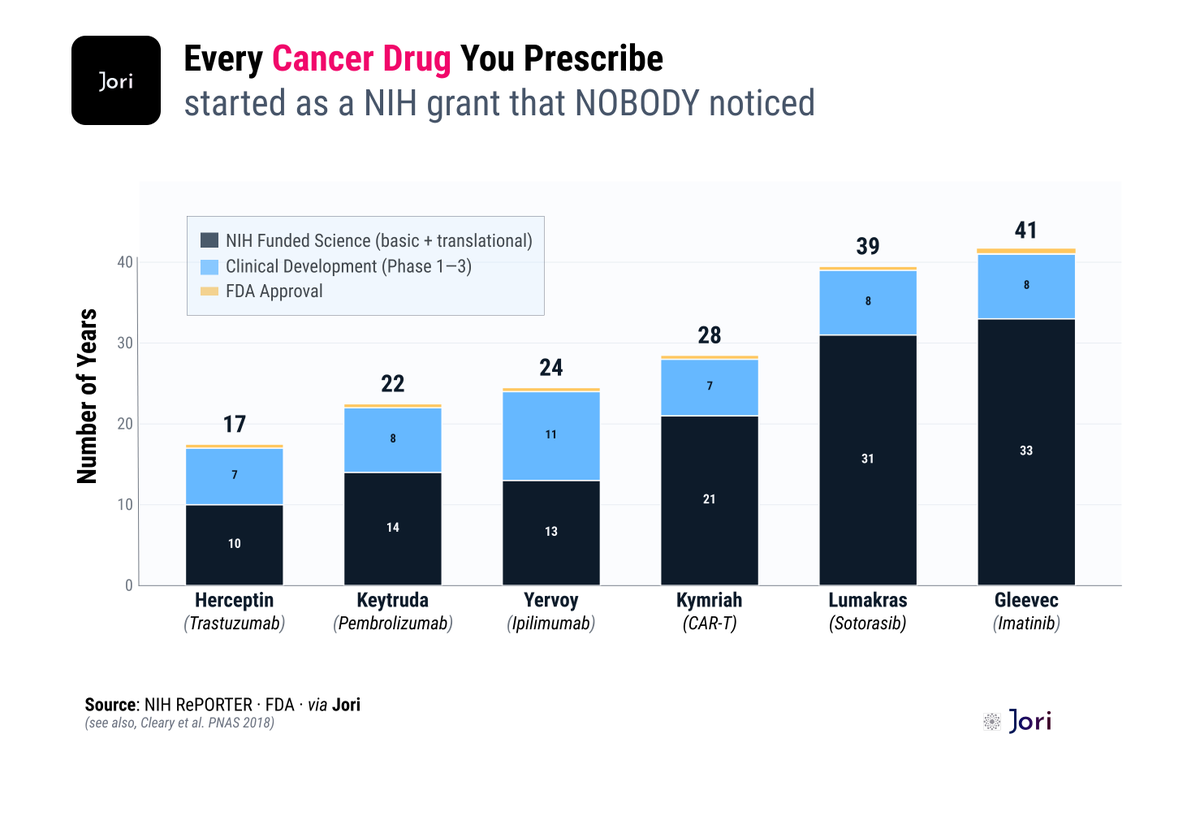
Every cancer drug you prescribe today
was once an NIH grant nobody noticed.
Pharma celebrates launches.
Few notice the 20–40 year runway behind that.
Gleevec took 41 years from NIH-funded discovery of the Philadelphia chromosome → FDA approval.
Behind every “breakthrough” sits a graveyard of failed attempts that made it possible.
Cut that lineage today,
the next Gleevec doesn’t arrive in 2067.
Funded science matters.
If someone says NIH funded science is inefficient,
show them this.
- - - - -
Source: NIH RePORTER · FDA · via @Jori_health
- - - - -
Had so much fun sharing the stage with some leaders in Adaptive Radiation at #ARS2026
One of the coolest parts about being a junior faculty is going from learning from your mentors to sharing the stage with them now as colleagues and friends @lauren_henke
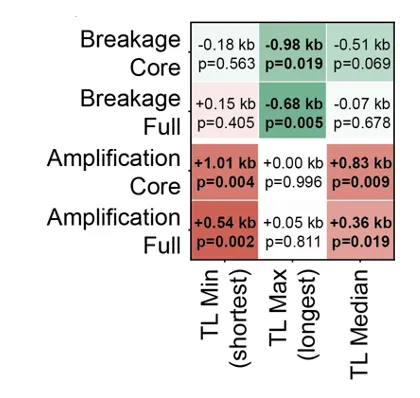
New preprint! We used Oxford Nanopore long-read sequencing to ask: does chromosome-arm-specific telomere length shape how IDH-mutant astrocytoma genomes evolve? Short answer: yes, and in two opposite directions. 🔗 https://t.co/JlhHydzigr
Scientific publishing needs to change. In a new preprint, HHMI President Erin O'Shea and Bodo Stern argue that the incentives are misaligned. Researchers should be evaluated on what they choose to share, not what journals select. I’m proud that @hhmi_science is leading the way. Read the preprint here: https://t.co/CV1iiwgIvY
ReRT with Spine SBRT
107 lesions most 18-24Gy/1 or 30-36Gy/3
Median time to reRT 12 mo
1 Yr LC 88%
No RM, 5 cases periph neuropathy
https://t.co/JOkKEjtF5j