Be careful this Halloween! Antiquities dealers smuggling artifacts disguised as candy. Check your goodies before someone breaks a tooth
Delicious Stone Age amber bear discovered in peat near Słupsk, Poland #DailyArchaeology
Pic: G. Solecki/A. Piętak https://t.co/zpHGKR3s88
Copper anthropomorphic figure with head of wild boar (Varaha according to Hindu culture) with one horned rhino and Brahmi characters etched on it. c. 2000 BC, Found at Kheri gujjar, Haryana, India.
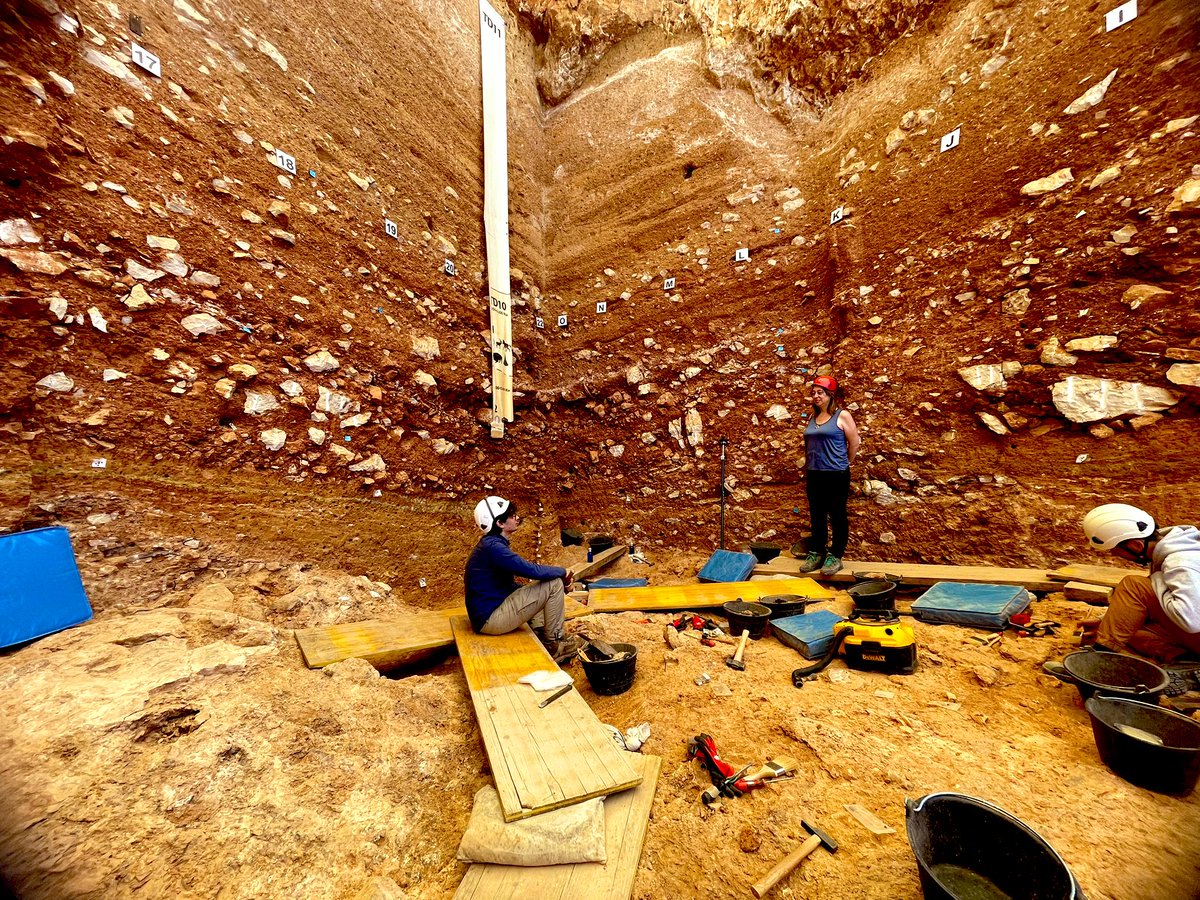
You can read in #ScienceAdvances our paper about the earliest basketry in southern Europe, summarising the first results of the #MUTERMUR project: https://t.co/nkuQKyLS2t
📰 #Archaeology news via @haaretzcom
Earliest basketry in Europe discovered in a Spanish cave.
The 10,000-year-old baskets were preserved due to extremely arid conditions in the cave and look almost new! 1/2
🔗 https://t.co/hGJ5XX5yO5
📷 MUTERMUR project
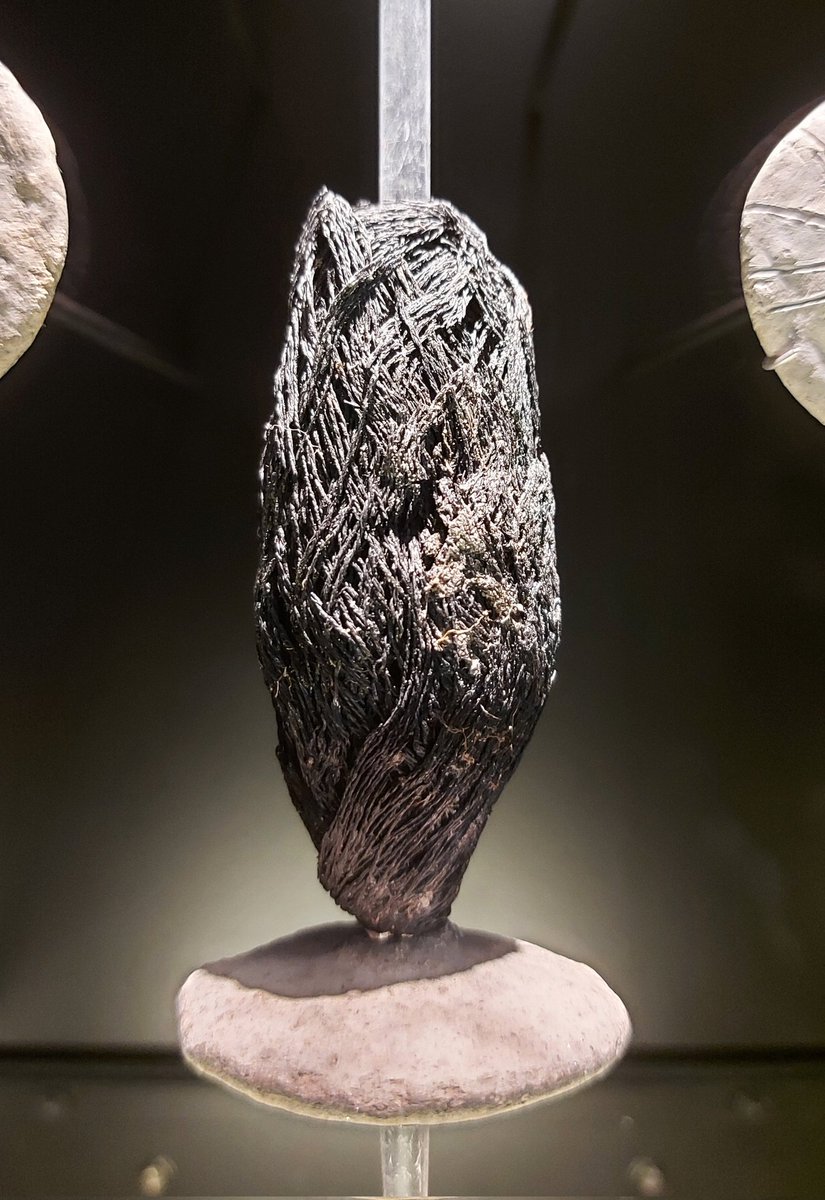
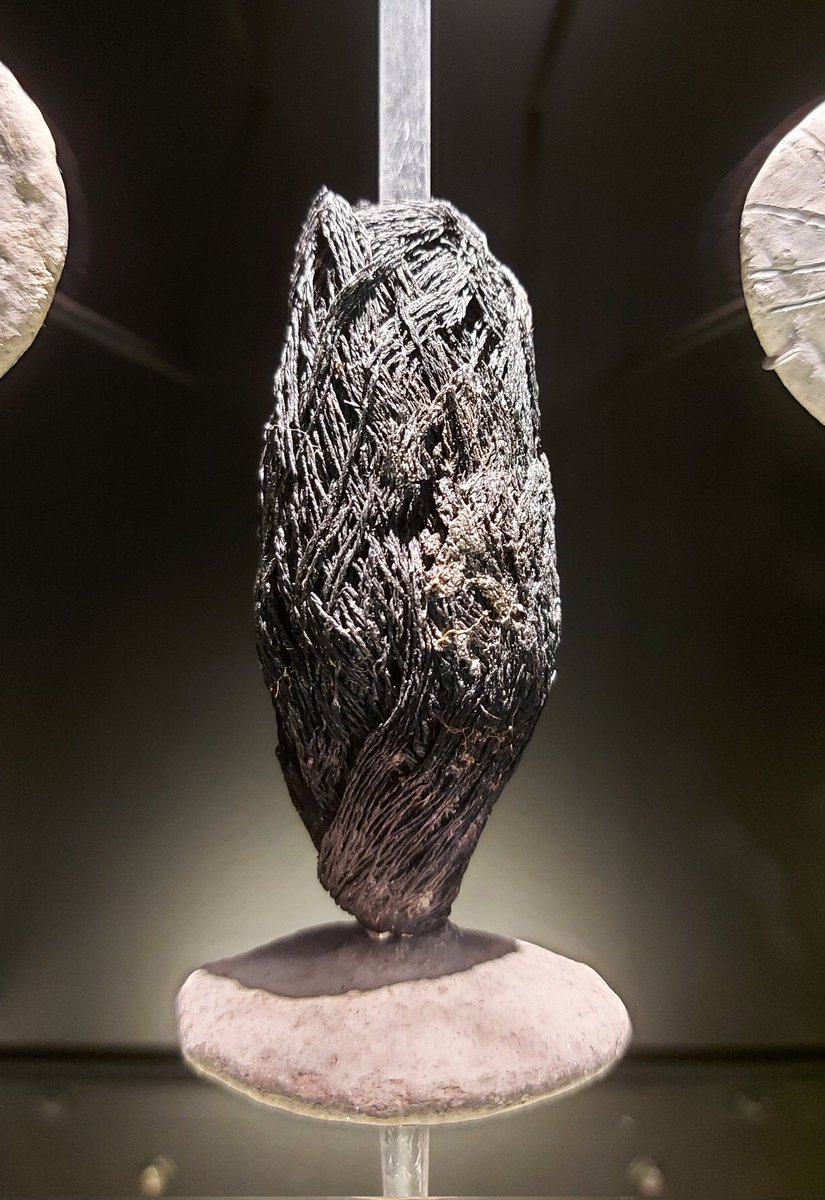
#Neolithic textile production: a charred skein of linen thread, dating around 3200 BC, from the pile dwelling settlement of Nußdorf-Maurach, Überlingen, Lake Constance. The damp environment has preserved it in good condition.
On display at Landesmuseum Württemberg.
#Neolithic textile production: a charred ball (is this the correct term, as the shape isn't that of a ball?) of linen thread, dating around 3200 BC, from the pile dwelling settlement of Nußdorf-Maurach, Überlingen, Lake Constance.
On display at Landesmuseum Württemberg.
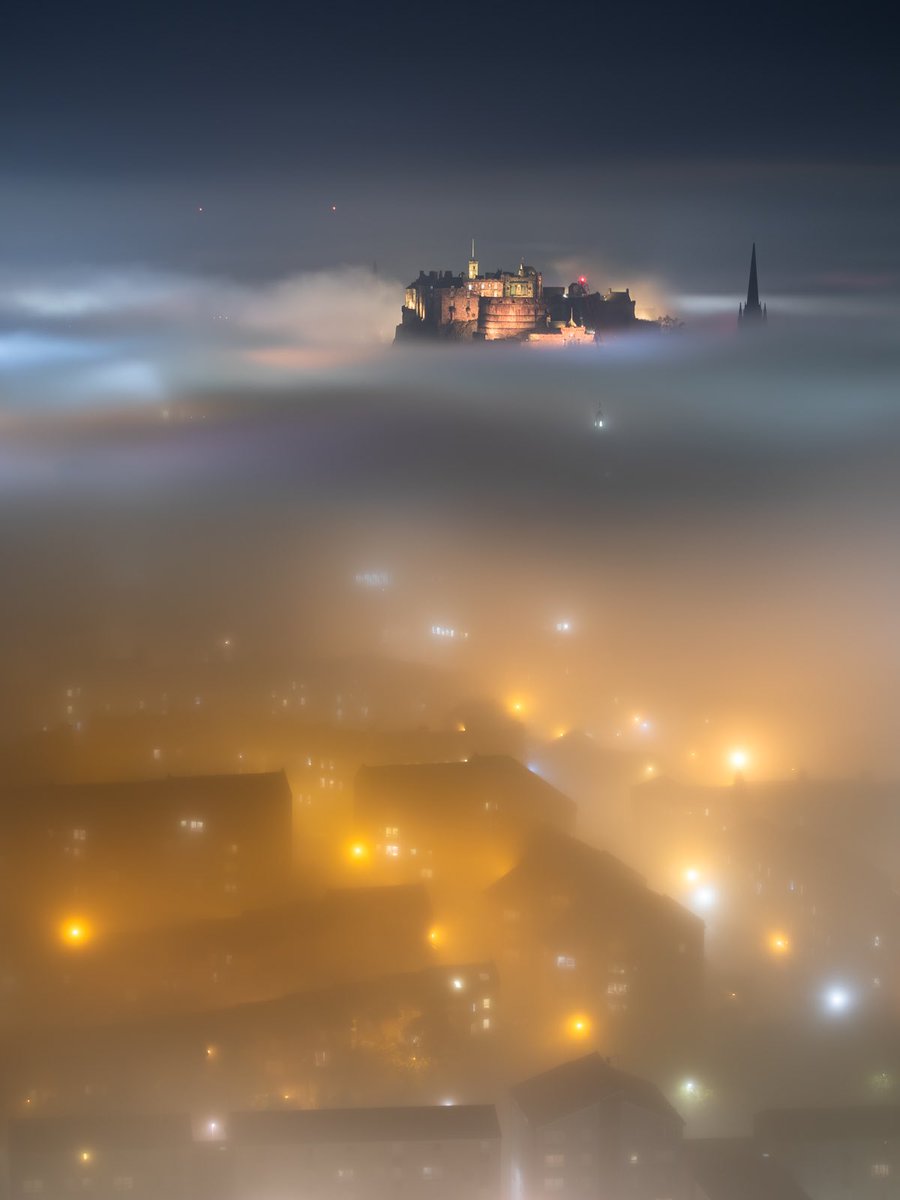
Incredible to think it’s 2 years since I posted this shot of @edinburghcastle, ‘Castle in the Clouds’. It had a fantastic response on Social Media and national press. Thank you! For a chance to win a 12x16 print simply retweet, I’ll select a winner in a few days! @VisitScotland
Chinese bronze sword with turquoise studded, gold inlaid rock crystal hilt. Date: Warring States Period, c. 4th-2nd century BC from. Collection & Credit: Cardale Auctioneers
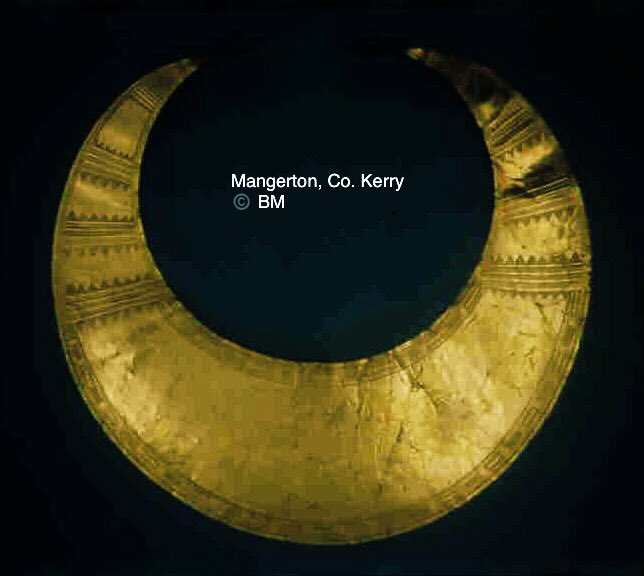
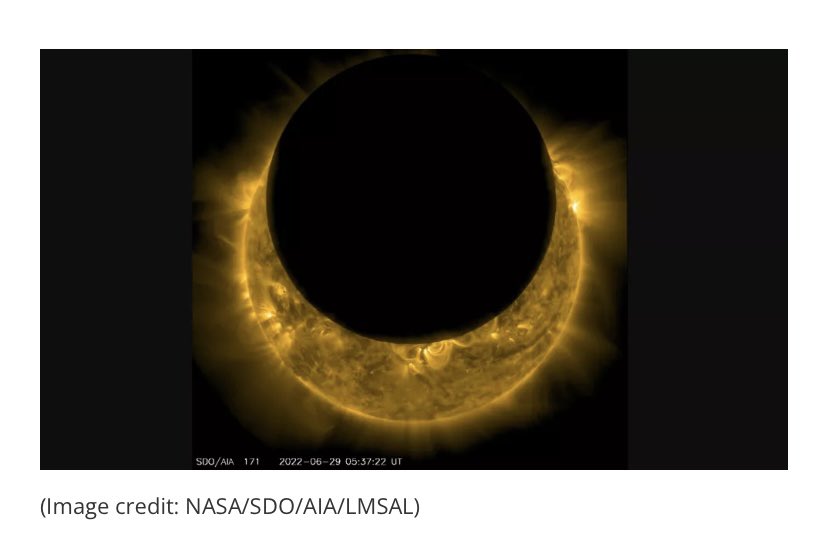
Hard to resist using again this brilliant image from @NASA setting it side by side with one of the most expertly made #prehistoricgold lunulae found near Mangerton, Co. Kerry in the sw of Ireland. Do I think lunulae are ultimately derived from observing solar events? Yes I do.