The method shapes the result. Results shape the next methods.
A scientific paper isn't a final verdict...it’s rather a snapshot of a loop in motion!
To treat a conclusion as truth or "scientific proof", whatever that means, is to misunderstand the process entirely.
There are two types of people:
1) the ones who look stupid, because they ask to many questions;
2) the ones who are stupid, because they don't ask any.
@HuffmanLabDU Good O3 sensors are more expensive, but are more useful data to citizens, for concentrations tend to vary greatly during day. So it serves as alerts to avoid outdoor activities (2/2)
@HuffmanLabDU Definitely CO and O3. CO is great to exclude combustion engine generated PM (evaluate correlation). Also, even good quality CO sensors will cost under 200usd. (1/2)
If you are wondering about the use of disinfection in classrooms, check this 🧵(with twist 🥨 at the end).
👉Simply washing your hands decrease the virus # by 99.49%!
👉 Using a general purpose cleaner decrease the virus # by 99.99% (ref of #: toxic reduction institute).
I study the impact of CO2 on human health so I figured I would weigh in on this JAMA article purporting to show masks create high and unsafe CO2 exposures for kids. (spoiler alert: they don't)
(I'm not linking to the study because I'm certain it will be retracted)
THREAD
@WBahnfleth I would suggest IAQ monitoring. Buildings are each one of a kind and any successful treatmeant starts with an adequate diagnostic. There is no "one size fits all" to this matter...
Quick thought on anosmia (loss of smell) from COVID-19. This is secondary to damage to olfactory epithelial cells at the roof of the nose.
The nose is not an empty cavern. There are scroll-shaped turbinates made of bone and mucosa.
How does the virus get up there 🤔
An interest look into how the lack of alignment of concept definition can generate a complete misunderstanding between different fields of science. A hard task we face...much greater if we are unable to communicate efficiently!
https://t.co/7jeYCIhrHN
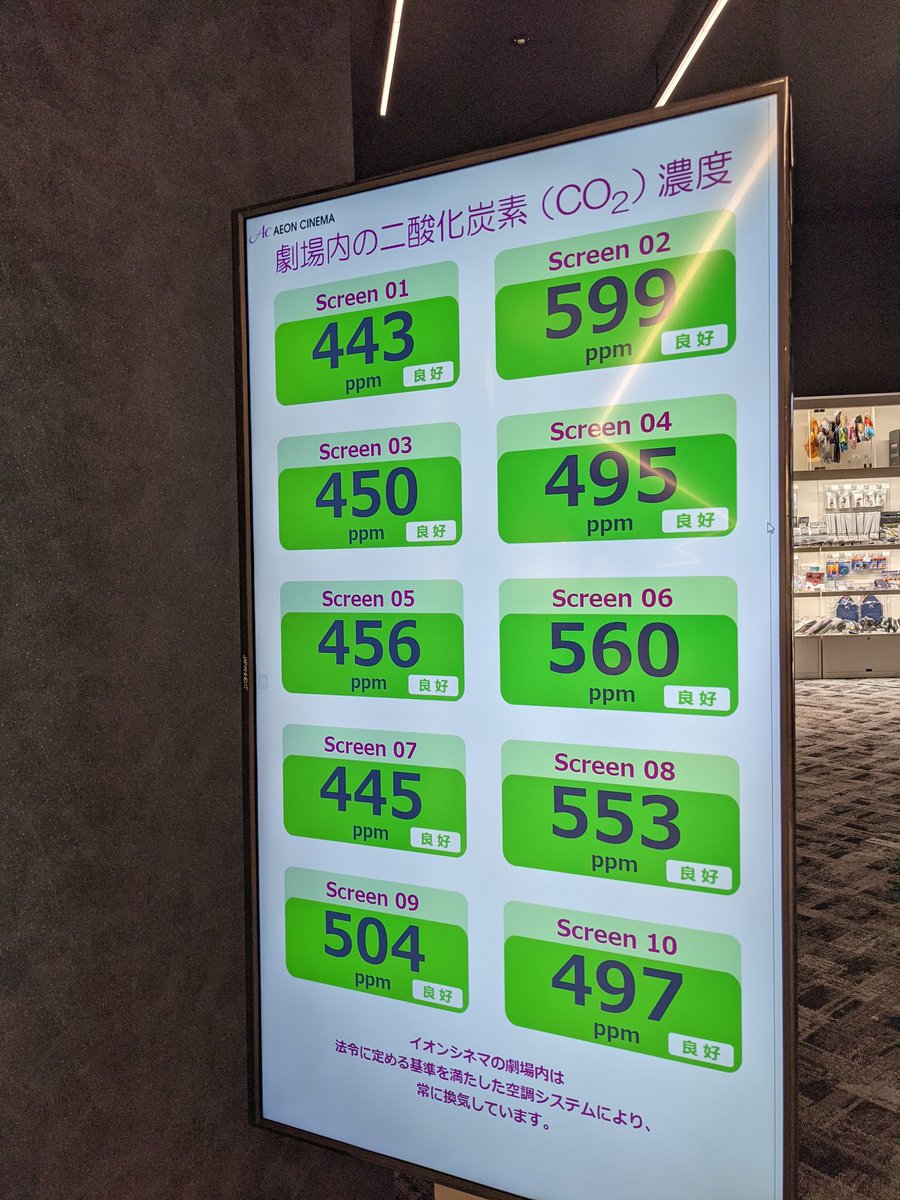
@HuffmanLabDU@Poppendieck@DavidElfstrom@WBahnfleth How significant is that decrease? Even well designed NDIR sensors will have at least an uncertainty of 30+-3%M.V. and a response time of 30s or more. That could make an observed 100ppm difference fall right into the gray zone of instrument uncertainty.
if you have the urge to argue with my previous Tweet, before you do, please spend 4-mins reading this post:
[Text; 1000 words; 4 mins]
https://t.co/VnIS6kuSkS
@covidestanoar @sensirion Olá, Erick! Veja se conseguimos te ajudar com a Tecnologia SPIRI. Nossos dispositivos são equipados com o SCD30, mas oferecem muito além....
https://t.co/83pzzHnUwq