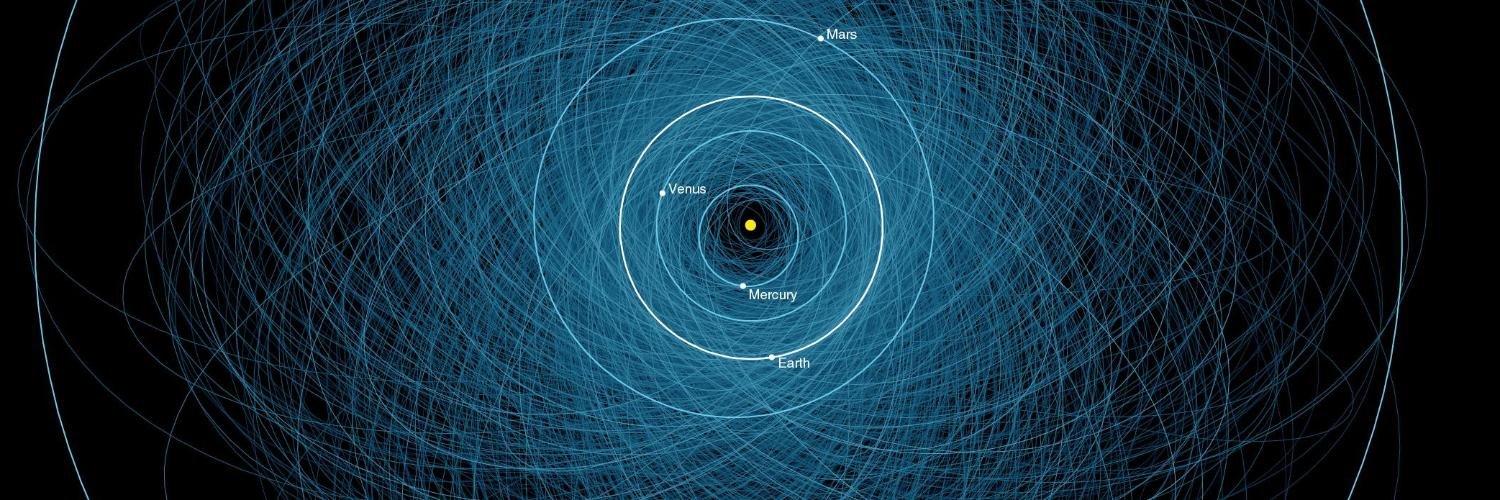
AsteroidTracker is a Near-Earth Object tracking app for iOS & Android, featuring SpaceTracks, a news feed with all manner of news about space, science and more.
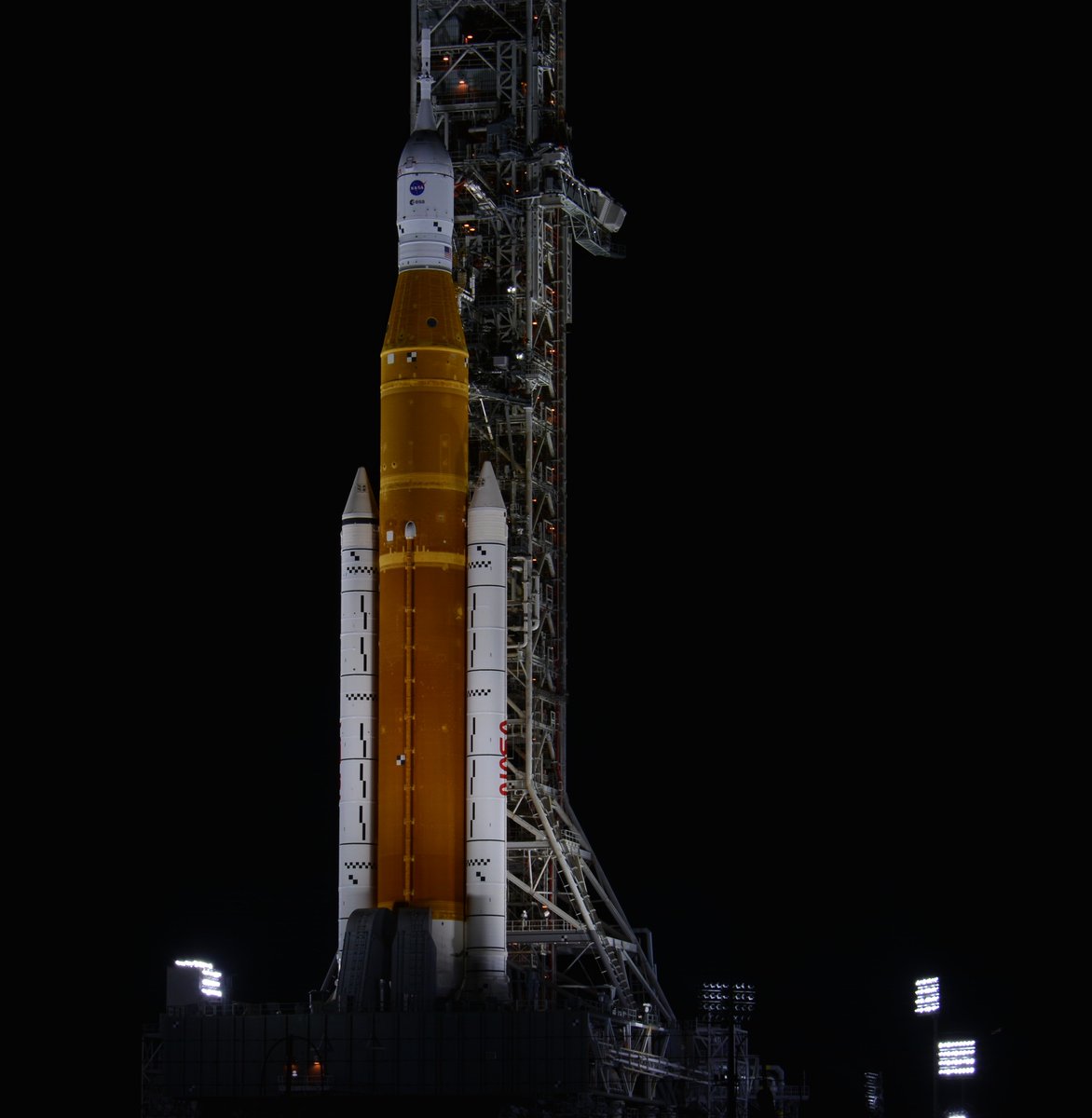
The liquid oxygen tank fill is complete, and the core stage is full! These tanks hold the propellant that will power the rocket's four RS-25 engines at #Artemis I liftoff.
LIVE NOW: Teams are preparing to launch the @NASA_Orion spacecraft to the Moon aboard the @NASA_SLS rocket. Watch coverage of the rocket fueling process for the #Artemis I mission.
Follow @NASAGroundSys for updates. https://t.co/FO7d5p9xeH
IMPACT SUCCESS! Watch from #DARTMIssion’s DRACO Camera, as the vending machine-sized spacecraft successfully collides with asteroid Dimorphos, which is the size of a football stadium and poses no threat to Earth.
Eyes are locked on asteroid Dimorphos!
Only 20 minutes until impact, #DARTMission’s smart navigation is now precision-locked on non-hazardous asteroid Dimorphos, as the space craft travels at 6 kilometers per second.
Tonight, the world's first planetary defense test will take place, the Double Asteroid Redirection Test. At 7:14pm ET, DART’s impact will slow Dimorphos down, which will make it orbit Didymos faster. This technique could save Earth one day - the only preventable natural disaster.
Watch live from the POV of the spacecraft as our #DARTMission intentionally collides with a non-hazardous asteroid in the world’s first planetary defense mission.
DRACO camera feed starts at 5:30 pm ET (21:30 UTC): https://t.co/m295Y6uCot
🛰️ This is only a test – of planetary defense. Today, our #DARTMission is set to crash into a non-hazardous asteroid to test deflection technology, should we ever discover a threat.
Impact: 7:14pm ET (23:14 UTC). Watch our LIVE broadcast at 6pm ET: https://t.co/VAfF5ZXcYB
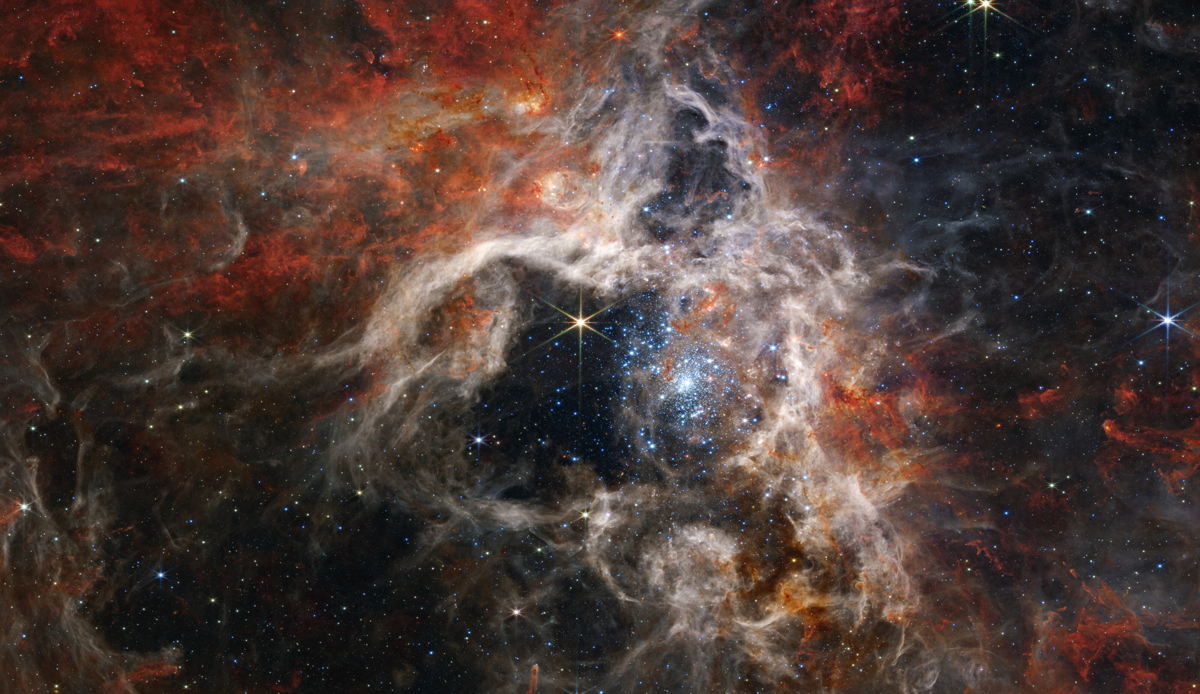
1/ Thousands of never-before-seen young stars can be spotted here, caught up in the Tarantula Nebula’s web. This new image of the Tarantula Nebula, 30 Doradus, was captured by the #NIRCAM instrument on @ESA_Webb .
Read more: https://t.co/RWB0XwsKkO
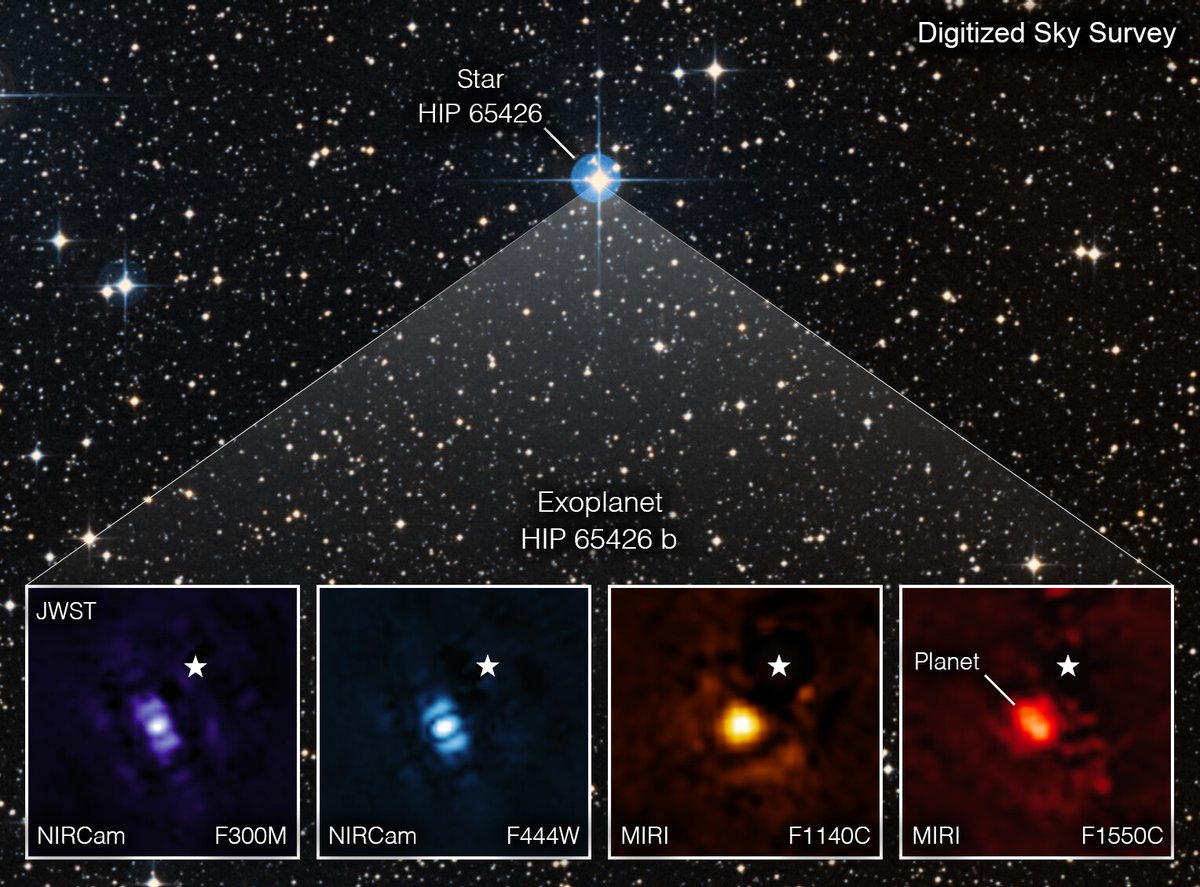
Webb has taken its first image of an exoplanet!
This image shows the exoplanet HIP 65426 b in different bands of infrared light and demonstrates how #Webb’s powerful instruments can easily capture worlds beyond our solar system. Learn more here: https://t.co/evTXpH9gh0
#Artemis I Launch Director Charlie Blackwell-Thompson has given the 'go' to begin loading propellant into @NASA_SLS for #Artemis I.
MORE: https://t.co/y2mDUH3e5V
Watch our mega Moon rocket @NASA_SLS get fueled up for launch. Follow @NASAGroundSys for updates on propellant loading in preparation for the #Artemis I liftoff from @NASAKennedy. https://t.co/u3mjNzC8Hu
T-5 hours and counting until the launch of Artemis I. We are in fast fill for liquid oxygen into the @NASA_SLS core stage, at 24% full. We are in slow fill for liquid hydrogen, at 4% filled.
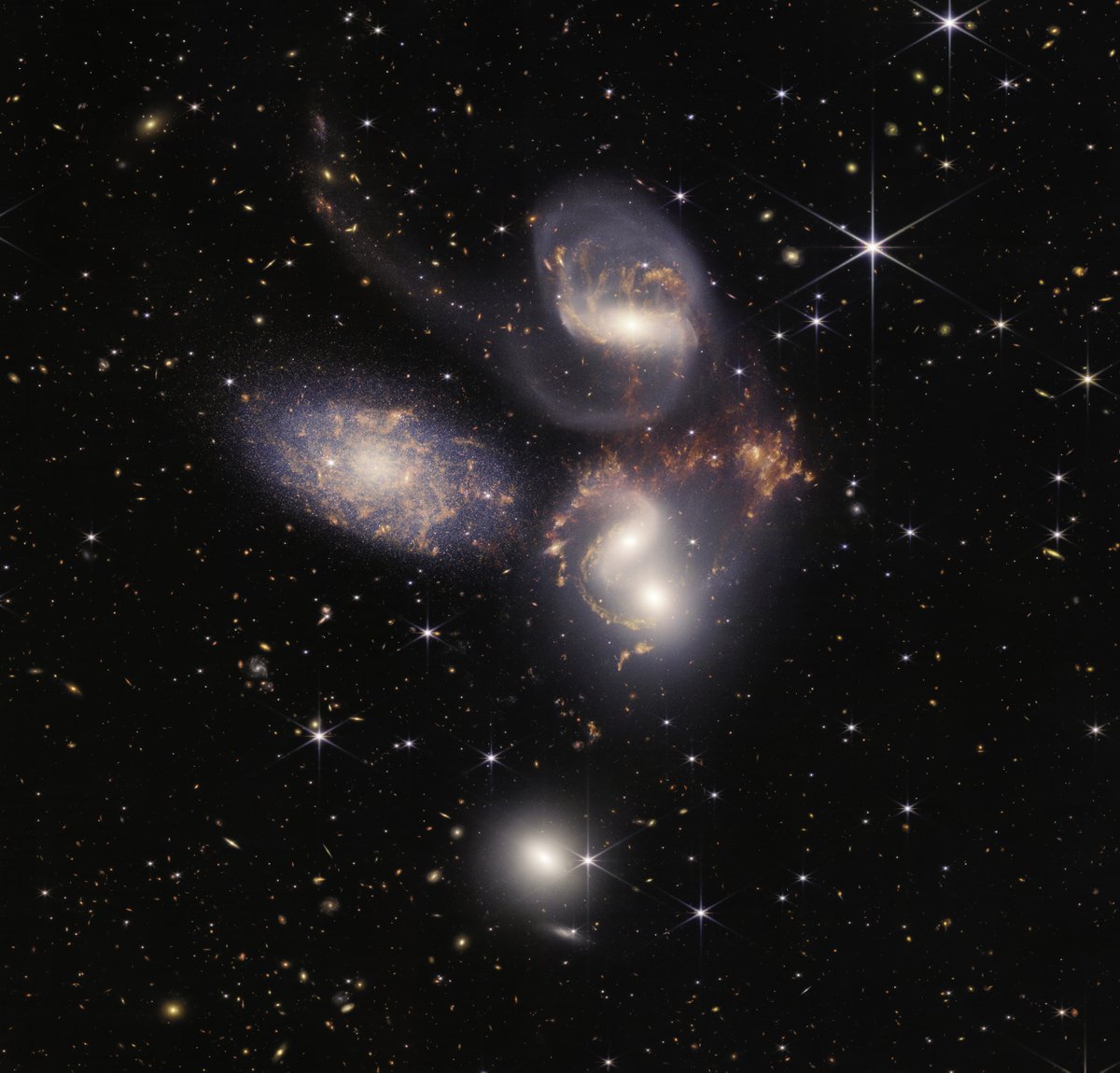
Take Five: Captured in exquisite detail, @NASAWebb peered through the thick dust of Stephan’s Quintet, a galaxy cluster showing huge shockwaves and tidal tails. This is a front-row seat to galactic evolution: https://t.co/63zxpNDi4I #UnfoldTheUniverse
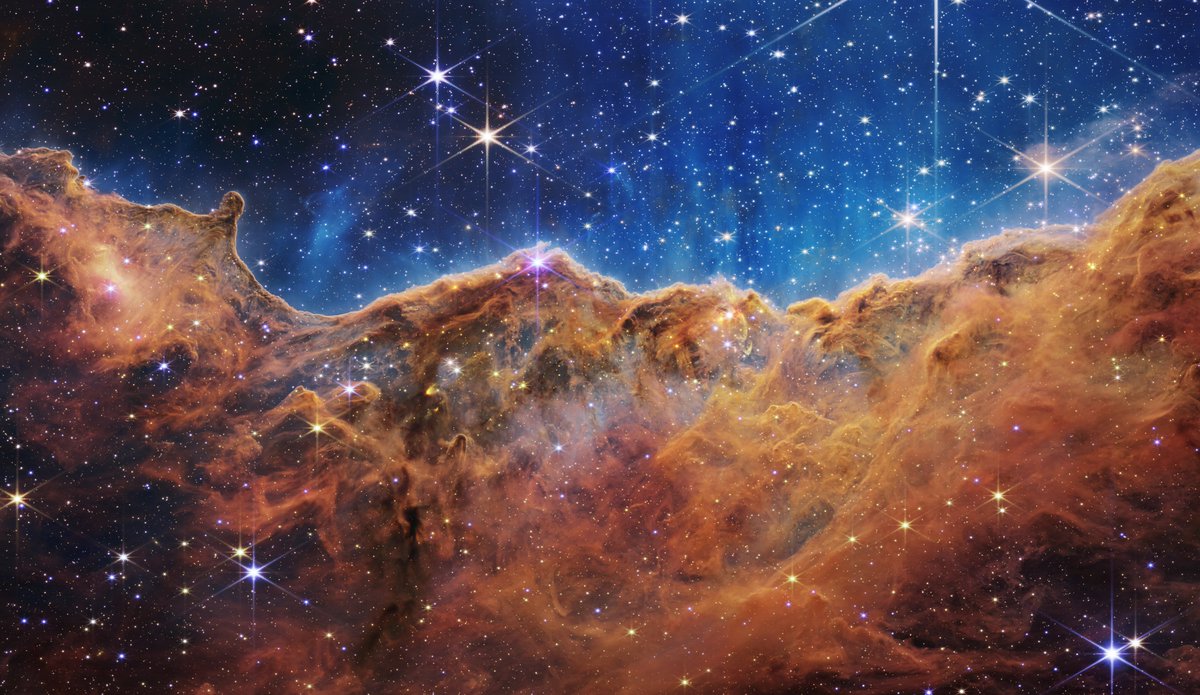
Cosmic cliffs & a sea of stars. @NASAWebb reveals baby stars in the Carina Nebula, where ultraviolet radiation and stellar winds shape colossal walls of dust and gas. https://t.co/63zxpNDi4I #UnfoldTheUniverse
We can't contain the excitement for @NASAWebb's first full-color images!
On Monday, July 11 at 5pm ET (21:00 UTC), President Biden will unveil one of the space telescope's first images of deep space as a preview of what's ahead: https://t.co/kP5JdQEpVz
🗓️ Mark your calendars for Tuesday, July 12 at 10:30am ET (14:30 UTC) as we release the first images from @NASAWebb.
Join an event, virtually or in your community, and celebrate with us as we #UnfoldTheUniverse: https://t.co/ix80dN3PHe