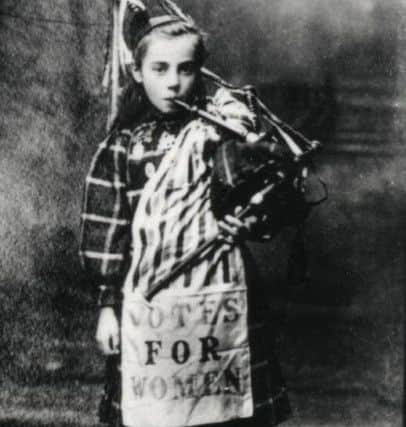
2 June 1946: Roughly a year after the end of World War II, #Italian citizens vote 54% to 46% in a nationwide referendum to abolish the monarchy. The historic decision formally established the modern Italian Republic, forcing King Umberto II into exile after a reign of just 34 days. Women were also permitted to vote for the first time. #History #OTD #ad https://t.co/28WePm3LDV
@blake7_uk@blissapp@FrontierAstro@frontierdev Seems I under estimated my time away. It's been 5 years now 🤣
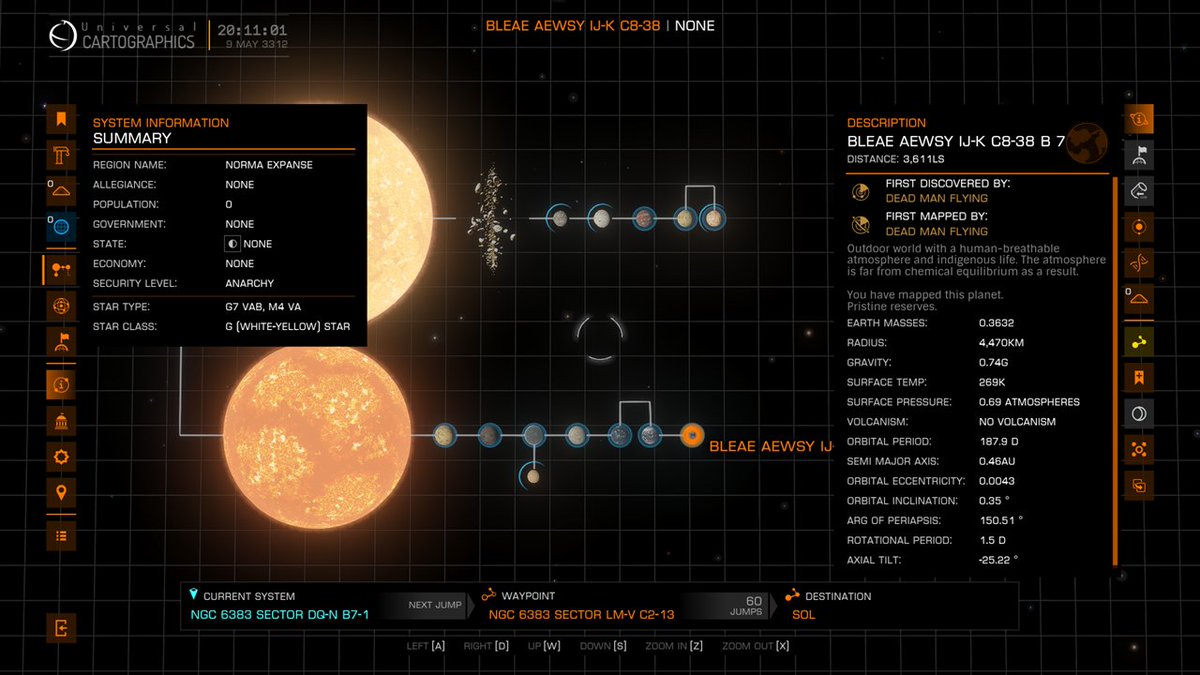
Finally almost back at Sol. Only 60 jumps remaining. Plenty of finds on the journey
@blake7_uk@blissapp@FrontierAstro@frontierdev I've picked it up again recently, still trying to wind my way back to the bubble from the other side of the galaxy where I left it about a year or so ago. About 300 jumps just to get back to Sag A still to go.
The Stolen Spirit: How the English Coloniser Hijacked Over £150 Billion from Scotland’s Whisky Industry in the Last Two Decades
1/ Scottish whisky is more than a drink. This national treasure represents distilled heritage, refined over centuries by the Scottish people through the climate, language, land, and lifeways of the Highlands and Islands. The name itself comes from the Scottish Gaelic term uisge-beatha, meaning "water of life." This spirit emerged from Gaelic-speaking communities such as Islay, Skye, and the Hebrides, where knowledge passed through generations shaped a practice intimately tied to the land.
Scotch whisky is a unique, location-specific, high-volume, high-value export product. It stands as one of the most iconic symbols of Scotland on the global stage. Yet, this global success has long been exploited by an external colonial power. The English state has transformed a sovereign asset into a machine for extracting wealth, consolidating power, and advancing British branding while denying Scotland the authority to control or benefit from what it produces. This process has resulted in one of the most severe cases of wealth theft in contemporary Europe. The total value stolen from the Scottish whisky sector over the past twenty years stands between £100 billion and £180 billion. This extraction is not incidental. It reflects a colonial condition Scotland is now actively resisting. Decolonisation has begun. Scotland is engaging the United Nations to assert its right to self-determination and to end the colonial theft and exploitation imposed by its coloniser, England.
The official figures expose the extent of this exploitation. In 2018, Scotch whisky exports totalled 1.28 billion 70cl bottles with a declared value of £4.7 billion, equating to only £3.67 per bottle. In 2023, 1.35 billion bottles were exported with a reported value of £5.6 billion, giving a per-bottle figure of £4.15. In 2024, export volumes rose to 1.4 billion bottles while the declared value fell to £5.4 billion, resulting in just £3.86 per bottle. These figures are drastically lower than market prices. The cheapest blended Scotch in duty-free shops typically costs no less than £10 per bottle. Most single malts and premium bottles are priced between £30 and £100, often more. A fair average export value of £10 per bottle would bring the 2024 figure to at least £14 billion. Over two decades, the gap between real and declared value points to a concealed loss of £120 billion to £180 billion. That loss reflects profit transferred out of Scotland through false pricing, offshore registration, and colonial misrepresentation.
Ownership of the industry has largely shifted out of Scottish hands. Major producers such as Diageo and Pernod Ricard are headquartered outside Scotland. Diageo controls over 30 percent of the market and operates from London. These multinational corporations use accounting structures that allow profits to be declared in low-tax jurisdictions or within English financial centres. The whisky may be crafted in Scotland, but the wealth is booked elsewhere. What remains in Scotland is an image without authority, production without sovereignty, labour without reward.
The theft continues through taxation. In 2022 to 2023, excise duty and VAT on whisky generated £3.8 billion, all absorbed by the UK Treasury. Even whisky sold in Scotland is taxed by the British state. The revenue is not returned to support Scottish public services or invested in the communities that carry the industry. Scotland has no fiscal control over its most valuable national product. What ought to support rural infrastructure, universal services, and a Scottish sovereign wealth fund is used instead to fund the apparatus of English power.
@UN@UN_HRC@EU_Commission@Europarl_EN@eu_eeas@coe@EURightsAgency@francediplo@FranceintheUK@franceintheus@cgfEdimbourg@Elysee@GermanyDiplo@bundeskanzler@NorwayMFA@dfatirl@PresidentIRL@antonioguterres
They say: "It was a union fully entered into by both sides, read the history books."
History books written by the coloniser do indeed tell us this is what happened. The reality was very different, and the primary evidence directly contradicts it - including the testimony of those who supported the Union.
Scotland was subjected to military threat and economic blockade, and forced into negotiations hobbled by a team chosen by the English monarch.
The creation of a new Kingdom of Great Britain was a condition of the Treaty and Acts themselves. Those Acts were then passed by a legislature acting under coercion - and one that lacked the competence to alienate sovereignty in the first place. It held delegated authority; it didn't own what it purported to give away. Coercion compounded the illegality. The sovereign constitutional process was then cut short by a Royal proclamation dissolving the Parliament, despite it being legally due to reconvene on the 22nd April 1707.
The English Parliament at the same time was prorogued, renamed, and continued - not a new institution, but the English Parliament, renamed, absorbing a few Scottish representatives.
No new kingdom was created, nullifying the coerced agreement on its own terms. The English Parliament, Crown, and constitution simply continued and were extended to Scotland.
That is an annexation under international law, and under the specific instruments of the period - the Claim of Right (1689), the coronation oath (1702), and salvo jure cujuslibet, operative in Scots constitutional law from at least 1594.
Its continuation into the 21st century means it is justiciable under modern law, and that is where it now is. A referendum conducted under the authority of the administering power cannot constitute free ratification - that condition has never been met.
The UK is not the adjudicator of its own annexation.
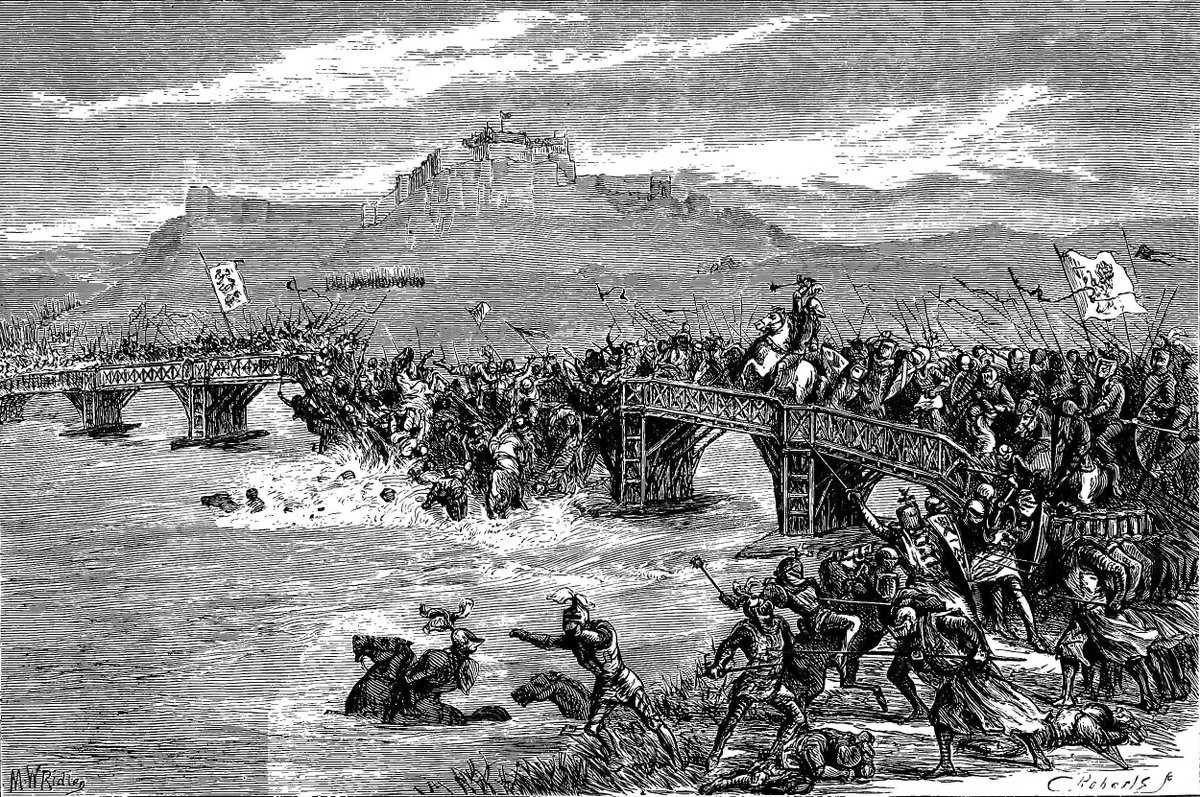
1 May 1328: The Treaty of Edinburgh–Northampton is ratified by England. The treaty stipulates that the Kingdom of #England recognizes the Kingdom of #Scotland as an independent state, thus ending the First War of #Scottish Independence. #History#OTD#ad https://t.co/G97PL7TUVR
The Nigel Farage Guide to Being a Working-Class Hero
Step 1: Be born to a City stockbroker.
Step 2: Attend Dulwich College, fees currently £53,000 a year.
Step 3: Skip university. Become a City commodities trader instead.
Step 4: Run one of your metal broking firms into insolvency.
Step 5: Get elected to the European Parliament. Spend the next 21 years drawing a salary from the institution you're paid to dismantle.
Step 6: Claim £15,500 a year in expenses for an office your party was given rent-free.
Step 7: Put your wife on the EU parliamentary payroll. Take her off only when the rules force you to.
Step 8: Get investigated by the EU's anti-fraud office. Eventually have half your MEP salary docked to repay misused public funds.
Step 9: Throw a Brexit victory party at the Ritz. Decry the "professional political class" to a room of millionaires.
Step 10: Take £450,000 in personal gifts from Arron Banks. House. Car. Lifestyle.
Step 11: Take £5 million, undisclosed, from a Bangkok-based crypto billionaire. Days later, announce you're standing for parliament after all.
Step 12: Win Clacton. Take the £93,904 MP salary. Add £1.2 million a year from GB News at £2,300 an hour. Become the highest-earning MP in the House of Commons.
Step 13: Speak in parliament fewer times than any other party leader. Fly to America at least nine times in your first year. Refuse to hold in-person constituency surgeries. Holiday in France while parliament is sitting.
Step 14: Tell the working class you're one of them. Tell them to vote against their own interests, over and over again.
Pint, mate?
@_GavAlexander@WingsScotland Yes, I get that and as frustrating as it is I still don't understand how not voting, or even spoiling a vote helps, unless we're saying (in the extreme) that only unionists vote in Scottish elections? How will that help Scotland? Or what's the goal? Any reading material on this?
Haggis is the single food item currently banned from import into the United States of America because it contains sheep's lung.
Sheep's lung has been declared, by the USDA, an inedible offal. The ban was imposed in 1971 and remains in place.
The Scottish reaction to this ban has, for fifty years, ranged from bafflement to mild amusement. Sheep's lung has been eaten in Scotland, daily, without incident, for approximately eight hundred years. It is the binding ingredient that holds the minced sheep's heart, liver, onion, oatmeal, suet, and spices together inside the stomach casing. It is the reason haggis exists.
Scottish children are fed haggis on Burns Night, 25th of January, every year. They eat it at school. At home. At pubs. At weddings. At every ceremony the national poet is toasted at.
Burns Night is, in Britain, effectively the last public occasion on which a whole generation still encounters a dish made from an animal's lungs, heart, and liver, stuffed into its own stomach, and eaten communally.
This used to be normal food. Every rural British household knew some version of it. Faggots in the Midlands. Brawn everywhere. Black pudding in Lancashire. Drisheen in the West Country. The whole animal was used because the whole animal was available and it was cheaper than buying specific cuts.
Now, once a year, the Scottish remind everyone else that this food exists. The rest of the year, it is marketed as a quaint regional oddity for tourists.
The nutritional profile of a traditional haggis is substantial. Per 100 grams: 14g protein, 22g fat, significant B12, iron, zinc, and the specific fat-soluble vitamins that concentrate in organ meat.
The Americans have been missing out for fifty years because of a regulatory decision made in 1971 on the basis of a sanitary concern that was probably already obsolete.
The Scots have been eating it the whole time.
The Scots have not died of it.
Given all the data, I’m sure that England will be better off as an independent nation.
And I encourage them to stand alone.
Not one single English MP agrees.
But they all agree that Scotland cannot be independent.
Hmm.
Scotsman journalist David Bol who broke the story of a plot by Scottish Labour to work with Reform to install Sarwar as FM has just been on Radio Scotland. He basically confirmed that Offord's claim has substance. Sarwar was always toast, this episode just burnt him to a crisp.