Another impressive asteroid achievement this week. These small asteroids may more closely represent the type of threat Earth may face (they’re harder to detect than larger objects).
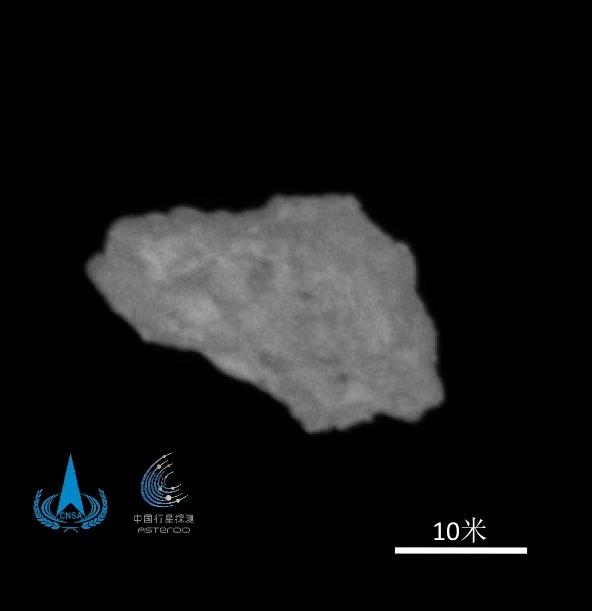
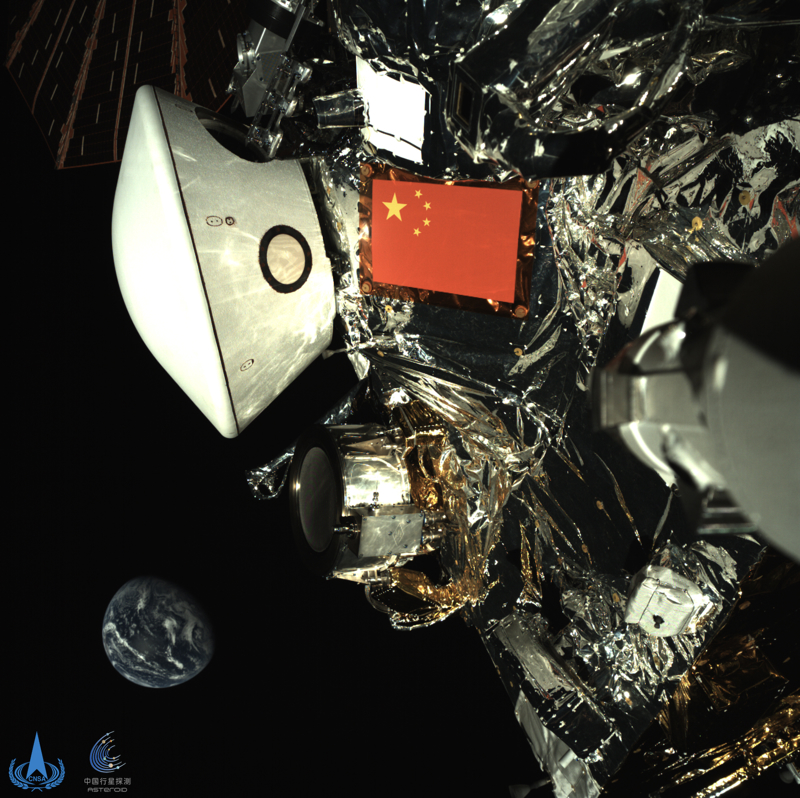
China's Tianwen-2 probe has successfully arrived at a distance of 20 kilometers from the asteroid 2016HO3, enabling it to begin scientific exploration after an approximately 400-day journey of about 1 billion kilometers, the China National Space Administration (CNSA) announced on Monday.
The country launched its first asteroid sample-return mission, Tianwen-2, on May 29, 2025, aiming to achieve multiple goals over a decade-long expedition: collecting samples from the near-Earth asteroid 2016HO3 and exploring the main-belt comet 311P, which is more distant than Mars.
During the approach phase, the probe acquired imagery of the asteroid. The mission team leveraged optical navigation data gathered during the close approach to refine the asteroid's ephemeris, reducing the positional uncertainty, previously determined solely through ground-based observations, from hundreds of kilometers down to the kilometer scale, according to the CNSA.
Next, the probe will progressively conduct more detailed scientific exploration to acquire data on the asteroid's morphology, material composition and internal structure, laying the groundwork for subsequent sample collection operations.
Tremendous congratulations to the @haya2e_jaxa team for this achievement! It’s so exciting to see a new celestial object glimpsed for the first time by human eyes (with the help of our robotic explorers). Go Hayabusa 2!
Thinking of all the exceptional folks @blueorigin tonight. Thankful that no one was hurt. Sad to see a setback on their ambitious road to the Moon and beyond. Confident they will recover with excellence and persistence.
Gradatim ferociter. 🐢
Dear bakers, the judges would like you to decontaminate a parachute that will land on Mars. 🪂🔴
On your marks, get set… bake!
1️⃣ Place your parachute into an oven
2️⃣ Set the oven to 125°C for ~50 hours
3️⃣ When the centre of the parachute reaches 125°C, continue to bake for 36 hours
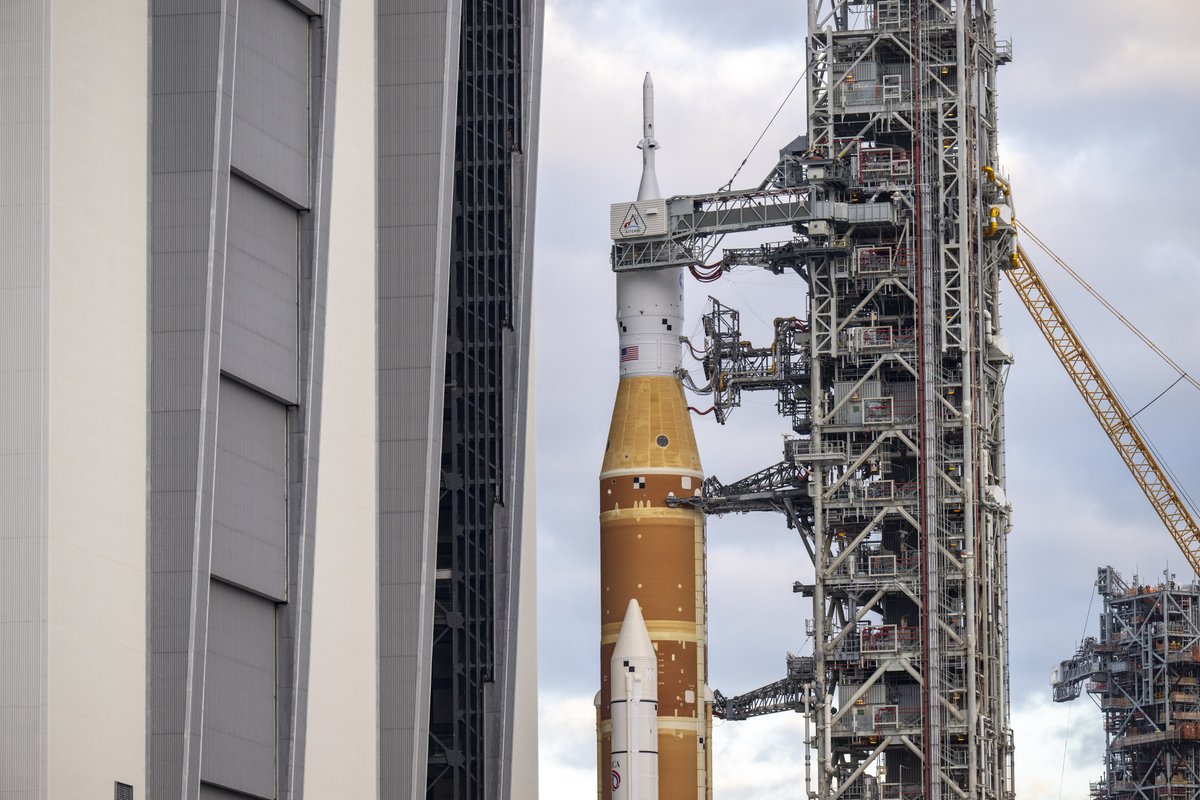
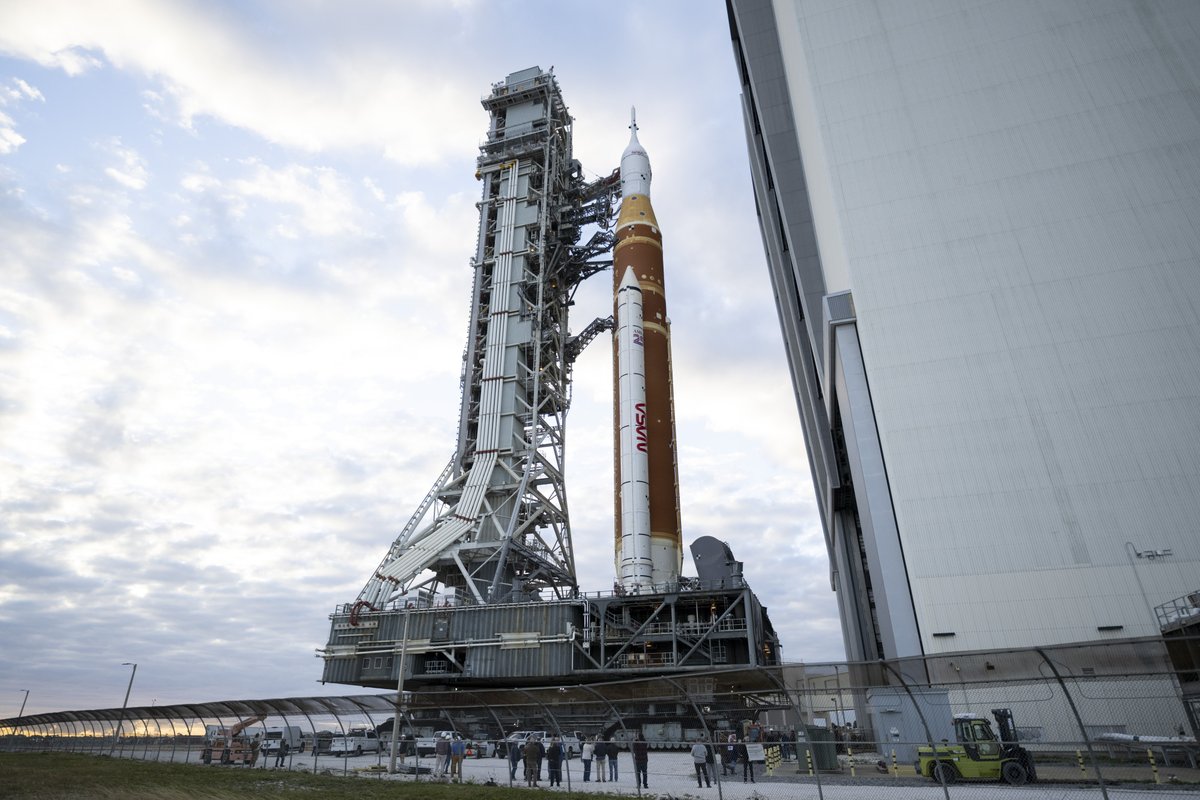
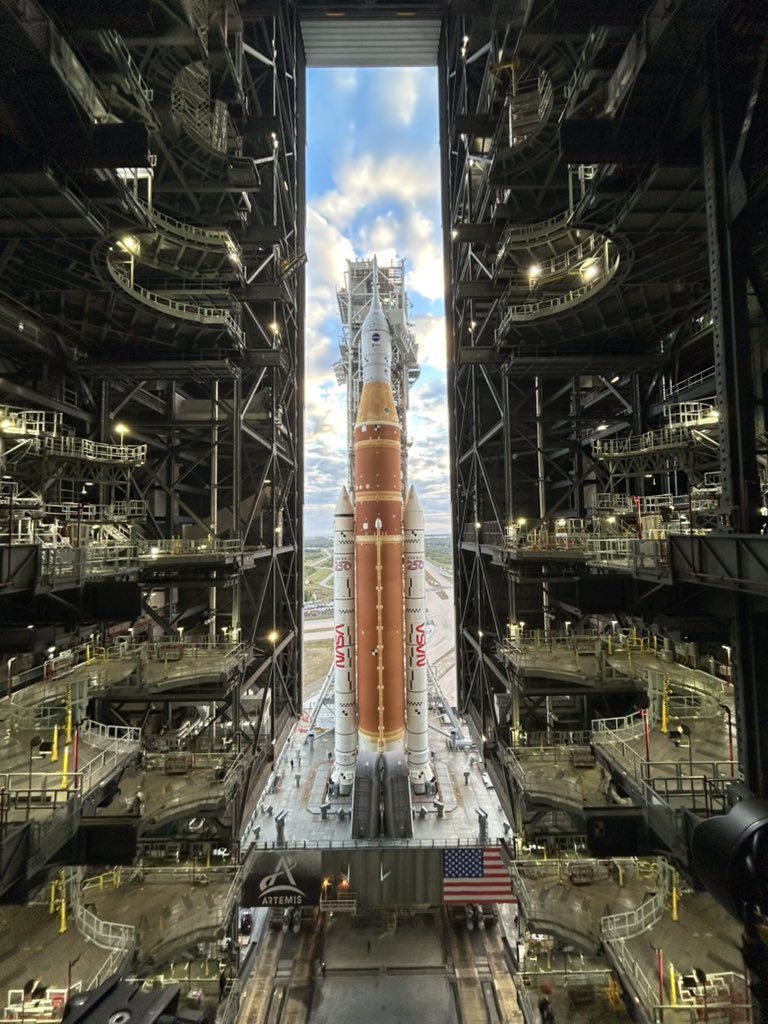
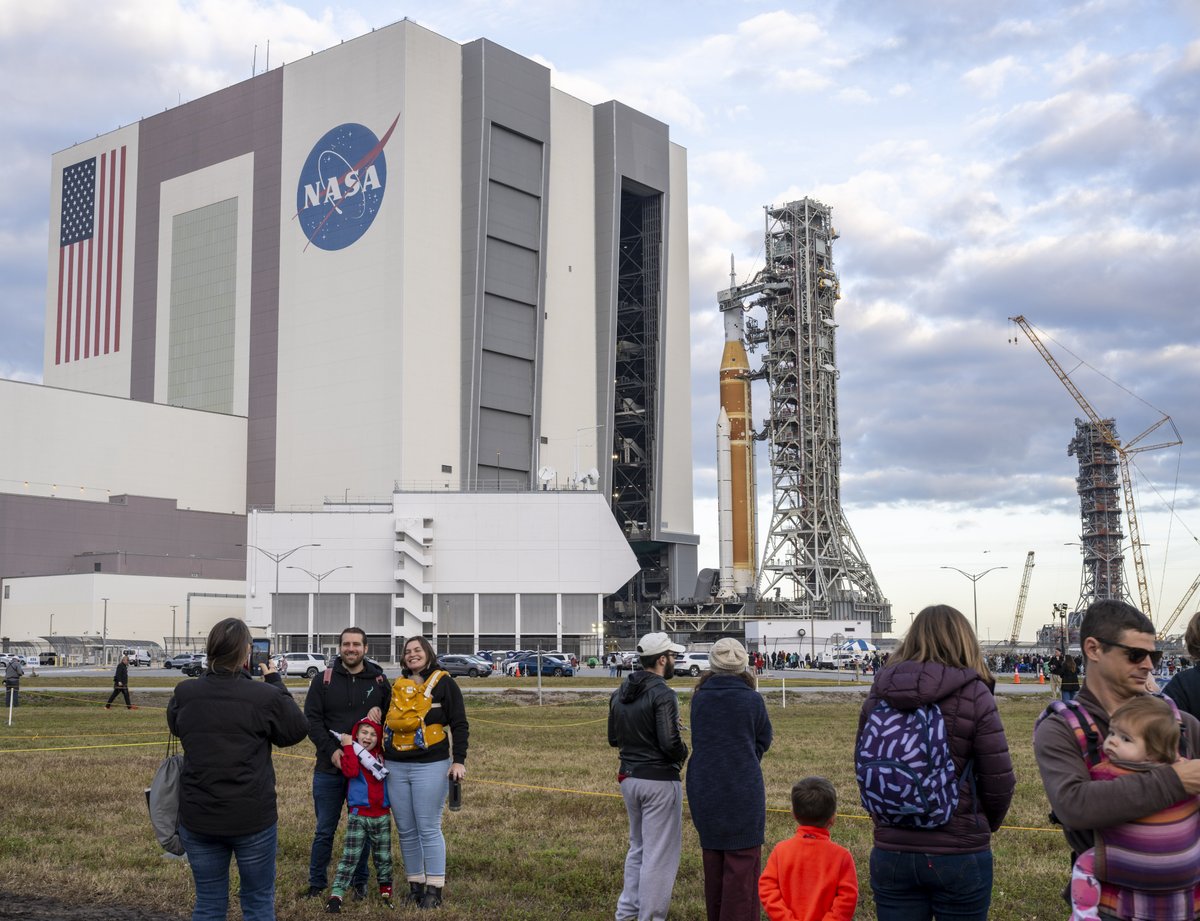
🚀 Enjoy these views of the Artemis II launch from cameras affixed to the rocket! On April 1, 2026, the SLS (Space Launch System) rocket lifted off, sending four astronauts on a test flight around the Moon and back aboard their Orion spacecraft. These cameras, developed by engineers at NASA Marshall, are called the Flight Imaging Launch Monitoring Real-time System (FILMRS). They are able to survive some of the harshest environments during launch.
Watch the full video here: https://t.co/8Wqh6PYsEB
Also, check out the 360 degree view of launch here: https://t.co/j5gOBOpj4V
Thankful for our representative @ValerieFoushee and her leadership in passing a strong budget for NASA science in FY26. @exploreplanets makes it easy to find your representative. Please urge them reject these cuts and once again support a robust and stable science program.
Once more unto the breach…now is not the time to back away from NASA science. NASA science missions inspire us, spinoff new world changing technologies, and help us better understand our planet and its place in the universe.
The White House budget office just announced their proposal to cut NASA Science by 47% in FY 2027, as the Artemis II astronauts are on their way around the Moon.
Here’s our statement and what you need to know: https://t.co/gONlSInvRc
We see our home planet as a whole, lit up in spectacular blues and browns. A green aurora even lights up the atmosphere. That's us, together, watching as our astronauts make their journey to the Moon.
NASA’s Mars objectives are clear: Seek signs of ancient life, characterize the Red Planet's climate and geology, and prepare for future human exploration.
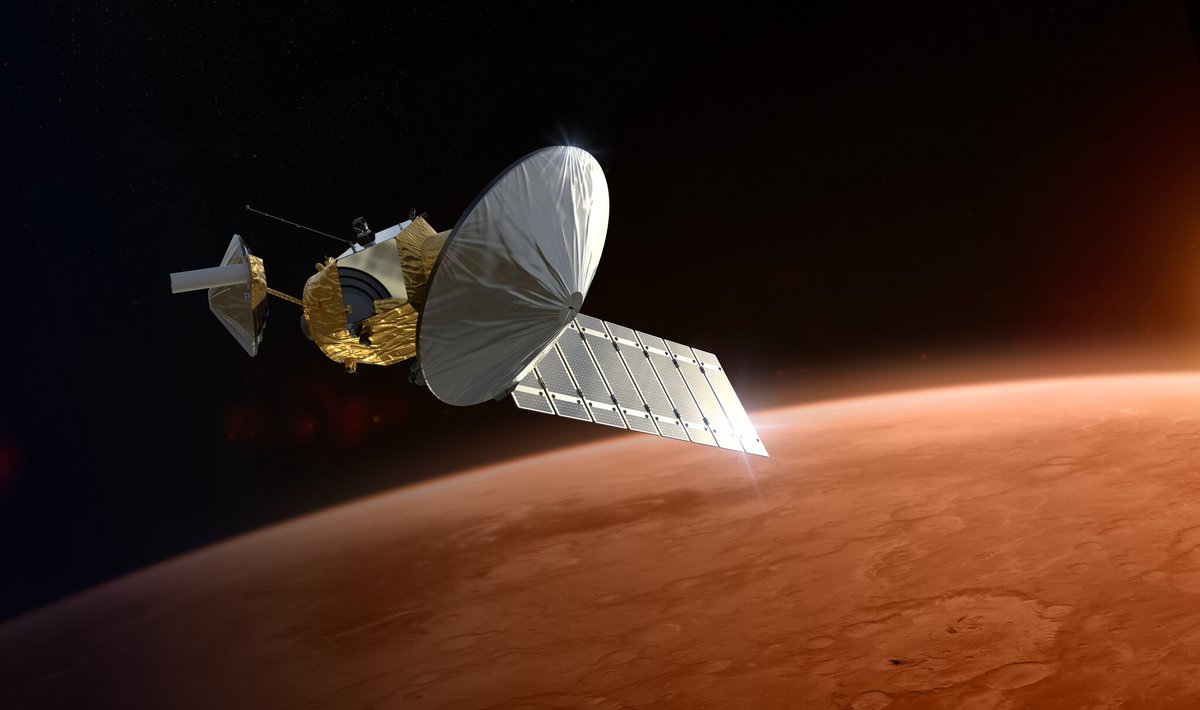
Rocket Lab's Mars Telecommunications Orbiter will enable this. It’s the invisible infrastructure that makes @NASA's entire Mars strategy possible.
But why does Mars matter, and why do we need to talk to it?
Find out: https://t.co/h0EEPCdKgq
Love is in the air… and in cislunar space. 💘🚀
For this Valentine’s Day, we challenged our team members to come up with a heart-shaped trajectory – and they did not disappoint!
We are over the Moon for these romantic trajectories, and we think you will be too. If you’d like to join in on the challenge, post your own affectionate trajectory in the comments! And if you’d like the OEM ephemeris files for these tender trajectories, shoot us a DM.
Happy Valentine’s Day! ❤️✨
#ValentinesDay #SpaceExploration #TrajectoryChallenge #Teamwork
And now, the “lights go out” and #SciTech26 day 2 accelerates into the foundational science and technology between @F1. Arbi Karapetian on F1: “the Super Bowl for tech heads”
Good morning from Orlando! Day 2 at #SciTech26 begins with the presentation of the AIAA Public Service Award to @Dr_ThomasZ, whose bold leadership of NASA’s science saw >30 missions launched between 2016 and 2022. In his remarks, he challenges all of us to serve.
Up next, a panel discussion reflecting on the tremendous progress in rocketry over the 100 years since Robert Goddard’s first liquid rocket flight. #SciTech26
Good morning from the 2026 @aiaa SciTech conference! 🚀 Inspiring plenary from @AstroPeggy about the future of human space exploration to kick off an exciting week! #SciTech26





![kari2030's tweet photo. [달 궤도에서의 3년, 임무는 계속됩니다!]
2022년 12월 27일,
다누리가 달 궤도 진입에 성공했습니다!
2027년까지 대한민국 달 탐사 기록을 써 내려갈 다누리.
앞으로의 여정도 함께 지켜봐주세요!
#한국항공우주연구원 #항우연 #KARI #다누리 #달궤도진입3주년 https://t.co/KTbXRvSxDP](https://pbs.twimg.com/media/G9FA73Db0AUAdQp.jpg)












![kari2030's tweet photo. [달 궤도에서의 3년, 임무는 계속됩니다!]
2022년 12월 27일,
다누리가 달 궤도 진입에 성공했습니다!
2027년까지 대한민국 달 탐사 기록을 써 내려갈 다누리.
앞으로의 여정도 함께 지켜봐주세요!
#한국항공우주연구원 #항우연 #KARI #다누리 #달궤도진입3주년 https://t.co/KTbXRvSxDP](https://pbs.twimg.com/media/G9FA73Eb0AIphbJ.jpg)


