The Cube Quest Challenge encourages teams to design, build and deliver small satellites capable of advanced lunar operations – and it's not too late to sign up >> https://t.co/dfGerSUPbW @NASAPrize
For future space navigators, flashing pulsars could act as cosmic lighthouses. A new @ISS_Research experiment is taking a closer look >> https://t.co/GWNBk0uqh6
In the latest episode of Rocket Science in 60 Seconds, @NorthropGrumman engineer Chelsea Walker explains why the #NASASLS boosters for NASA's #Artemis missions to the Moon are insulated and how the insulation is produced in Utah. WATCH >> https://t.co/RskwiSsv1o
#News: Scientists have detected an X-ray flare from a very young Sun-like star about 1,400 light years from Earth. This discovery could help answer some questions about our Sun's earliest days as well as others about our Solar System in the present. More: https://t.co/tIwemJYwBX
The Dark Energy Spectroscopic Instrument in Arizona has reached its final formal approval milestone prior to startup.
👇🏽
https://t.co/vOCmnwsEEp
@desisurvey@LBNLphysics
Robots like Astrobee, our flying robotic helpers aboard the @Space_Station, will play a big part in #Artemis missions to the Moon. See how researchers are pushing forward on mission-critical activities in space during the COVID-19 pandemic: https://t.co/Ws9qTd47dk
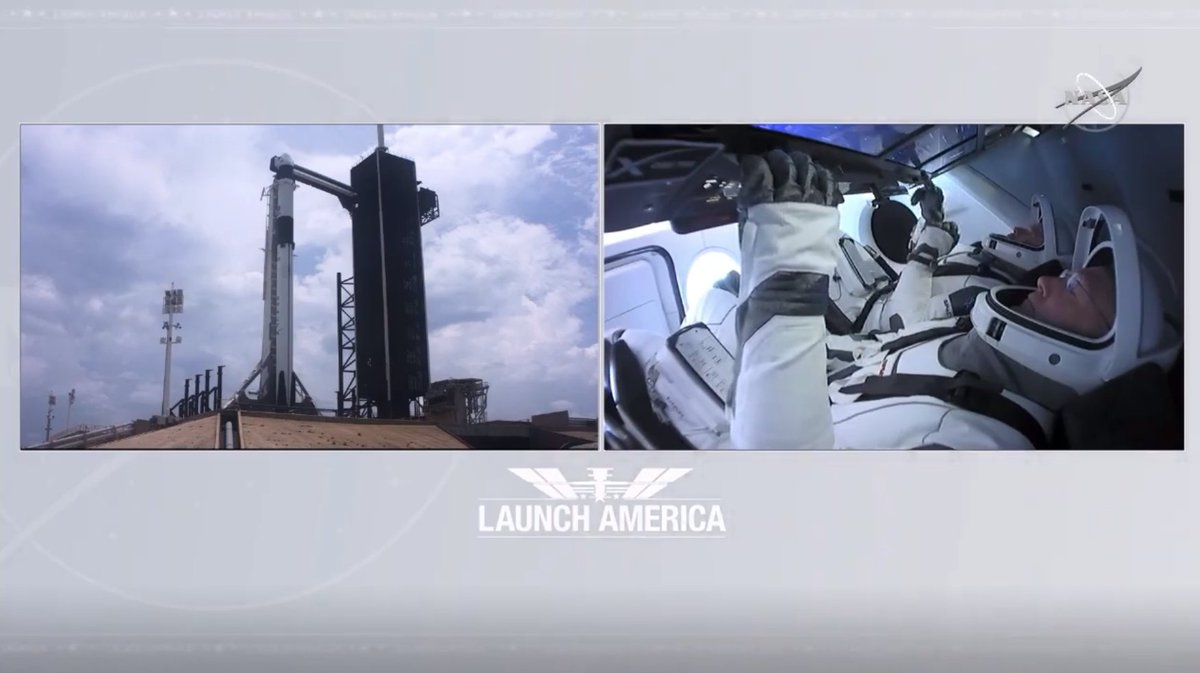
Thank you for watching #LaunchAmerica today!
We continue to track @Astro_Doug and @AstroBehnken on capsule Endeavour as it travels to the @space_station 🛰️
📺Tune in for continuous live coverage on https://t.co/0tGwqaSya3
A new era of human spaceflight
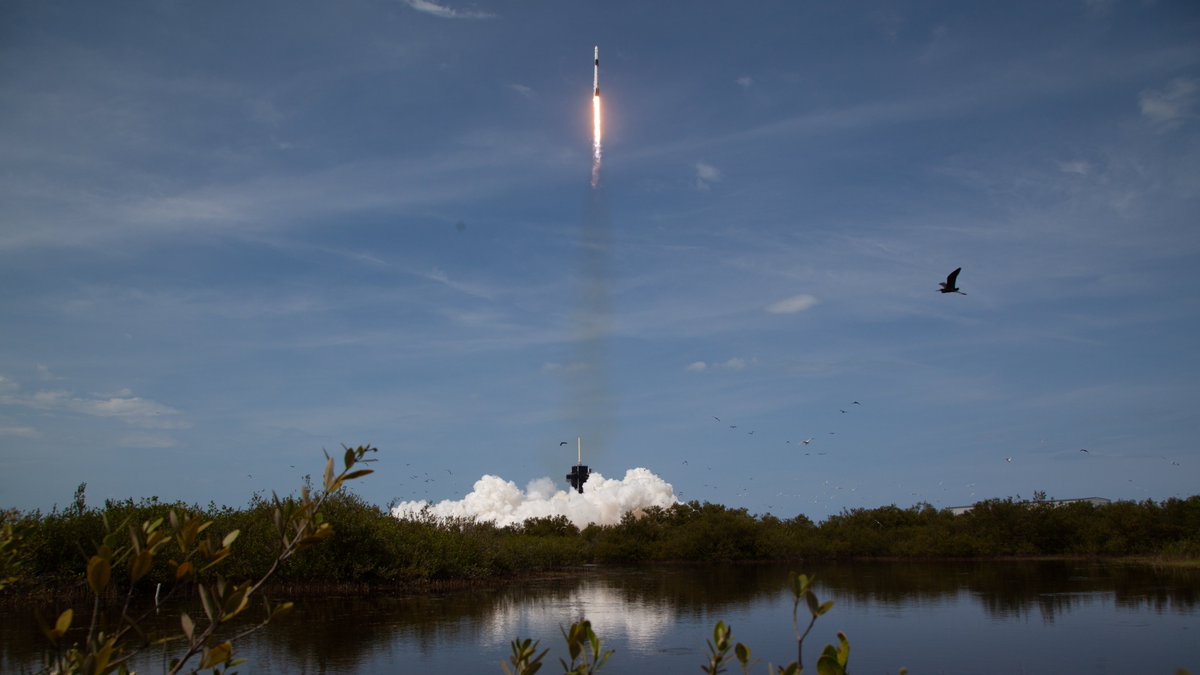
Today, @SpaceX’s Crew Dragon capsule lifted off to space for the first time with @NASA_Astronauts on board. See how our world-class research facilities contributed to the success of the historic launch: https://t.co/8drf1fuqBt #LaunchAmerica
👨🏽🚀 🚀 🛰️ Don't miss @NASA’s @SpaceX Crew Dragon mission launch to the @Space_Station happening today at 3:22p ET/12:22p PT via https://t.co/9ZZBpF4acC. This marks the first time American astronauts have launched from US soil since 2011! 🇺🇸
#LBNLwfh#STEMed#LaunchAmerica
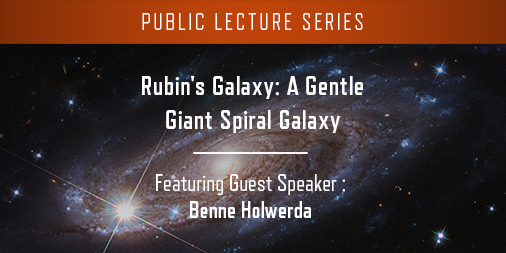
How do the size and characteristics of a galaxy relate to its globular star cluster populations? Join our webcast as Dr. Benne Holwerda describes his analysis of the largest spiral galaxy known in the local universe—Rubin’s Galaxy—on June 3 at 3:30 pm EDT: https://t.co/FefdhfuDEk
DEM L241: A star about 25-40 times our Sun's mass ran out of fuel, collapsed, & exploded as a supernova. As powerful as the explosion was, a companion star survived the blast. The hardy star is seen here in a field of debris from the stellar explosion called a supernova remnant.