MD-PhD, dad of a daughter, PI of Vural Lab & KU-Motion, Prof. of Neurology @kocuniversity,@_KUTTAM_, Humboldtian, Neuroimmunology, Neurodegeneration, AI
Bu hafta Tıp-Bilim Doktorası Bütünleşik programı, kısa adıyla MD-PhD programı yönetmeliğinin resmî gazetede yayınlanmasıyla artık bu program ülkemizde yaygınlaşacak. Bu haber bolca ilgi ve merakla ve biraz da şüpheyle karşılandı. Peki nedir bu MD-PhD programı?
Look, I'm not an oncologist but I am frustrated by the way this dog cancer story is being interpreted from a bunch of different angles and I think basically all of this can be cleared up if people understood like...six things.
You should know these 6 things about cancer:
Bu haftanın başında Koç Üniversitesi’nde gerçekleştirilen iki günlük Yapay Zeka Sempozyumu, gerçekten oldukça etkileyici ve düşündürücü tartışmalara sahne oldu.
Konuşmaların ve panellerin önemli noktalarını yapay zeka yardımıyla kendim için kısa özet videolar haline getirdim.
İlgilenenler için bu paylaşımlarda özet videoları bulabilirsiniz.
Ayrıca bu içeriklerin PDF özetleri bu akşam https://t.co/8Wv9S7Zlnj web sitemde indirilebilir olacak.
Sempozyumun orijinal yayınını da buradan izleyebilirsiniz:
https://t.co/6r6gO9OuUQ
AI Sempozyumu 2026 – @kocuniversity
#YapayZeka
#ArtificialIntelligence
#AISymposium
#KoçUniversity
#AIResearch
#TechnologyAndSociety
#DigitalFuture
#AIConference
#Bilim
#BilimselAraştırma
#Teknoloji
#AI2026
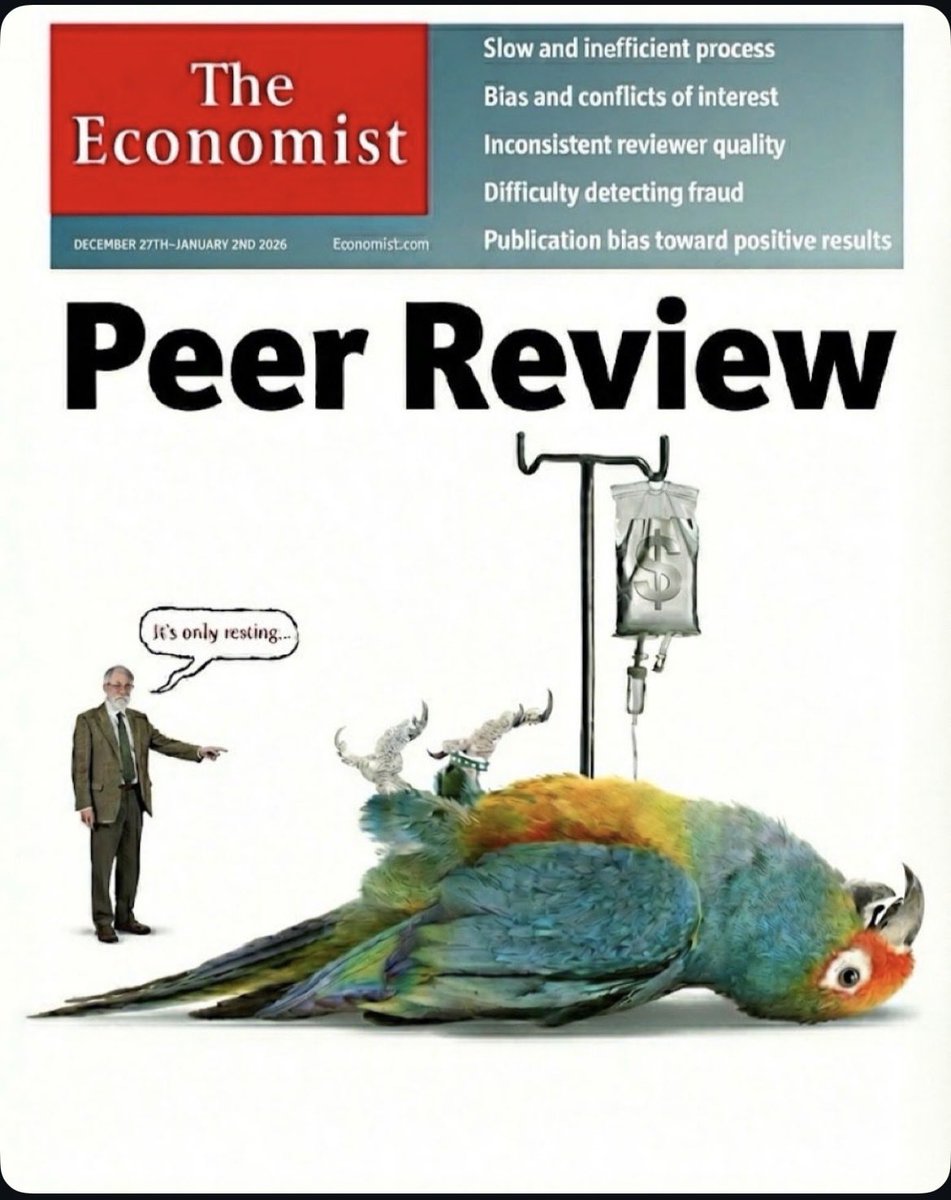
For decades, peer review has been treated as the gold standard of scientific validation.
Yet many scientists know the reality: the system is far from perfect. Peer review is broken and sometimes even corrupted.
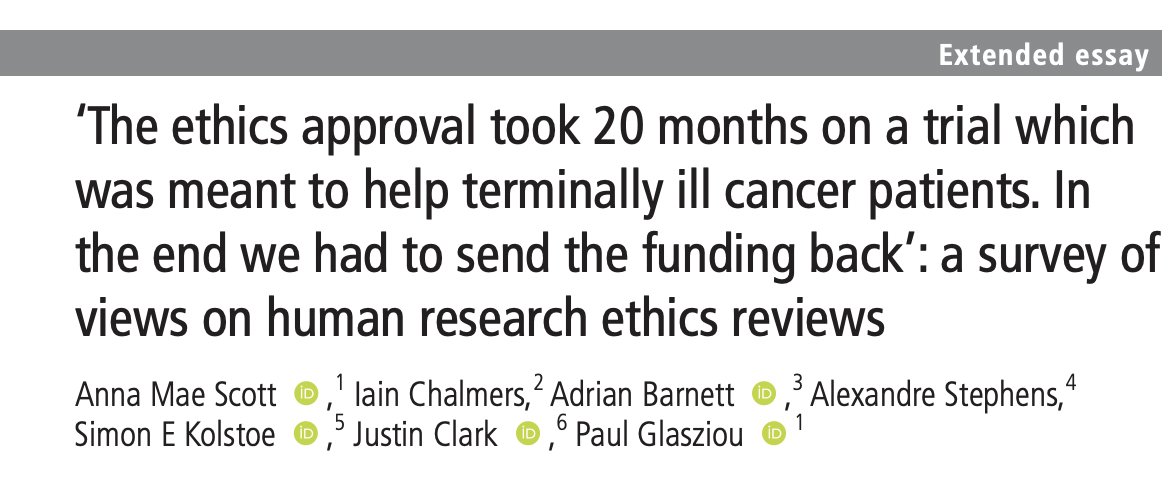
The process can be slow, inconsistent, and vulnerable to bias. Reviewers are sometimes asked to judge work outside their true expertise. In other cases, they may be evaluating ideas that challenge the very paradigm in which they were trained. And occasionally, reviewers are simply competitors.
Ironically, the most prestigious journals can also be the most conservative. Truly new ideas are often met with skepticism, while safer work that fits the current narrative moves more easily through the system.
Increasingly, papers are judged less by the originality of the idea and more by the volume of data, the sophistication of statistics, and the beauty of the figures. Science risks becoming data-rich but idea-poor.
But there is an important reality to remember: journals do not ultimately decide the impact of scientific work. Impact is decided later, by the community. By the scientists who read it, test it, debate it, and cite it.
In the end, citations and ideas determine the legacy of a paper, not the impact factor of the journal that first published it.
Science has always advanced by questioning assumptions. Perhaps it is time we also question the system that filters scientific ideas.
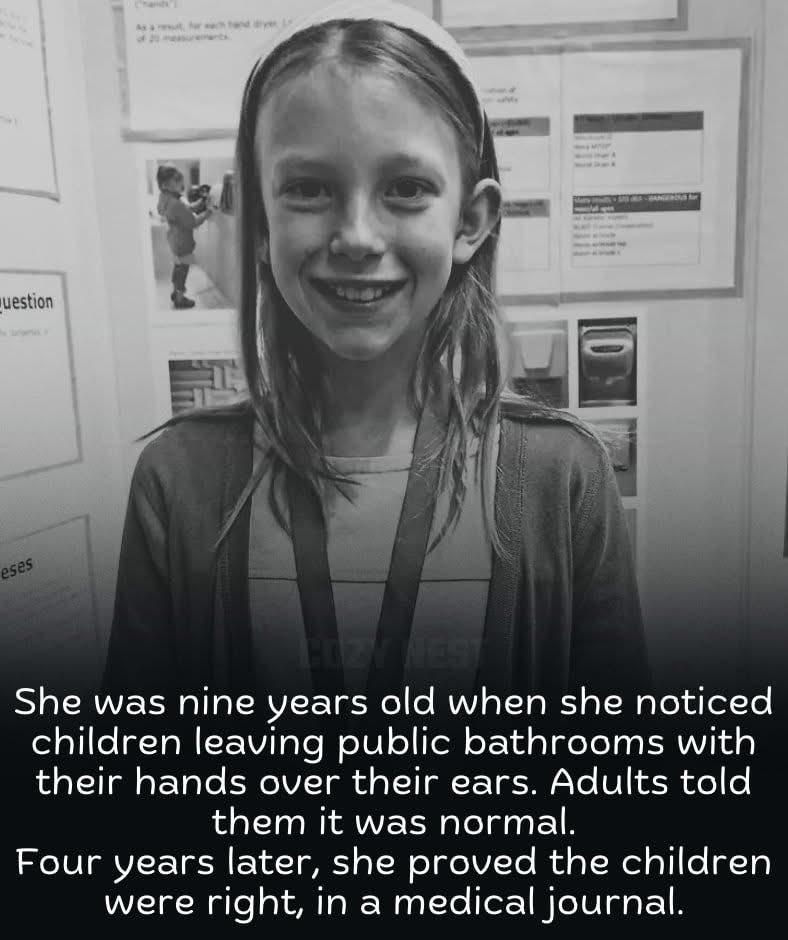
Nora Keegan was not trying to change public health policy. She was just paying attention.
In elementary school in Calgary, she noticed something adults kept dismissing. Children rushing out of public restrooms. Hands clamped over their ears. Faces tense. Complaints whispered between friends. It hurts my ears.
She felt it too. After using hand dryers, her ears rang. The sound lingered. Adults brushed it off. They are just loud. That is what machines do.
But Nora kept wondering why children reacted so strongly. And more importantly, why no one was measuring it.
In fifth grade, she decided to find out.
With the help of her parents, both physicians, she turned curiosity into research. She borrowed professional sound equipment. She designed an experiment. And then she went where the problem lived.
Public bathrooms.
Over two years, she visited forty four restrooms across Alberta. Libraries. Restaurants. Schools. She took eight hundred and eighty measurements. She measured at adult height. Then she crouched to measure at child height. She tested distance. Position. Airflow. Again and again.
What she found was impossible to ignore.
Many high speed hand dryers exceeded one hundred decibels at a child’s ear level. Some reached levels comparable to emergency sirens. Levels that medical authorities already prohibit in children’s toys because of the risk of hearing damage.
Children were not imagining the pain. They were standing closer to the source. Their ears were smaller. And the sound hitting them was stronger than what adults experienced.
Manufacturers claimed their machines were safe. Nora’s data showed real world conditions told a different story.
And she did not stop there.
Still in middle school, she began designing a noise reduction filter. A simple modification that lowered sound output by more than ten decibels. Proof that the problem was not inevitable.
Then she did something most adults never do. She wrote a scientific paper.
Her first submission was rejected. So she revised. She corrected. She tried again.
In June 2019, Paediatrics and Child Health published her study. Its title was direct and impossible to dismiss. Children who say hand dryers hurt my ears are correct.
She was thirteen years old.
Health professionals paid attention. Researchers cited her work. Parents shared it. Manufacturers requested meetings. All because a child trusted her own experience enough to test it.
Nora did not raise her voice. She measured. She documented. She proved.
And in doing so, she reminded the world of something simple and easily forgotten.
Sometimes the smallest voices are describing the biggest problems. You just have to listen.
❄️ 2026 Kış Olimpiyat Oyunları
🇰🇿Mikhail Shaidorov, "Kung-Fu Panda" temalı gösterisi ile izleyenlere eğlenceli bir seri sundu.
🐼 Gösterinin sonunda ise onu kenarda elinde peluş panda ile Jackie Chan bekliyordu.
Anti-CD320 Autoantibodies and Central Nervous System Vitamin B12 Deficiency in Idiopathic Myelopathy
from @jvpluv and Michael Wilson and colleagues
https://t.co/i60TQaX76z
Overjoyed to share our new work exploring the antigen specificity of CSF-expanded CD8+ T cells in #multiplesclerosis#EBV in @natimmunol 🧵1/
https://t.co/CSkBPLFO09
It’s time to rethink Parkinson’s disease. Our work reframes PD as a disorder of the somato-cognitive action network (SCAN), and shows that normalization of SCAN connectivity represents a shared mechanism across diverse effective therapies.
https://t.co/OuqOQcOcYq
@ndosenbach@DavidRen555@iamzhangvv@bttyeo@foxmdphd
Anthropic ChatGPT ile çok iyi kafa bulmuş. Şaka maka Black Mirror'da tam bu konseptte bir bölüm vardı. Tepki gösterilmezse hayatımız gerçekten distopik bir sci-fi hikayesine dönebilir.
Shots fired.
Anthropic is running a Super Bowl Ad making fun of ChatGPT for adding Ads.
Tbf though, I wonder how many consumers actually use Claude to begin with.
Yeni bir nörolojik hastalık olan MOG antikor hastalığı (MOGAD) hakkında bilgilenmek isteyen herkes için Türk Nöroloji Derneği Nöroimmünoloji Grubu tarafından hazırlanmış kısa ama çok bilgilendirici bir video ⬇️
https://t.co/yJitq8iGOo
Koç Üniversitesi Tıp Fakültesi Demiyelinizan MSS Hastalıkları Merkezi, “Siegel Rare Neuroimmune Disorders Association (SRNA)” tarafından “Nadir Nöroimmün Hastalıklar Mükemmeliyet Merkezi (CERND)” olarak resmen tanındı.
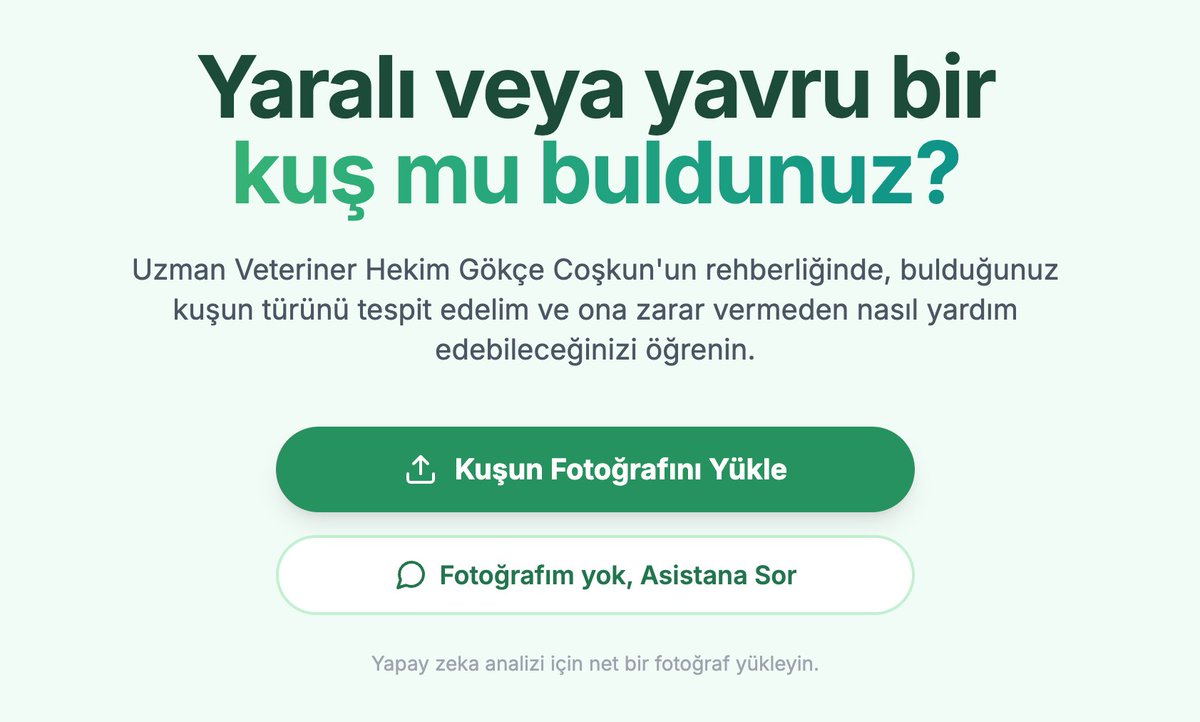
Kuş Buldum! Artık 7/24 Anında Yardım Alabilirsiniz 🚑
https://t.co/byDlRPmj48
Yıllardır "Kuş buldum, ne yapmalıyım?" sorularınıza yetişmeye çalışıyorum ancak yaban hayatı ilk yardımında saniyeler çok önemli. Ben mesajı görene kadar geçen sürede yanlış müdahale yapılmasını önlemek ve size anında rehberlik edebilmek için Kuş Buldum AI'ı geliştirdim.
Artık günün her saati, tamamen ÜCRETSİZ olarak sistemimize danışabilirsiniz:
✅ Bu kuşun türü ne? (Ebabil mi, kırlangıç mı?) ✅ Gerçekten yardıma ihtiyacı var mı? (Yoksa uçuş denemesi yapan bir yavru mu?) ✅ Su veya yem verilmeli mi? (Yanlış besleme öldürebilir!) ✅ En yakın tedavi noktasına nasıl ulaşırım?
Lütfen bu tweeti kaydedin. Bir gün avucunuzda titreyen bir canla baş başa kaldığınızda, ne yapacağınızı aramakla vakit kaybetmeyin.
🔗 https://t.co/byDlRPmj48