“The New Dark Ages, which I hope will be widely read, is a brief, brisk, and persuasive book about the damage our screen life is doing to our social and political life.” — @MatthewJFranck
https://t.co/uCHBsGasn1
Phone-free schools are gaining ground. But preparing students for what comes next requires more than policies.
@cmcrook, founder and CEO of JOMO(campus), explores digital wellness and discernment in our latest Lead Well blog: https://t.co/sgTz9D0Bhm #leadwell#experiencejomo
One of the more disturbing elements of the world of Fahrenheit 451 is that the classics still exist, they’ve just been wholly rewritten to remove anything that makes them interesting or challenging. Our addiction to a fully frictionless existence is going to kill us.
"Grammar taught students how language worked, while rhetoric taught them how to use it.
Logic stood between the two, teaching them how arguments were constructed and how bad arguments could be recognized."
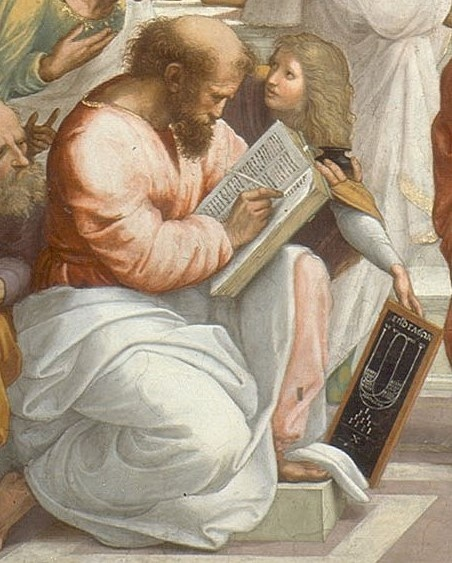
Logic was once considered one of the foundations of education because students were expected not simply to know things, but to understand why they believed them.
Grammar taught students how language worked, while rhetoric taught them how to use it.
Logic stood between the two, teaching them how arguments were constructed and how bad arguments could be recognized.
Together they formed the trivium, which remained at the center of Western education for centuries.
Before students were expected to specialize in a particular subject, they were first taught how to learn and how to think.
As Dorothy Sayers wrote:
“The sole true end of education is simply this: to teach men how to learn for themselves.”
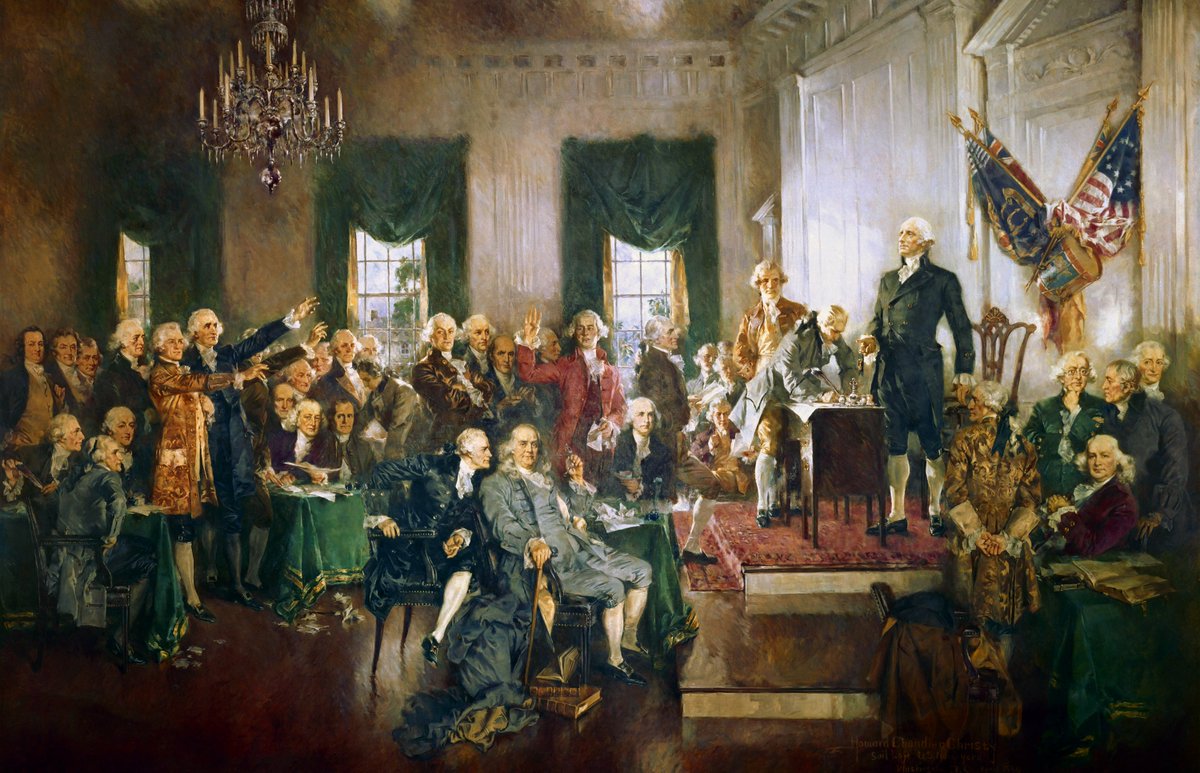
Many of the freedoms and comforts we enjoy today were considered radical just 250 years ago:
• Rights come from our Creator, not granted by a king
• The government answers to the people, not the people to the government
• We can criticize our leaders without being jailed
• A person can rise by merit instead of being locked into the class they were born into
• Leaders are chosen, and can be removed, by the governed
• People have the right to alter or abolish a government that turns tyrannical
Our Founding Fathers thought these ideas were worth risking everything for. May we never take them for granted.
One of the strangest things about classical education is how extraordinary basic competence can seem today. A 16-year-old who can tackle a challenging book, write clearly, do calculations without a device, memorize poetry, and debate calmly appears remarkable—even though these abilities were never meant to be remarkable.
Basic competence can now seem almost revolutionary. Abilities once considered essential—reading challenging books, writing clearly, doing mental math, memorizing poetry, and debating with logic rather than emotion—can make a 16-year-old appear unusually accomplished. These skills were never intended to be exceptional, yet critics argue they have become less common amid changes in modern education and growing reliance on technology and AI.
Maybe those of you who haven’t listened when I’ve said machine-made art is inferior to human art because it lacks the spark of humanity will listen to the POPE.
What will it take to save American education?
Today on The Anchored Podcast, Soren speaks with @JasonBedrick , Senior Research Fellow at @Heritage, and @shulsie, Undergraduate Director of Civics and Liberty Studies and Head of the Education Liberty Branch of @fsuigc. They talk about their upcoming publication from @EncounterBooks, The Phoenix Principles: Toward a Rebirth of American Education. They explore how these principles can guide a rebirth of American education, improve civic and character education, and foster a more virtuous and effective educational system.
Watch the full episode: https://t.co/Rd2S5MgovH