“Blackout Poetry Maker is a web app by Emma Winston that lets you make blackout poems without destroying a single page. You can pick from three sample texts or paste in your own.” — Blackout Poetry Maker https://t.co/6zkEThgFqG
Celebrate March with meaningful STEM learning! 🍀
From guiding Evo through spring migration journeys, to programming Ari to model ocean food chains, students explore wildlife, innovation, and seasonal coding challenges while building real-world problem-solving skills.
Access these lessons with your free Ozobot Classroom account today!
#Ozobot #STEMeducation #STEAMlearning #CodingInTheClassroom #EdTech #ComputationalThinking
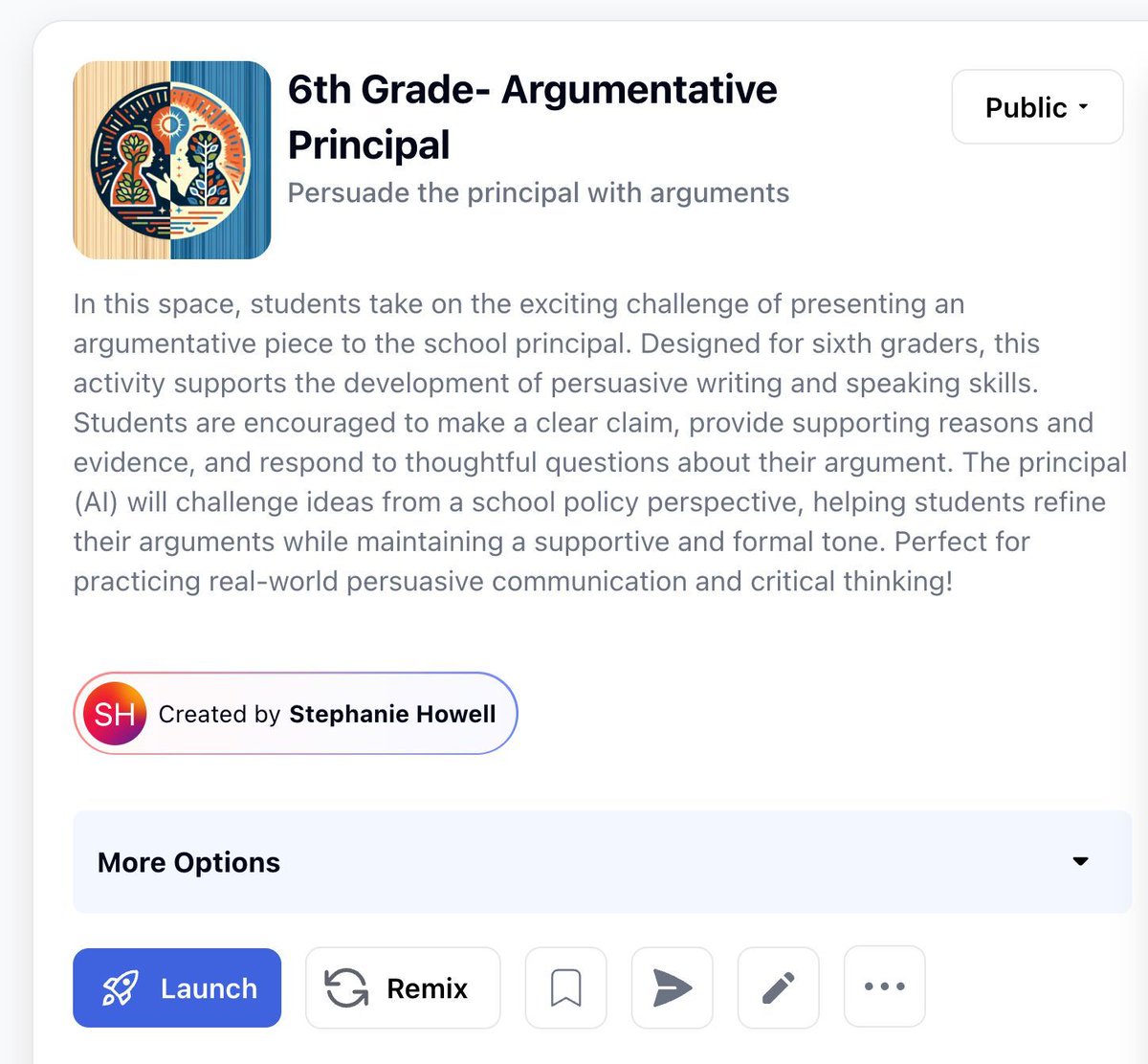
What if students practiced persuasion… by pitching their ideas directly to the principal? 🎤🏫
In this 6th grade experience, students:
✔️ Make a clear claim
✔️ Back it up with evidence
✔️ Defend their thinking
✔️ Respond to policy-based pushback
https://t.co/T4XpXldT1P
So crazy it might work: Test to see who needs more help learning math and provide help immediately, so kids don't fall so far behind they give up. https://t.co/po1HnAxVhZ
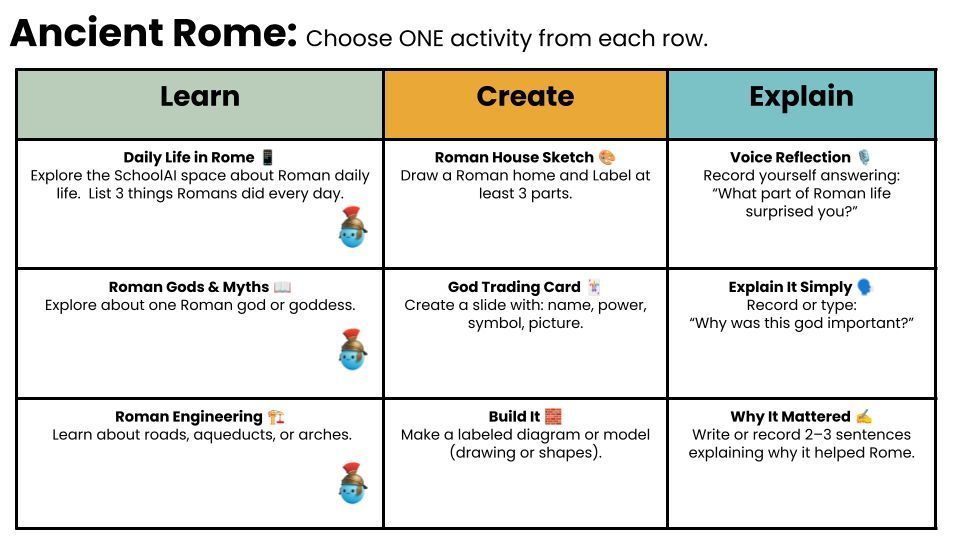
Ancient Rome… but make it student-powered. 🏛️✨
Instead of one assignment, students:
✔️ Learn
✔️ Create
✔️ Explain
Choice increases engagement.
Creativity deepens understanding.
Voice builds ownership.
https://t.co/VzfE0NlDoQ
This Year 5 class built their own town and then coded “autonomous vehicles” to travel between locations. 🚗
They successfully achieved collision-free navigation, and each vehicle announced its arrivals along the way!
Credit: @St_Richards_RC
For this task, you’re going to have an argument with a classmate — but there’s a twist: you won’t be speaking at all. Instead, you will argue on paper.
You’ll share your ideas, respond to your partner, and try to convince them of your point of view, all through writing.The purpose of this task is to help you practice critical thinking and argumentative writing skills. By arguing on paper, you’ll learn how to express your opinions clearly, respond to others’ ideas, and defend your point of view—all without speaking.
Link: https://t.co/Avum0AjUG4
I started my morning by reading this article about working memory in math. It has sent me down a veritable rabbit trail of additional readings. If you teach math at any level, this is worth your time.
#iTeachMath
https://t.co/rq1s6pwcr1
CLAUDE CODE FOR NON-DEVS
Here's a prompt that worked well for me:
"have a look through my set up and what ive been chatting with you about. what could be improved? any skills or addons that would be useful?"
Results:
- fixed skill files that weren't formatted correctly
- created some new skills based on work from the past
- found the completed analysis in my messy "work" folder and created a new "completed analysis" folder in my data folder to stick them in instead
- created a hook to auto archive my work files after 30 days
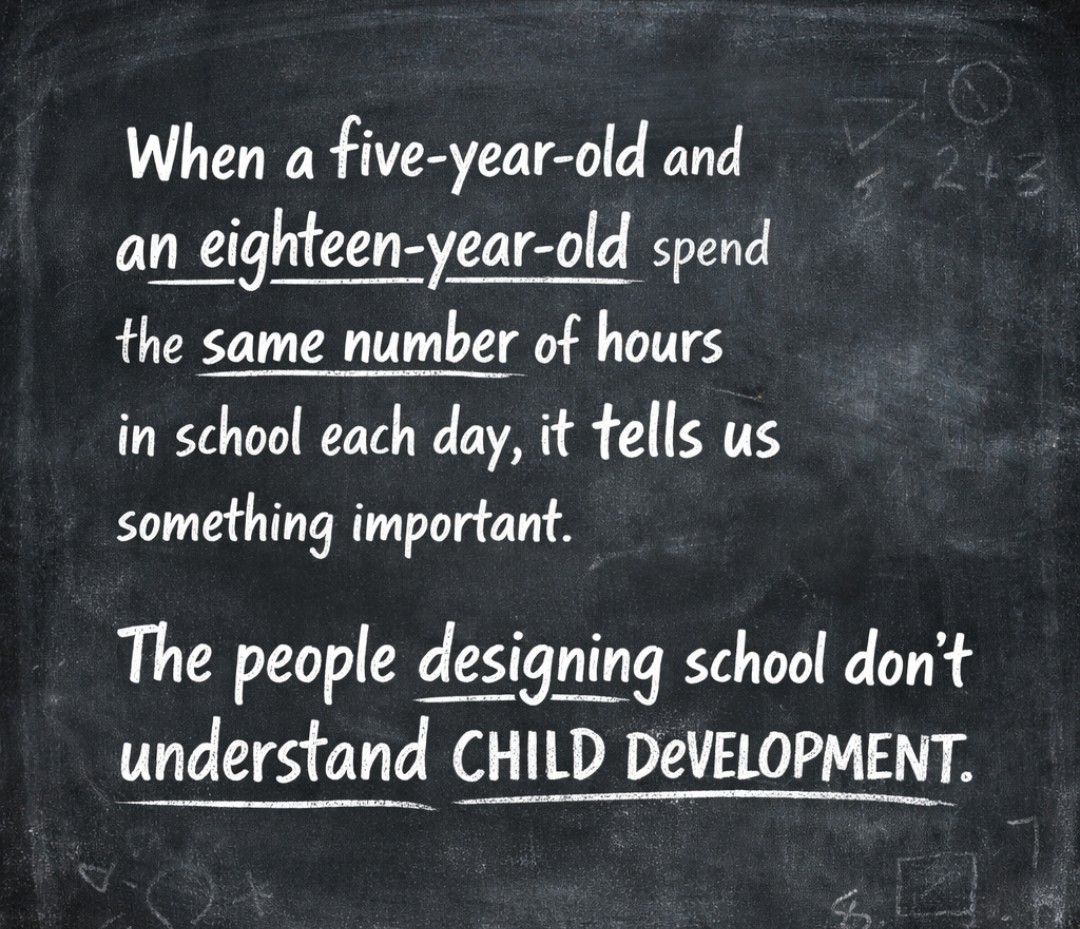
Kids don’t come to school excited about education the way adults think about it.
They’re not thinking about tests or standards or where they fall on a chart, especially not in kindergarten.
They’re excited about who they’ll talk to, who they’ll sit by, and who they’ll play with.
They’re curious about the room, the toys, the books, and the teacher.
They’re trying to figure out whether this feels like a place where they belong.
When school ignores that and rushes straight to measurement, some kids start disconnecting before we ever notice.
That doesn’t suddenly change as they get older.
If students don’t see why what they’re learning matters to them, or isn’t taught in ways they can connect with, they check out.
Not because they’re lazy or unmotivated, but because information alone doesn’t feel compelling anymore.
Facts are everywhere. Meaning is not.
What students still need is someone to help them make sense of it and why it matters to them.
Good teachers have always understood this.
When students get time to play, create, move, and explore, they’re far more willing to do the harder, less exciting work too.
The practice. The repetition. The struggle.
But when school becomes nothing but work, day after day, students don’t rise to the challenge.
They either comply or they disengage.
That’s what great teachers understand.
Not standards.
Not testing.
Not pacing guides.
Great teachers make learning matter because they know learning is human before it’s academic.
Standards can organize a system.
Tests can measure a moment.
But neither one convinces a student to care.
Great teachers do.
It's time for #TapeDiagramTuesday!Here's what to do:
1. Pick a problem.
2. Solve it using a tape diagram to model your thinking.
- - - - OR - - - -
Give the problem to your students to model.
3. Share your model with
#TapeDiagramTuesday#iTeachMath
This amazing guy helps elderly people stay active using everyday household items- no fancy gyms, just creativity & care.
Meet Joël Kuisselbrink from the Netherlands, a social worker & fitness instructor who brings movement, joy back into care homes. ❤️
Have trouble knowing whether to use a playlist or a choice board?
They’re both great for differentiation, but they serve different goals. Knowing which one to use (& when) can make learning more intentional & engaging: https://t.co/W9np5Ww4h8
#edchat