For SatoshiNet, EVM is not an identity label. It is a developer entry point.
The real question is how BTC-native asset facts are verified, how wallet authorization boundaries are expressed, and how contracts compose around those assets without making them generic chain assets.
Opening EVM contract testing on SatoshiNet is not about turning Bitcoin-native assets into another generic chain narrative.
It is about giving mature Solidity/EVM builders a way to build around BTC-native assets while keeping clear asset boundaries:
- Indexer for asset facts
- STP for cross-layer flow
- SatoshiNet for execution
- wallet and contract tooling for real applications
The next phase is not more issuance alone. It is making BTC-native assets programmable, verifiable, and usable.
🚨 Tether prévoit de lancer l’USDT nativement sur le réseau Bitcoin via le protocole RGB.
➡️ Les utilisateurs pourront envoyer et recevoir des USDT entre adresses Bitcoin compatibles.
Many Bitcoin L2 and BTCFi discussions are moving toward the same core question:
How can Bitcoin-native assets gain stronger application capability without losing what makes them valuable?
For SAT20Labs, the answer is not simply bridging assets into another execution environment. It is also not about reinventing an isolated smart contract world that developers must learn from zero.
A more practical direction is to connect several layers:
1. Asset facts on Bitcoin L1
2. Verifiable indexing and state representation
3. Clear entry and exit paths for BTC-native assets
4. Mature EVM/Solidity tooling and application patterns
5. An open execution environment for AI agents, DEXs, DAOs, AMMs, launchpads, and more
This is the direction SatoshiNet is building toward.
BTC-native assets need more than issuance. They need real application surfaces: swaps, composition, governance, liquidity, automated strategies, agent authorization, and verifiable settlement.
EVM and Solidity matter because they already have a large developer community, tooling stack, audit experience, and application market.
Bitcoin-native assets should not be limited to transfer and display. They also should not have to abandon their asset boundaries just to gain smart contract capability.
SatoshiNet aims to connect these two worlds:
Bring smart contract capability to BTC-native assets.
Bring EVM/Solidity builders into the Bitcoin-native asset economy.
Let users interact with richer apps while keeping asset facts, authorization boundaries, and exit paths understandable.
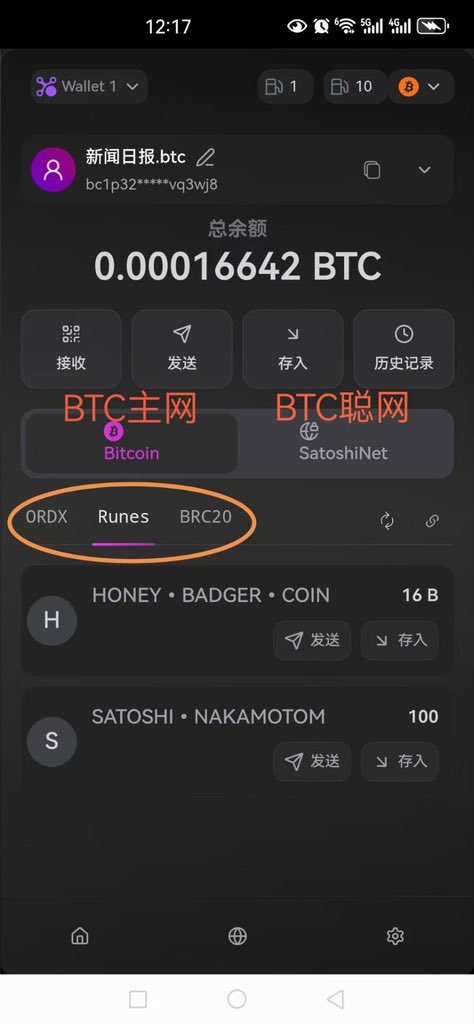
As the PWA wallet and smart contract testnet experience move forward, we want more developers, wallets, infrastructure teams, and BTC communities to test, give feedback, and build with us.
SatoshiNet is not another generic chain narrative.
It is an open execution network for BTC-native assets.