يشكل التدخل المبكر والعمل الاستباقي ضرورة ملحّة للحد من مخاطر الحرائق وتسريع الاستجابة وحماية الثروة الحراجية، وضمن خطة وزارة الطوارئ وإدارة الكوارث في الوقاية الشاملة من الحرائق الحراجية وبدعم من مركز الملك سلمان وبرنامج الأمم المتحدة الإنمائي @UndpSyria ومركز الملك سلمان للإغاثة @KSRelief نفّذت فرق الدفاع المدني السوري حتى اللحظة، أعمال فتح خطوط نار بطول 200 كيلو متراً داخل الكتل الغابية في الكتل الغابية بجبال التركمان والأكراد بريف اللاذقية الشمالي، بهدف تطبيق استراتيجيات للوقاية الشاملة من الحرائق الحراجية والحد من مخاطرها.
وتُعد خطوط النار إجراءً وقائياً محورياً داخل الغابات، إذ تحدّ من امتداد النيران عند اندلاع الحرائق، وتسهّل وصول فرق الإطفاء، ما يقلل الخسائر البيئية والاقتصادية ويحمي التجمعات السكانية والمرافق الحيوية المجاورة.
#الجمهورية_العربية_السورية
#وزارة_الطوارئ_وإدارة_الكوارث
أتابع على الأرض برفقة محافظ اللاذقية السيد محمد عثمان، جهود أبطال الدفاع المدني السوري وفرق الإطفاء، الذين يكافحون الحرائق في غابات قسطل معاف وزنزف وربيعة بريف اللاذقية، ظروف صعبة جداً تواجه الفرق بسبب وعورة التضاريس وشدة الرياح وارتفاع درجات الحرارة.
وضعنا في وزارة الطوارئ وإدارة الكوارث خطة متكاملة لمواجهة الحرائق وننسق مع باقي الوزارات.
نعد السوريين بأننا سنبذل كامل جهدنا في موا��هة هذه الحرائق ولن نخذلهم أبداً.
#وزارة_الطوارئ_وإدارة_الكوارث
#سوريا #اللاذقية #حرائق_الغابات
@RaedAlSaleh3 معالي الوزير، الحدث المؤلم اليوم بذكرنا بضرورية تطوير نظام وطني للاستجابة للحوادث mass causality incident وضروري وجود نظام وبروتوكولات لتنسيق الاستجابة والتعاون بين الوزارات، وهو موضوع لدي الخبرة وشبكة المعارف العالمية بتطويره، وجاهزين للتعاون مع الوزارة.
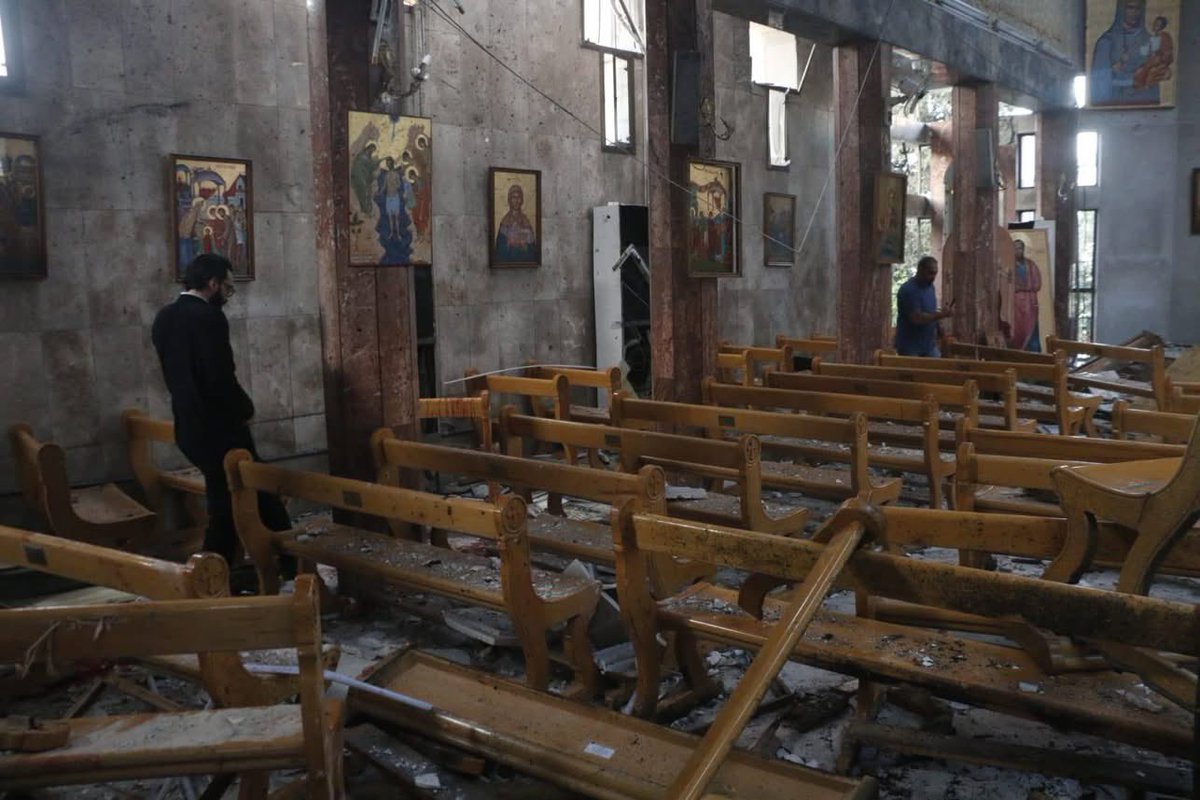
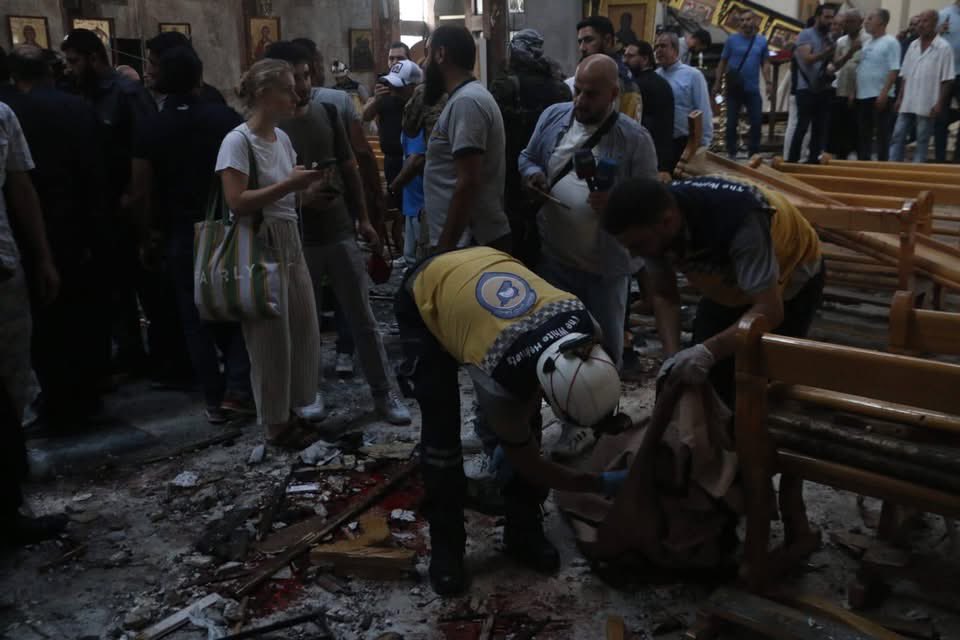
فاجعة كبيرة ما حصل في كنيسة مار إلياس في مدينة دمشق اليوم، بعد أن قامت أيادٍ غادرة بارتكاب عمل إرهابي جبان استهدف مدنيين أثناء تأديتهم مناسكهم الدينية، ما تسبب بوقوع ضحايا أبرياء، وأدمى قلوب السوريين.
في الوقت الذي تواصل ف��ه فرق الطوارئ في الدفاع المدني السوري عمليات الاستجابة للفاجعة وانتشال الجثامين وتأمين المكان، وفي مواجهة هذا المصاب الجلل، أؤكد على ضرورة التكاتف ونبذ العنف بكل أشكاله، وأنّ المساس بدور العبادة هو تعدٍ صارخ على القيم الإنسانية وعلى النسيج السوري الذي طالما تميز بتعدديته وتعايشه السلمي.
الرحمة للشهداء، والصبر لذويهم، والشفاء العاجل للمصابين، ونسأل الله أن يحمي سوريا وأهلها من كل شر.
#وزارة_الطوارئ_وإدارة_الكوارث
#الجمهورية_العربية_السورية
ولت أيام الخراب التي جلبت عقوبات على بلاد��ا، وانطلقت سورية الجديدة نحو البناء والعمل والشراكة مع العالم. هنا سورية التلاقي، أرض الحضارة والسلام، والشعب القادر الصامد الذي د��ع أغلى الأثمان لنيل حريته. حُرمت سورية من العالم طويلاً، وستظهر السنوات القادمة كم كان العالم محروماً منها.
📢 For the first time in over a decade, we gained access to #Damascus, #Syria. After years of war, #healthcare facilities are struggling with equipment shortages.
Our team is planning a project to rehabilitate the burn unit at #Mouwasat University #hospital.
No one can fully describe the horrors of #Sednaya prison - extrajudicial arrests and torture of men women and children over decades - may the #prisoners reclaim their lives out of the ‘#human#slaughter house”
@amnesty@AmnestyAR@omarAlshogre
https://t.co/be1xbaZzcM
(1/2)🔴 We are concerned about a drone strike that hit a water station in northeast Syria near Shaker Khaj, a small village south of AlMalikiyah/Derik, in AlHasakeh governorate on August 5th. #NES#MSF
If you are still doubting about this genocide, just watch this.
4 unarmed civilians walking normally, and being killed with persistence.
No more need to be said, this describes everything.
#Gaza: "In Al-Ahli hospital, also in the north, I saw patients who were lying on church pews basically
waiting to die in a hospital that had no fuel, no power, no water"- Sean Casey, @WHO Emergency Medical Team Coordinator
We're horrified by the killing of two MSF doctors, Dr. Mahmoud Abu Nujaila and Dr. Ahmad Al Sahar, and a third doctor working with Al Awda, Dr. Ziad Al-Tatari, following a strike on Al Awda Hospital, #Gaza.
Full statement here: https://t.co/ZA4NvWrYnV
Dr Mahmoud Abu Nujaila.
Dr Ahmad Al Sahar.
Dr Ziad Al-Tatari.
We are devastated by the killing of these three doctors - including our Dr Abu Nujaila and Dr Al Sahar - following a strike on Al-Awda hospital in #Gaza today.
https://t.co/TXyZNl5X78
كيف لنا أن نستمر ف�� حياتنا بعد هذا المشهد؟
هؤلاء الأطفال الإخوة كانوا يحتمون مع بعضهم أثناء قصف الاحتلال الإسرائيلي لمنزلهم فقتلهم كلهم في نفس اللحظة
مخيم النصيرات - غزة
#GazaGenoside
#GazaHolocaust
#Gaza
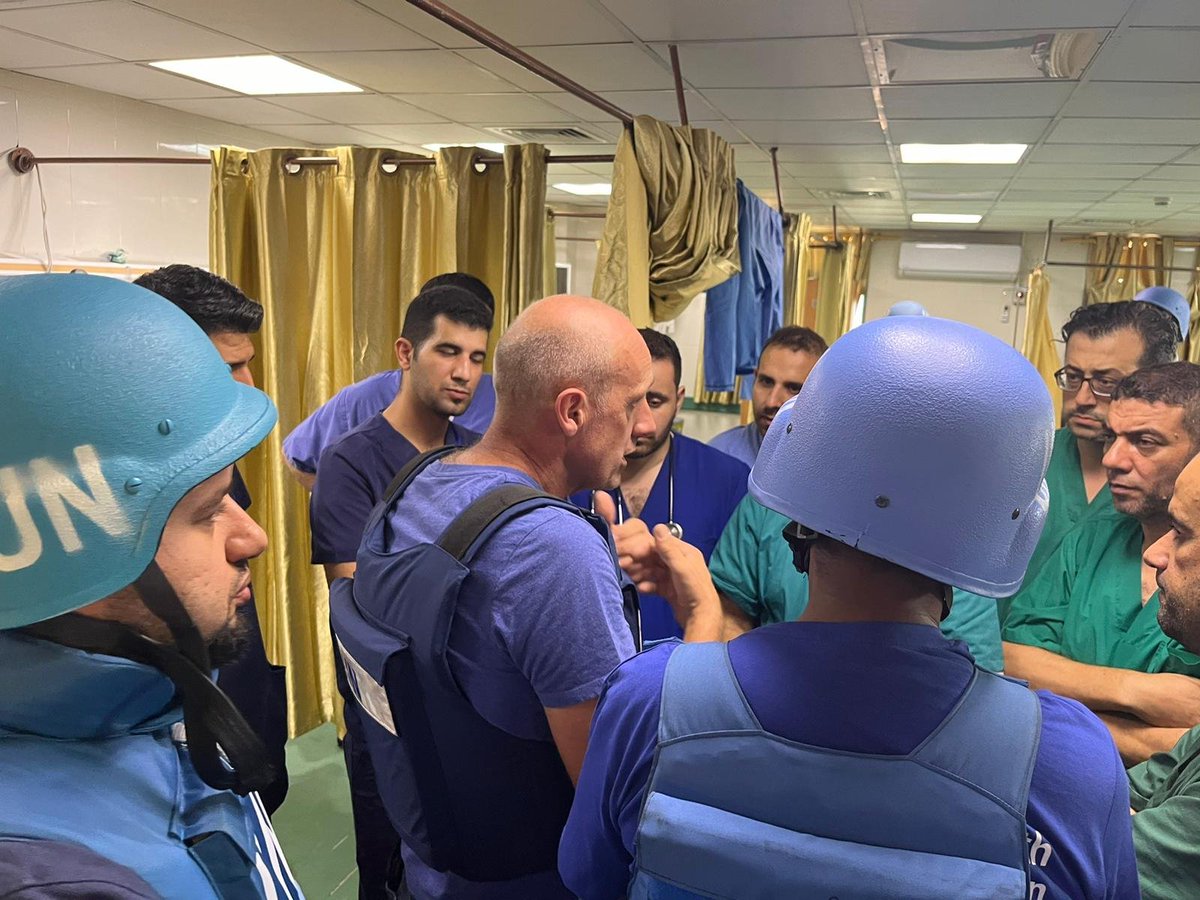
WHO leads very high-risk joint humanitarian mission to Al-Shifa Hospital in Gaza
18 November 2023 - Earlier today, a joint UN humanitarian assessment team, led by WHO accessed Al-Shifa Hospital in northern Gaza to assess the situation on the ground and conduct a rapid situational analysis, assess medical priorities, and establish logistics options for further missions. The team included public health experts, logistics officers, and security staff from OCHA, UNDSS, UNMAS/UNOPS, UNRWA and WHO.
The mission was deconflicted with the Israel Defense Forces (IDF) to ensure safe passage along the agreed route. However, this was a high-risk operation in an active conflict zone, with heavy fighting ongoing in close proximity to the hospital.
Earlier in the day, the IDF had issued evacuation orders to the remaining 2,500 internally displaced people who had been seeking refuge on the hospital grounds. They, along with a number of mobile patients and hospital staff, had already vacated the facility by the time of the team's arrival.
Due to time limits associated with the security situation, the team was able to spend only one hour inside the hospital, which they described as a “death zone,” and the situation as “desperate.” Signs of shelling and gunfire were evident. The team saw a mass grave at the entrance of the hospital and were told more than 80 people were buried there.
Lack of clean water, fuel, medicines, food and other essential aid over the last six weeks have caused Al-Shifa Hospital—once the largest, most advanced, and best equipped referral hospital in Gaza—to essentially stop functioning as a medical facility. The team observed that due to the security situation, it has been impossible for the staff to carry out effective of waste management in the hospital. Corridors and the hospital grounds were filled with medical and solid waste, increasing the risk of infection. Patients and health staff with whom they spoke were terrified for their safety and health, and pleaded for evacuation. Al-Shifa Hospital can no longer admit patients, with the injured and sick now being directed to the seriously overwhelmed and barely functioning Indonesian Hospital.
There are 25 health workers and 291 patients remaining in Al-Shifa, with several patient deaths having occurred over the previous 2 to 3 days due to the shutting down of medical services. Patients include 32 babies in extremely critical condition, two people in intensive care without ventilation, and 22 dialysis patients whose access to life-saving treatment has been severely compromised. The vast majority of patients are victims of war trauma, including many with complex fractures and amputations, head injuries, burns, chest and abdominal trauma, and 29 patients with serious spinal injuries who are unable to move without medical assistance. Many trauma patients have severely infected wounds due to lack of infection control measures in the hospital and unavailability of antibiotics.
Given the current state of the hospital, which is no longer operational or admitting new patients, the team was requested to evacuate health workers and patients to other facilities. WHO and partners are urgently developing plans for the immediate evacuation of the remaining patients, staff and their families. Over the next 24–72 hours, pending guarantees of safe passage by parties to the conflict, additional missions are being arranged to urgently transport patients from Al-Shifa to Nasser Medical Complex and European Gaza Hospital in the south of Gaza. However, these hospitals are already working beyond capacity, and new referrals from Al-Shifa Hospital will further strain overburdened health staff and resources.
WHO is deeply concerned about the safety and health needs of patients, health workers and internally displaced people sheltering at the few remaining partially functional hospitals in the north, which are facing risk of closure due lack of fuel, water, medical supplies, food, and the intense hostilities. Immediate efforts must be made to restore the functionality of Al-Shifa and all other hospitals to provide urgently needed health services in Gaza.
WHO reiterates its plea for collective efforts to bring an end to the hostilities and humanitarian catastrophe in Gaza. We call for an immediate ceasefire, the sustained flow of humanitarian assistance at scale, unhindered humanitarian access to all of those in need, the unconditional release of all hostages, and the cessation of attacks on health care and other vital infrastructure. The extreme suffering of the people of Gaza demands that we respond immediately and concretely with humanity and compassion.
UPDATE: A 15-person MSF team comprising staff from many countries has entered Gaza from Egypt via the Rafah crossing point.
They'll aim to support medical & surgical capacity in the Gaza Strip, where the health care infrastructure has collapsed and medics are utterly exhausted.