#ASCO26
This one is special.
This is the hottest paper of 2026 and potentially in the history of pancreatic cancer.
Let’s dive in.
RASolute 302: Daraxonrasib vs investigator’s choice chemotherapy in previously treated metastatic pancreatic cancer
Abstract LBA5 (soon!)
Presentation: May 31, 2026, 3:21-3:33 PM CDT
For decades, pancreatic cancer has been where good ideas go to die.
We have optimized chemotherapy. We have sequenced chemotherapy. We have celebrated modest gains.
But the central driver of PDAC has always been sitting there in plain sight:
RAS.
More than 90% of pancreatic cancers have oncogenic RAS mutations, and until recently, we had essentially nothing direct to do about it.
Daraxonrasib is an oral RAS(ON) multiselective inhibitor targeting the active GTP-bound state of mutant and wild-type RAS.
And in RASolute 302, it delivered.
Quick hits:
📌 Phase 3 international randomized trial 500 patients with previously treated mPDAC Daraxonrasib vs investigator’s choice chemotherapy
🧬 RAS G12 population
91.8% of patients had RAS G12 mutations
📈 OS in RAS G12 population
13.2 vs 6.6 months
HR 0.40
P<0.001
📈 OS in overall population
13.2 vs 6.7 months
HR 0.40
P<0.001
📊 PFS in RAS G12 population
7.3 vs 3.5 months
HR 0.45
P<0.001
📊 PFS in overall population
7.2 vs 3.6 months
HR 0.49
P<0.001
🔥 12-month OS
Overall population: 53.2% vs 17.3%
⚠️ Toxicity matters, but this was not just more efficacy for more toxicity
Grade ≥3 AEs: 61.8% vs 69.6%
TRAEs leading to discontinuation: 1.2% vs 11.2%
This is the kind of survival curve we almost never get to see in pancreatic cancer.
This validates RAS(ON) inhibition in the most RAS-addicted major cancer. It takes a target we have talked about for decades and turns it into a clinically meaningful survival benefit in a randomized phase 3 trial.
The next questions come fast: 1L combinations, maintenance, perioperative disease, sequencing, resistance, toxicity management, and whether this becomes a new backbone.
RAS is here, and it couldn’t have come sooner.
https://t.co/Y4WJRlRRTk
@TheGutonclab@UGrewalMD@TimothyJBrownMD@OncoAlert@Onco_Nexus@ASCO@NazliDizman@LauraAlderMD@DVAraujoMD@DrBarbiOnc@LauraEsfeller@FunchainMD@YGaritaonaindia@DrSAHaddad@jgong15@iandresmeraz@SakditadMD@RamilaShilpakar@RohitBanwar@lungoncdoc
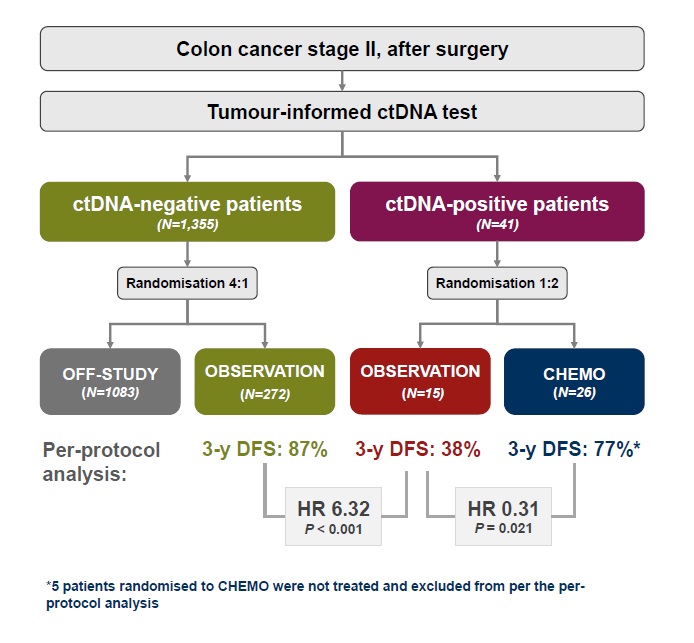
The first ctDNA-guided adjuvant therapy trial with a positive predictive result will be presented shortly. In Stage II CCR, a per protocol analysis of ctDNA-guided adjuvant approach improves disease-free survival (DFS) and time to relapse (TTR). #ASCO26
📢 #ASCO26 Concomitant publication: Chemotherapy for patients with circulating tumour DNA positive, stage II colon cancer (CIRCULATE) – an AIO / ABCSG trial
https://t.co/zW9yRwAhnD
Alongside #ASCO26, the new ESMO metastatic breast cancer guidelines have just been published in @Annals_Oncology
Congrats to all co-authors, and a special mention to @myESMO mentor @E_de_Azambuja for this well-deserved recognition! 👏🏼
@OncoAlert
Link: https://t.co/AlUMSY6iTZ
Updated Results of the POSITIVE (Pregnancy Outcome and Safety of Interrupting Therapy for Women with Endocrine Responsive Breast Cancer) Trial
https://t.co/x4vT9HZXOf
Coexistence of TP53 and KRAS mutations identifies a molecular subset of biliary tract cancer with poor overall survival after first-line immunochemotherapy - European Journal of Cancer https://t.co/5RKDhmfrKa
Early-Onset Colorectal Cancer: Understanding Risk Factors, Biology, and Management Considerations—Toward a Framework for Improving Care | JCO Oncology Practice https://t.co/vkTSc413L3 @ThejusJay@DanaFarber@JCOOP_ASCO@OncoAlert@ASCO
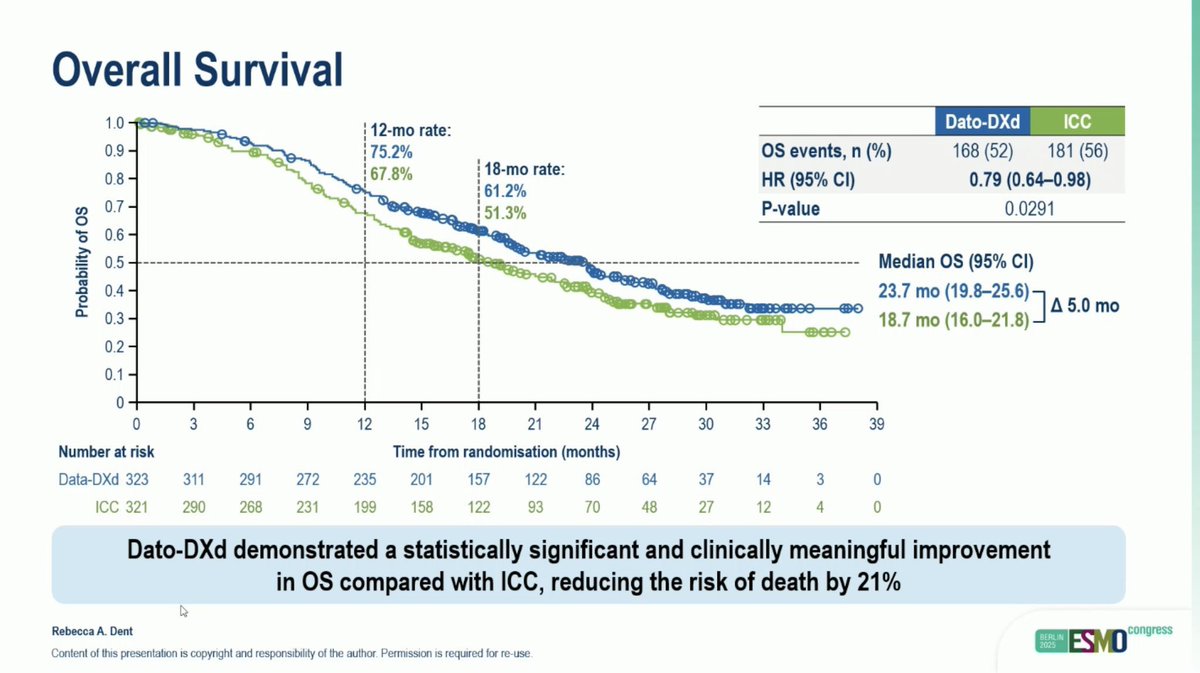
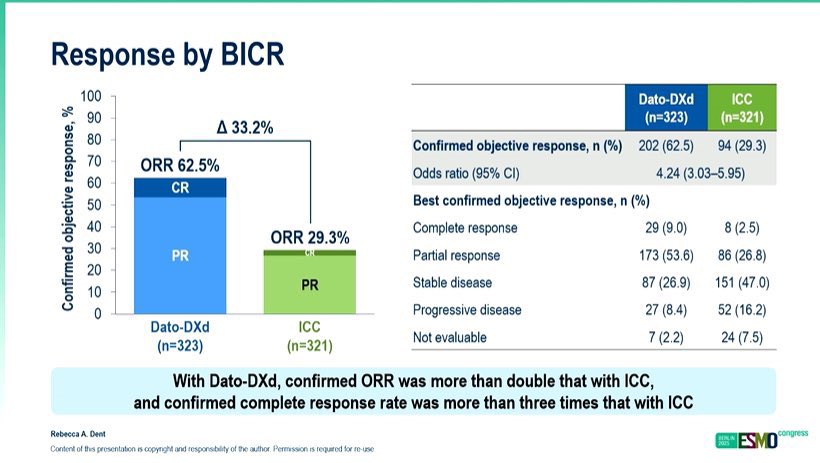
DatoDXd now @US_FDA ✅ in 1L mTNBC in PDL1 negative/IO ineligible based off TROPION-Breast02
- mPFS 10.8 vs 5.6mos (HR: 0.57)
- mOS 23.7 vs. 18.7mos (HR: 0.79)
- ORR 62.5% vs. 29.3%
- Common AEs: mucositis & occular AEs
#OncTwitter#bcsm@OncUpdates
@selva_marion@lilig182@drenriquegrande@achoHematoYOnco@MikeCusnir@VHIO@carlosbon78 Es importante que sepas que tras 3 líneas de tto la terapia que mencionas no está indicada ni en Colombia ni en el mundo. Estas bien informada en que un experimento clínico podría ser una posibilidad, puedes consultar junto a tu oncólogo los abiertos en https://t.co/CnbviOW734
@selva_marion@lilig182@drenriquegrande@achoHematoYOnco@MikeCusnir@VHIO@carlosbon78 En Colombia tienes mecanismos médico legales que protegen tus derechos para acceder a ciertos tratamientos, pero tienes que tener presente el tiempo que esto tarda y los beneficios reales que puedes esperar. Conversalo nuevamente para que puedas tomar una decisión bien informada.
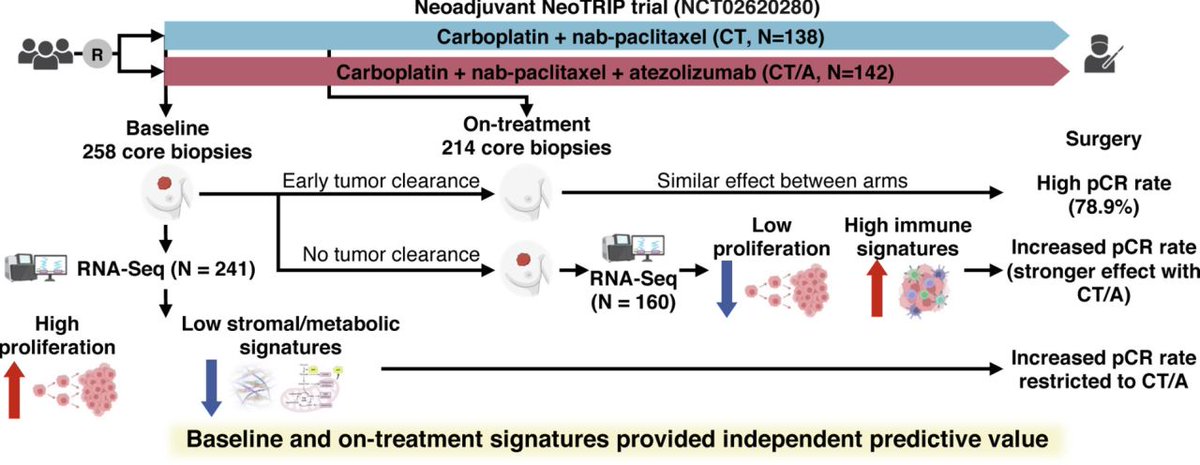
🔥 Who truly benefits from immune checkpoint inhibitors in early triple-negative breast cancer (#TNBC)?
Precision immunology is a major unmet need
✅Key finding: on-treatment complement baseline biopsies
Immunity is dynamic, not a snapshot
Link and more 👇👇👇
@Annals_Oncology
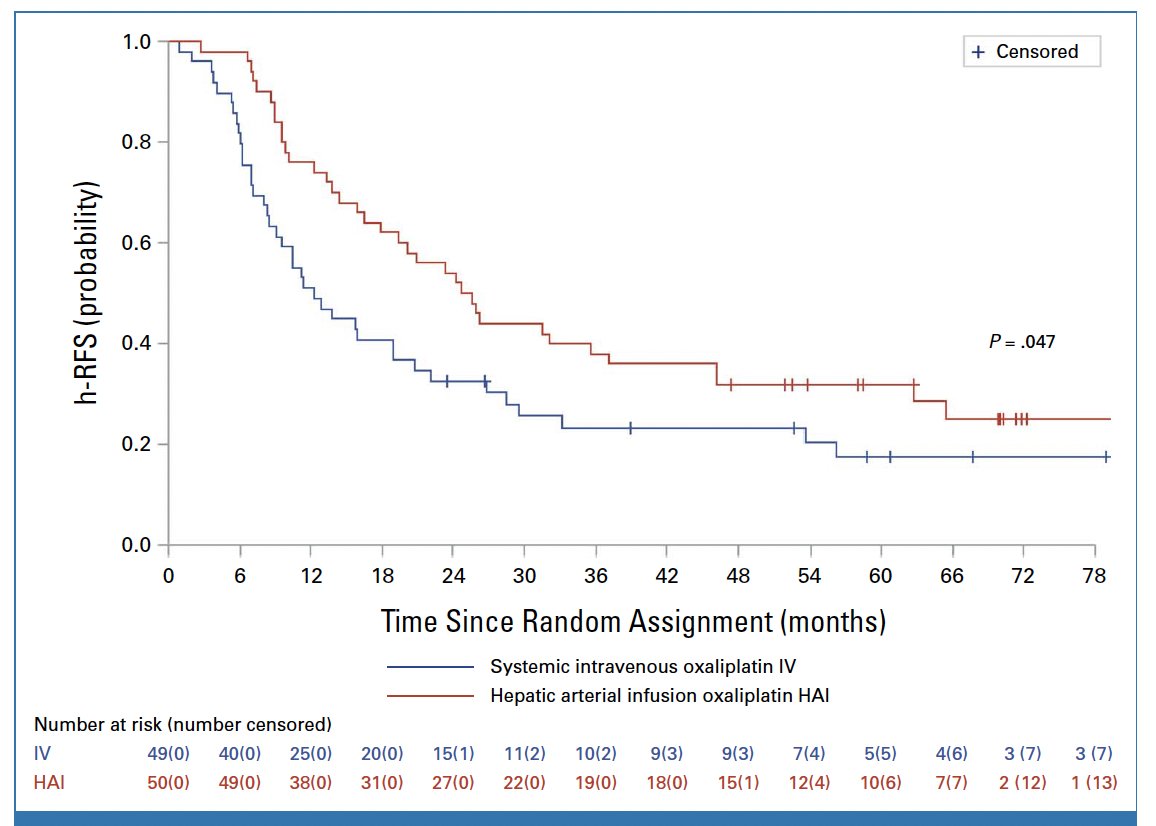
Postoperative Hepatic Arterial Infusion With Oxaliplatin After Surgery of Four or More Colorectal Liver Metastases: A Randomized Phase II Trial
@JCO_ASCO
https://t.co/6Bjd6VSHNW
👉mh-RFS 25 vs 12 mo
👉mRFS 14 vs 9 mo
👉mOS 74 vs 57 mo
🧐seems to be promising and safe approach
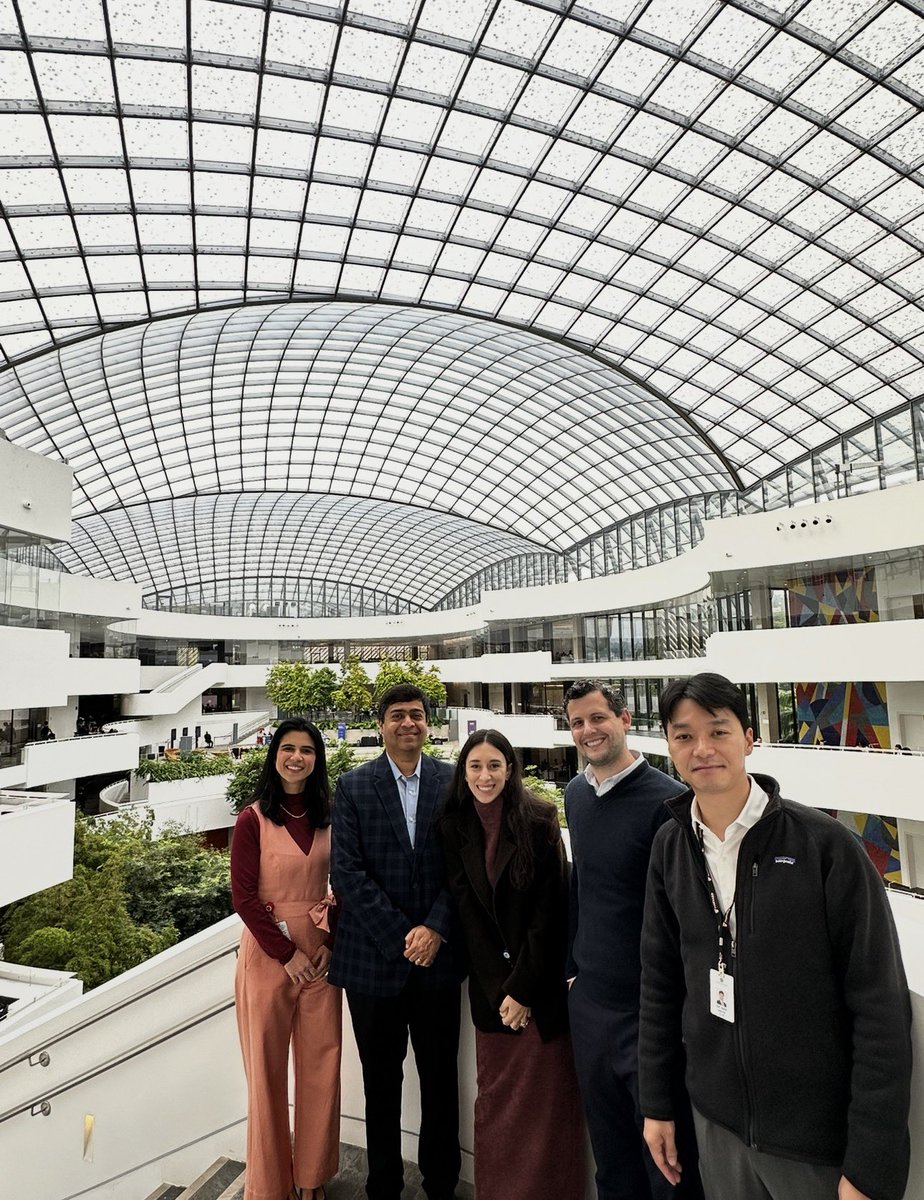
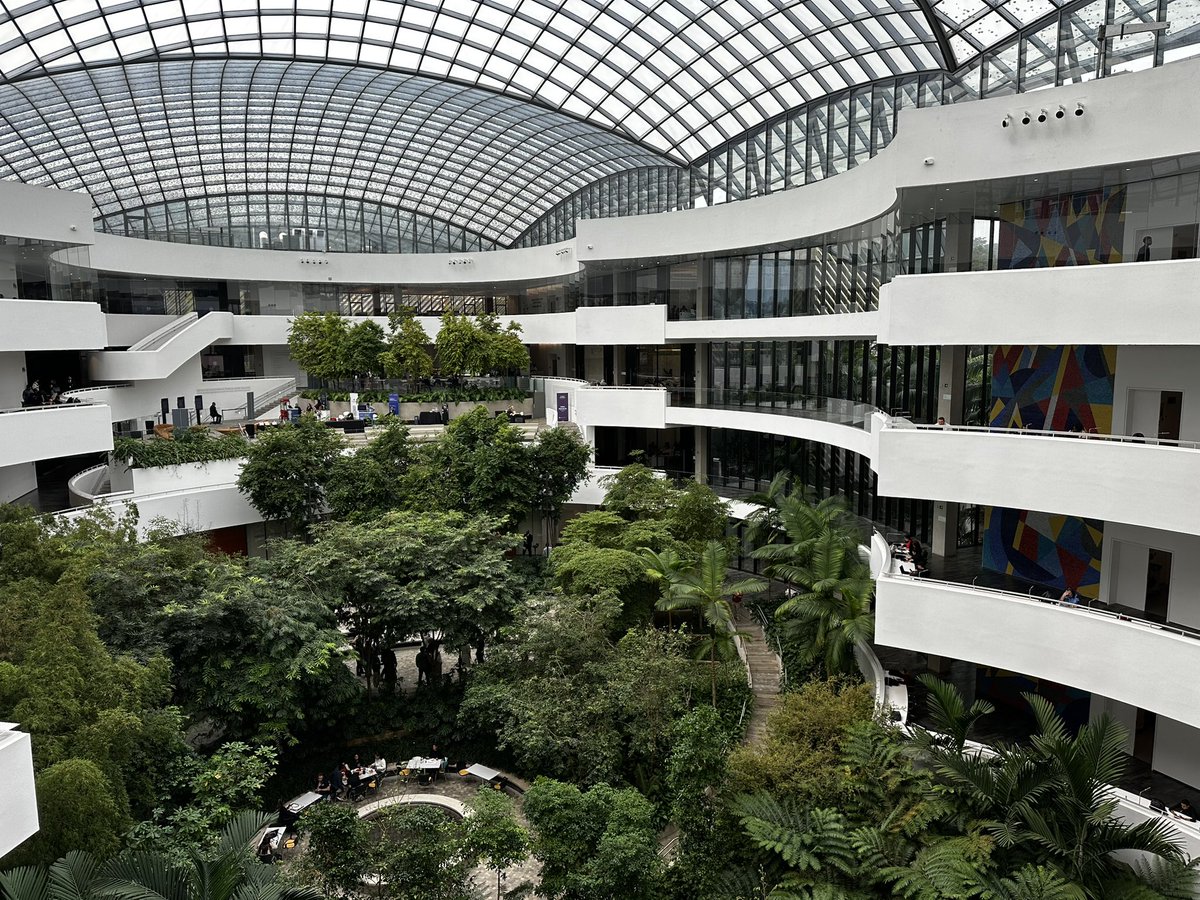
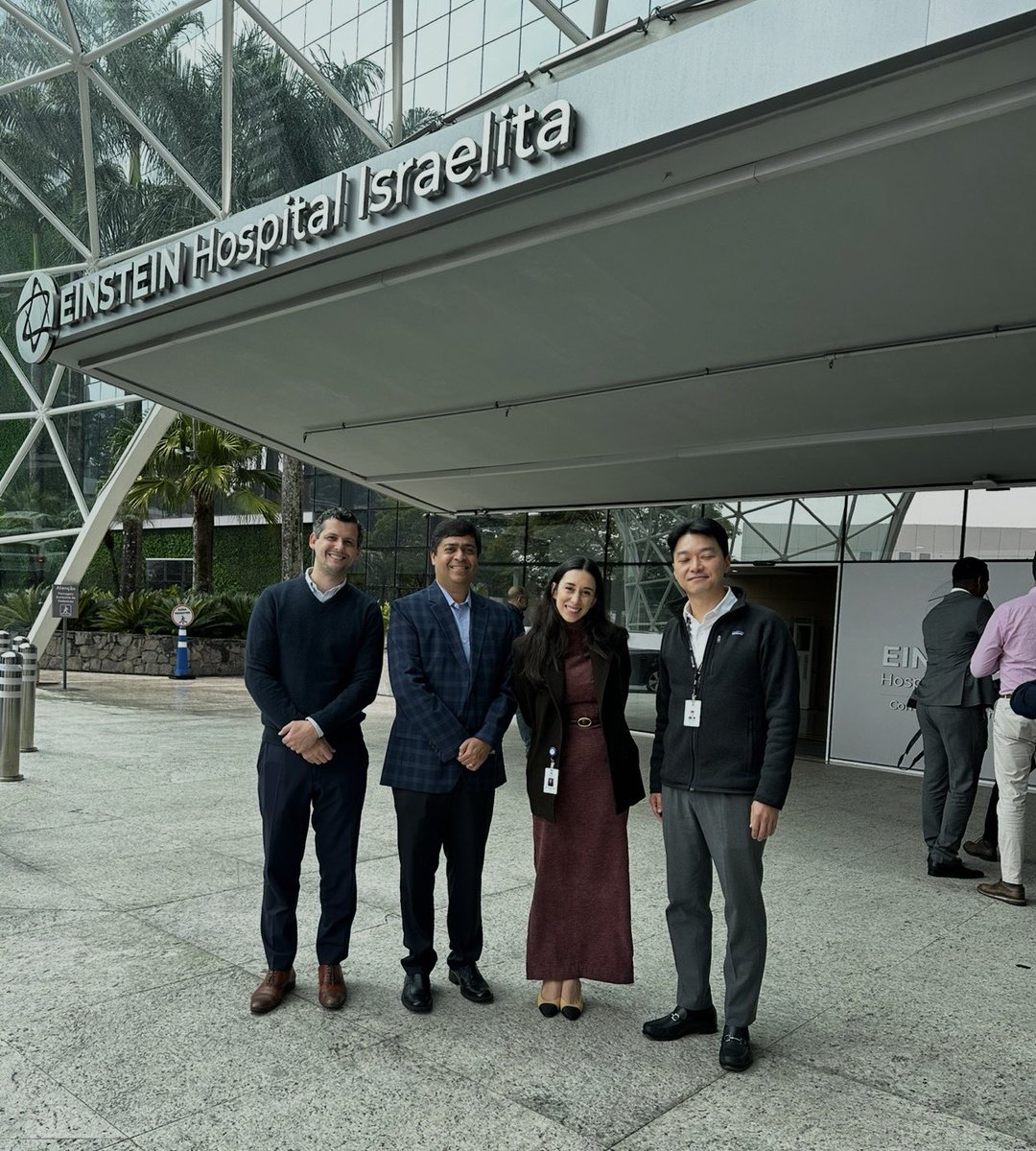
⭐️An inspiring visit to the Albert Einstein Israelita Hospital in São Paulo, Brazil. 🇧🇷 Wow! Truly one of the most remarkable campuses I’ve seen recently - an architectural masterpiece designed by the same visionary behind the Singapore airport, plus a center of excellence delivering world‑class cancer care.
⭐️Grateful to my outstanding mentee, now great friend & colleague Dr. Roberto Pestana, @PestanaRC now a leading oncologist shaping the future of sarcoma & oncology in Brazil, & to Dr. Juliana Beal @JulianaRBeal - @myESMO ETAC-S #TumorAgnostic team for the generous tour and exceptional hospitality. Your passion, expertise, + warmth made this visit amazing.
👉🏼Yes!🙌🏼 To advance precision oncology, we must think globally and act locally @OncoAlert@oncodaily@OpenMedicineHQ
#Atención en Colombia producir un kilo de carne de res emite >70kg de CO2eq. Para el mundo ese valor es de ~30. En Colombia la ganadería emite más que el sector del transporte. En esta nueva investigación de @UniJaveriana planteamos un modelo de sistemas silvopastoriles que podrían reducir la emisiones al menos un 84%:
📊 JAMA Clinical Guidelines Synopsis: #HelicobacterPylori infection is a leading cause of chronic #gastritis, #peptic#ulcers, and #gastric#cancer.
The American College of Gastroenterology guideline for adults in North America recommends bismuth quadruple therapy for 14 days as first-line treatment in treatment-naive patients, due to superior eradication rates compared with proton pump inhibitor (PPI) triple therapy.
https://t.co/qaAazlwrfS