Truly honored that @NatureAging featured our work (and art) on its cover! PDF here: https://t.co/AHR1woNJCO
Thanks #TinaRosado and @gross62053 for the artwork. More about the paper here: https://t.co/GgYb5XUSSp
Which existing drugs could slow aging?
Our new @NatureAging paper finds that the #hallmarksofaging form distinct network modules, allowing us to identify drugs that can potentially slow specific aging hallmarks.
PDF at https://t.co/AHR1woNJCO
Great collaboration with Xindi Wang, @complexgates, @magnusresch. This work shows that an artist’s “co-exhibition gender”—the gender bias of the institutions that show them—predicts auction access more strongly than the artist’s own gender. @BarabasiLab
What does gender inequality in art institutions really looks like from the perspective of big data? In a new @NatureComms paper, we mapped exhibitions and auctions for 65,768 artists across 20,389 institutions,
PDF at https://t.co/AHR1woNJCO
The consequences reach the market. Men artists account for 82% of auction records and a much larger share of sales. In our model, an artist’s co-exhibition gender is more strongly associated with auction access than the artist’s gender itself.
Want the key takeaways from our recent Nature Aging paper on drug repurposing for longevity? Here’s a more digestible version:
https://t.co/E9ADVqT8DD
If you get inspired, PDF here: https://t.co/AHR1woNJCO
Which existing drugs could slow aging?
Our new @NatureAging paper finds that the #hallmarksofaging form distinct network modules, allowing us to identify drugs that can potentially slow specific aging hallmarks.
PDF at https://t.co/AHR1woNJCO
Honored to receive the Euler Award, the @netscisociety's highest recognition.
It was particularly meaningful to receive at the 20th anniversary meeting of the @netscisociety surrounded by the students, postdocs, collaborators who made this possible.
Let us continue the journey!
Open Postdoc Positions in Network Materials and Physical Networks (and perhaps Network Medicine and Science of Science). See https://t.co/vCahNzjgvg to learn more about the Lab’s profile.
Contact me if interested, or apply here: https://t.co/1zSRqdVzuJ
P: Puklus #NetSci2026
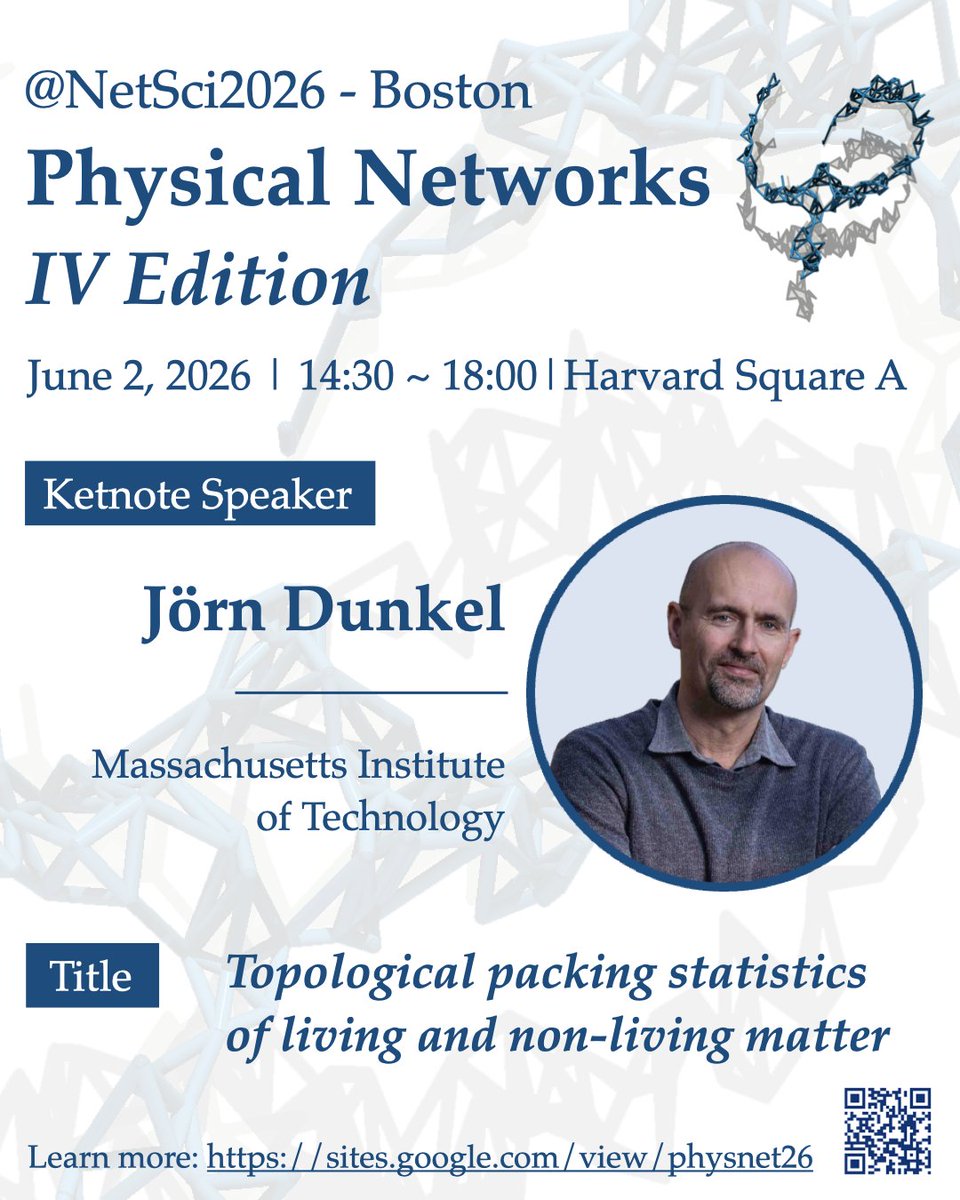
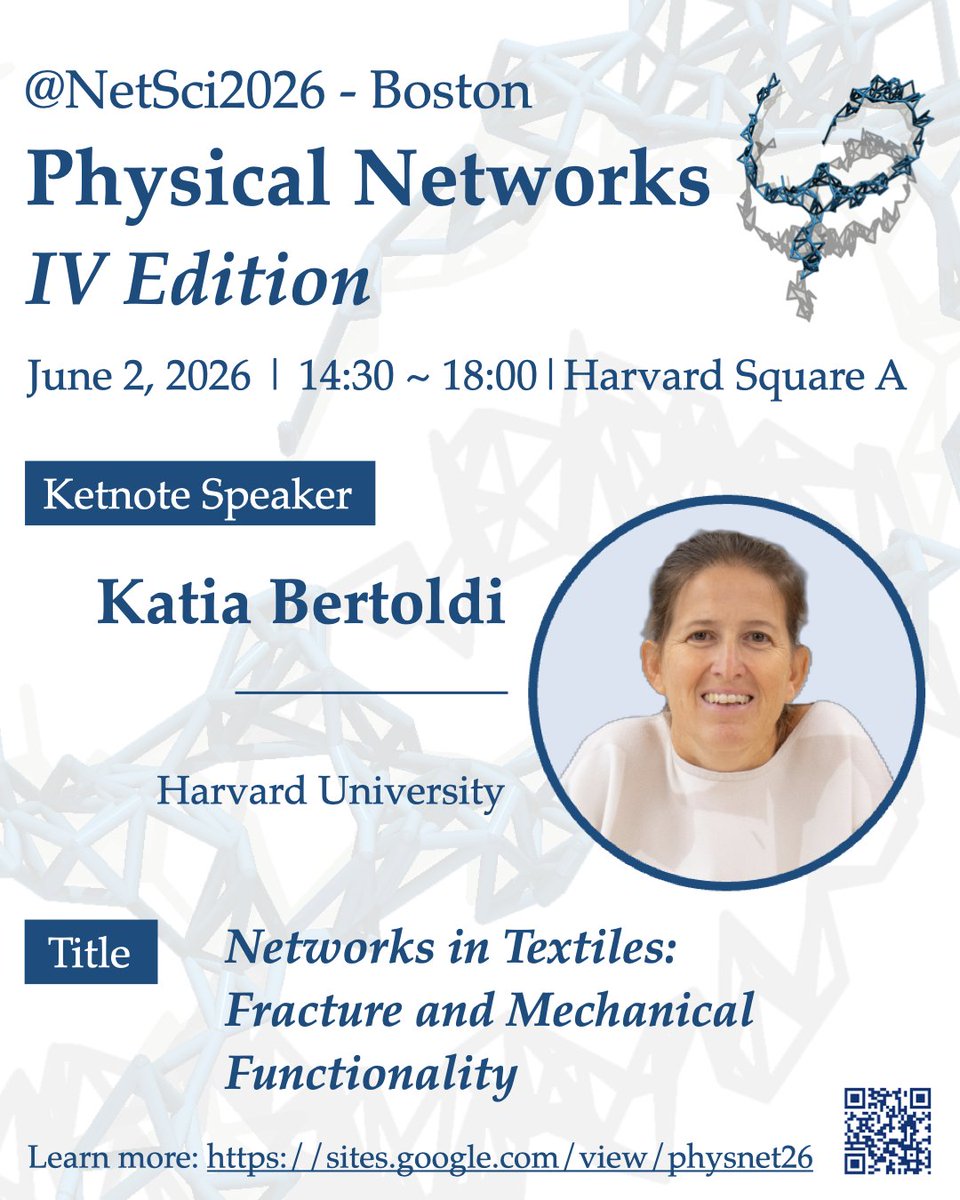
Physical Networks IV takes place next Tuesday at @NetSciConf in Boston.
Join us for keynotes by Mason A. Porter, Jörn Dunkel, and Katia Bertoldi, plus invited and contributed talks on physical networks.
June 2 | 14:30-18:00 | Harvard Square A
https://t.co/Vq77h78EZR
We introduce a new model, m-EPR: exploration + preferential return, augmented by global popularity. It recovers the scaling laws of meta-mobility. Hence human movement is shaped less by space than by the dynamics of collective attention.
Does teleportation erase the laws of human mobility? In our new paper with @kishore__vasan & @MartonKarsai, we follow 163,770 Decentraland users and their NFT trajectories. The answer: virtual worlds carry the fingerprints of human mobility.
PDF here: https://t.co/AHR1woNJCO
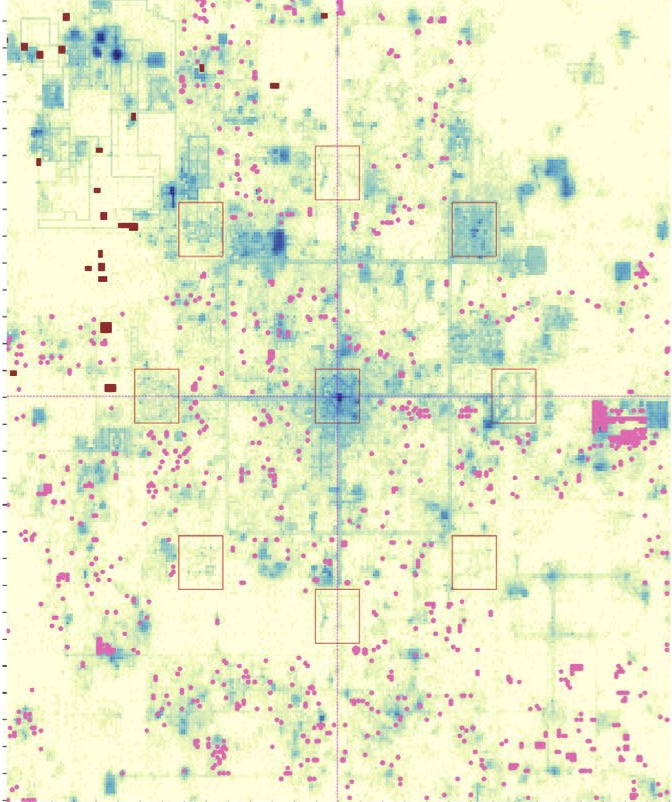
Attention is highly concentrated. The top 1% of Decentraland lands attracted 94% of visitors; top NFT contracts captured 77% of Ethereum and 96% of Polygon users. Yet land prices did not follow visitation—a sharp departure from cities in the physical world.
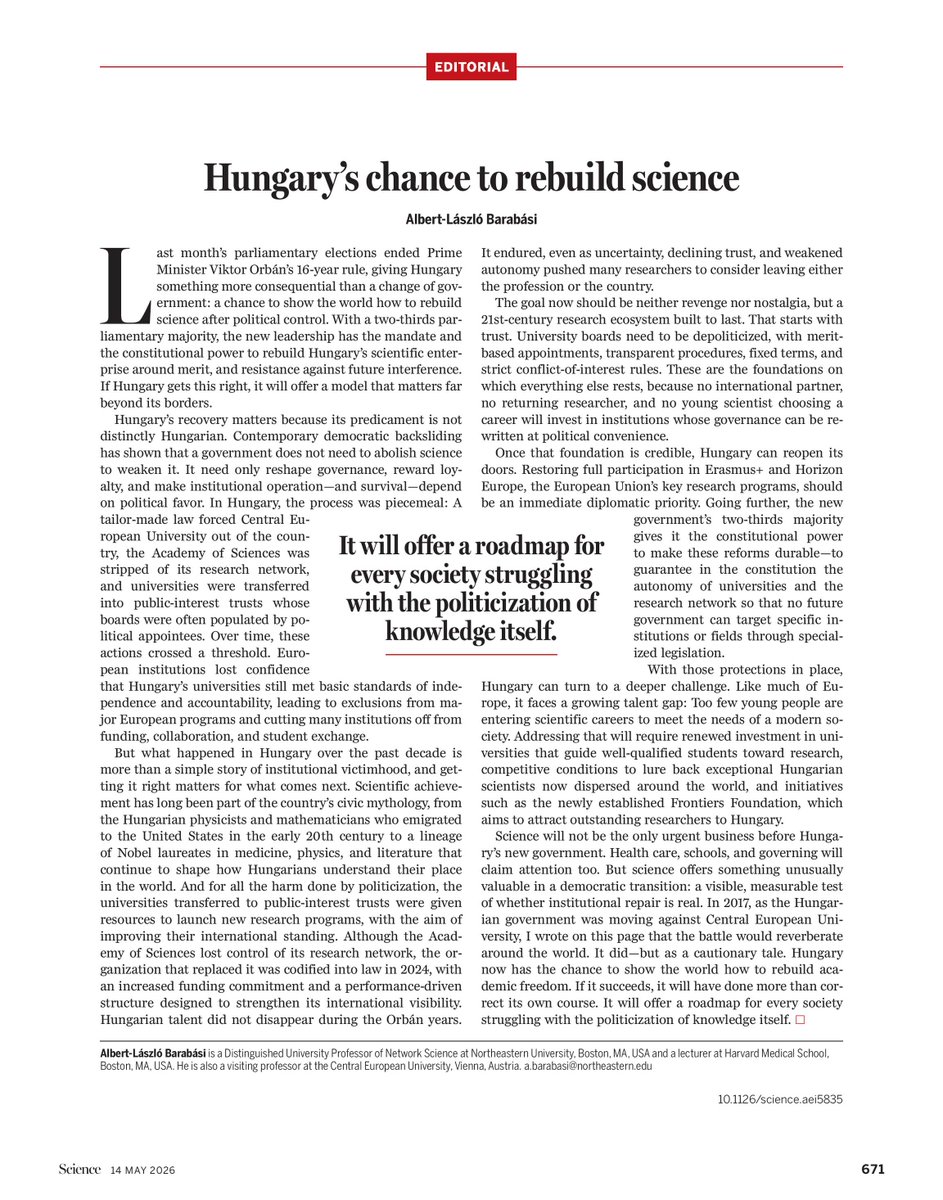
Hungary’s chance to rebuild science: my editorial in Science is out today.
https://t.co/w8c6Eh7aKZ
Its message is simple: “If Hungary gets this right, it will offer a model that matters far beyond its borders.”
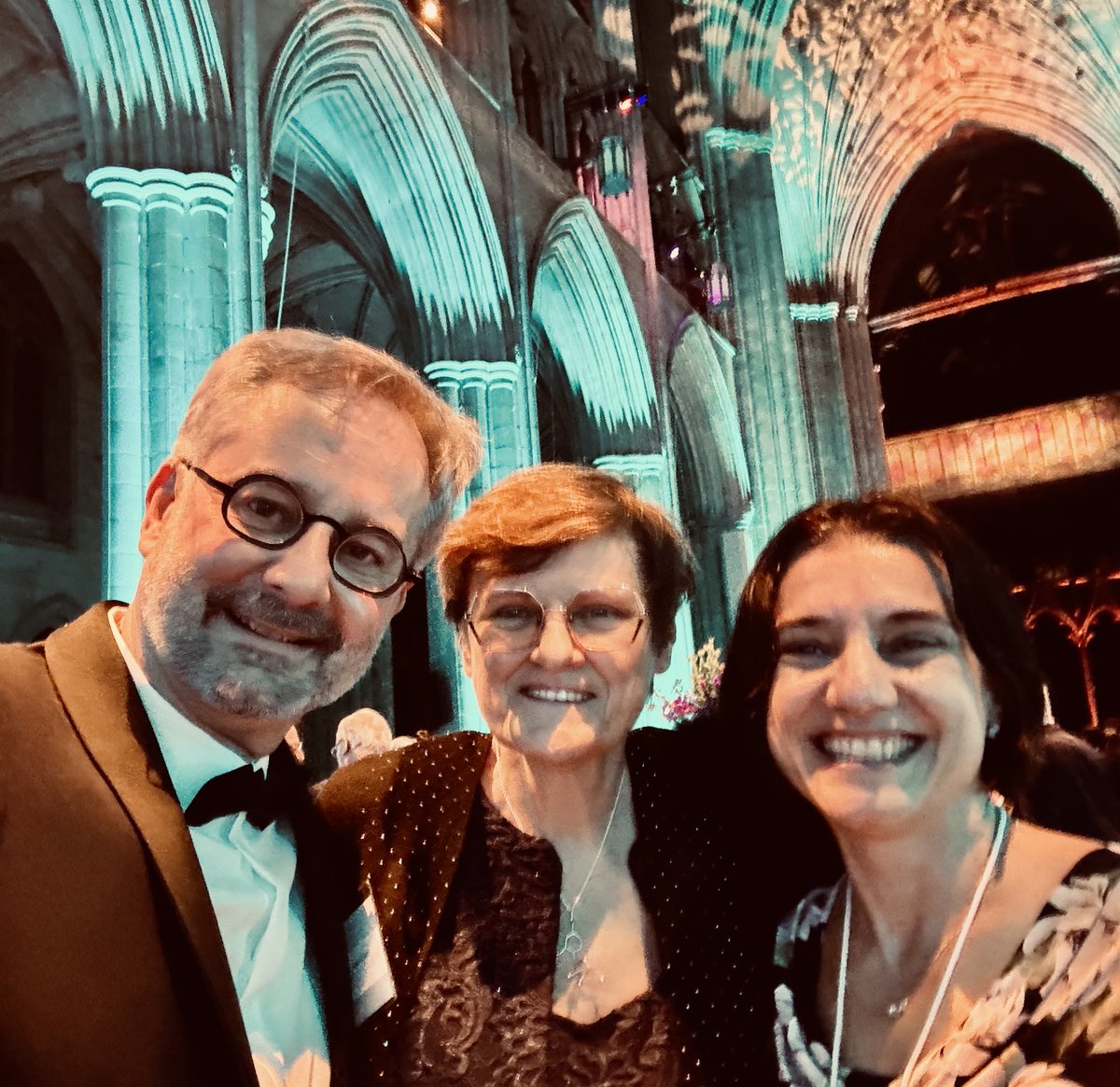
A special week: I had the privilege of seeing two outstanding Hungarian scientists I deeply admire—Katalin Karikó @kkariko and Réka Albert—inducted into the U.S. National Academy of Sciences in Washington DC.
Join me in congratulating them both!
@theNASciences
🚨One week remaining🚨
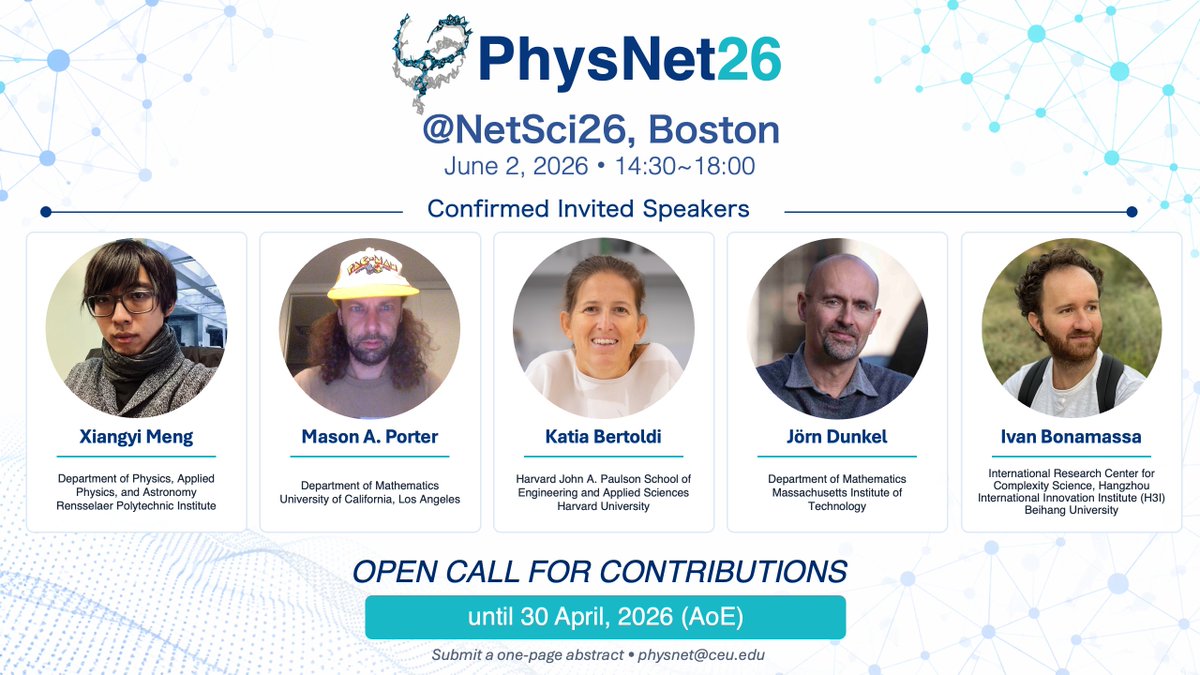
Call for contributions to Physical Networks, IV Edition @NetSciConf , Boston is still open.
🗓️ June 2, 2026, 14:30~
Confirmed speakers:
@masonporter , Jörn Dunkel, Katia Bertoldi, Xiangyi Meng, @ivanbonamassa
Submit by 30 April 2026: [email protected]
Speaking at NYU this Thursday, Feb 6, at 4:45, join me if interested in 'Network Science as a Falsifiable Discipline: From Graphs to Testable Laws'
https://t.co/WCE413sE1a