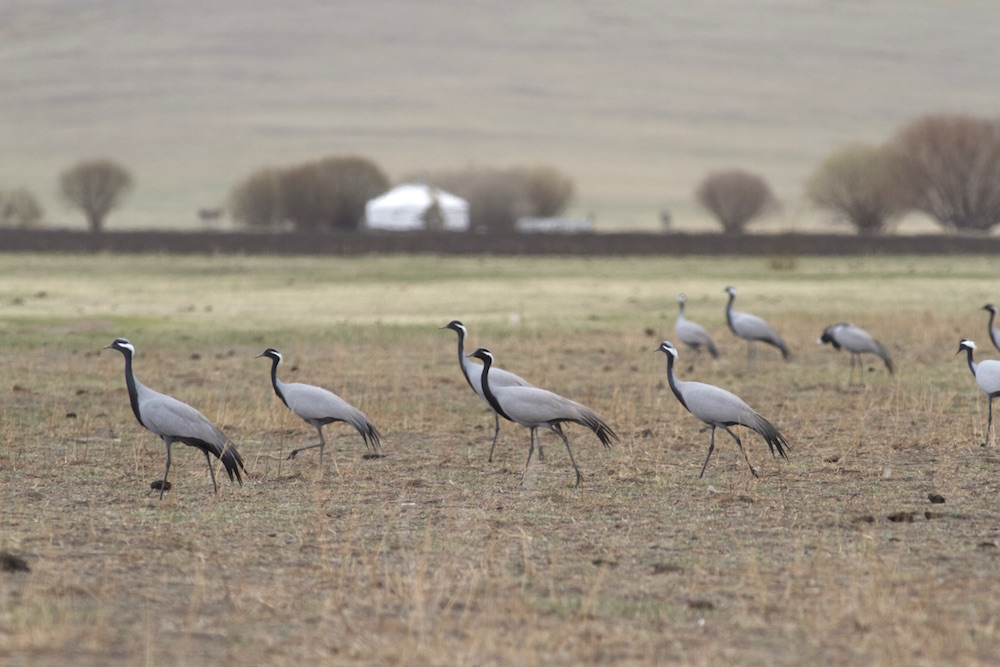
New publication alert!!!
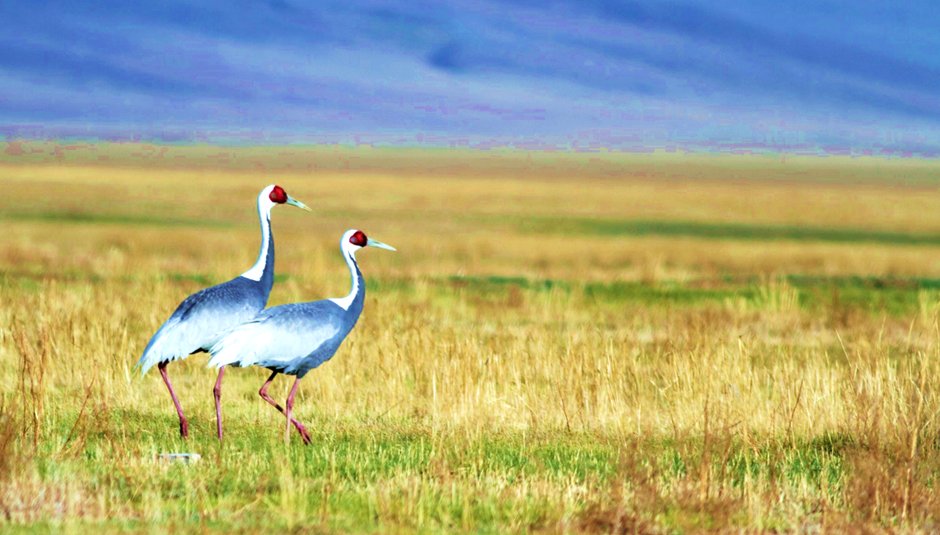
What determines the decline of White-naped cranes?
Please, find it out from our new paper published on Scientific Reports. https://t.co/5DCNrmKhyp
@bnyamba@WSCCMongolia @MarsKlaassen
Less than 20 years ago, the world was headed for a >4C warmer world by 2100. The amount of change that would occur under that much warming, that fast, was almost unimaginable and certainly unsurvivable for human civilization + a large percentage of the world's species. (thread)
This is one of the wind-avoidance instances. Watch this Atlantic yellow-nosed albatross (red dot) avoid strong winds by flying into the eye of the storm! This could be a common strategy to avoid unfavorable winds. 3/4
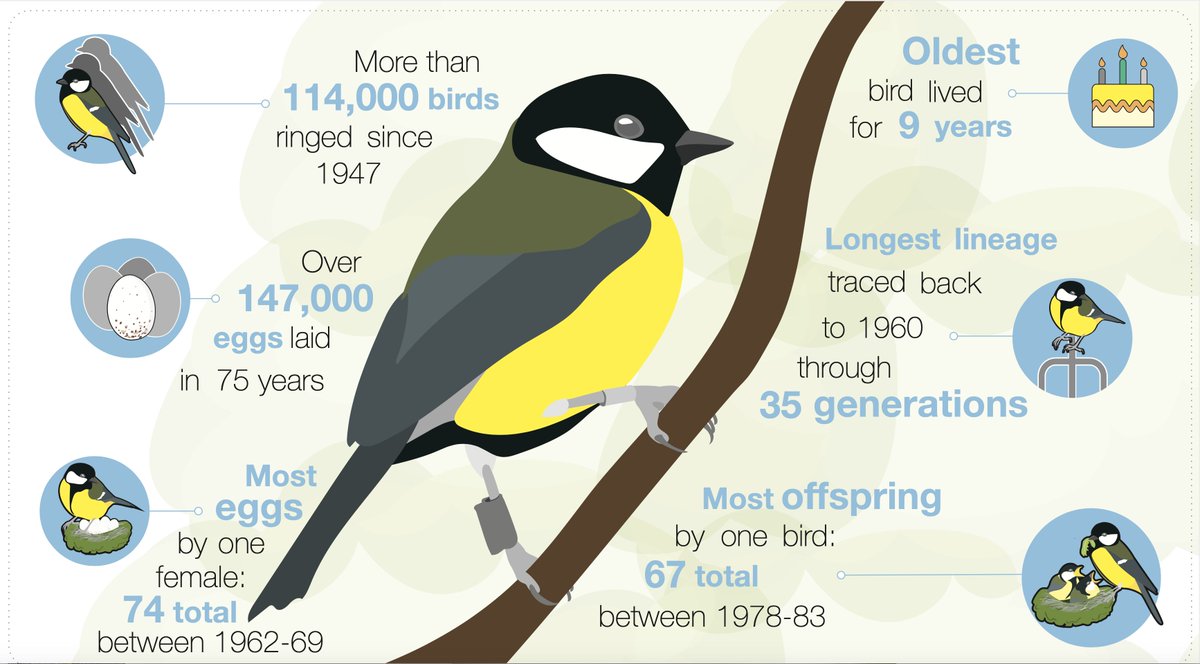
Over 75 years we've learnt a lot about the biology of the Great Tit! Here are some summary facts and figures and some of our record-breakers. This lovely infographic was prepared by @_AnettKiss_#WythamTits75
Groundwater is invisible, but its impact is visible everywhere. Our drinking water and sanitation, our food supply and natural environment – all these rely on groundwater.#WorldWaterDay https://t.co/uWXiXCMe1b https://t.co/XQiAProKXJ
.@jennylinscott wading through literature:
Flying high or flying low? How wind shapes flight altitude for migratory waders
https://t.co/4fLDjn50Q0
#waders#shorebirds#ornithology#openaccess@TMondain @TomasGretar
@geminiumer@IBIS_journal@geminiumer thanks for pointing out this critical threats that Demoiselle crane are facing during the migration along those countries! We should definety address this problem and come up with appropriate solution. We are more than happy to work with anyone in any way.
1/4
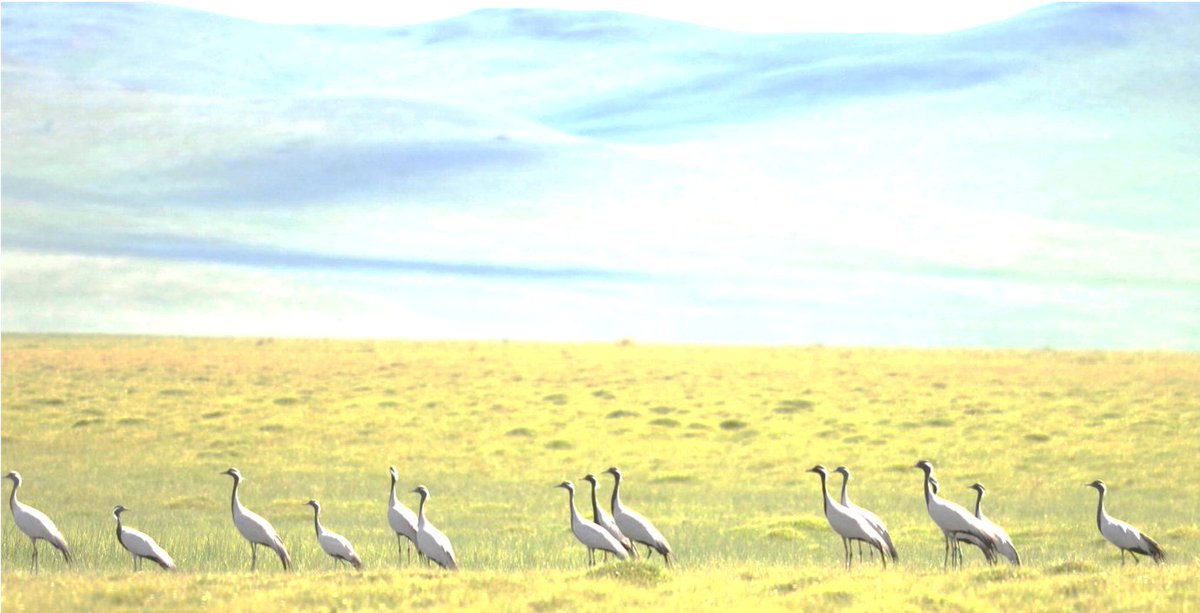
New publication alert!!!
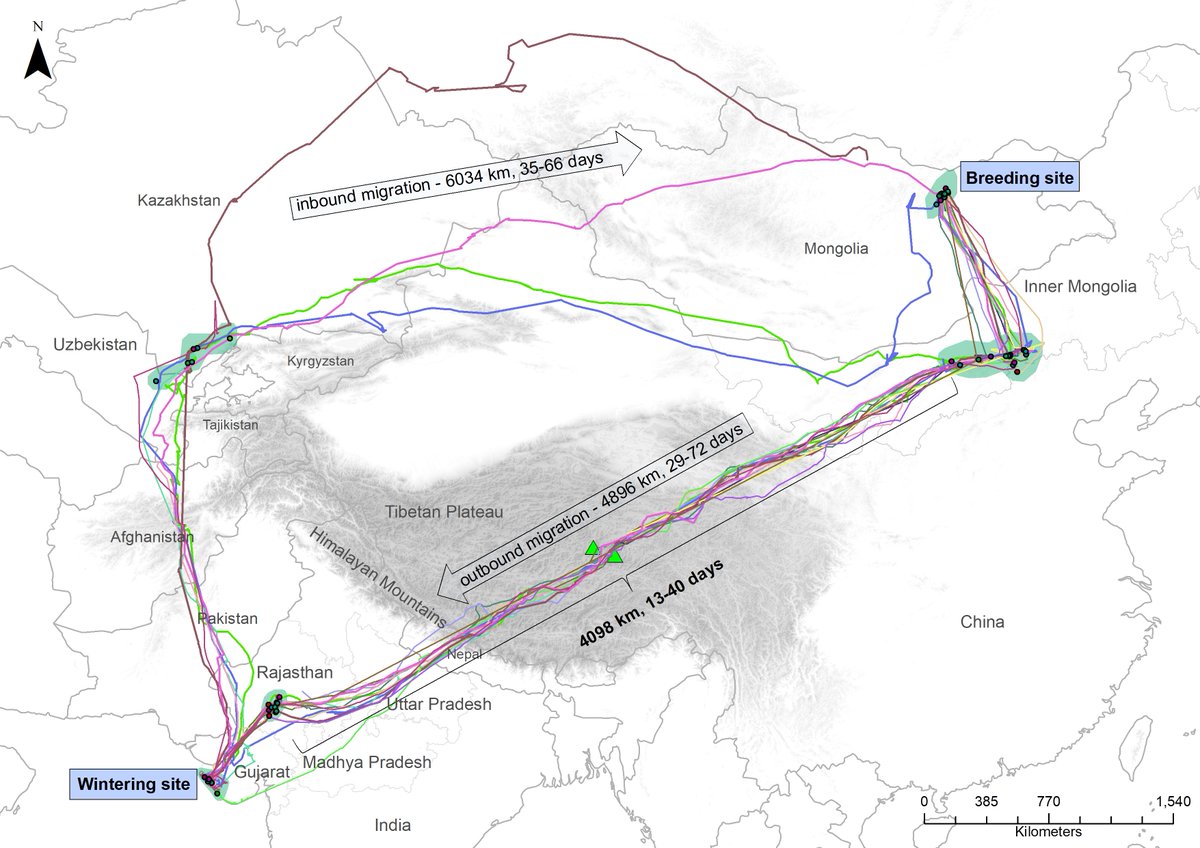
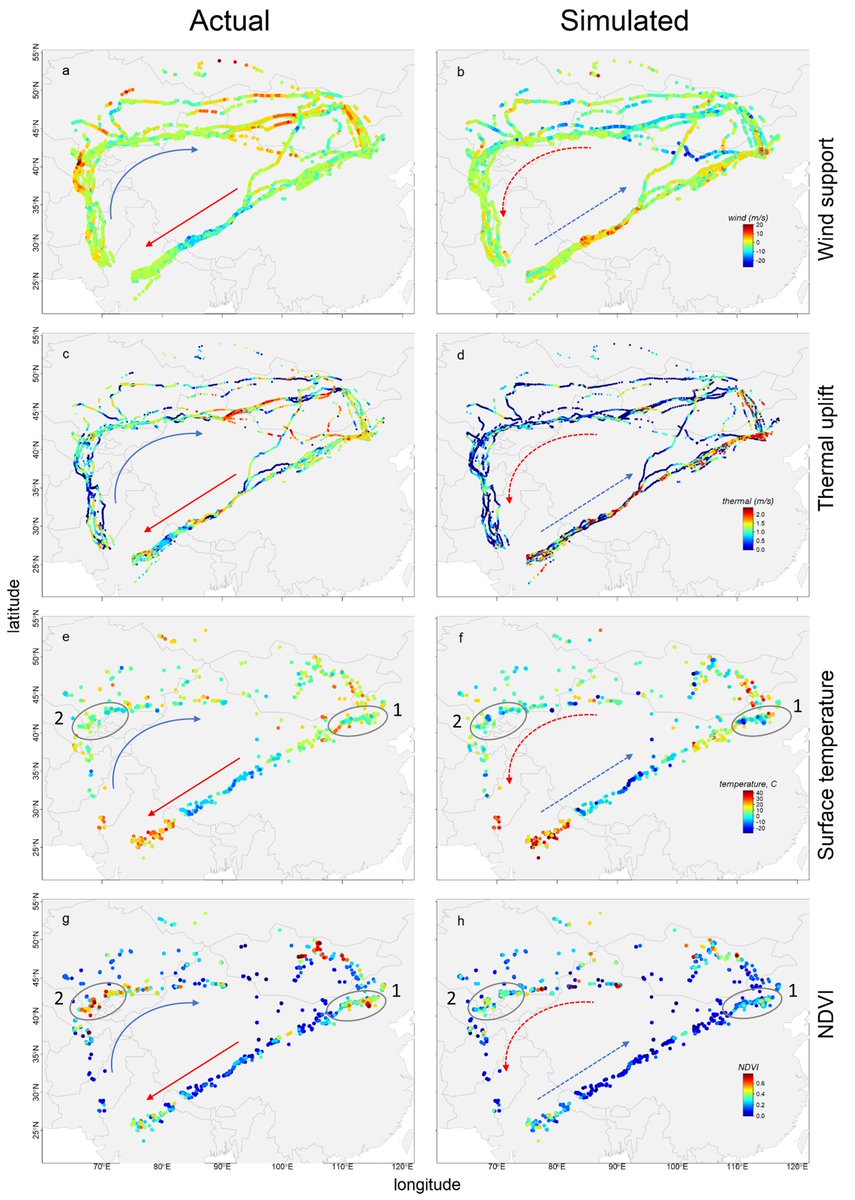
Why do Demoiselle crane from Mongolia undertake loop migration?
Full paper: https://t.co/rMibRLmSEZ
#ornithology#MovementEcology
4/4
Our analyses suggest that both on-ground and aloft conditions play a key role in explaining Demoiselle cranes’ loop migration, during the periods that they chose to use these alternative routes.
3/4
Cranes would have encountered poorer aloft (wind support and thermal uplift) and on-ground conditions (temperature) if they had migrated in a reverse outbound migration and poorer on-ground conditions (NDVI) if they had migrated in a reverse inbound direction.
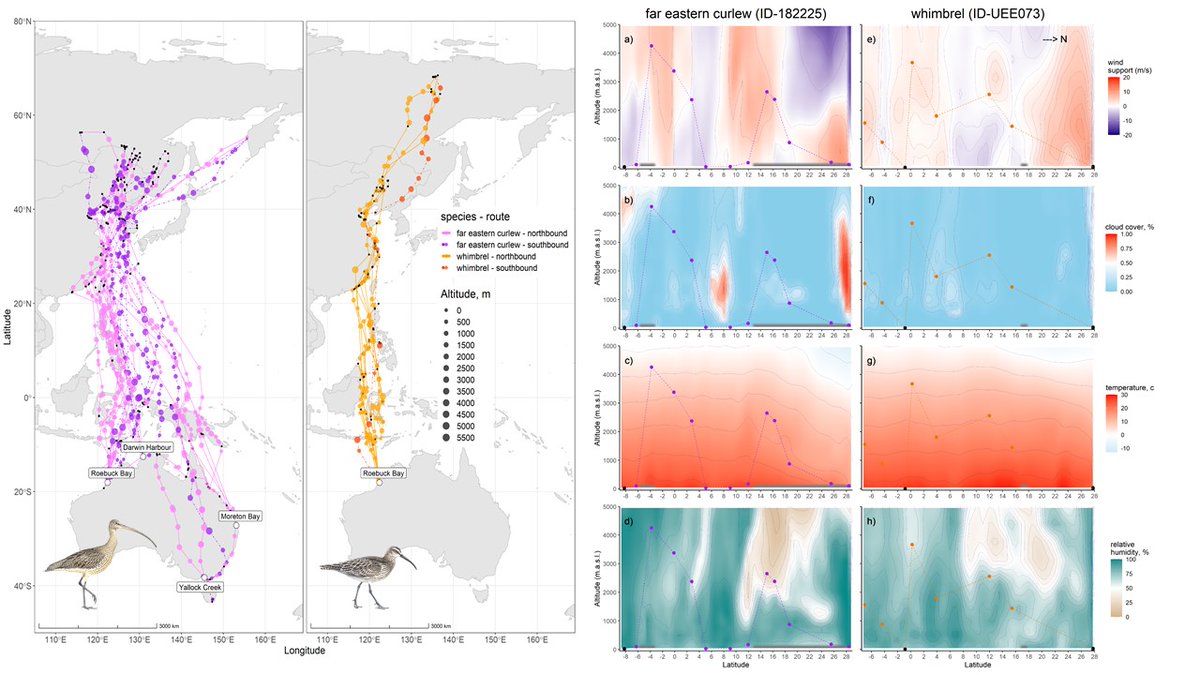
Does flight altitude matter for migratory #shorebirds?
Check out our paper published on #MovementEcology, looking at flight altitude selection of far eastern curlew and #whimbrel in relation to atmospheric condition.
👇
https://t.co/jlITDmMrYb
#ornithology#biologging
1/6 #ISTC20#Sesh8
Knowing where (how high) birds fly in the air is important in this changing world. Because we have windfarms, airplanes, and tall buildings, all of which have the potential to impact the flight altitude of avian migrants. #ornithology#ClimateChange
5/6 #ISTC20#Sesh8
As these migrants mainly fly at low altitudes, a proper evaluation is needed for future development plans (i.e. wind farms) with respect to avian migration.