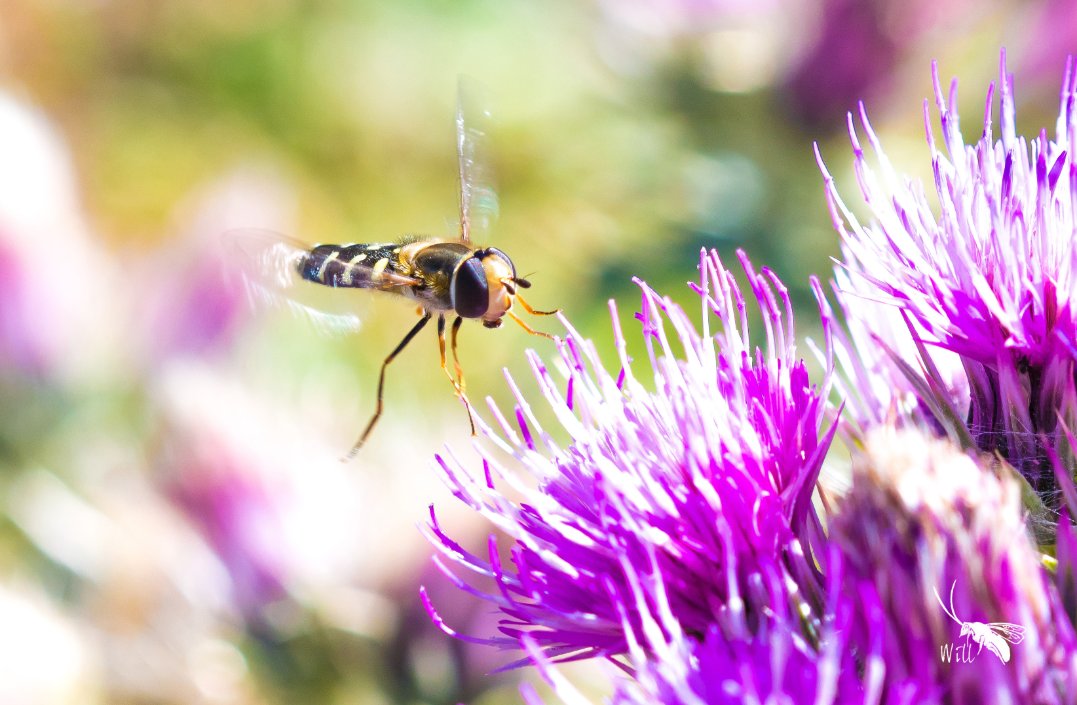
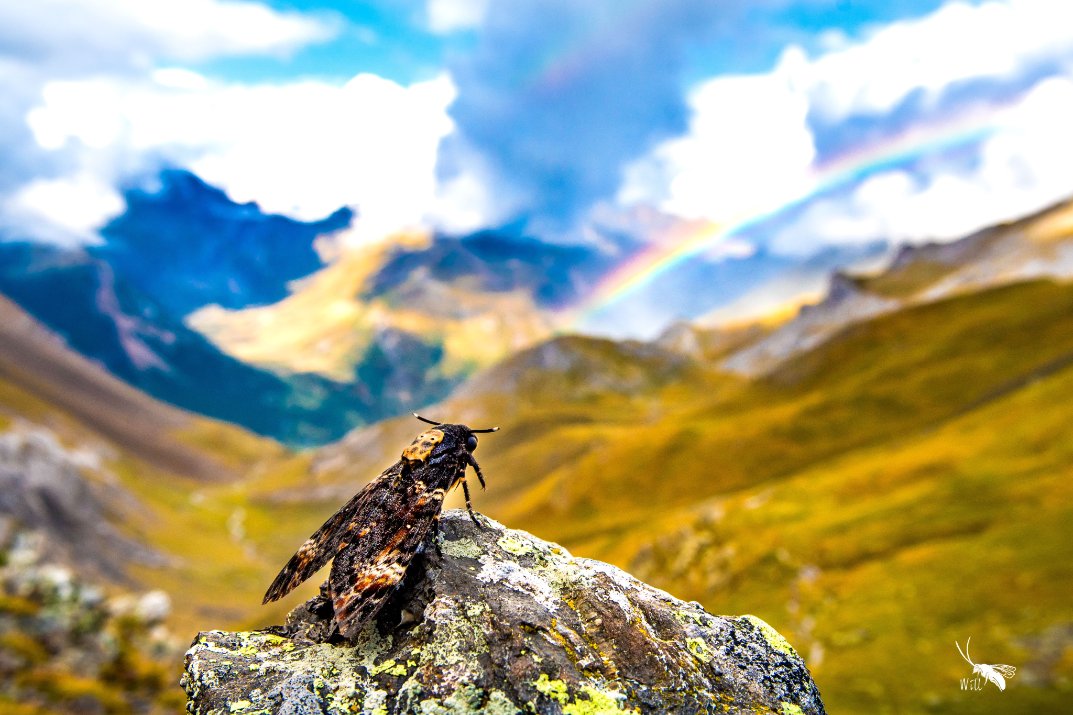
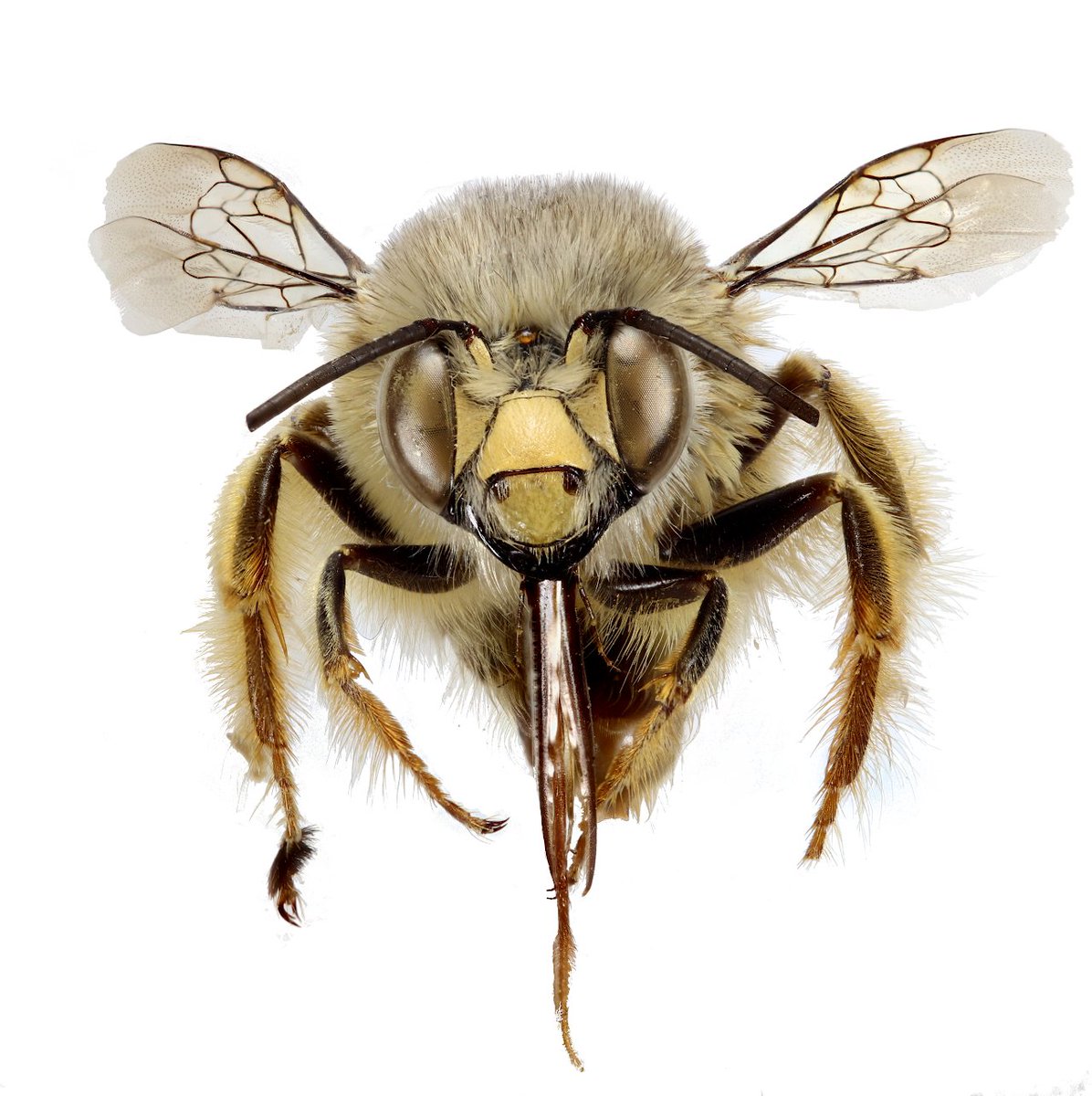
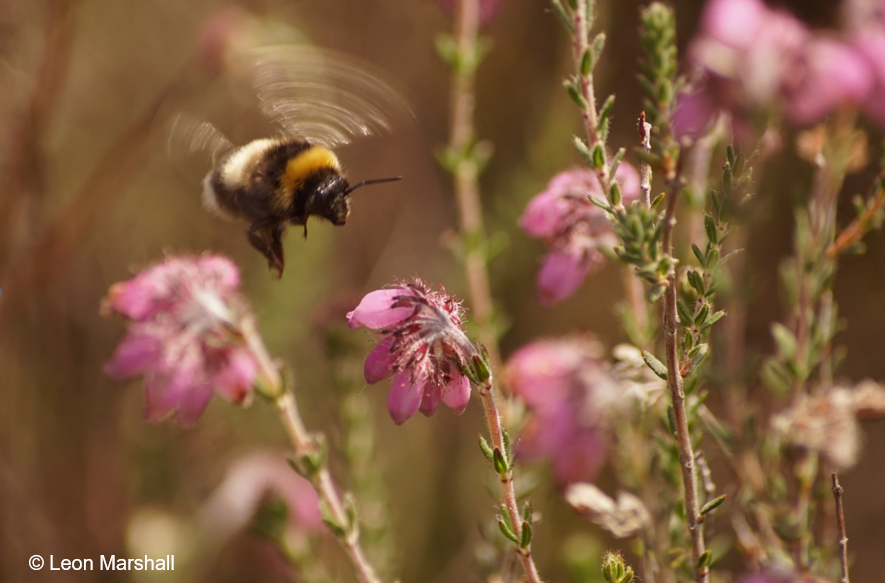
Here is a short video clip from my new 9 min nature film "Pollination by wild #bees". The film highlights buzz pollination; grooming; nest searching and MATING by wild #bumblebees. #SCAPE2024
link to 9 min video: https://t.co/mI8CO4aztj
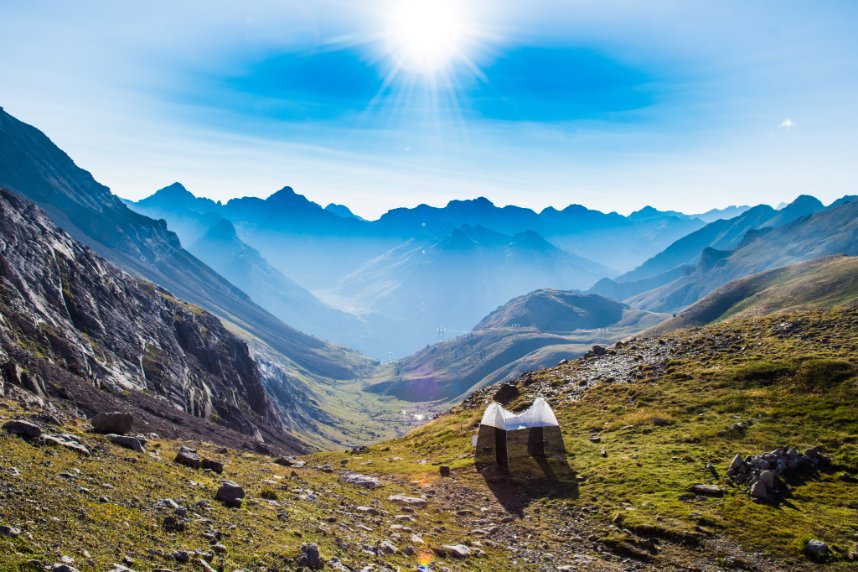
On this day, 74 years ago, Elizabeth and David Lack walked up to the Puerto de Bujaruelo mountain pass above Gavarnie on the border of France and Spain in the Pyrenees.
They sat with their backs against a boulder and watched the migration. They saw hundreds of birds, thousands of butterflies, tens of thousands of dragonflies.
But it was only after they had been there for an hour that they realised there was another migrant.
One much smaller than the others but outnumbered them all hugely.
These migrants were the hoverflies. And in their paper (first photo), published exactly 73 years ago, they described them as the most remarkable migrants of all.
Standing on the shoulders of these giants, the team from the @UniExeCornwall (@KoralWotton, Toby Doyle, Richard Massy, @BugsWithBarnes, @OliverPoole_, @KdaviesEnto, @_ScarlettWeston and I) have been heading to the same mountain pass every year since 2018 to continue what the Lacks' started all those years ago.
Earlier this year we published our findings in a @RSocPublishing paper:
https://t.co/kumHmgu8ml
We found that every year 17 million insects migrate southwards through the pass. We recorded five different Orders of migrants, and nearly the 90% of them were the flies!
The flies were the most remarkable migrants of all.
New research on the Global Impacts of Bird Extinctions 🌍🦜🦤
"The global loss of avian functional and phylogenetic diversity from anthropogenic extinctions" led by Tom Mathews and published in @ScienceMagazine.
https://t.co/iPZms4JbvH
A summary of our findings below 🧵(1/9)
Hace una semanita nos publicaron en la revista Biodiversity and Conservation nuestro trabajo sobre los pisos de vegetación de Tenerife, desde una perspectiva basada en la bioclimatología y la fitosociología. Y cómo la cosa ha variado desde todo lo anterior
https://t.co/7ebZKTebNR
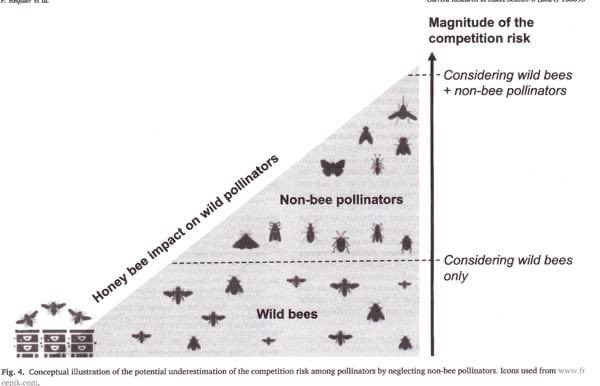
It’s not just wild bees that managed honey bees compete with. New study indicates we need to pay more attention to the effects on non bee pollinators. https://t.co/W3adigwpSO
Last week, our PhD student @DlugoperBio attended the 10th Apidology Congress in Tallinn 🐝🌍 to present research on how pathogen spillover and grazing affect island wild bees. 🧬✨ #EurBee10#WildBees#BeeResearch
A disproportionately large number of the world's languages are endemic to islands, but other aspects of language diversity don't conform to predictions of island biogeography theory, finds a @NatureEcoEvo paper from Bromham et al
https://t.co/mwAboVTLGY
https://t.co/nYHuASBLBA
🐝 Ayer, 20 de mayo, se conmemoró el Día Mundial de las Abejas, en honor a Anton Janša, pionero de la apicultura moderna.
🌼 ¿Sabías que sin abejas muchos cultivos desaparecerían? Conoce más sobre su importancia y las medidas para protegerlas.
Reportaje 📲 https://t.co/i97uSTiPMv
Desde #AbejasDeCanarias queremos celebrar el #DíaDeLasAbejas#WorldBeeDay poniendo a disposición de todos diversos recursos y actividades para seguir conociendo a estos fascinantes seres
https://t.co/CreETN1GGy
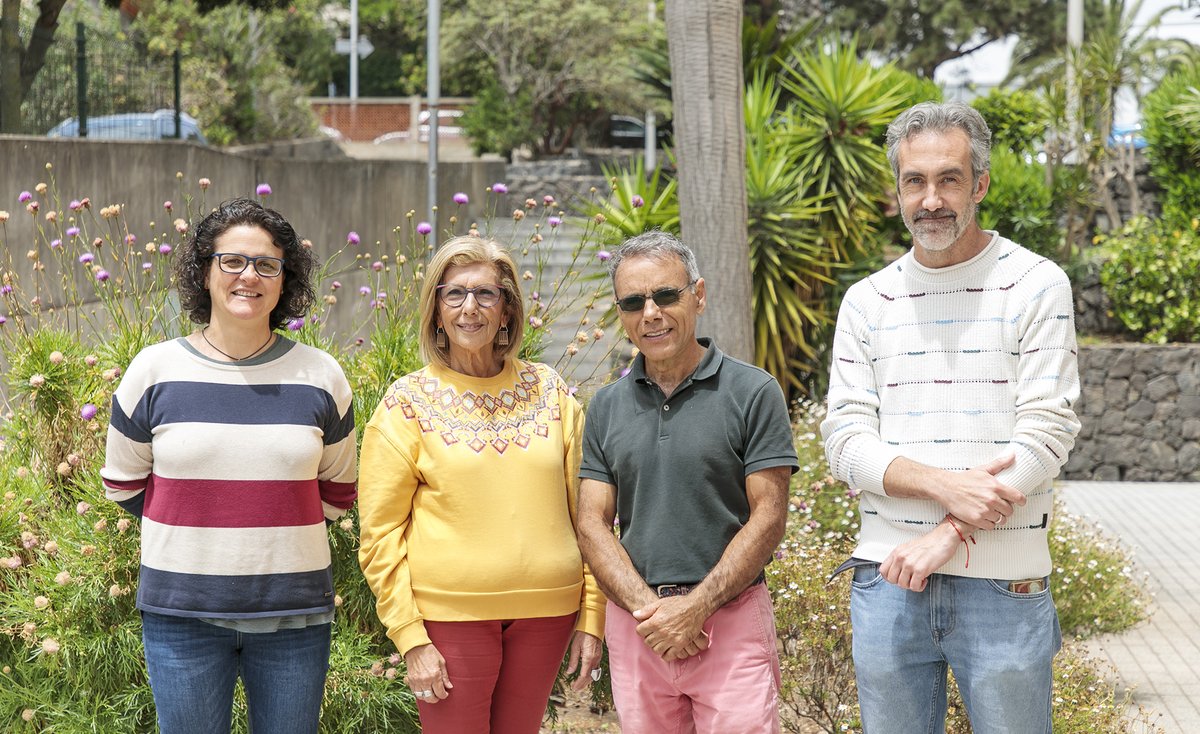
Mañana hablaremos con Carlos Ruiz del área de Zoología @ULL sobre la importancia de las abejas 🐝 y otros polinizadores en la naturaleza 🌻 @CienciaULL@abejascanarias
🗓️4 de mayo
⏰12:30 h
📻Radio5⃣ @RTVECanarias
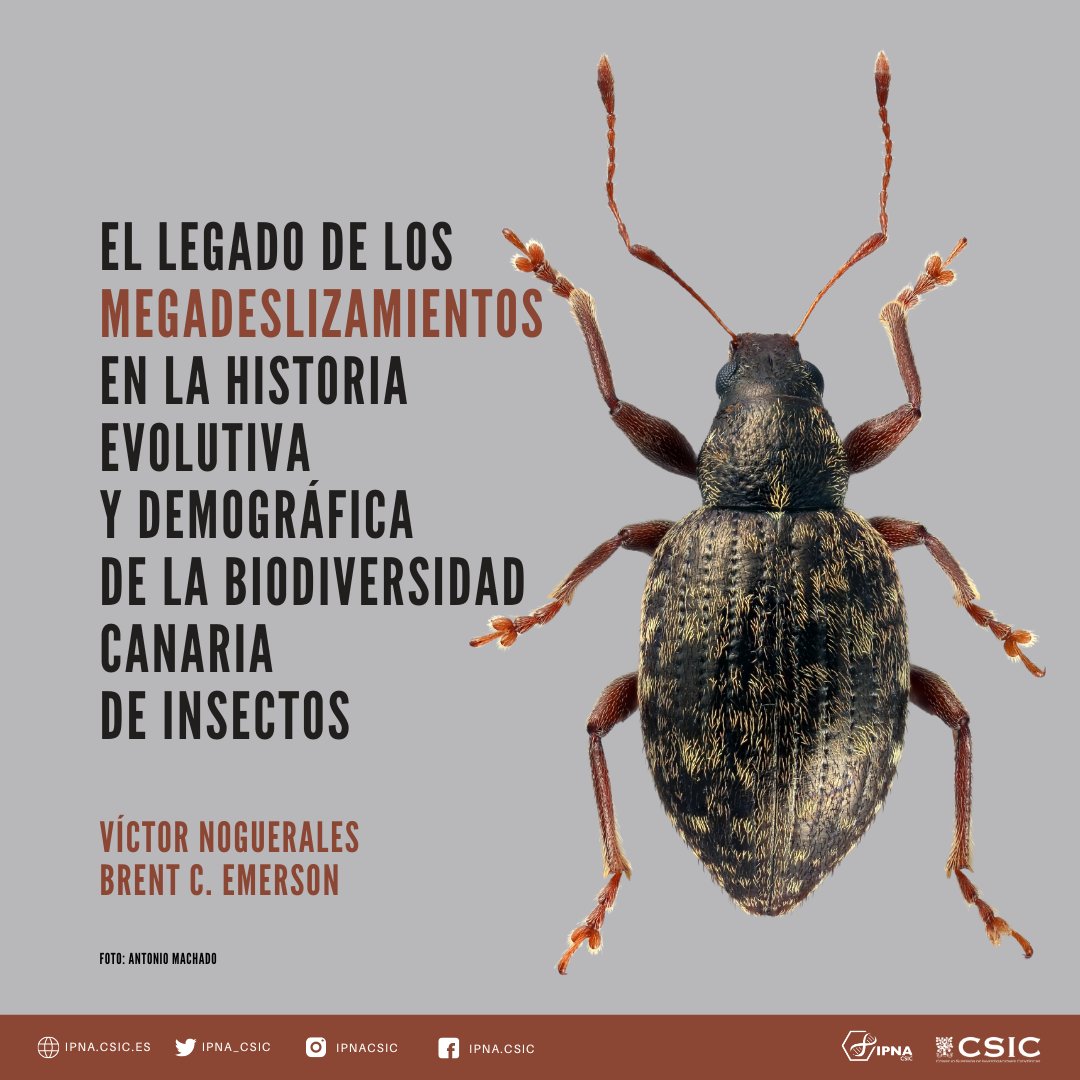
Los megadeslizamientos que provocaron los abruptos escarpes de La Orotava y Güímar también jugaron un papel clave en la diferenciación genética de las poblaciones de insectos de esas zonas.
Lo cuentan @v_noguerales y @Brent_C_Emerson👇
https://t.co/E1734CQn1t
#IPNA#divulgación
We are hiring!!📣
Tenemos un contrato de investigador@ postdoctoral de un año para trabajar en el proyecto de investigación CUMBRE_EXTINCT, en el que compararemos la composición de artrópodos del P.N. Teide actual, con un muestreo realizado hace 25 años, (1/2)
Stingless bees can transmit different building traditions across generations without individuals needing to be instructed by their peers. This has left observers of animal culture abuzz https://t.co/IOBmCj7pC1 🐝
Dutch landscapes have shifted from insect to wind pollination over the past 87 years 🍃
Recommends integrating monitoring and protection of insect-pollinated plants into existing schemes for pollinators to safeguard biodiversity and crop security 🐝
🔗 https://t.co/5dbdGRxVOV