Presented at #ASCO26:
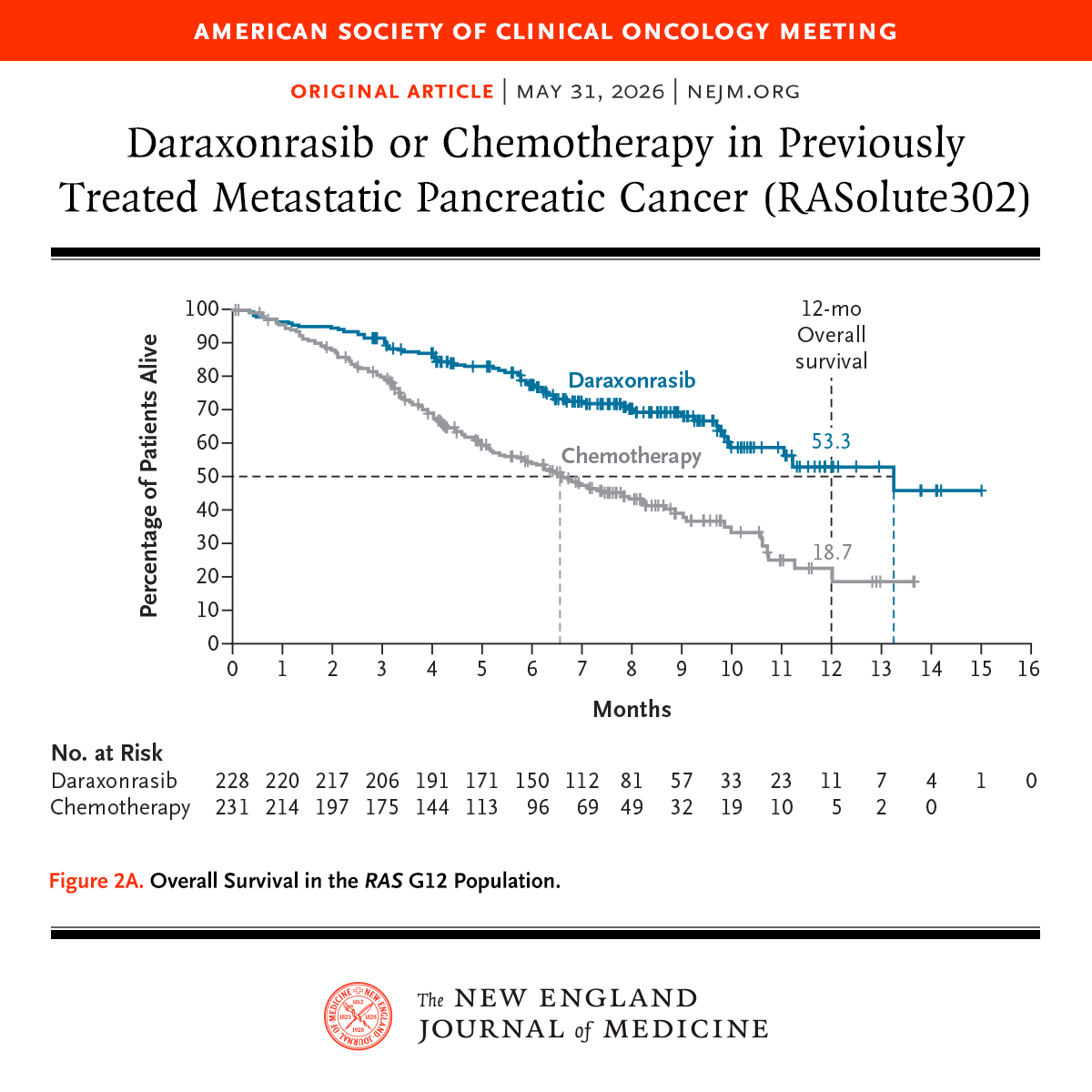
Among patients with previously treated metastatic pancreatic ductal adenocarcinoma, the RAS(ON) inhibitor daraxonrasib led to significantly longer overall survival and progression-free survival than chemotherapy. Full phase 3 RASolute 302 trial results: https://t.co/xwLWBZYRzq
@ASCO
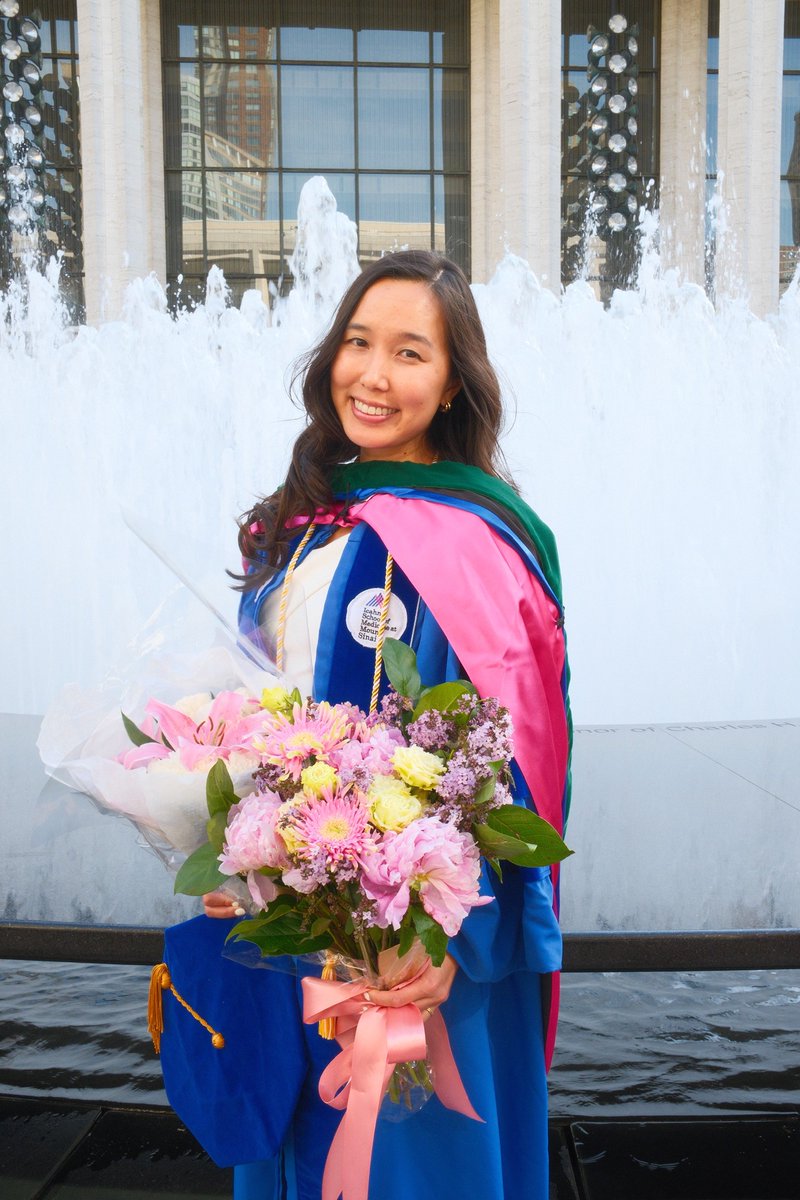
Huge congratulations to @michelle_a_tran on graduating!🎓
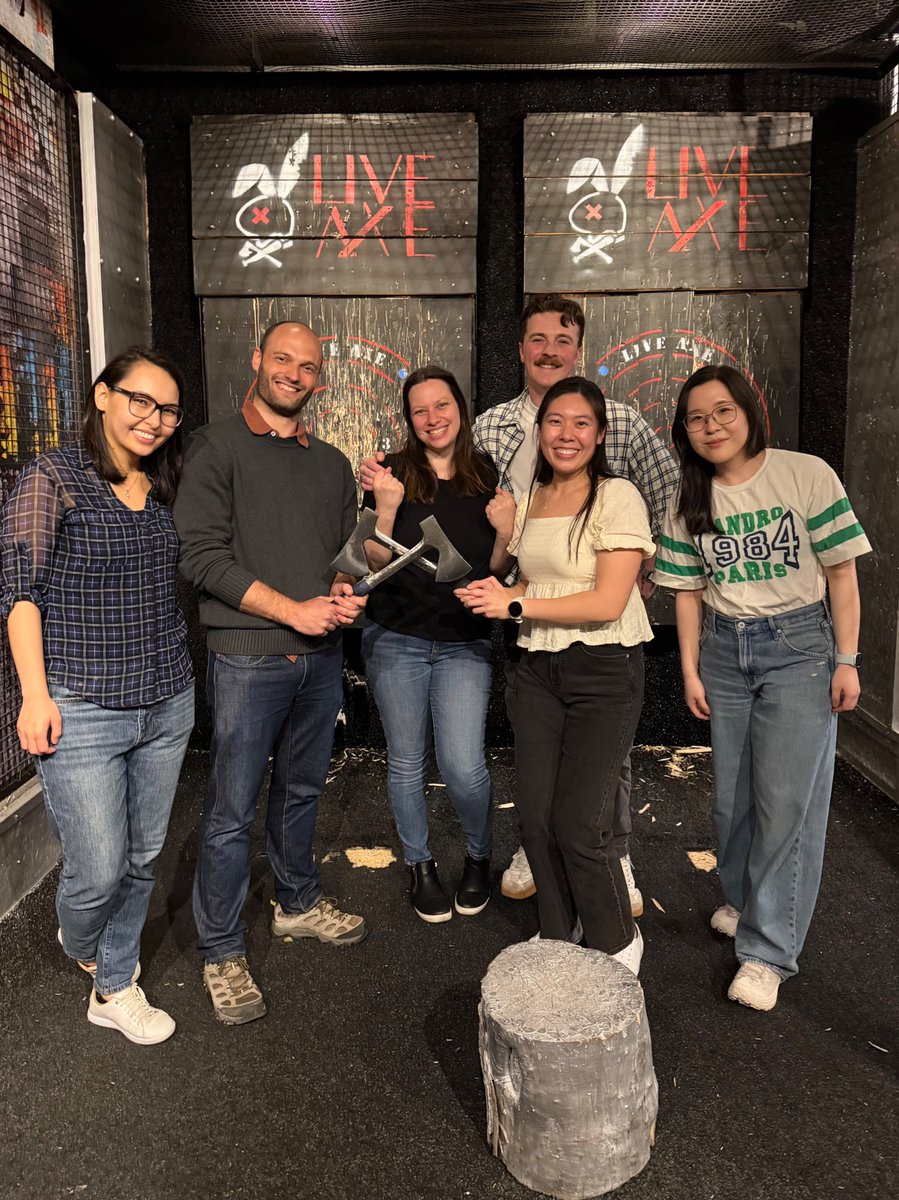
The Bhardwaj lab team loved celebrating your incredible hard work and achievements over dinner. We are so proud of you and can't wait to see what you do next!✨
Cheers to the next chapter!🥂
#LabFamily#Graduation
Huge congratulations to Michelle on officially finishing her MD-PhD. It’s been an incredible journey watching her balance the bench and the clinic with such dedication. We couldn’t be prouder of everything she’s accomplished. Cheers to Dr. Michelle!🥂 ##MDPhD#Graduation
Reprogramming T cell-myeloid crosstalk overcomes immune resistance in colorectal cancer: Cell Reports Medicine https://t.co/mBrleYPEFJ
@BhardwajLab@IcahnMountSinai
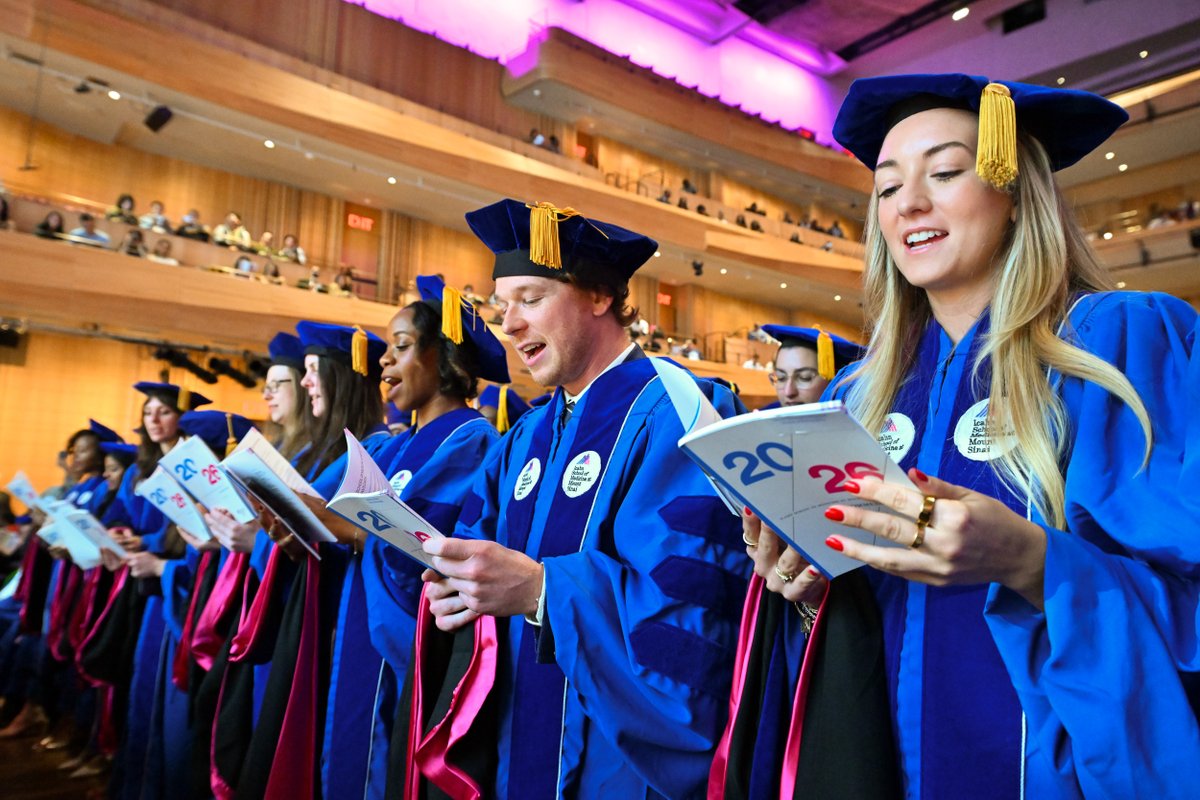
At the Icahn School of Medicine at Mount Sinai’s 2026 Commencement, our MD, PhD, and dual-degree graduates marked the culmination of years of dedication, discovery, and purpose.
With inspiring words from student speakers and the support of family, friends, and mentors, the evening reflected the passion and perseverance that define this class.
As these incredible individuals step into their next chapter, our graduates carry forward a commitment to advancing medicine, science, and compassionate care.
Congratulations to the Class of 2026.
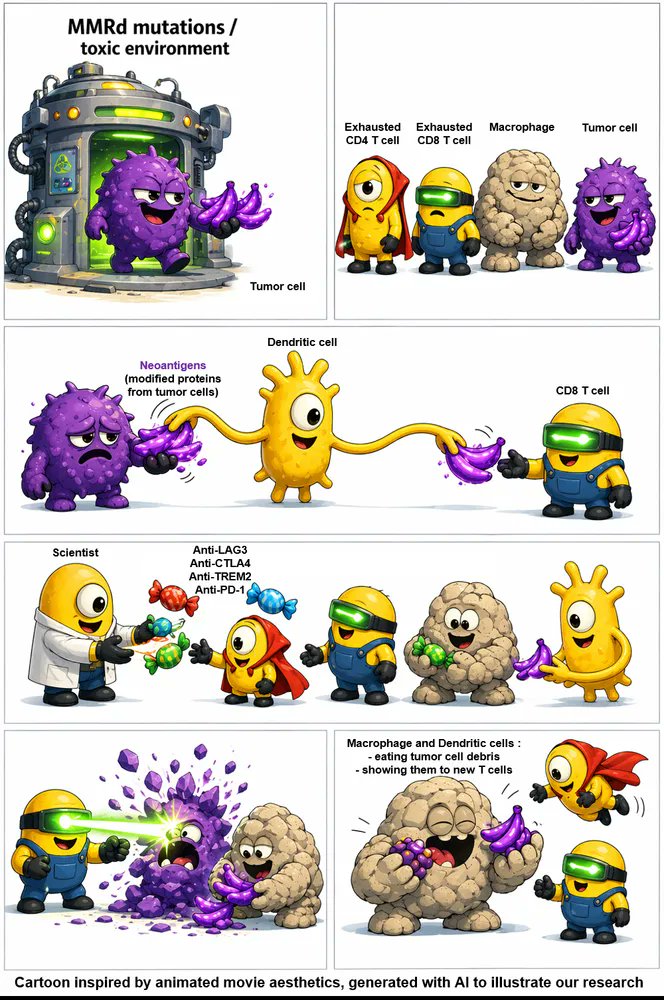
Guillaume’s latest paper went online yesterday @CellRepMed! This research shows that a quad-blockade overcomes immune resistance in colorectal cancer by reprogramming macrophage-T cell crosstalk to induce high rates of tumor clearance. Check it out here: https://t.co/xpneceihJl
We are thrilled to share our latest work uncovering how the SPP1+ macrophage-driven inflammatory axis fuels immune evasion in bladder cancer. Fantastic job by Michelle and all our collaborators! 👏
A year after NIH funding cuts, 27% of researchers report their funding hasn’t been restored. This is not just budgets; it is the future of science, and the impact is already being felt, as @cassiemcgrath_ reports in @HealthcareBrew.
As PICI CEO @DrKarenKnudsen shared with Healthcare Brew, these funding cuts have a large impact on researchers and patients, and stall bold innovative science. PICI is working to keep progress moving by backing high-risk, high-reward science and accelerating collaboration to turn all cancers into curable diseases.
Read Cassie’s full piece here: https://t.co/WAqRKONia4
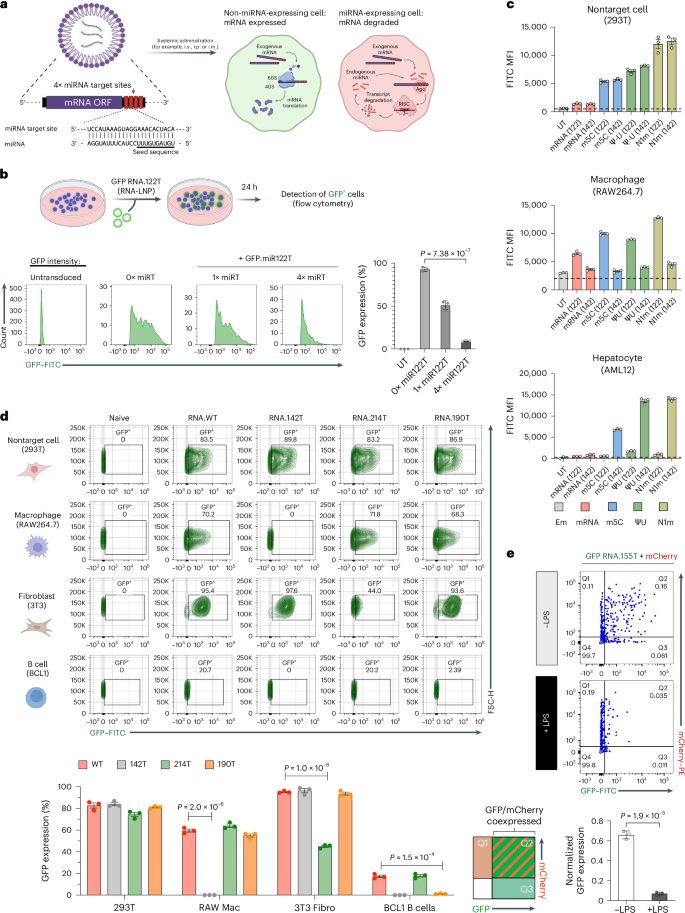
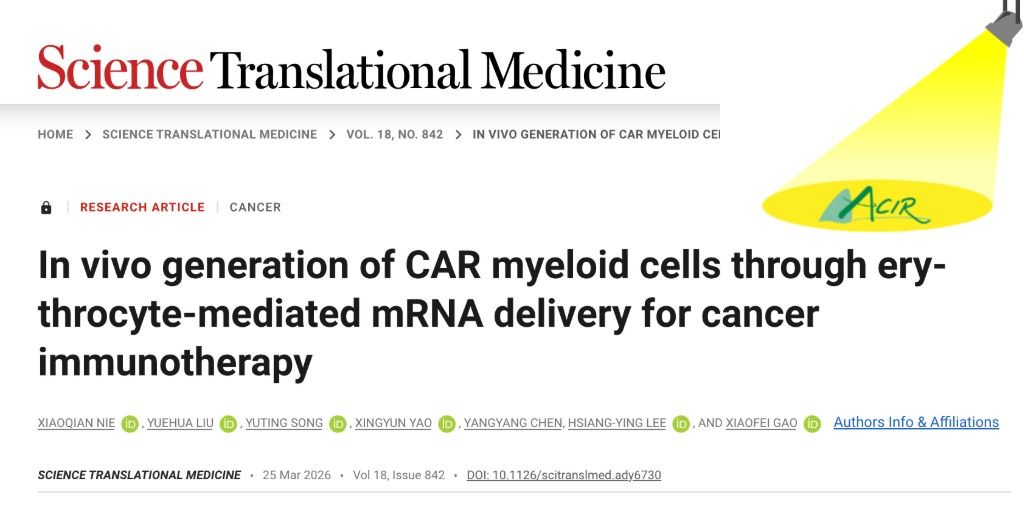
Nie, Liu, Song, and Yao et al. developed a spleen delivery platform of mRNA-loaded lipid nanoparticles (LNPs) covalently bound to erythrocytes (mRNA-LNP-Ery), which naturally target splenic CD11b+ myeloid cells. Unlike conventional LNPs, mRNA-LNP-Ery entered cells via phagocytosis, avoiding lysosomal degradation and efficiently delivering mRNA. CAR myeloid cells (HER2 or CD19) adopted a proinflammatory antigen-presenting phenotype, migrated to tumors, and stimulated T and NK cell influx, potent antitumor activity, and systemic immunity, which was spleen-dependent. Repeated doses of mRNA-LNP-Ery resulted in superior efficacy at 1/10 the dose of LNPs. https://t.co/TArRajHZig
⏳ 2 days left!
Abstract submission for #DC2026 closes April 17
🌍 Join the global DC community in San Diego
Submit your work now — don’t miss it!
https://t.co/INzFBL1xJH
@MaxKrummel@ZunigaLab 🔁
🚨Paper alert🚨 Very excited to share our manuscript, published today in @ImmunityCP, where we describe how ‘Nonsense-mediated mRNA decay inhibition reshapes the cancer immunopeptidome’. (1/16) https://t.co/S58jZLKZ7G