Are you ready to level up your learning? ⬆️
Explore game-changing insights and innovative approaches in acute cardiovascular care at #ACVC2024.
Register before 9 January to benefit from reduced early fees 👉 https://t.co/JW5FQJiGre
#ACVC_ESC#cvacute@ACVCPresident
Deeply honored to represent the Philippines at the American College of Cardiology Asia FIT Jeopardy! 🇵🇭
Proud and grateful to place 2nd among such outstanding colleagues across the Asia Pacific!
#TeamPH#ACCAsia@Drroxmehran@DrEugeneYang
You have a busy schedule?
Not being able to attend #ACVC26 ?
Don't worry, we got you covered.☑️
Listen to the wrap up of hot topics of this year congress selected beautifully by @ATycinska@JaninePoss@rafavidalperez
https://t.co/midkxqzFs2
#ACVCPodcast@escardio
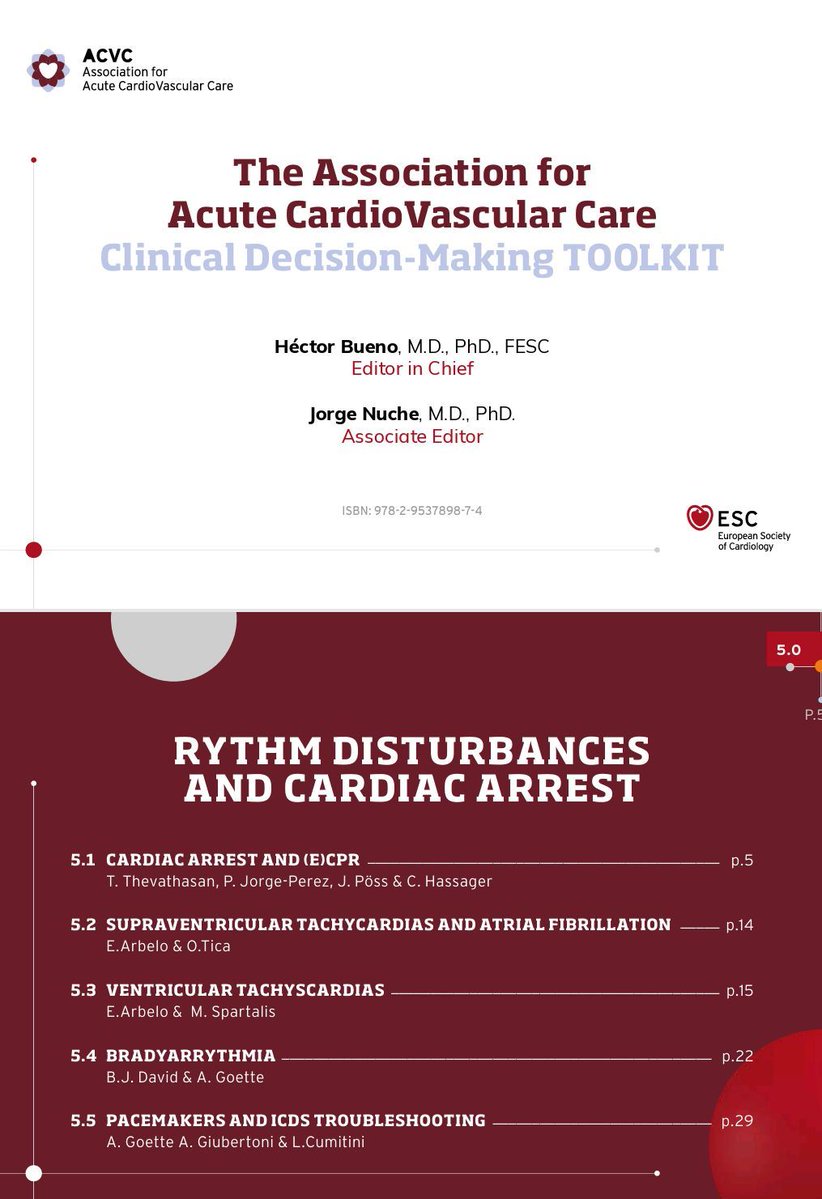
With @CVandenbriele we wrote last year one of the #ACVC Clinical Decision Making Toolkit chapters: 10.2 Managing anticoagulation in critically ill in specific situations.
Our chapter could be downloaded here: https://t.co/bDuQH6NYzn
#antiocoagulation#bleeding#MCS#thrombosis
❤️Cardiogenic shock: from labels to physiology-driven management🤓
A key concept emphasized in this ACVC chapter is that cardiogenic shock should no longer be approached as a single entity, but rather as a dynamic hemodynamic spectrum.
Core principles highlighted:
• Integration of cardiac output, preload, and afterload
• Recognition of distinct hemodynamic phenotypes
• Continuous reassessment using multimodal monitoring
Clinical implications:
The traditional reflex approach (fluids, vasopressors, inotropes) must be replaced by targeted therapy based on physiology:
• Vasopressors → for vasoplegia
• Inotropes → for pump failure
• Diuretics/ultrafiltration → for congestion
Monitoring is central:
• Echocardiography
• Invasive hemodynamics (when indicated)
• Dynamic response to therapy
My interpretation:
This reinforces a major paradigm shift in critical care and cardiology:
→ We are no longer treating “shock”
→ We are treating real-time cardiovascular physiology.
This approach is essential for improving outcomes in complex ICU patients.
🤓Take-home message:
Precision hemodynamics is not optional—it is the future of shock management.
📄 https://t.co/wu2IYy5lyb
#Cardiology #IntensiveCare #CriticalCare #Hemodynamics #CardiogenicShock #MedicalEducation #ClinicalExcellence #ACVC
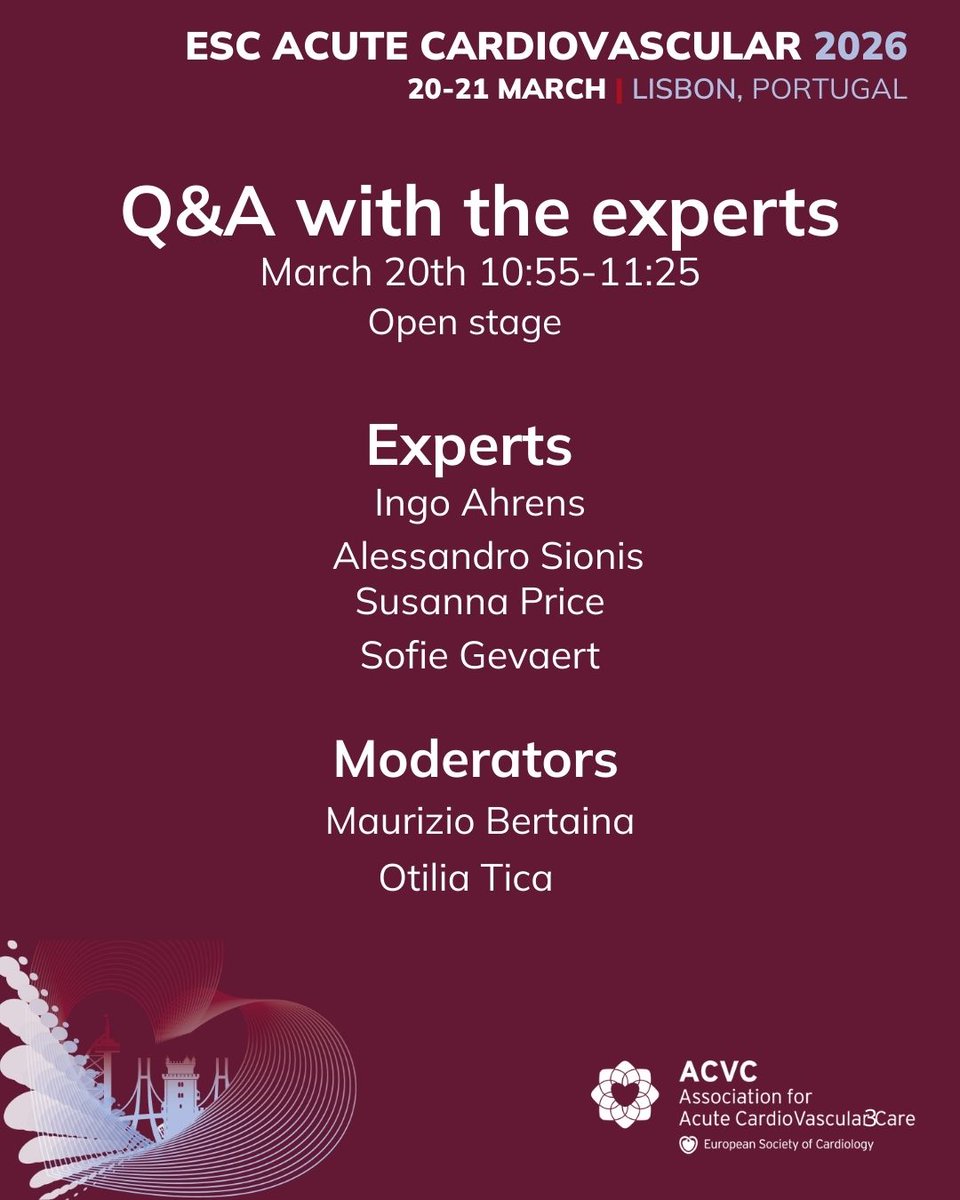
#ACVC2026 starts this Friday 🔥
Ready for the challenge at #ESCACVC2026 😏
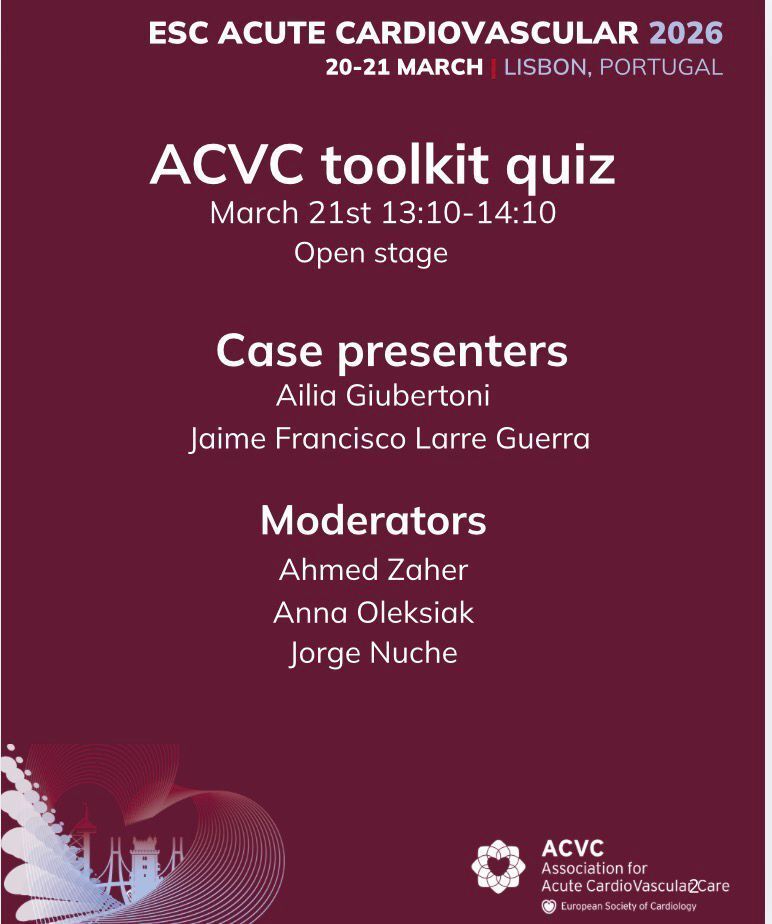
Join the ACVC Toolkit Quiz and test your knowledge in acute cardiovascular care with case presenters Ailia Giubertoni and Jaime Francisco Larre Guerra, moderated by Ahmed Zaher, Anna Oleksiak, and Jorge Nuche.
📍 Lisbon
🗓 March 21 | 13:10
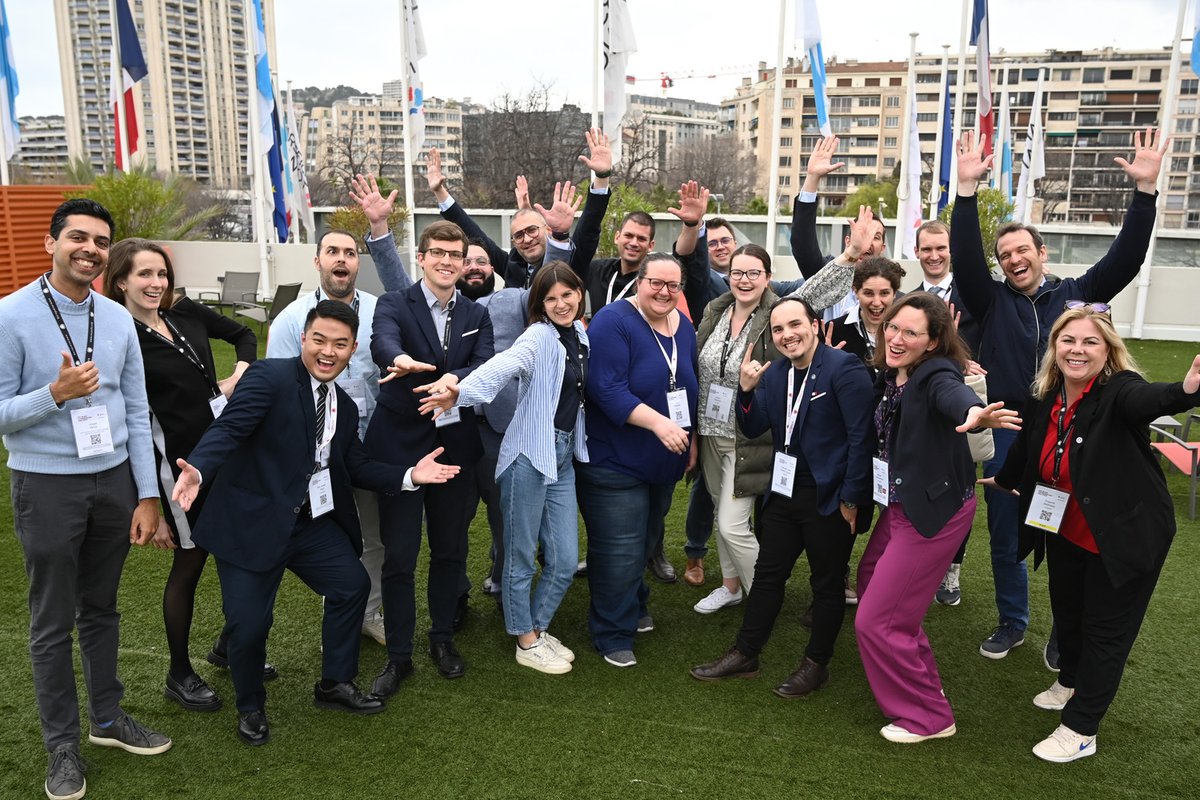
Stay connected with our fantastic Social Media Ambassadors as they bring you the latest highlights and unmissable moments in #cvacute:
@ACVCPresident@rafavidalperez@drmilicaa@OtiliaTica1@ann_oleksiak@Jorgeheartshock
Follow along for real-time insights, key takeaways, and the most exciting updates from #ACVC_ESC
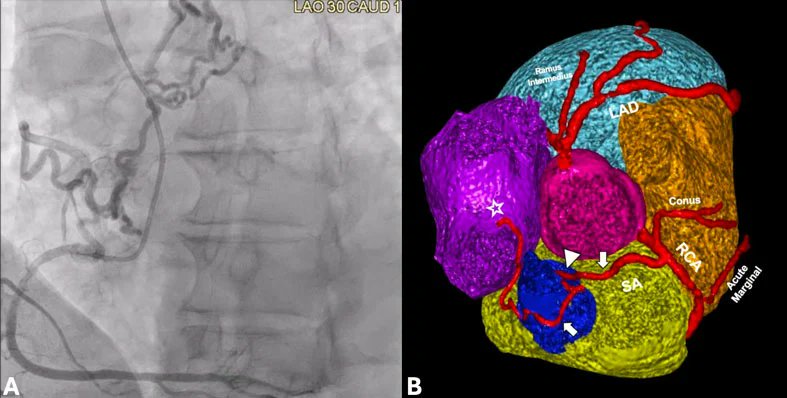
Coronary anomalies may cause lethal arrhythmias. A 65-year-old male patient had sudden cardiac arrest, presenting with ventricular fibrillation requiring defibrillation.
What do you see in this #EuroPCR image 🖼️ submitted by a team from 🇵🇭 https://t.co/M3LohBThan
#interventionalcardiology
Dear colleagues,
#ACVC2025 is approaching and so is our special event 🗣️🍷🎉
Are you a woman in cardiology?
You want to find out how to make your stand?
Join @susannaprice and @ATycinska
and have a step forward in your career #cvacute#speedmentoring@WomenAs1
Register here and secure your spot
https://t.co/Gw2KnIMWAV