From bioprinted hearts and pest-resistant plants, to fungi-fermented food waste, bioengineering is rewriting what’s possible. 🫀🌱🍄 Get to know the research and scientists breaking new ground in Stanford Bioengineering’s feature in Nature. https://t.co/WrBMxmCuKy
Calling all teachers – teaching material on this year's Nobel Prize in Physiology or Medicine is ready for use.
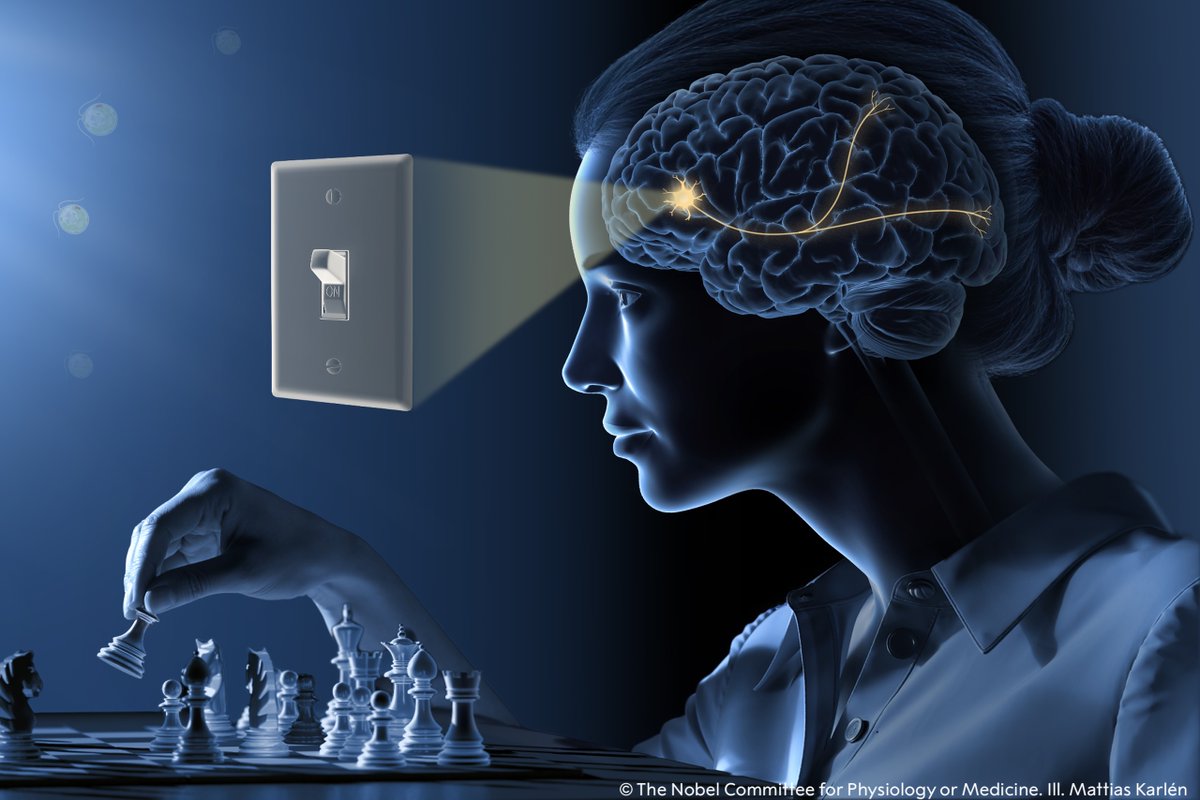
The 2026 medicine laureates developed optogenetics, a method enabling us to show how nerve cells form memories, emotions and behaviours in a living brain. This method is used by laboratories all over the world and has fundamentally changed the way we see the brain
With the Nobel Prize lesson it’s easy to teach your class about this year’s medicine prize. Find a slideshow with a speaker’s manuscript and a student assignment at https://t.co/XrDqX1dbOs
Watch my recent talk and discussion with @alokjha (@TheEconomist) on the future of programmable medicine at the @GESDAglobal Summit:
https://t.co/hFWAY95PC1
How does a cell’s past shape its future–and could we change that future through epigenetic editing?
We explore what medicine could look like in 5, 10, and 25 years: from dialing down harmful genes to protecting healthy organs during cancer treatment, and eventually creating medicines that sense trouble, respond, and quiet down when their work is done.
#Epigenetics #ProgrammableMedicine #GESDA
Congratulations to @EmmyLiTweets Emmy Li, one of Stanford’s 15 2026 Postdoc Champions recognized through the Community Impact Awards! 🎉
Thank you for mentoring students and helping them envision a future in science. Proud to celebrate you, Emmy!
https://t.co/13O1xjG1Wq
@KarlDeisseroth's contributions to optogenetics gave us an unprecedented window into how our own minds operate in health and disease, literally transforming neuroscience. He richly deserves this honor - CONGRATULATIONS KARL, WE @bioe_stanford ARE SO LUCKY TO KNOW YOU!!
Congratulations to Karl Deisseroth, winner of the 2026 Nobel Prize in physiology or medicine. The @StanfordMed & @StanfordEng professor of bioengineering and of psychiatry and behavioral sciences is a pioneering developer of optogenetics, a technique that uses light to control the behavior of cells.
What an incredible day at the 2nd Annual Stanford Synthetic Biology Expo! 🧬✨ The Expo was a celebration of the vast community of synbio researchers at Stanford who continues to push the field forward. The day was filled with faculty talks, trainee flash talks, and connection.
What better way to spend a Saturday morning than attending your student's Terman Award ceremony?
Huge congrats to Heloise Hoffmann, recognized as a 2026 Terman Award recipient, top 3% of graduating engineers at @StanfordEng!
#TermanAward#Bioengineering#FSHD
Jennifer Brophy is leading advancements in synthetic biology to enhance plants’ natural defenses against pests, such as insects.
Read More: https://t.co/mM2IVLtxpY.
A new study in @ScienceMagazine by #StanDOM's @tmboussard, @Rbaltman & colleagues recommend narrow access controls on select high-risk pathogen data, while maintaining open access for most scientific data. https://t.co/OBgAEUPz2D
Researchers in the Prakash lab have developed a robotic device, called Octopi, that automatically diagnoses malaria in blood smears. The researchers believe it could save countless lives through earlier and more accurate diagnosis. Read more here: https://t.co/TQqOL0ARDw.
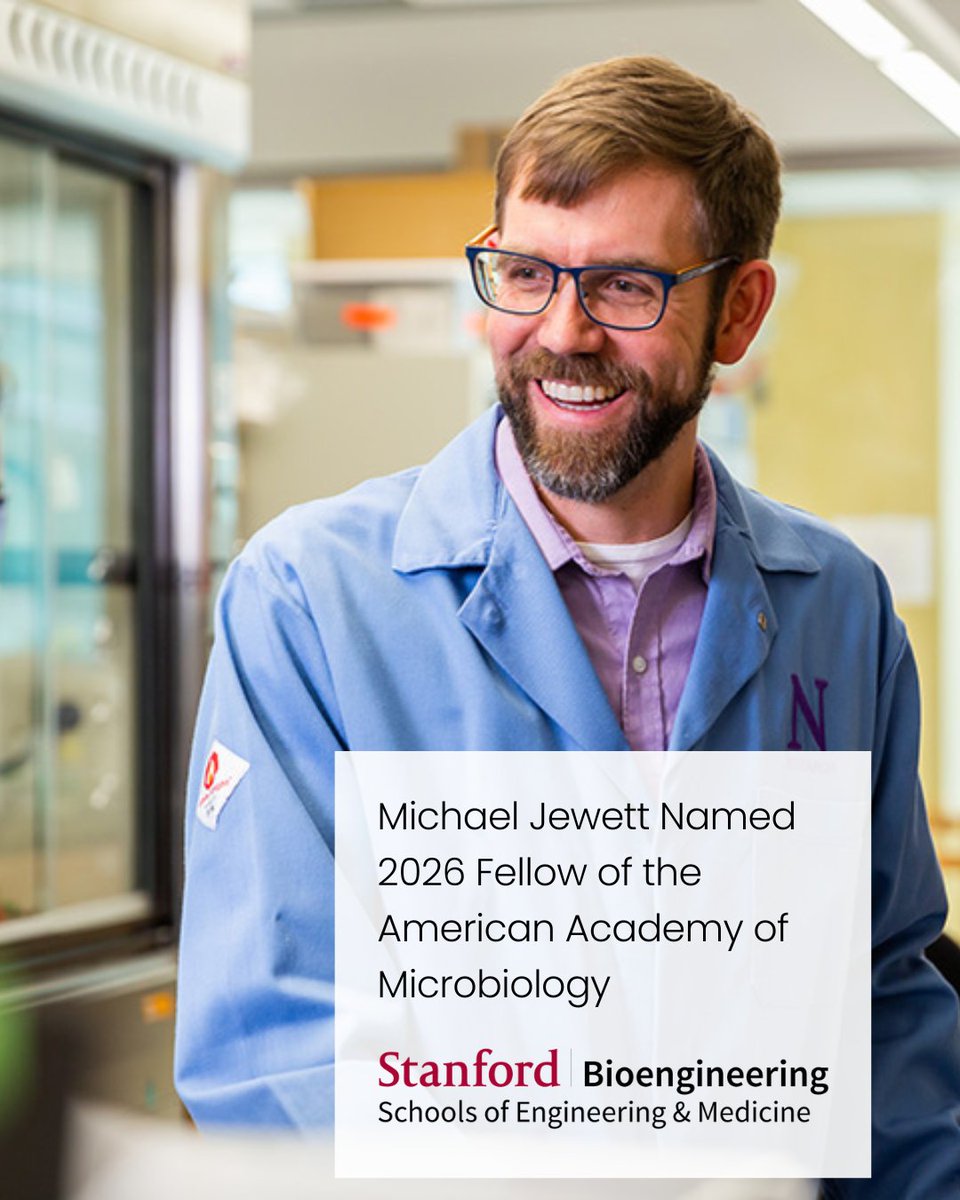
Dr. Mike Jewett has been elected as a Fellow of the American Academy of Microbiology! This fellowship is awarded to individuals who have a demonstrated record of original scientific achievements that advance the field of microbiology.
New on #TheFutureOfMedicine: #StanDOM's @euanashley talks with Mark Skylar-Scott, a bioengineer pushing the frontier of 3D bioprinting, to discuss how his team is combining engineering with biology to tackle the organ shortage. https://t.co/8EUth1wAOc
Stanford bioengineer Jennifer Brophy is using synthetic biology to enhance plants’ natural pest defenses, aiming to reduce reliance on chemical pesticides that can contaminate air and water.
Read More Here: https://t.co/mM2IVLtxpY.
It’s affordable, portable, and completely waterproof!💧
As Manu shows in this video, the adventures with a Foldscope are endless. You can take it ANYWHERE…even a hot spring in the Chilean fjords, and that’s truly the beauty of the Foldscope.
🔗 Tap the link in our bio to get yours!
#FoldscopeAdventures #AffordableMicroscopy #ChileanFjords
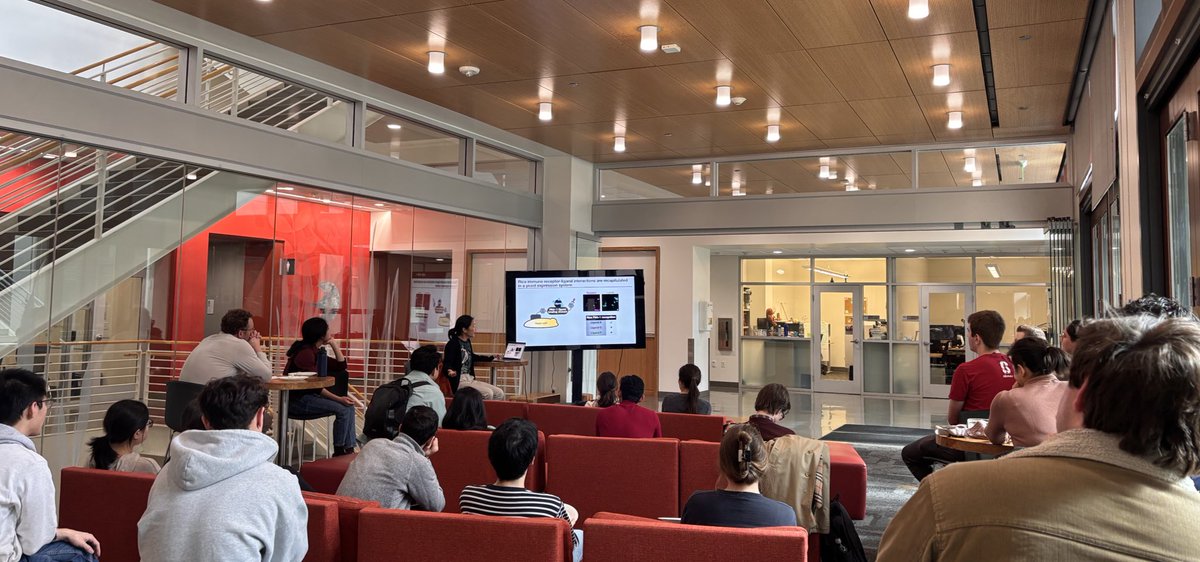
We’re excited to welcome Professor Ellen Rim to the @StanfordSynBio community! Her talk today explores how directed evolution can be used to engineer pathogen resistance in plants 🌱🧬
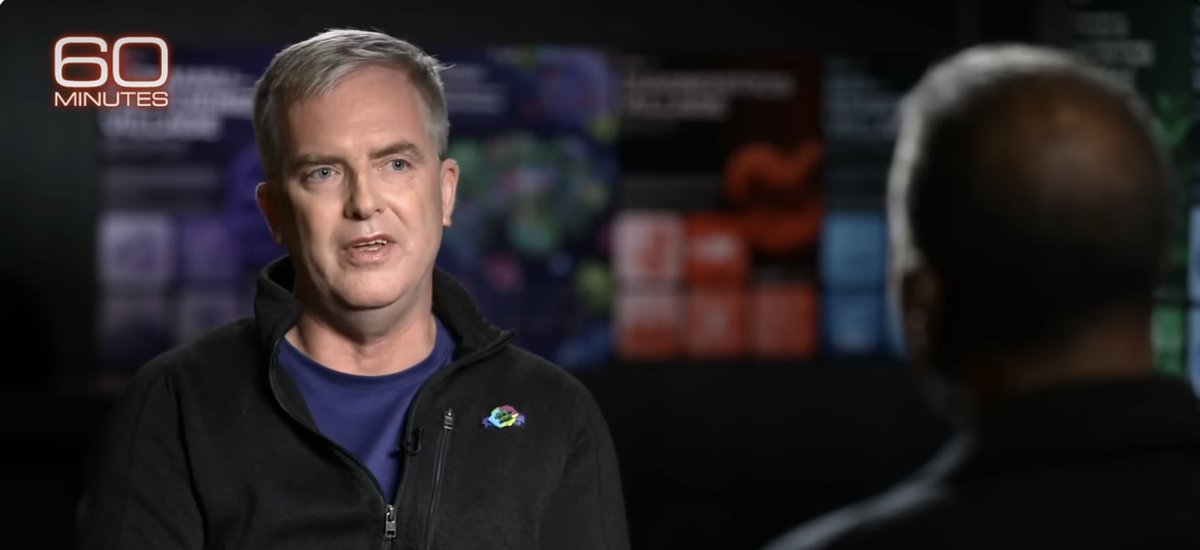
Teens may have just developed a new way to detect & treat Lyme disease using CRISPR. Shoutout to @DrewEndy, who’s featured in this @60Minutes segment. https://t.co/vVzOVqwqyd