BREAKING NEWS:
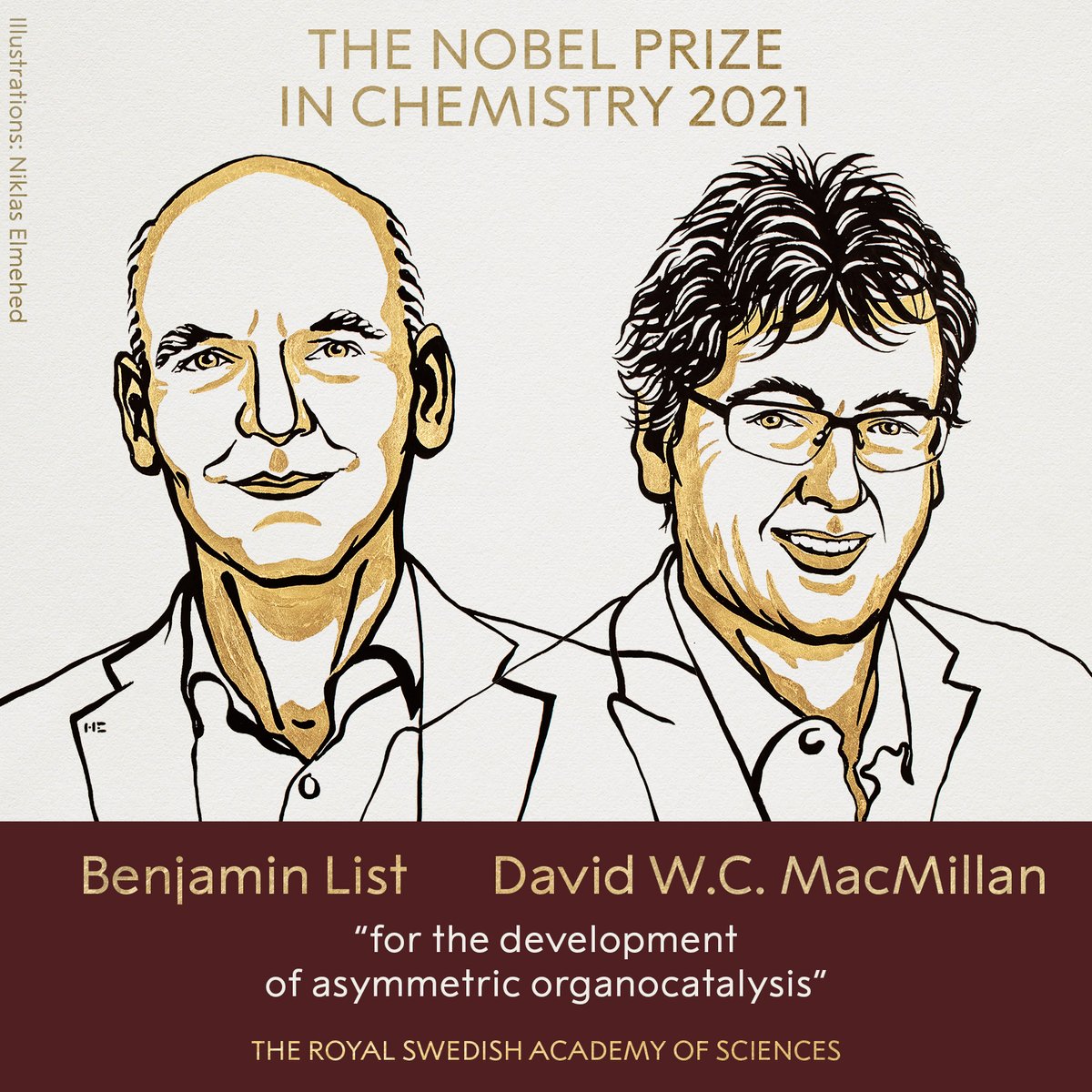
The 2021 #NobelPrize in Chemistry has been awarded to Benjamin List and David W.C. MacMillan “for the development of asymmetric organocatalysis.”
Think like a plant! That's what researchers @Princeton did when they developed a catalyst that makes chemical reactions productive for longer. Based on how photosynthesis works, they slowed down a step in a chemical process to get more out of it: https://t.co/xN0q2IrdFY
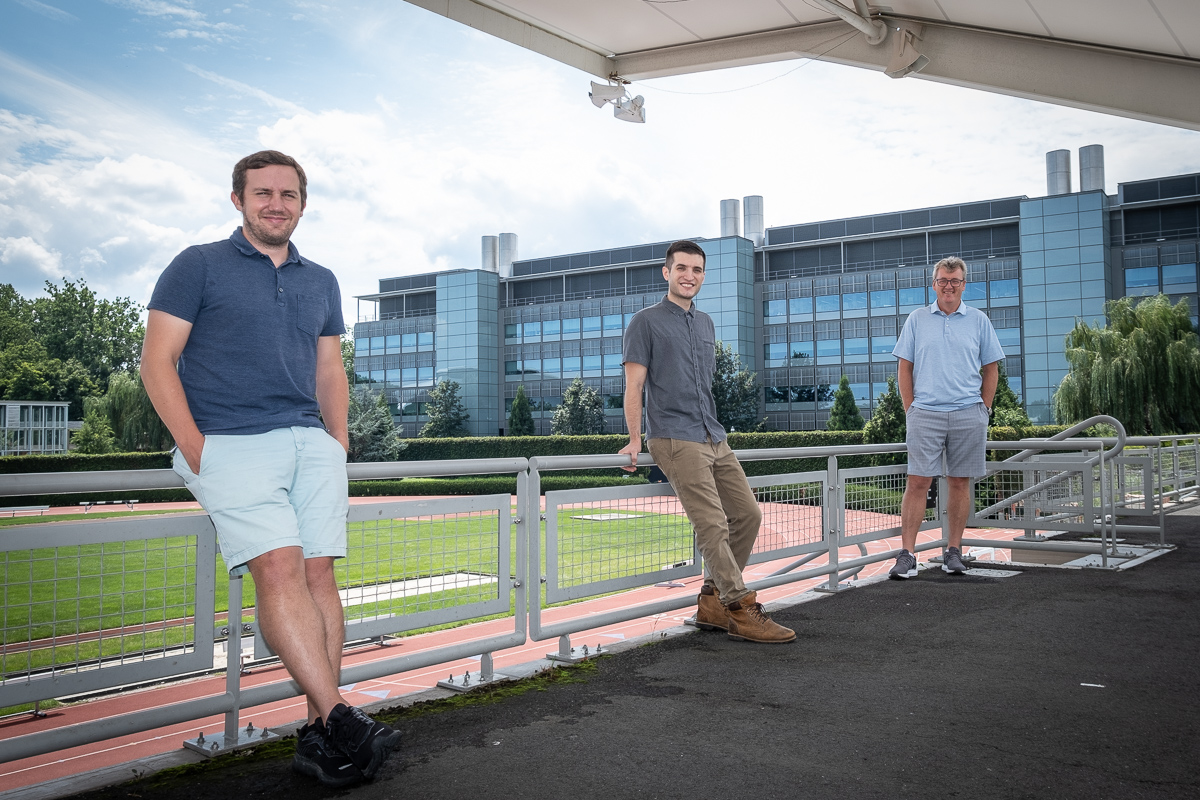
Congratulations to @BioLECEFRC's @gabriela_ssc, Prof. Abigail Doyle, and @todd_hyster, who have all won 2022 ACS National Awards! https://t.co/sOqu29Lp4O
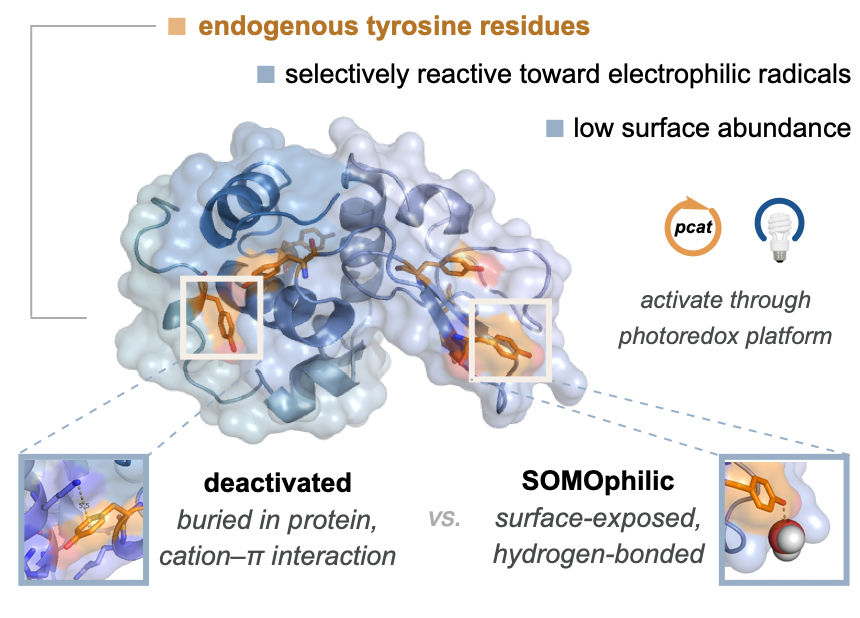
The @MacMillan_Lab published today in "Nature Chemistry" on the photoredox-catalyzed site-selective functionalization of tyrosine residues, in collab with the Scholes Lab and @BMSNews. Congrats Beryl, Daniel, Steven, Daniel, Greg, Dave, and all: https://t.co/gshRdhrMub
Our latest work in @J_A_C_S uses pulse radiolysis to directly generate & probe Ni(I) intermediates commonly invoked in cross-coupling, as part of a great collaboration with Matt Bird @MBirdChem & coworkers at @BrookhavenLab through @BioLECEFRC. https://t.co/GdpHoCQEXJ.
We are looking for a postdoctoral research associate with expertise in synthetic photochemistry and an interest in mechanistic studies to join the @BioLECEFRC team at @BrookhavenLab.
https://t.co/lEsgBNoUUX
https://t.co/ib5c6veJyf
New perspective from @BioLECEFRC ! with @Dr_Dani_AR @minjung_son and led by the twitterless Hannah Sayre. Solar Fuels and Feedstocks: The Quest for Renewable Black Gold - now published in Energy & Environmental Science https://t.co/NMEKAy7sWy @doescience@EES_journal
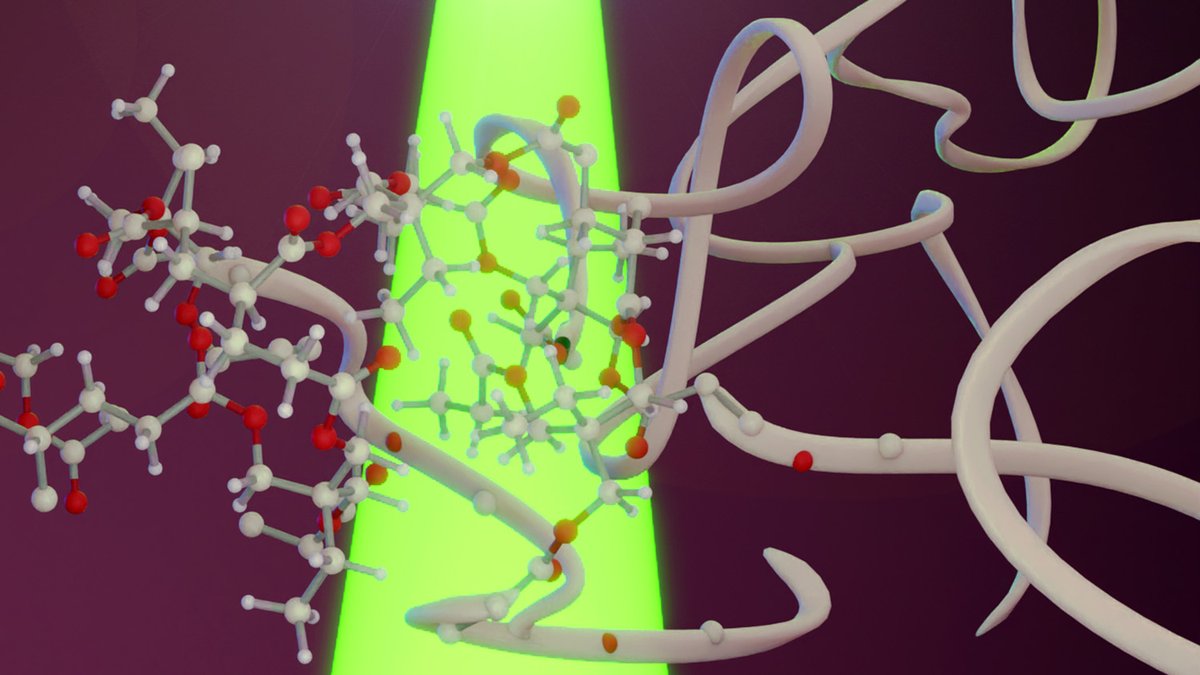
What is the role for quantum vibrations in the transfer of electrons for solar energy conversion? Check out research by Princeton Prof Greg Scholes and his team in Nature Chemistry @BioLECEFRC https://t.co/ulw0m34lvw
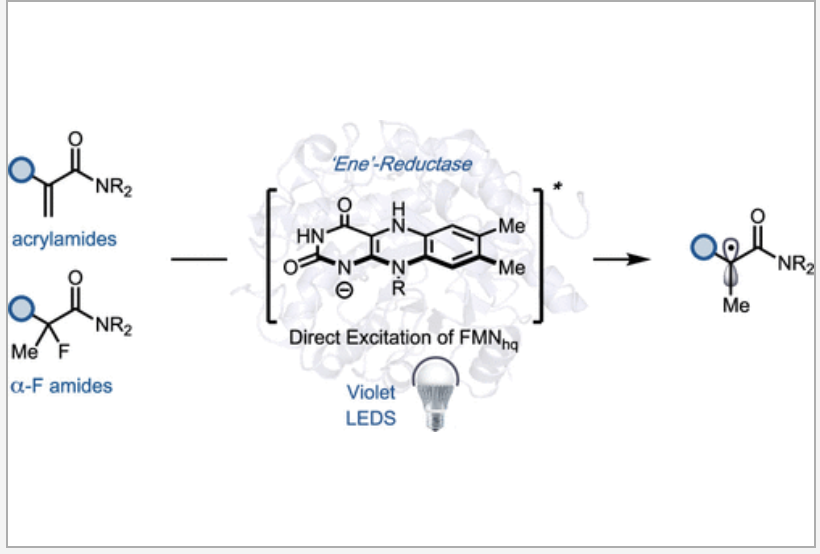
Just out in @J_A_C_S, research from @BioLECEFRC showing that direct excitation of flavin hydroquinone within “ene”-reductase active sites enables new substrates to participate in photoenzymatic reactions. Congrats Braddock, Phillip, Dan, Yuji, Greg, Todd. #chemistry#phdchat
A more environmentally friendly and less wasteful way to produce the polymers that make up plastics is to use UV light. With our support, researchers from @NCState have found ways to use lower energy yellow or green light to make polymer gels https://t.co/aA4e37xtkf
Researchers at @Princeton have yielded a new platform to allow chemists to reinterpret the rules of stereochemistry and stereocontrol, a discovery with important implications for the pharmaceutical and agrochemical industries
https://t.co/R6ZHPtPptm
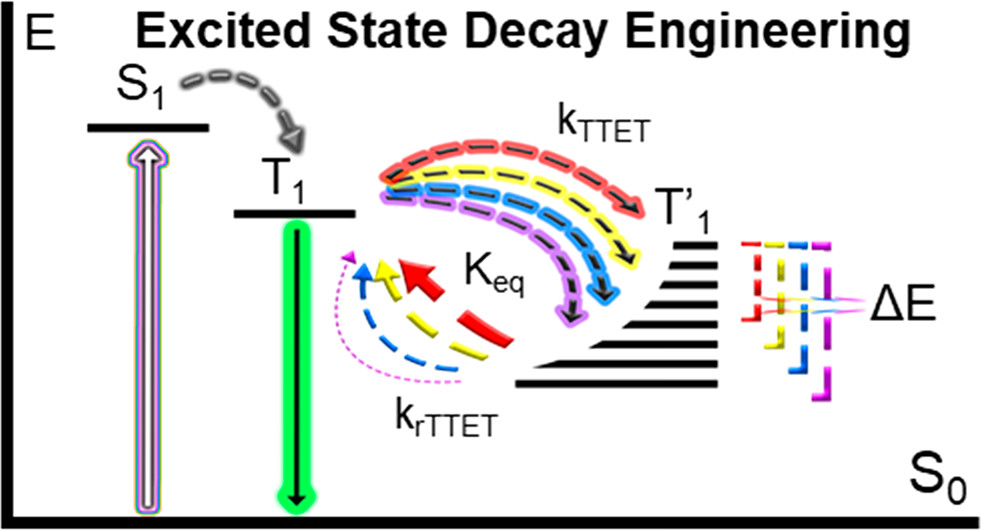
Phil Castellano (@CastellanoGroup) writes on the progress towards deterministic control of thermally activated delayed photoluminescence - which promises bespoke photosensitizers and light emitters - in the latest #JACSPerspective
https://t.co/KGFOIXXxkD
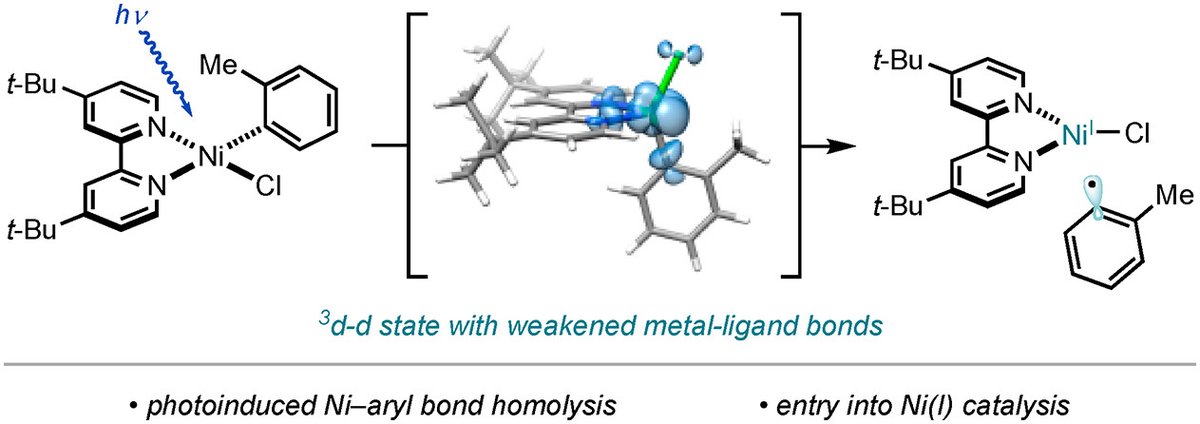
Excitation of Ni-photoredox intermediates generates d-d states that can form Ni(I) via Ni-aryl homolysis. Read more about this work from @PrincetonChem@NCStateChem@BioLECEFRC: https://t.co/x2UNUNWKj1