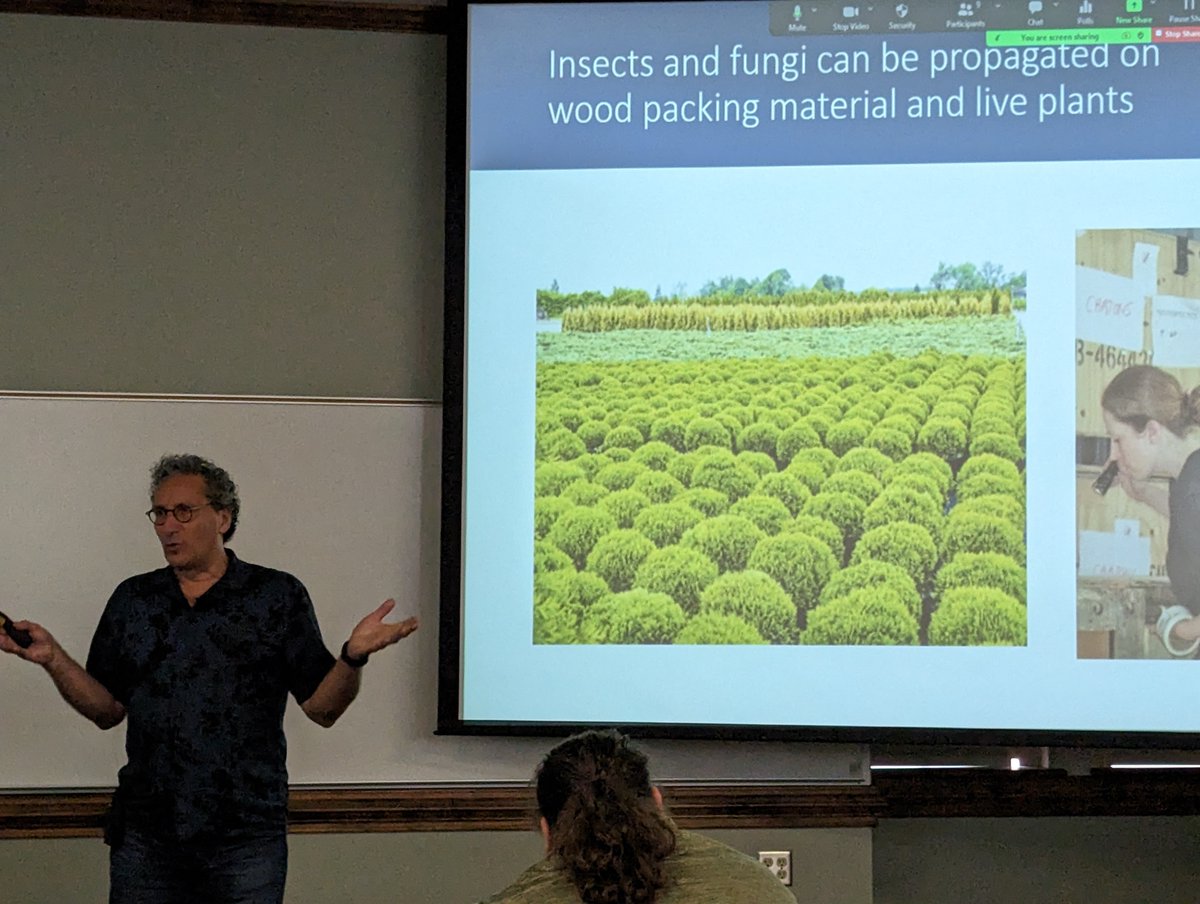
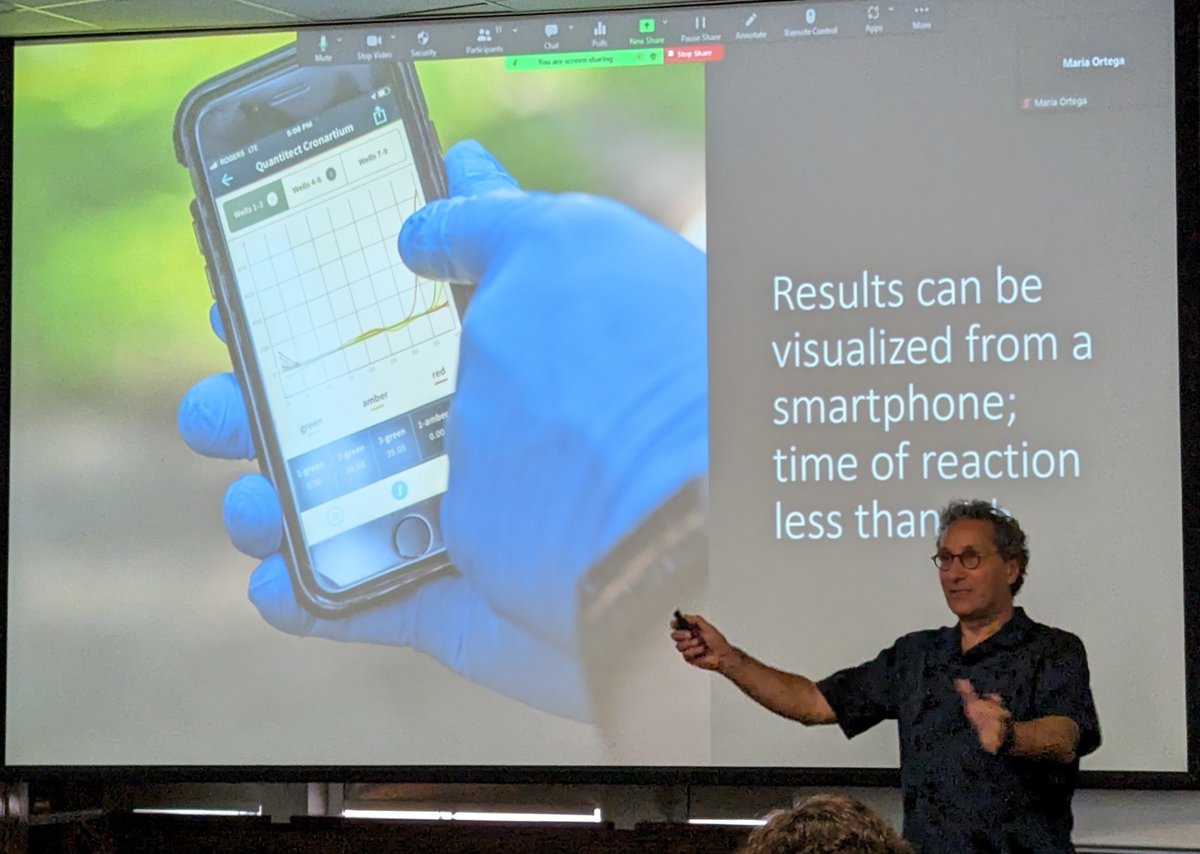
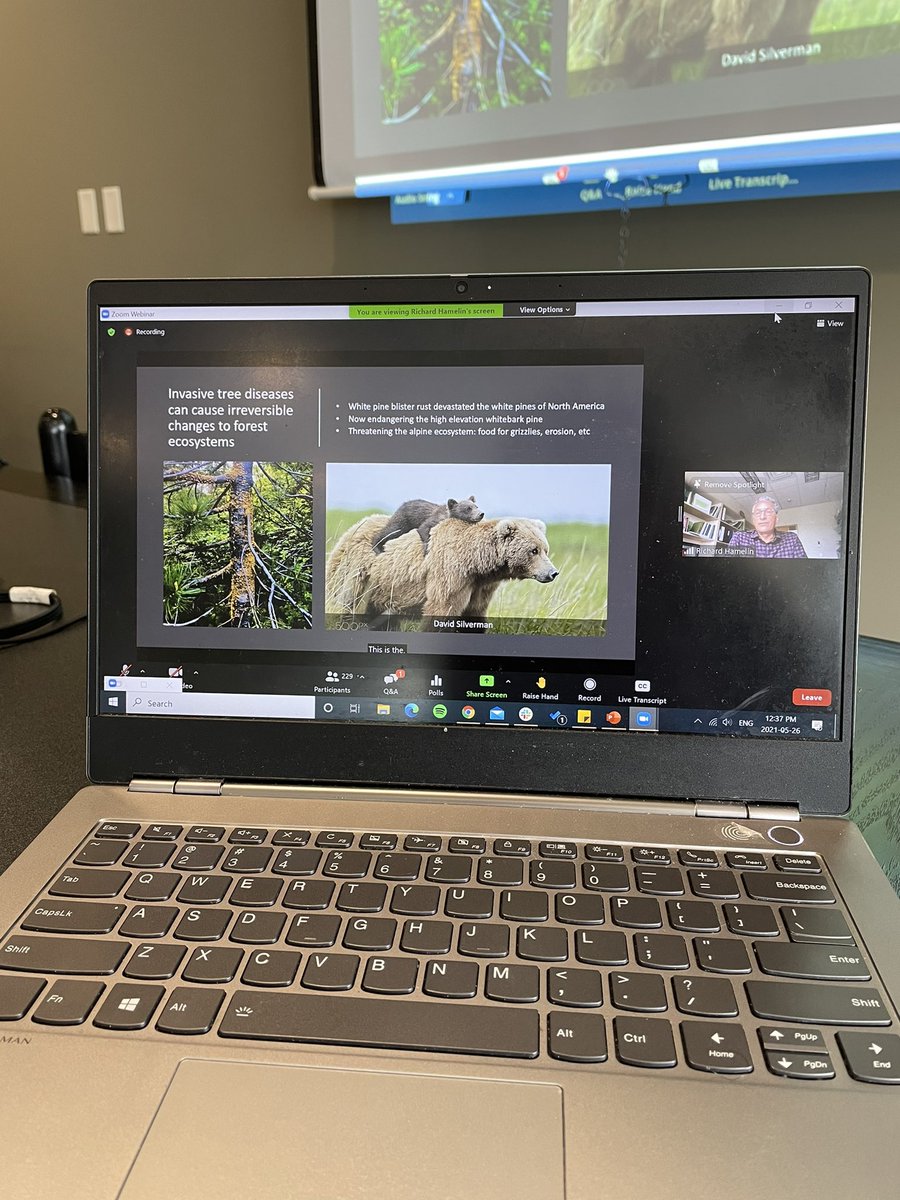
BioSAFE (BioSurveillance of Alien Forest Enemies) is developing genomics-enhanced suites of tools to detect forest enemies and assess the risk they pose
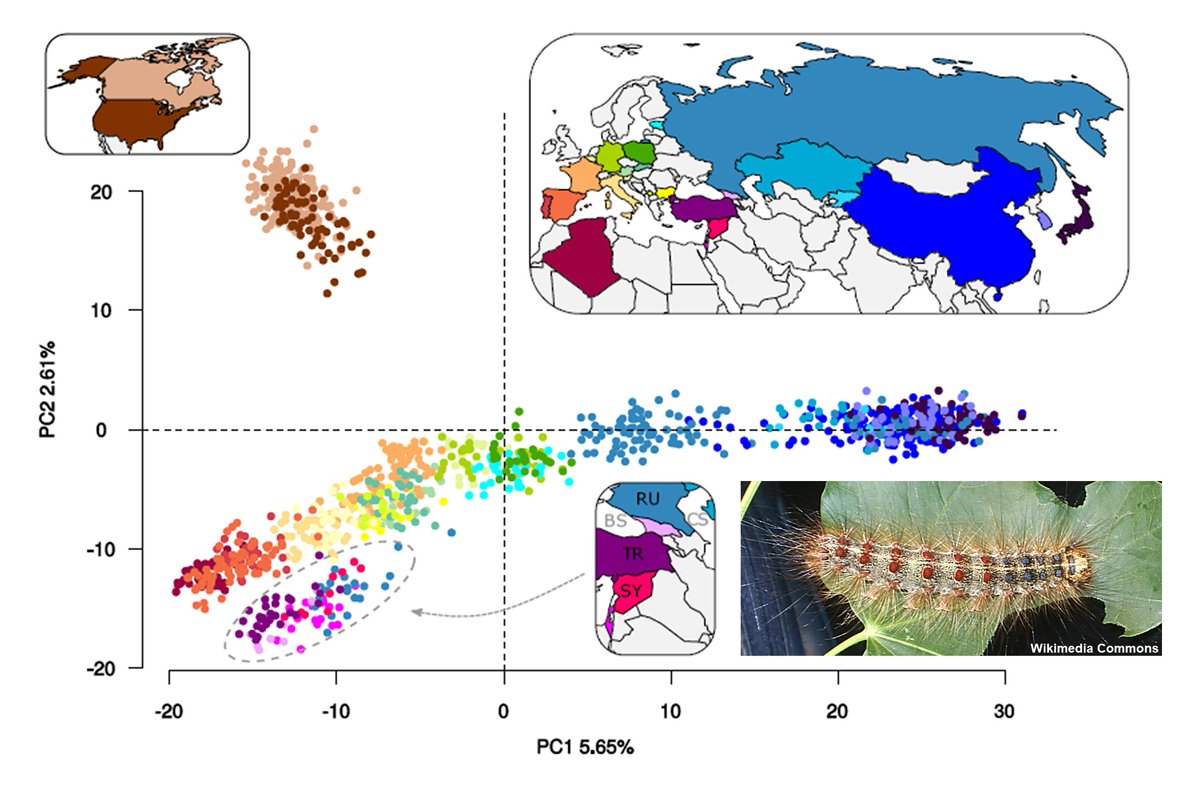
The global population genomics of the destructive Lymantria dispar (spongy or gypsy #moth) suggests continental East Asia as its evolutionary origin - article in @EvolAppJournal by @Sandrine_Picq and others like @richamelin - https://t.co/k9ODxcTtJT
Check this new paper from our team developing new approaches to assess impact of #invasivespecies on recreational value of #parks#forest https://t.co/SCAMbsHss2
Range‐wide population genomics of the spongy moth, Lymantria dispar Implications for biosurveillance, subspecies classification and phylogeography of a destructive moth @Sandrine_Picq@richamelin@GenomeCanada@GenomeBC @GenomeQuebec @NRCan@InspectionCan https://t.co/fq4nRiwI5L
Check out our new paper: Characterizing, mapping and valuing the demand for forest recreation using crowdsourced social media data | PLOS ONE @GenomeBC @GenomeCanada @GenomeQuebec @ubcforestry @IRSS_UBC https://t.co/uOxbfxafUs
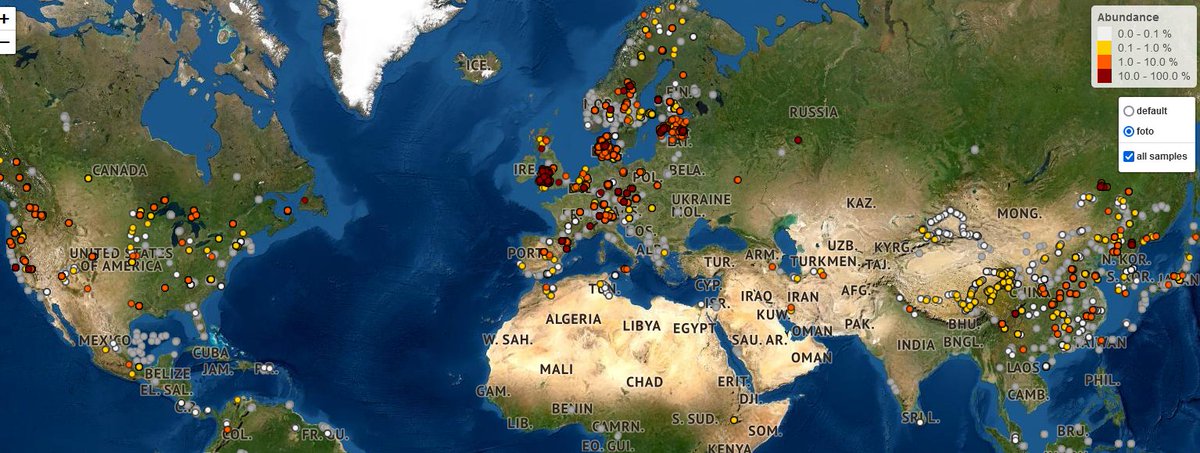
Laboratory of Environmental Microbiology in Prague, Czech Republic, offers postdoc position in fungal ecology that will utilize the GlobalFungi data. If you want to focus on fungi and are not afraid to work with large data and statistics, see more at: https://t.co/gQqZTaeDxO
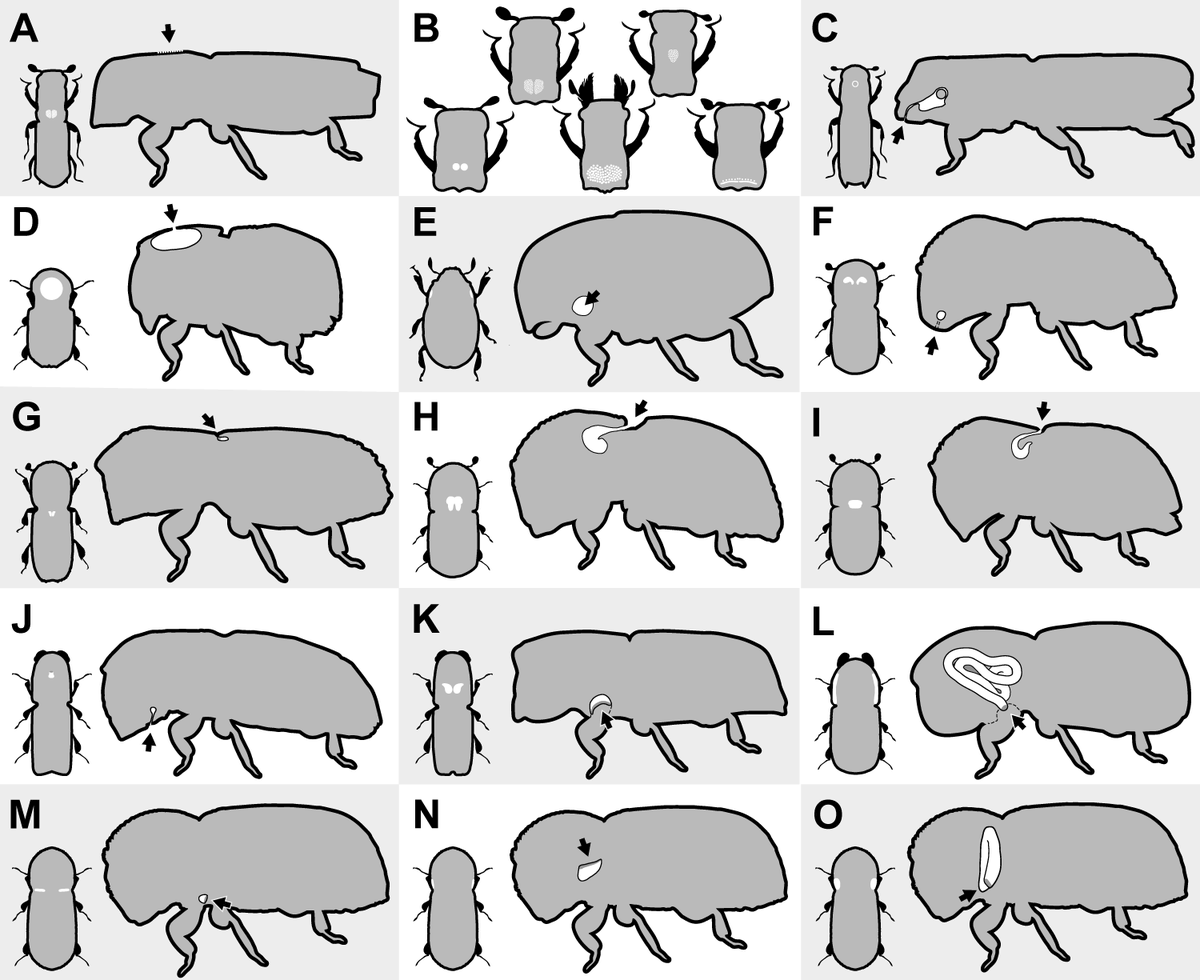
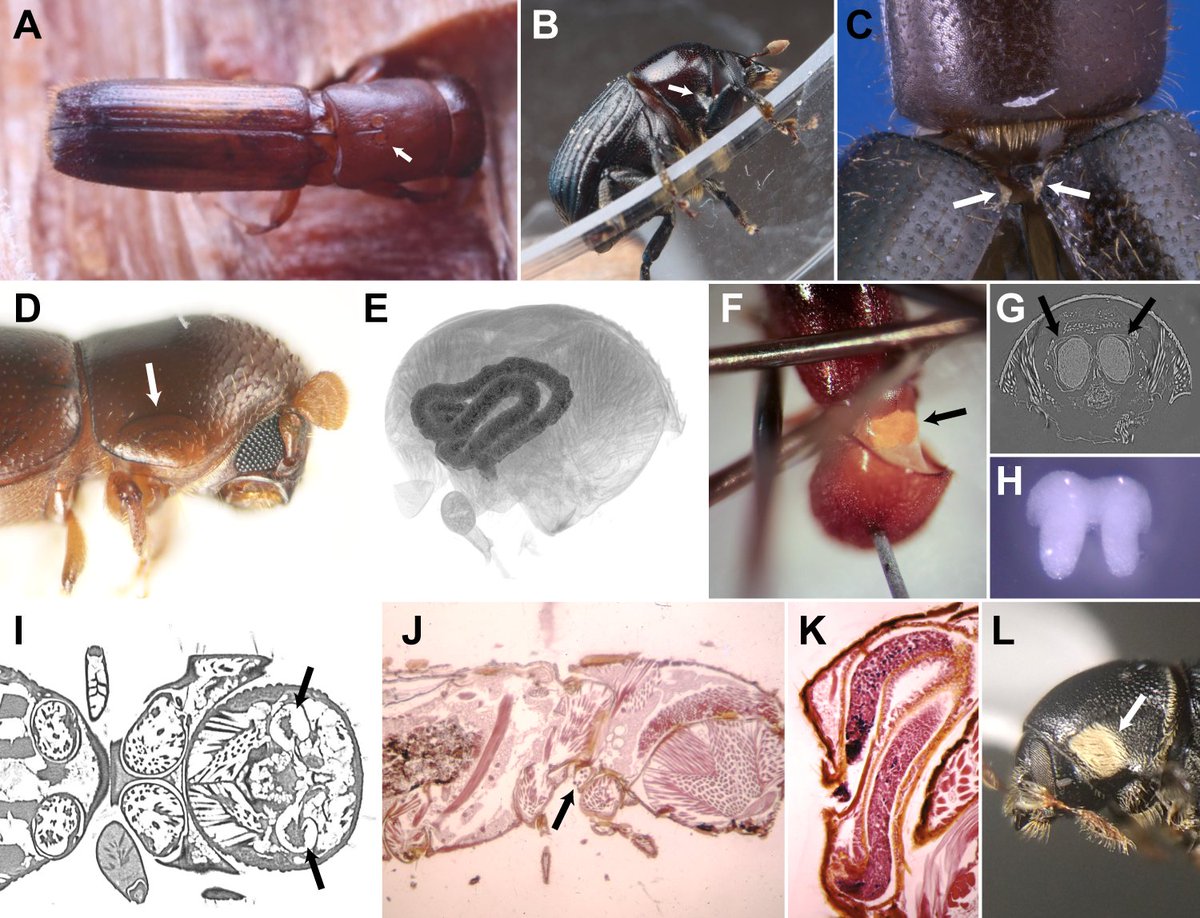
Fungus pockets! Our review chapter on ambrosia beetle mycangia, the amazing organs these fungus farmers use to store and carry living spores of their fungal food, is just out (Open Access) at MIT Press. #fungi#symbiosis#ambrosiabeetles https://t.co/6jsFST7sRi
APS #Planthealth2021 today, go to RESEARCH ON-DEMAND: Detection, Diagnosis, and Survival III Wed Aug. 4th 2h30 EDT to see and discuss my research and collaboration on Oak Wilt; Detection of oak wilt eDNA in insect traps in Eastern Canada using metagenomics and qPCR @plantdisease