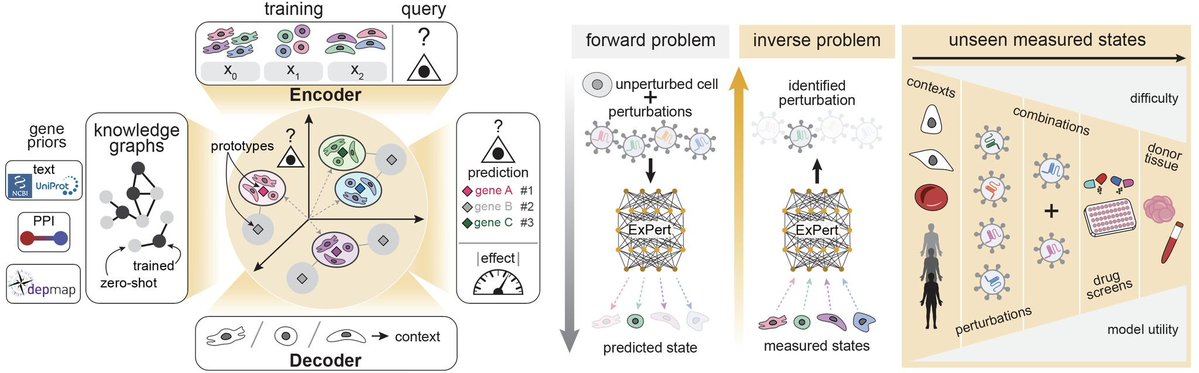
1/ 🔥New study: Most perturbation models answer “if I knock out gene X, what happens?” We asked inverse: given a disease state, what drove them? 🔄
ExPert traces patient cells to their cause: hidden liver-disease biology, mitochondrial defects from blood https://t.co/5VpdE21nSi
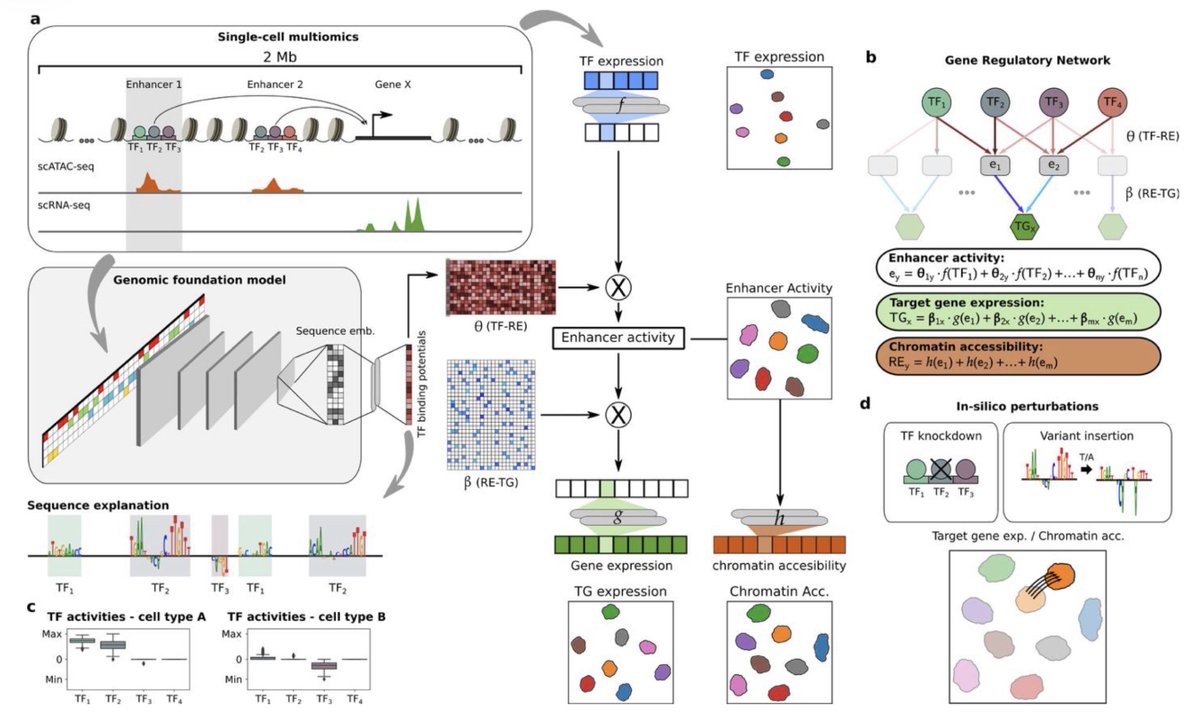
How does tumour heterogeneity arise? How can we predict cancer cell plasticity? In 2 studies, we trace #glioblastoma heterogeneity to a spatial cancer cell trajectory w. atlassing https://t.co/OY9T4rHYrj & predict plasticity w. snRNA/ATAC+deep learning https://t.co/AwlOHu3cq6 🧵
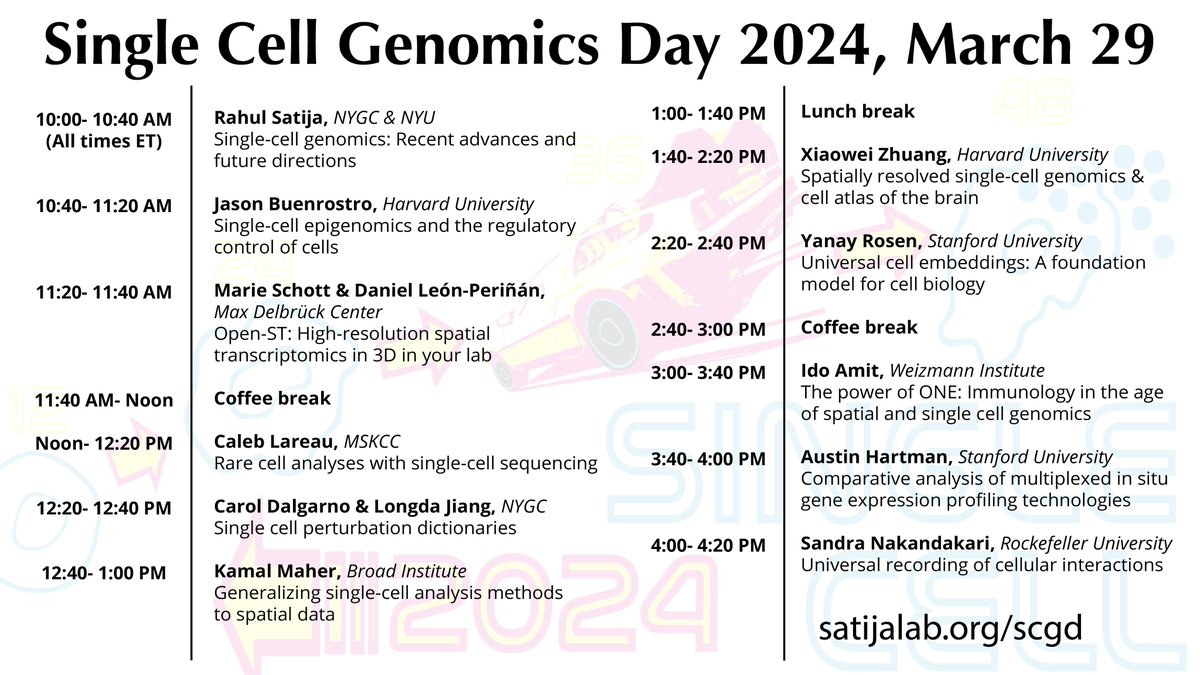
Want to hear about the latest updates/new techniques in single cell and spatial genomics? Check out the full agenda for our Single Cell Genomics Day on Friday, 3/29. All talks will be live-streamed (no registration required) at https://t.co/KJpeGwWLIr
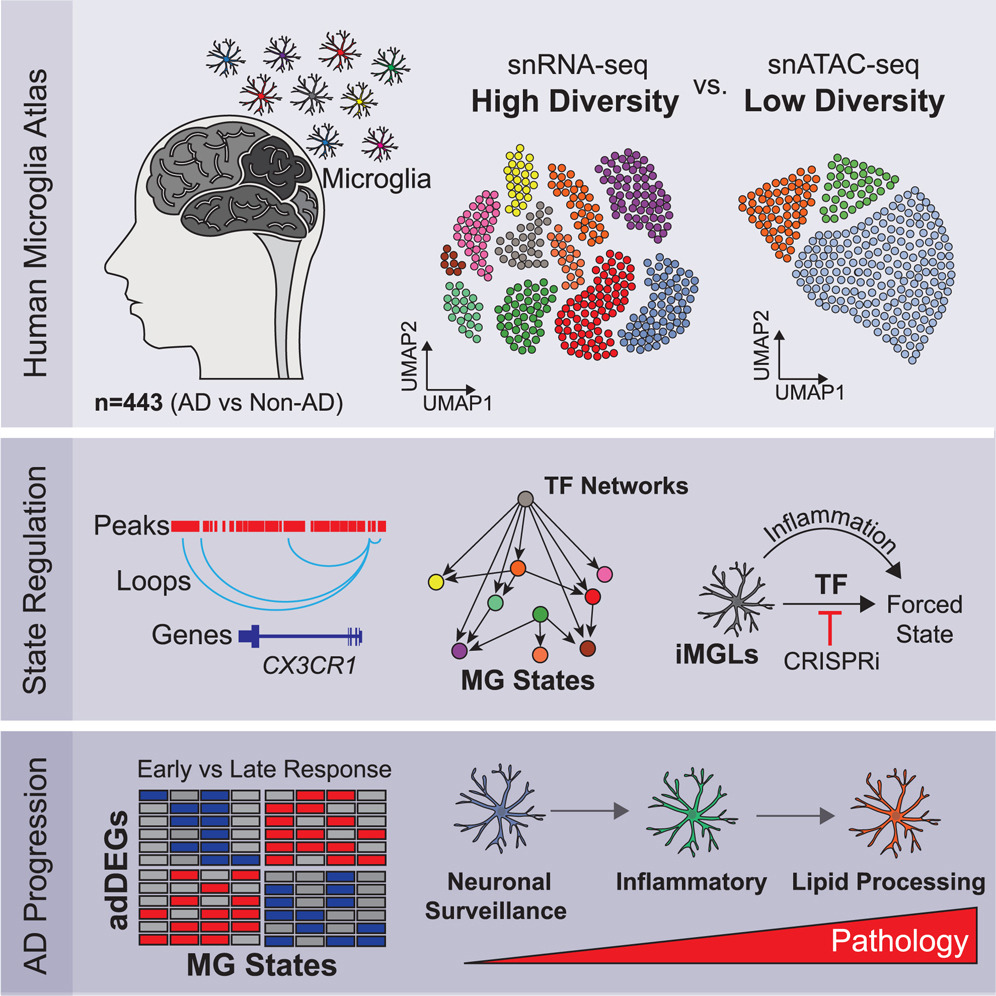
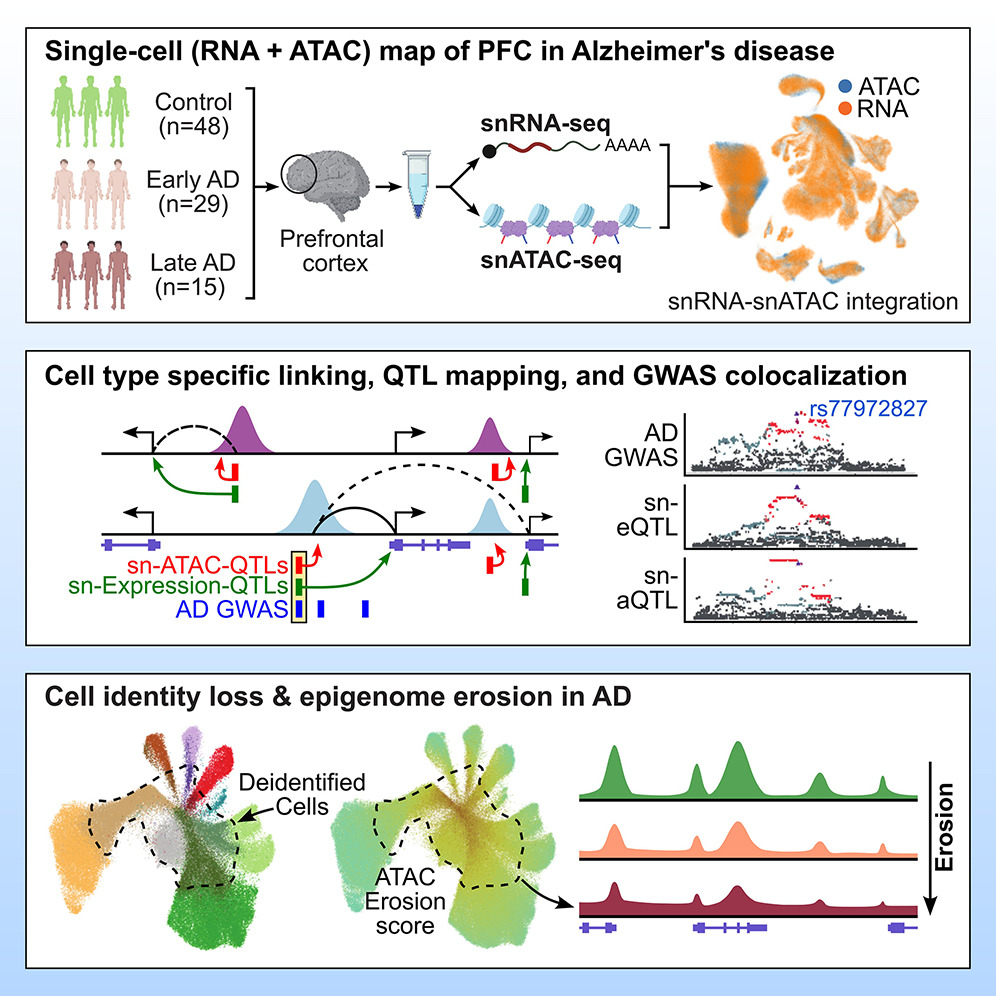
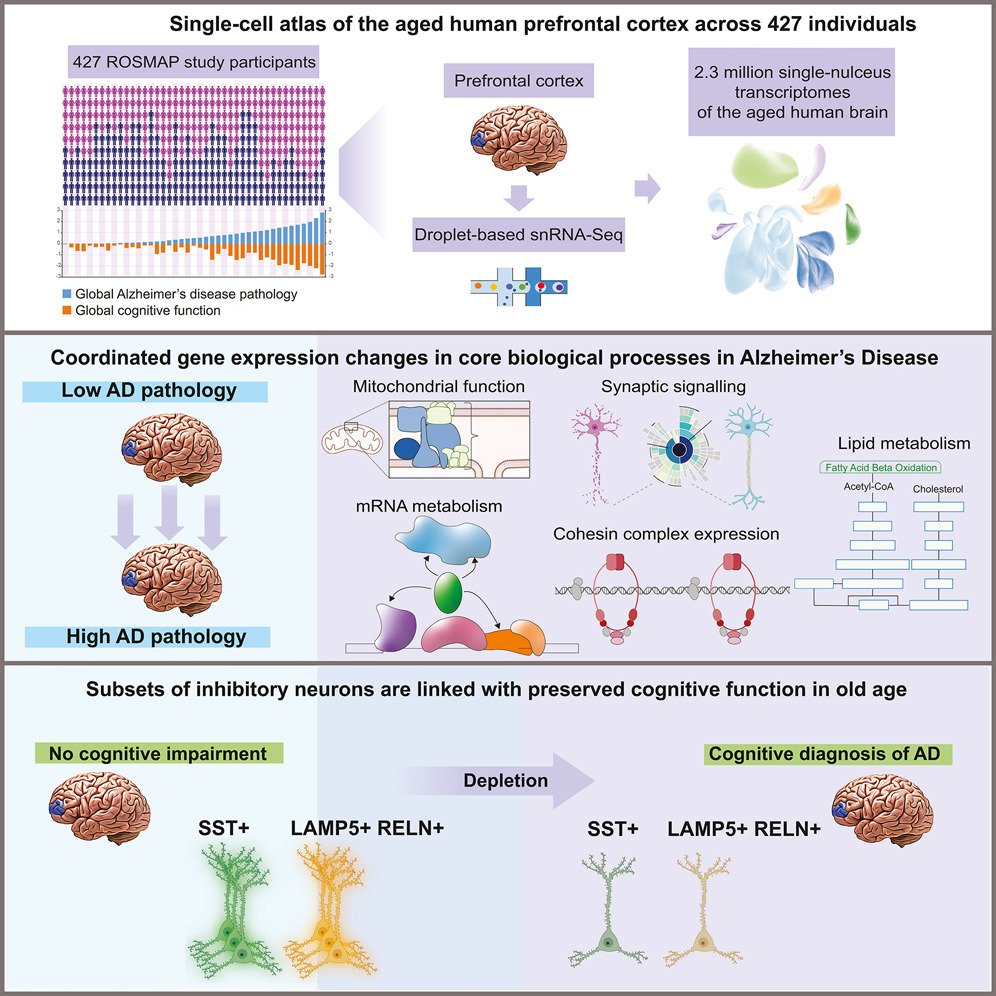
Immensely proud to share our four papers on #SingleCell dissection of #Alzheimers Disease coming out in @CellCellPress today, reporting 2.3M #scRNA profiles and 850k #scATAC profiles across 427 post-mortem human brain samples from AD and non-AD donors in a wonderful #interdisciplinary collaboration with @DrLiHueiTsai between @MIT@MIT_Picower@MIT_CSAIL@BroadInstitute@RushUniversity
Paper 1: scRNA + vulnerability + resilience https://t.co/I7cmizyj9C
Paper 2: scATAC + GWAS + Epigenome Erosion https://t.co/bdtlu9bWDr
Paper 3: Microglia States + reprogramming https://t.co/NzEJF1wY3t
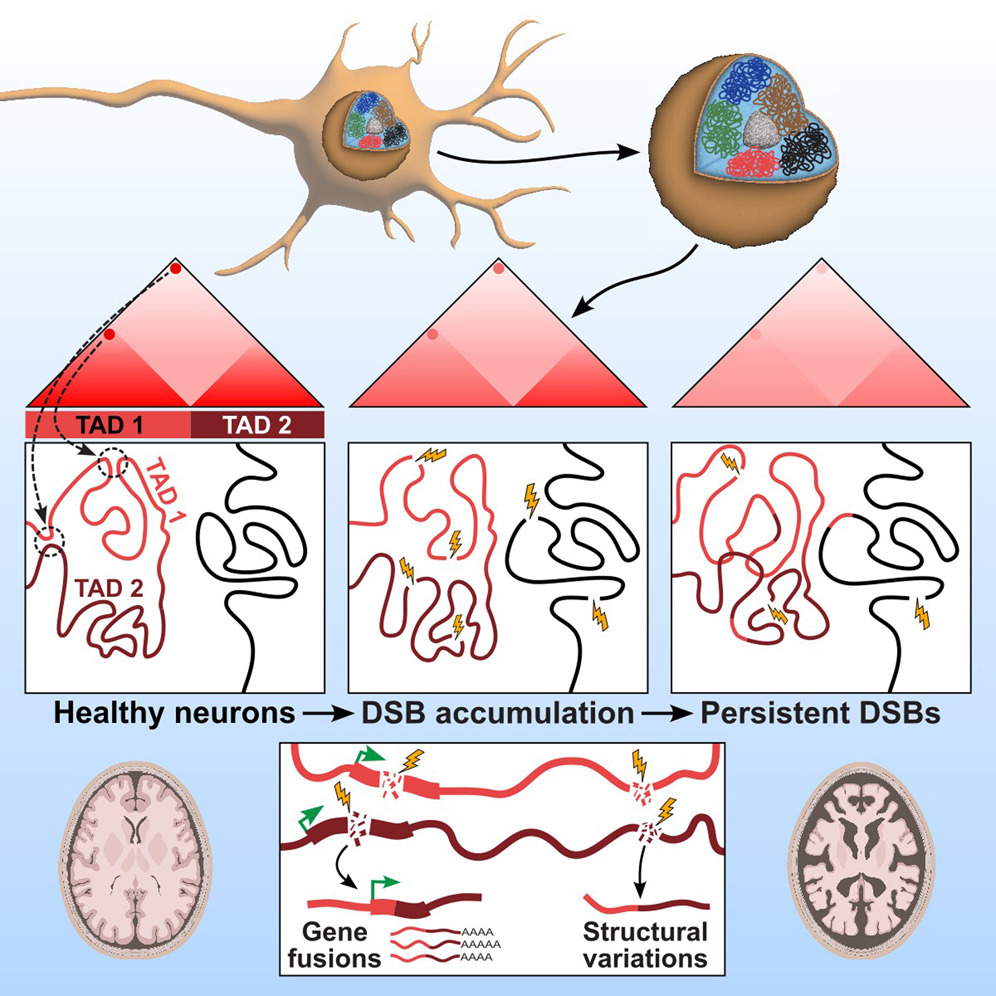
Paper 4: DNA damage + gene fusions https://t.co/hIY1tMMhLo
MIT News: https://t.co/oLDuBBb45S
Issue: https://t.co/Mup3orjhcl
News & Views: https://t.co/xQk5mepDqz
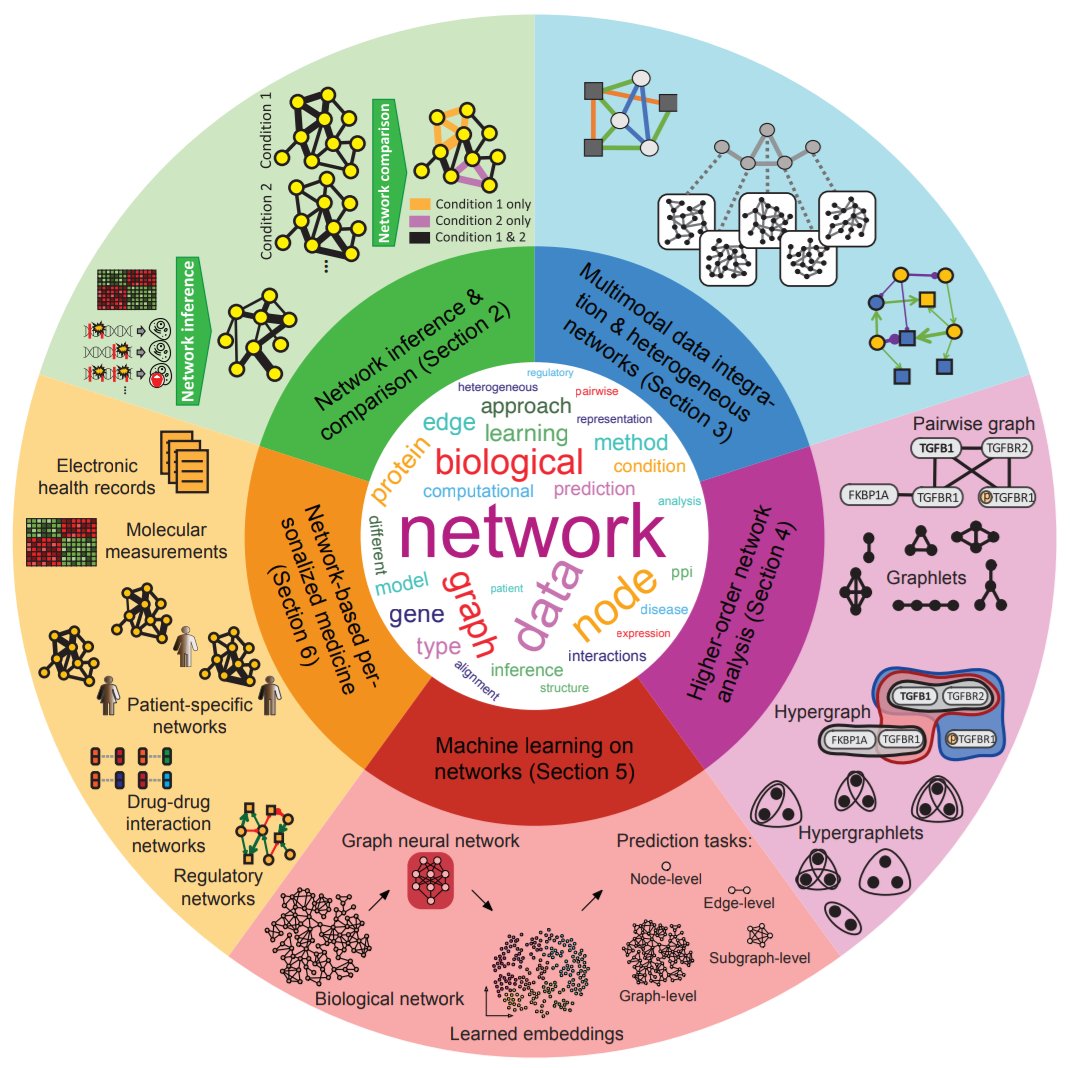
Our review+perspective paper on "Current and future directions in network biology" is online (https://t.co/CbgF5Wir5Z). This has been a Herculean effort by many co-authors, thank you all! Special thanks to @marinkazitnik, @_michellemli, @aydin_wells, and all section coordinators.
The importance of this👇cannot be underscored:
#caner is a unique evolutionary process. tumors are expected to be genetically v distinct.
each tumor = its own world.
Therefore: #scRNAseq analyses of cancer tissue data SHOULD NOT‼️BLINDLY include data integration as 1st step🧵
Top challenges in scDNA-seq data analysis:
1. determining the correct clustering resolution for subclone detection
2. estimating accurate DNA ploidy info of single cells from read depth
3. reconstructing phylogenetic lineages that utilizes both DNA mutations and CNA events
Important questions in single cell RNA analysis:
1. how accurate are cell type frequencies in scRNA-seq or snRNA-seq data?
2. how to remove doublets, can conflicting lineage markers be used?
3. how to not over-integrate data which could also reduce true biological signal