$ASTS I don't know why SpaceX and its investors barely knowing about ASTS can be considered a good thing - they don't care about ASTS because you're not a threat to their business. They'll happily take your launch $ and certainly don't give a flying fig about spying on your "tech" (remember, fewer satellites is a bug, not a feature):
$ASTS
🧵 Let’s discuss the Prisoner’s Dilemma.
Three companies walk into a room. None of them can leave.
Picture three prisoners. Separate rooms. Same deal on the table.
Each one is told: “If you cooperate and the others don’t — you win and you go free. If you all cooperate — you all win a little, and serve a light sentence. But if you’re the only one who doesn’t cooperate… you lose everything.”
This is the Prisoner’s Dilemma. And it’s exactly what’s happening to MNOs right now.
The three prisoners are Verizon, AT&T, & T-Mobile.
The deal on the table? Whether to partner with AST — the only company that can deliver broadband to their customers’ phones, who doesn’t want to compete with them directly.
Verizon already said yes. ✅
AT&T already said yes. ✅
T-Mobile is sitting in that room right now, and the clock is ticking.
But signing the deal is only step one - here’s where the dilemma gets even more brutal: it’s not enough to have ASTS. You have to deploy it aggressively, likely nto your biggest, most valuable customer tier. Because if your competitor does it first — they don’t just win a new product offering, they win a new coverage narrative.
We already have one blueprint - Bell Canada announced satellite connectivity would be included in ALL premium plans — pushing it to their entire premium customer base overnight. A full commercial deployment to their highest-value subscribers from day one.
Think about what that means at scale in the US. Verizon, AT&T, and T-Mobile together have roughly 250 million postpaid subscribers. Even conservatively, 125 million of them are on premium plans. 125 million Americans could wake up with satellite coverage — no new phone, no new SIM, no dish - overnight.
Now put that in the context of the Prisoner’s Dilemma. If AT&T bundles ASTS into every premium plan and runs a campaign: “No dead zones. Included in your plan. Starting now.” — What does Verizon do? What does T-Mobile do?
They don’t deliberate. They don’t form a committee. They call ASTS and ask how fast they can match it. Because they literally all have access to the exact same service offering without differentiation, you either offer it or you don’t.
Because what’s at stake? Premium plan subscribers are the most valuable customers in wireless. Highest revenue per user. Lowest churn. The ones every carrier fights hardest to keep. The carrier that locks in “the coverage carrier” brand with that segment first doesn’t just win Q3, they fundamentally change their trajectory for years.
So the competitive pressure isn’t just to adopt ASTS. It’s to adopt it fast, bundle it broadly, market it loudly, and make switching away feel like giving up coverage itself.
The prisoners aren’t just being forced to cooperate — they’re being forced to outbid each other on how enthusiastically they cooperate.
None of them can afford to say no. None of them can afford to go cheap. None of them can afford to wait. That’s not negotiating leverage for the carriers.
People wrongly assume three giant carriers vs. one small satellite company means the carriers dictate terms. But the Prisoner’s Dilemma doesn’t care about size. It cares about who needs whom more — and what happens to the one who blinks.
ASTS has one negotiating posture and it’s devastating: “We’ll reward whoever moves first, most aggressively, and at the best terms. The other two can watch.” First-mover gets the brand: “We’re the coverage carrier.” The other two spend years trying to claw that back.
So the prisoners cooperate. All three of them. They have to. And they don’t just cooperate — they race to cooperate loudest.
So all at once, overnight, 125 million accounts are creating what, $5, $8, $10 per subscriber per month? $7.5-$15B in revenue created in just the US. Now apply the dilemma to every market.
Three of the largest carriers in America. One satellite provider. Zero exit doors.
The vendor none of them could afford to say no to is about to get paid.
$ASTS
$ASTS: All signs point to AST SpaceMobile
John Stankey’s commentary regarding the new Mobile Network Operator (MNO) Joint Venture (JV) highlights a strategic roadmap that aligns tightly with AST SpaceMobile’s core technological and architectural advantages.
While the JV is positioned to be "operator-agnostic" to foster a robust wholesale market, the underlying physics, spectrum strategy, and network architecture Stankey outlines point directly toward an ecosystem where AST SpaceMobile thrives, distinct from the model used by Starlink.
1. Spectrum Pooling: The Low-Band Efficiency Play
Stankey emphasizes that the JV's primary driver is pooling scarce low-band spectrum and aggregating traffic to avoid industry "bifurcation."
The AST Synergy: AST SpaceMobile’s technology is natively designed to utilize MNOs’ existing, premium low-band terrestrial spectrum (such as 800 MHz cellular bands) directly from space. By pooling this spectrum through the JV, the carriers create a massive, contiguous block of low-band frequencies.
The Starlink Contrast: Starlink’s direct-to-cell strategy heavily relies on dedicated mid-band spectrum (like T-Mobile’s 1.9 GHz PCS bands) or specialized satellite bands. Low-band spectrum is exceptionally scarce and highly regulated; by aggregating it, the JV builds a unified pool that perfectly matches AST's capability to process broad, tunable MNO low-band frequencies. This allows for massive macro-cell coverage from space that standard smartphones can seamlessly connect to without hardware modifications.
2. Deep Integration vs. Standalone Roaming
Stankey repeatedly states that satellite must be a "natural extension" of the existing network, ensuring a customer experiences 0.5% of their time on satellite identically to the 99.5% they spend on the ground. He explicitly notes the goal is to deliver traffic into "separate operating mobile cores."
[Standard Smartphone]
│
▼ (Terrestrial Low-Band Spectrum)
[AST SpaceMobile Satellite]
│
▼ (Shared Ground Station / Gateway)
[MNO Core Network] (AT&T / Verizon / T-Mobile)
The Architectural Fit with AST: AST SpaceMobile operates essentially as a "cell tower in space." It does not dictate the network core or require a separate routing protocol. Instead, it mirrors the MNO's land-based architecture, passing the signal directly down to the carrier's core infrastructure. Stankey's insistence on a seamless customer experience where the phone "doesn't drop off networks" fits this exact blueprint.
The Starlink Contrast: Starlink functions fundamentally as a separate, proprietary satellite network. For an MNO to use it, the relationship is structurally closer to a traditional roaming agreement or a Mobile Virtual Network Operator (MVNO) setup, where traffic passes through SpaceX’s proprietary system first. Stankey explicitly noted the JV is designed to avoid bottlenecks where "any particular single provider... can dictate what that pricing is," pushing instead for a shared, open-standard architecture that aligns with AST's wholesale model.
3. Shared Ground Infrastructure and Unified Software IP
A massive piece of Stankey’s argument revolves around the inefficiency of building ground station infrastructure "three times over." The JV aims to build a unified ground station framework that routes into separate mobile cores.
Unified Gateway Integration: By standardizing the interface between the space-based phased arrays and ground gateways, the JV drastically reduces the capital expenditure required to deploy direct-to-device services. Because AST SpaceMobile focuses on being a wholesale technology enabler rather than an end-to-end consumer network provider, they can plug directly into this unified ground-station architecture.
Cohesive Standards: Stankey mentions that the carriers each have "a little bit" of software IP developed for heterogeneous networks. Merging this IP under a single JV allows the carriers to dictate the exact technical specifications for how satellites hand off signals to ground networks. AST’s highly flexible, tunable, and software-defined payload architecture is uniquely positioned to adapt to these unified MNO standards, whereas more rigid, proprietary constellations require the carriers to bend to the satellite operator's architecture.
🚨🚨🎙️| Patrice Evra: “Watching Arsenal is like watching Netflix, you always wait for next season.” 🔙
Well… Arsenal finally dropped the season finale
Premier League ✅
Champions League ⏳
😭🏆
I’m in love with this sentence:
“The degree to which a person can grow is directly proportional to the amount of truth he can accept about himself without running away.”
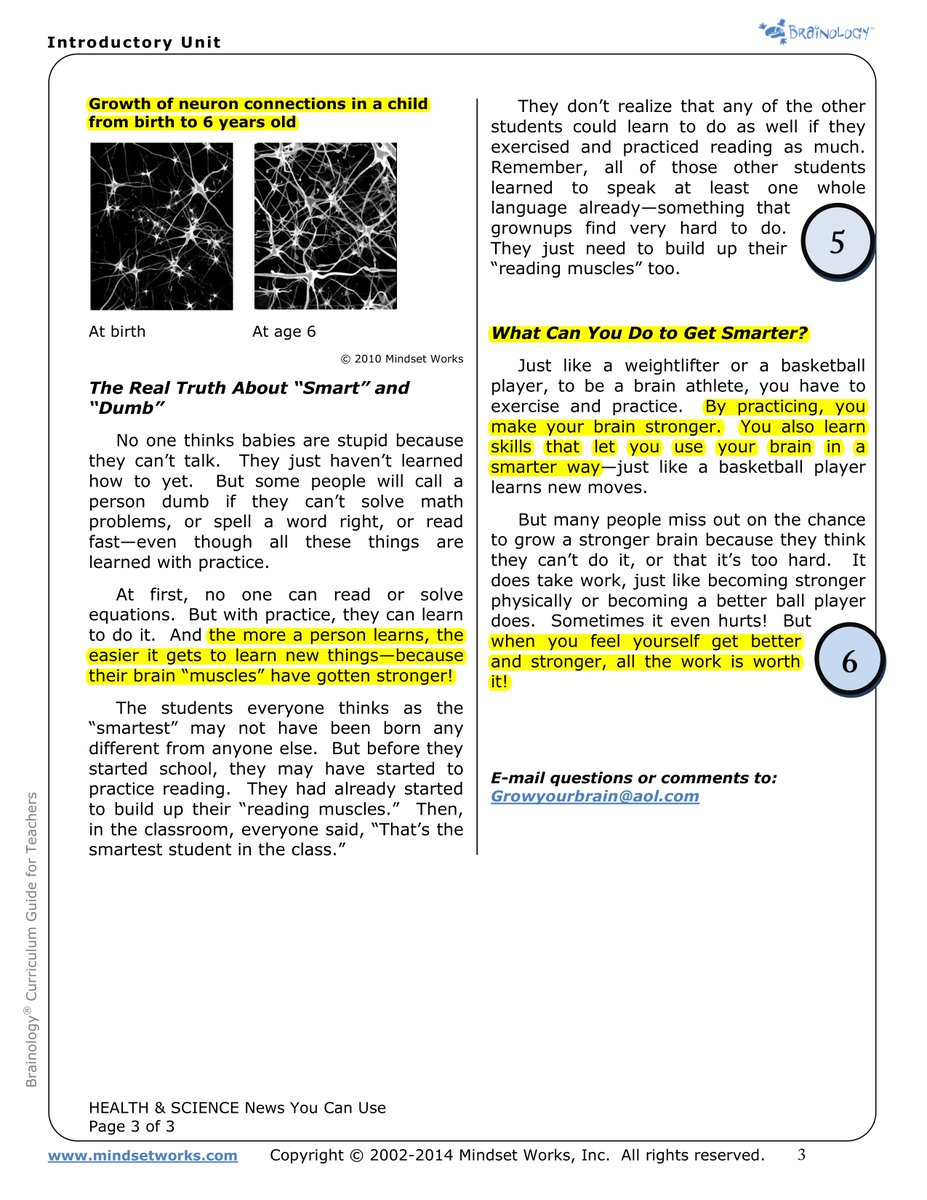
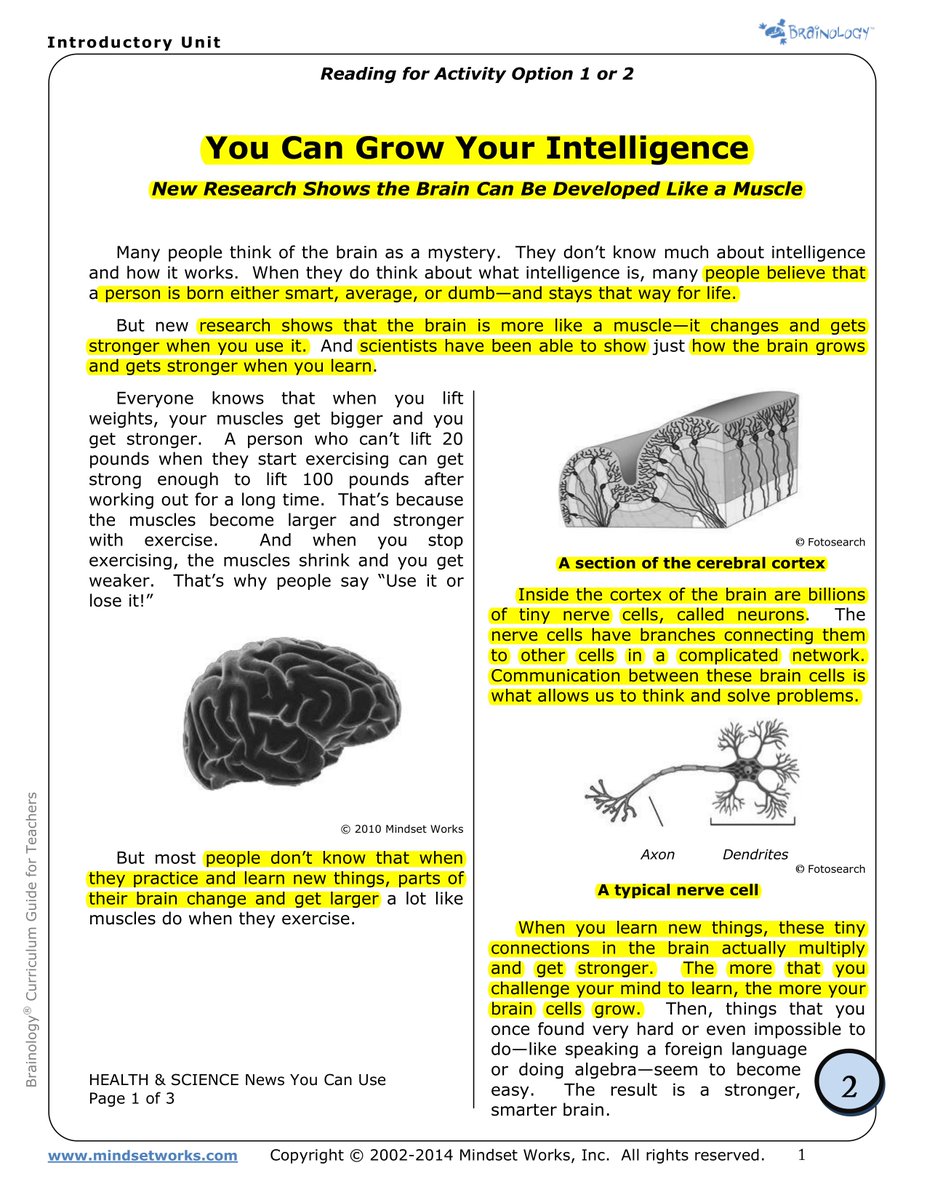
Practice rewires your brain.
Practice rewires your brain.
Practice rewires your brain.
Practice rewires your brain.
Practice rewires your brain.
What feels difficult today can feel automatic tomorrow.
BREAKING: LANDMARK PEER-REVIEWED STUDY FINDS VACCINATION IS A MAJOR RISK FACTOR FOR AUTISM
We found 79% of studies evaluating vaccines or their components (107 of 136) reported evidence consistent with a vaccine–autism link.
After DECADES of censorship and denial, our 50-page analysis of more than 300 studies provides one of the most comprehensive syntheses to date on the possible causes of autism.
The paper is now officially PEER-REVIEWED and PUBLISHED in the Journal of Independent Medicine.
Autism’s rise is multifactorial—but routine childhood vaccination emerged as a MAJOR modifiable risk factor within the broader causal framework.
We found potential determinants of new-onset autism before age 9 to include:
👵 Older parents (>35 years mother, >40 years father)
👶 Premature delivery (<37 weeks)
🧬 Common genetic variants
🧩 Siblings with autism
🔥 Maternal immune activation
💊 In utero drug exposure
☣️ Environmental toxicants
🦠 Gut–brain axis alterations
💉 Combination routine childhood vaccination
Of 136 studies evaluating vaccines or their components:
➡️ 107 (79%) found evidence consistent with a vaccine–autism link
➡️ 29 reported “no association,” yet lacked unvaccinated controls and were riddled with major flaws
➡️ 12 studies comparing fully vaccinated vs. completely unvaccinated children found every time that the unvaccinated had superior overall health outcomes and substantially lower autism risk
Biologic mechanisms converged on shared pathways—including immune dysregulation, mitochondrial dysfunction, and neuroinflammation—triggered by clustered and early-timed vaccination during critical windows of brain development.
By evaluating all known risk factors side by side, this analysis uniquely clarifies the relative contribution of vaccination compared to genetic and environmental domains. No prior review has attempted this integrative scope without excluding positive vaccine-association studies or unvaccinated controls—an essential step in determining whether vaccines truly play a role in autism risk, and if so, how significant that role may be within the broader causal landscape.
This publication represents a major breakthrough through the longstanding censorship imposed by the Bio-Pharmaceutical Complex on the issue of vaccination and autism. It also marks Dr. Andrew Wakefield’s first major return to the peer-reviewed scientific literature in years—after enduring decades of attacks from the vaccine cartel.
CONCLUSION:
The totality of evidence supports a multifactorial model of ASD in which genetic predisposition, neuroimmune biology, environmental toxicants, perinatal stressors, and iatrogenic exposures converge to produce the phenotype of a post-encephalitic state.
Combination and early-timed routine childhood vaccination represents a significant modifiable risk factor for ASD within a broader multifactorial framework, supported by convergent mechanistic, clinical, and epidemiologic findings, and characterized by intensified use, the clustering of multiple doses during critical neurodevelopmental windows, and the lack of research on the cumulative safety of the full pediatric schedule.
@McCulloughFund@P_McCulloughMD@DrAndyWakefield@Honest_Medicine@CPriceRogers@KirstinCosgrove@NathanMeadPhD@BreCraven_PA@MilaLRad
This is it.
Everything learned spending millions on longevity.
From: Your Immortal Unc and Auntie.
To: Our Immortal nieces and nephews.
0. Sleep is the world's most powerful drug.
1. Be in your bed for 8 hours
2. Same bedtime every night, any time before midnight
3. Don’t eat right before bed
4. Calm foods for dinner
5. No screens 1 hour before bed
6. Avoid added sugar (be aware it’s in everything)
7. Avoid all things in an American convenience store
8. Avoid fried foods
9. Shoes off at the door
10. Eat whole foods, particularly veggies fruits nuts legumes berries
11. Walk a little after meals or air squats
12. Get your heart rate high routinely
13. Lift heavy things
14. Stretch daily
15. Water pik, floss, brush, tongue scrape, morning and night
16. Make an effort to drink water
17. Get sunlight when you wake up (UV is low)
18. Protect skin in midday sun
19. Stand up straight
20. See at least one friend once a week
21. Avoid plastic where you can (in all things)
22. Circulate air in rooms
23. When stressed, breathe, learn to calm your body
24. Go to the dentist
25. Avoid sitting for long times
26. Protect your hearing, the world is too loud
27. Alcohol is bad for you
28. Finish coffee before noon
29. Avoid bright lights after sunset
30. If obese, look into a GLP
31. Sleep in a cold room
32. Texting while driving is dangerous
33. Turn off all notifications
34. Limit social media use
35. Don’t smoke anything
36. If you struggle to sleep, read a physical book before bed
37. 1 hour before bed have a calm wind down routine: bath, read, light walk, listen to music
38. The body is a clock and loves routine. Have a daily morning and evening schedule.
39. Avoid long distance travel where you can
40. Baby steps first: incorporate new things slowly
41. Do less… most things don’t work.
Bonus points if you get your blood checked.
Start here, it will change your life.
In short, the 14 stocks positioned to benefit from Trump's executive order are:
Off-Grid Power:
1) Bloom Energy (BE) - up 105%
2) Oklo (OKLO)
3) Cameco (CCJ) - up 30%
Grid Builders:
4) Quanta Services (PWR) - up 43%
5) Mastech (MTZ) - up 77%
6) Argan (AGX) - up 113%
7) Comfort Systems (FIX) - up 75%
Electrical Components:
8) VICR - up 175%
9) Powell Industries (POWL) - up 110%
10) Vertiv (VRT) - up 64%
11) TTM Technologies (TTMI) - up 134%
12) Advanced Energy (AEIS) - up 82%
Metals:
13) Century Aluminum (CENX) - up 93%
14) Alcoa (AA) - hasn't moved yet, but has a potential for a second entry
Thread explains exactly what each company does and why they're winning gov. contracts:
🚨 BREAKING: The richest man in the world says most people think by analogy... copying what already exists. He thinks by first principles... rebuilding from the ground up.
Elon Musk applied first principles to rockets, electric cars, and brain interfaces. Each time, experts said it was impossible. Each time, he proved them wrong.
The method isn't complicated. But almost nobody actually uses it.
I turned first principles thinking into 10 Claude prompts.
You describe any problem, any challenge, any "impossible" goal... and it strips away assumptions to show you what's actually true.
Here are all 10:
Brian still spends over two hours a day on recruiting and personally hires the top 200 people at Airbnb.
I loved this idea of being in the flow of talent to find the best people:
"Don't do searches. Build pipelines. I try to map out all the best people in the Valley.
So let's say I need to hire really good engineers. I don't do searches. I just informationally meet the best engineers in the world. Every meeting, the job is to get the next meeting, meet someone else.
The mistake people make when they hire. They go, "I need to hire a blank." So they hire a search firm. They give you 50 profiles, and you pick the best one. That is the wrong way to do it.
The best way to do it is pipeline recruiting. You're constantly recruiting, you're constantly meeting people. in advance of searches. And all of it is referral based.
The two ways to find out if people are good – is to start with the results and work backwards to the people.
Find an ad you like and figure out who made that ad. Start with the results. Work backwards to people. Don't start with the resume.
The other thing to do is just keep asking people to build your Rolodex. The moment I find somebody that's really good, I ask them who all the best people they know are.
And I build these little mafias and they tell you who the other good people are.
I am the co-hiring manager for the top 200 people in the company. This is very radical. A lot of CEOs think it's their job to hire their executive team, and their executive team hires their team. I think that is fatal.
You always want to be marrying up, hiring people of the future. It should be like we're reaching. If you can hire them without my help, we're not reaching far enough. You want to hire the very best person you can."
20 stocks to LOAD when SPY crashes 10%-20% in May. These will be all on sale (wait for buy zones):
$ASTS — $75
Buy Zone: $50–60
Why: Prior breakout level + strong demand zone, institutions defend
$IONQ — $43
Buy Zone: $25–29
Why: Previous consolidation base after explosive quantum momentum run
$RGTI — $16
Buy Zone: $10–12
Why: High beta pullback into prior accumulation before parabolic move
$BE — $230
Buy Zone: $120-130
Why: Strong support from prior earnings gap and demand cluster
$LWLg — $12
Buy Zone: $8–9
Why: Microcap liquidity pocket where buyers previously stepped aggressively
$EOSE — $7
Buy Zone: $3.8–4.5
Why: Deep value zone near long-term base and accumulation
$HOOD — $82
Buy Zone: $60–65
Why: High volume node from prior consolidation before breakout
$COIN — $195
Buy Zone: $140–150
Why: Bitcoin correlation support + prior institutional accumulation zone
$MU — $505
Buy Zone: $320-330
Why: AI memory demand support with strong earnings-driven floor
$GOOGL — $345
Buy Zone: $290–300
Why: Mega-cap support aligned with long-term trend and funds rotation
$AAPL — $270
Buy Zone: $235–245
Why: Strong demand zone from prior base and institutional buying
$META — $672
Buy Zone: $540–550
Why: Momentum reset into prior breakout with heavy institutional support
$MSFT — $420
Buy Zone: $360–370
Why: AI leader with strong support near previous consolidation range
$AMZN — $257
Buy Zone: $200–210
Why: Retail + cloud support zone with consistent buyer interest
$TSLA — $373
Buy Zone: $300–320
Why: High volatility reset into major demand and prior breakout
$SNDK — $1040
Buy Zone: $600–650
Why: Premium valuation pullback into institutional accumulation zone
$SIVE — ~ 30
Buy Zone: 16–18
Why: European small cap resets into base with asymmetric upside
$WOLF — $28
Buy Zone: $16–18
Why: Semiconductor cyclic bottom range with prior strong demand
$INTC — $81
Buy Zone: $55-60
Why: Turnaround narrative support with heavy long-term positioning
$AMD — $317
Buy Zone: $230–240
Why: AI chip demand pullback into high conviction accumulation zone
Remember, when Jerome Powell became the FOMC chair in February 2018, SPY crashed 4% in 1 day. The new FOMC chair Kevin Warsh comes in on May 15, 2026.
♻️RESHARE this post and share 1 comment for my list of PRICE TARGETS for May. Ill post it later this week for you.
This is Jeff Bezos’s favorite book.
He’s reread it for 27 years.
It created his famous decision-making model that helped him build his 200B+ Amazon Empire.
Here are 7 lessons from “The Remains of the Day”: