Our Current Treatment Algorithms section provides an expert outline for treatment of hematologic malignancies.
See Myeloma algorithm by @VincentRK@myelomaMD@MayoCancerCare@MayoClinic#BCJ
Experts interested in being an author should contact editors. https://t.co/m66dLDMkUk
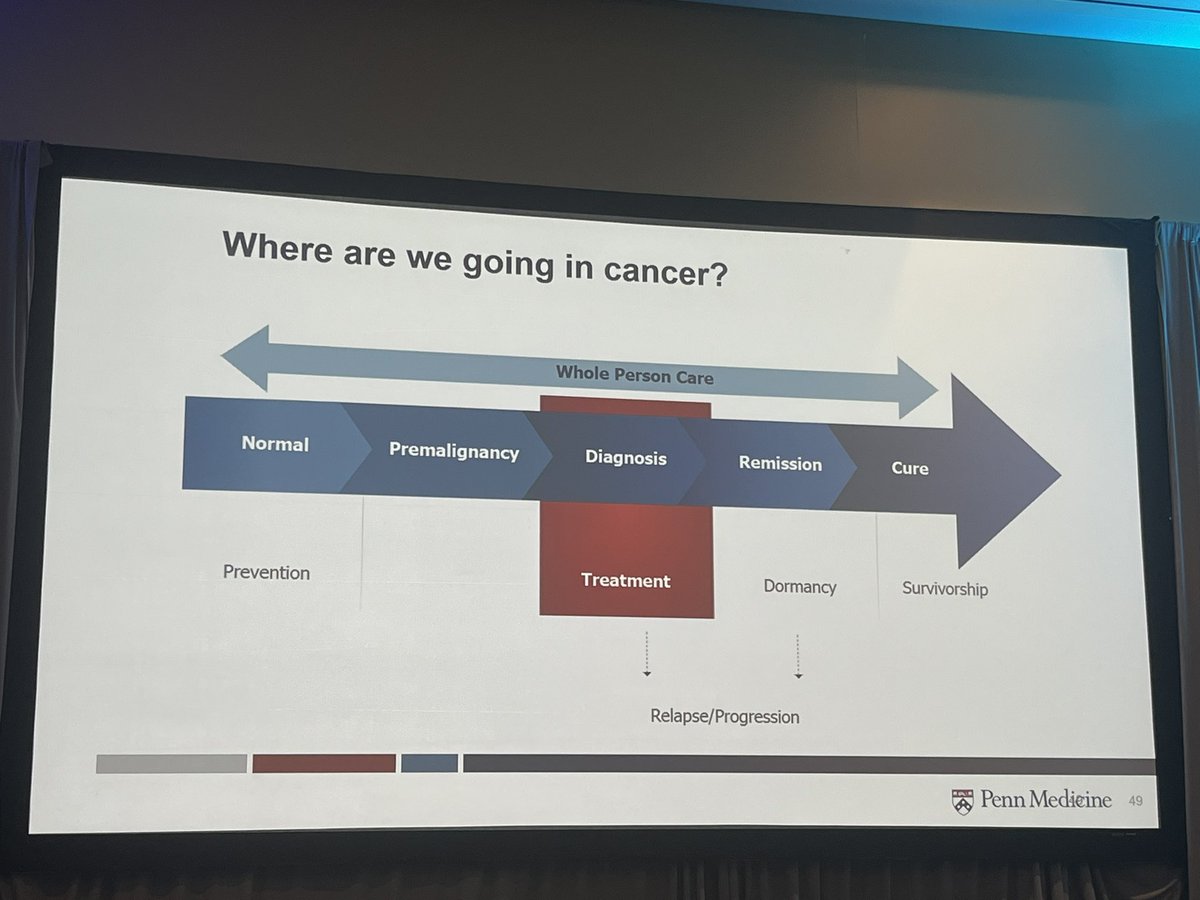
Listening to @EZerhouni1 former Director of NIH this morning as VOA meeting.
The first slide! 100% truth. Unlike math and physics we are a 100 years away from understanding human biology. See thread for implications.
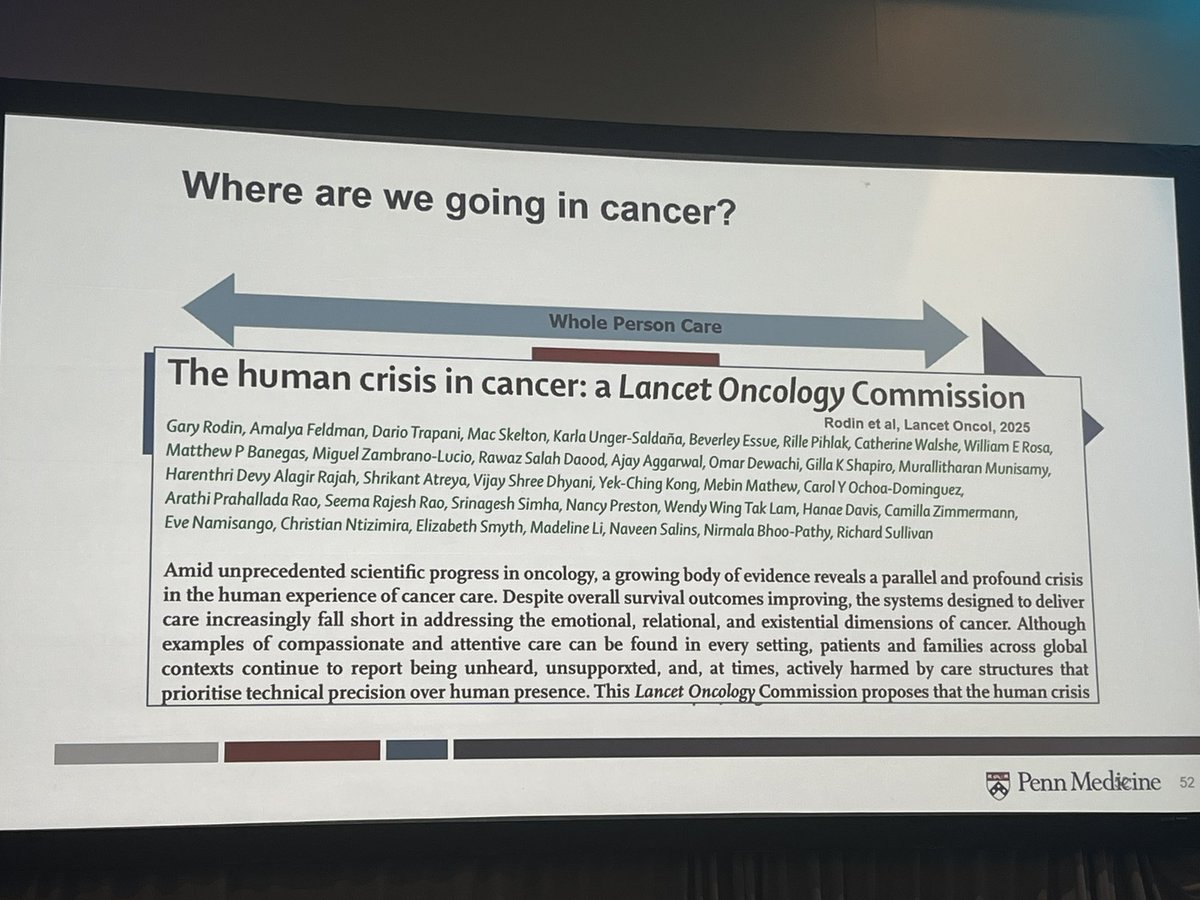
Fantastic to watch @eaonc general session with amazing speakers @AACR_CEO & other leaders sitting next to @VincentRK who has transformed the field in multiple myeloma! Always inspired to be with global leaders as we work together to create vision & move field forward @OncoAlert
I would like more academic oncologists and clinical investigators to lead RCTs or at least help accrue to RCTs. We hear a lot of critiques. But when it comes to implementation we struggle to accrue nationally to most oncology phase III trials.
We are also struggling with just getting investigator initiated oncology phase III trials off the ground.
If you're not in medicine, you might not know @UpToDate . Almost every physician does, almost everywhere in the world, and directly or indirectly, all of us have benefited and continue to benefit from it.
The same is true of its 7,500+ contributors. Many started their careers relying on it and later wanted to give back.
Below is one example: an inside story from Dr. Vincent Rajkumar, one of the clinical contributors behind it.
BCJ emails will come from [email protected]
Someone is impersonating the journal and its editors and sending emails asking for funds. Delete, mark as spam and report to Google or whichever email provider the email originates from.
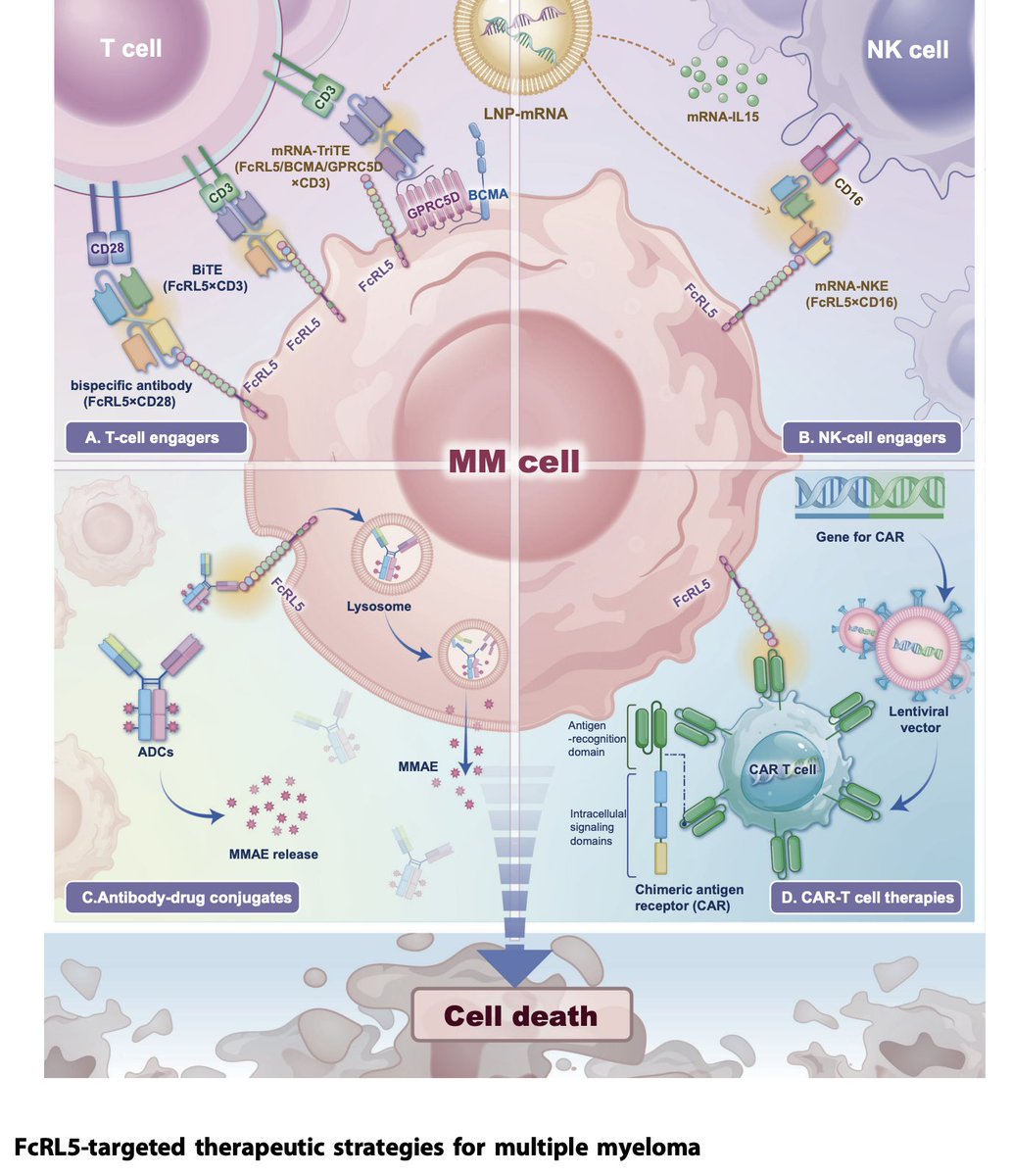
Targeting FcRL5 in multiple myeloma: biological rationale and strategic sequencing beyond BCMA and GPRC5D [Oct 9, 2026] Fu et al. @BloodCancerJnl https://t.co/7vePlVapg7
#mmsm#PrecisionMedicine
It’s hard not to roll my eyes when I hear the term “Future of Healthcare”
The past, present, and future of what patients need and want has always been the same. The desire, the means and ways to maximize profit has changed and is changing. What patients want and need has not.
It’s hard to be joyful about the “future of healthcare” when it is steadily becoming harder for patients to access good quality care. Outcomes have improved for many diseases as we have better and highly effective treatments, but access (getting in the door) and affordability have not.
We should focus on the needs of patients and the public. If fancy tech and AI maximize profits but don’t do that, it’s not something I can be proud of.
Three things I recommend for using Bispecific antibodies in myeloma:
1) Prophylactic tocilizumab with first dose
2) Monthly IVIG regardless of the IgG level
3) Consider reducing frequency/stopping after excellent response.
This applies to all the approved bispecifics: teclistamab, elranatamab, linvoseltamab, and talquetamab.
Academic centers with expertise and close monitoring capabilities may skip the prophylactic tocilizumab but in general I do not see community adoption without it.
The data on routine IVIG and early use before the IgG levels drop or infections occur is good and sufficient to move forward. It’s recommended in NCCN and mSMART. Bispecifics are better at controlling myeloma than standard triplets and quads, but pose a much higher risk of serious life threatening infections without prophylaxis and careful adjustment of dosing schedule based on response and patient characteristics.
#IMS26
Here are the top 5 of my papers that I’m most proud of. Residents and young faculty and those interested in academic medicine may gain some insights on learning how these papers came to be and what kind of resources and preparation is needed if you want to pull off these type of studies and trials.
I’ve added a few lines about how each paper came to be, and why I consider them important. All of this represents team work not individual.
1. Clinical course of Smoldering Myeloma (SMM). @NEJM 2007
This paper established the natural history of SMM, risk factors, and provided the foundation to embark on early intervention trials. It’s cool to be last author on a paper with Bob Kyle as the first author! Working with him I watched and learnt how meticulous and careful you have to be with any kind of research. He called and verified the status of every patient in the cohort.
To do this type of study you need a large cohort of patients with very long follow up on a disease that not much is known about natural history or prognosis. I was lucky to work with Dr. Kyle and have this database.
Forgotten myeloma history series #1
I see PANGEA and other models to predict risk of progression in smoldering myeloma based on evolving changes in M protein and hemoglobin during follow up.
But sometimes history is forgotten. We showed this 10 years ago almost to the date. Our model is the simplest and doesn’t need calculators:
0.5 gm/dL increase in M protein occurring concurrently with 0.5 gm/dL drop in hemoglobin qualifies as high risk SMM with >80% risk of progression in 2 years.
If the marrow is 20% or more, the risk is >90% in 2 years.
@PrafulRavi1@Leif_Bergsagel@Rfonsi1@BloodCancerJnl
https://t.co/jqoSbXbfzH
WNK2 oncogenicity revealed by the discovery and functional characterization of novel gene isoforms in MYD88 mutated Waldenström’s Macroglobulinemia | Blood Cancer Journal https://t.co/ApZUT5CUxY
Genomic landscape, clinical correlates and prognostic implications of U2AF1 mutation subtypes in myelodysplastic neoplasms | Blood Cancer Journal https://t.co/aLC3aFUogy
Preclinical and clinical efficacy of the HDAC6 inhibitor ricolinostat in combination with BCR pathway inhibitors in relapsed/refractory chronic lymphocytic leukemia | Blood Cancer Journal https://t.co/sTGufVXi9W