Our work "A renewable and socially accepted energy system for astronomical telescopes" led by Guillermo Valenzuela-Venegas at @UiO_ResearchMN during the #AtLAST design study has been published by @naturesustainab@HorizonEU https://t.co/sR75HEx4b9
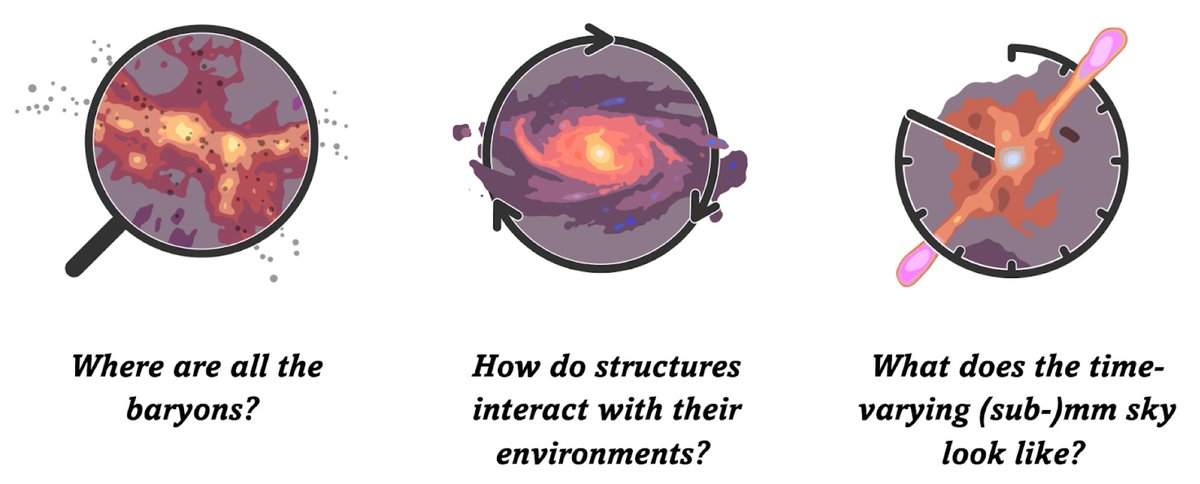
Over the past years, a team of ~100 astronomers from around the world worked to hone the science cases for #AtLAST. The result is a compendium of eight white papers and an overview report. Read more about them and find all the relevant links here: https://t.co/xWCQJXuZjM
VPHAS+ r-band HiPS is now available at https://t.co/nVxQRb9Oyi
4 filters of VPHAS+ are now published as HiPS. You can visualize them, combine them. Here is a RGB composite from H-alpha, i and r bands.
Now that the news is sinking in. A little more about @HorizonEU project AtLAST2: start in 2025, 20 partners from 3 continents, strengthened global cooperation, prototyping and testing on SRT and APEX of new telescope and renewable energy system technologies
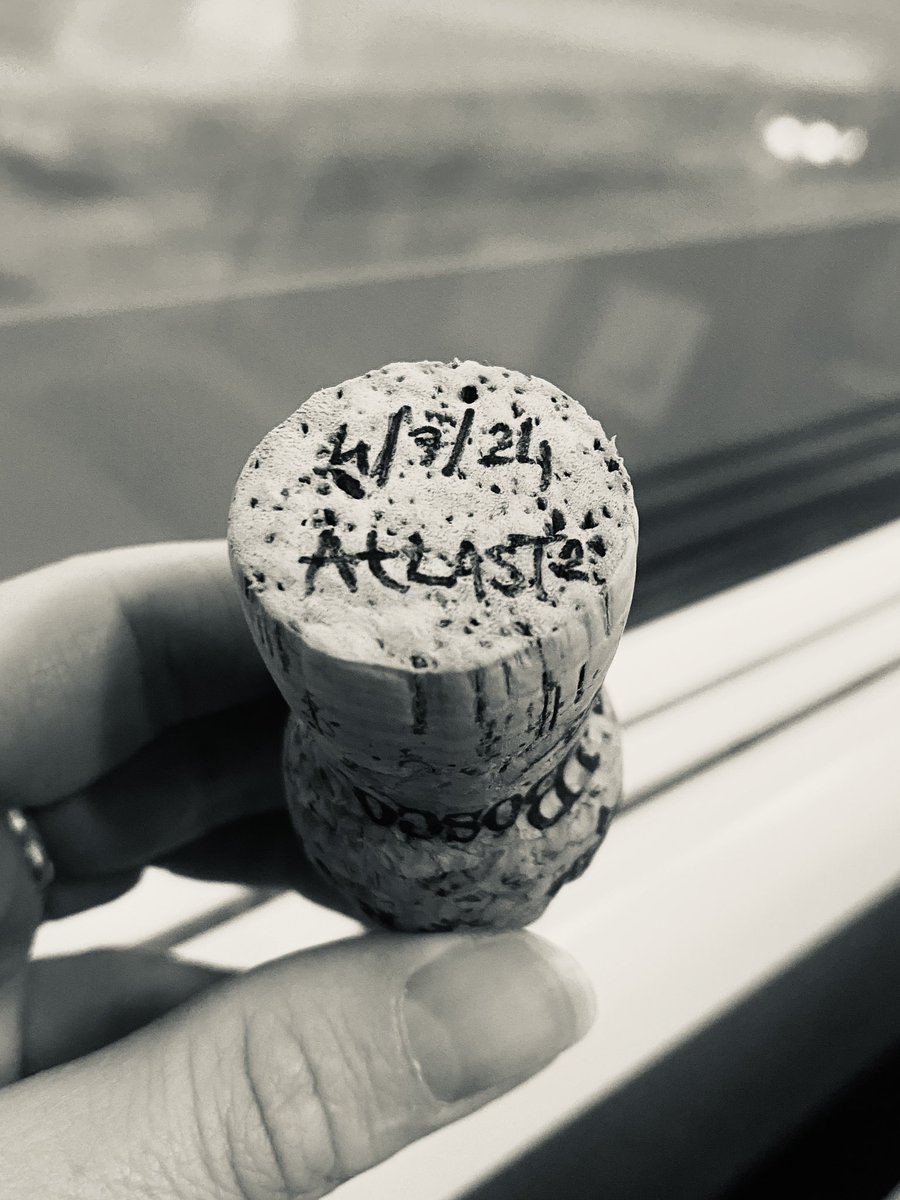
We just received the news that the #EU has approved our new grant proposal for the post-design study phase of #AtLAST 🍾🥳 We are extremely excited for the next phase! It’s amazing to receive this news while many of us are meeting at the #EAS2024Padova
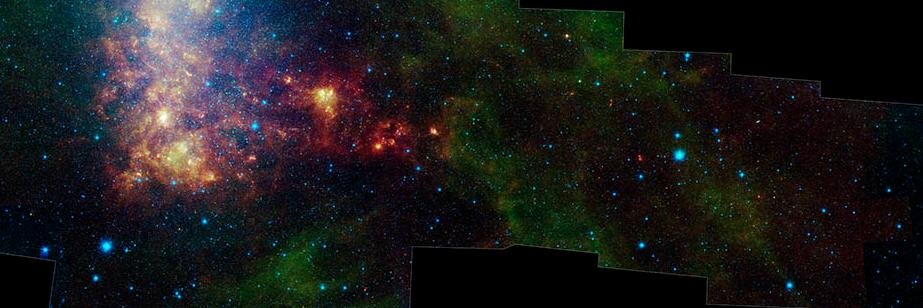
Caroline Bot making the case for studying the whole ISM of the LMC and SMC at the unique resolution of sub-pc with AtLAST - the two dwarf satellites of the Milky Way are even visible in the AtLAST logo
We are delighted that Prof. Amélie Saintonge will join our team as director and head of the new research department on Star Formation and Galaxy Evolution. 🙌
https://t.co/4eWBOINQuS
Congratulations to @VioleIsabelle for a successful PhD defense! Dr Viole’s PhD, funded by the #Horizon2020#AtLAST design study, is the first study of a renewable energy system for a large astronomical infrastructure. Isabelle has contributed enormously to the AtLAST project
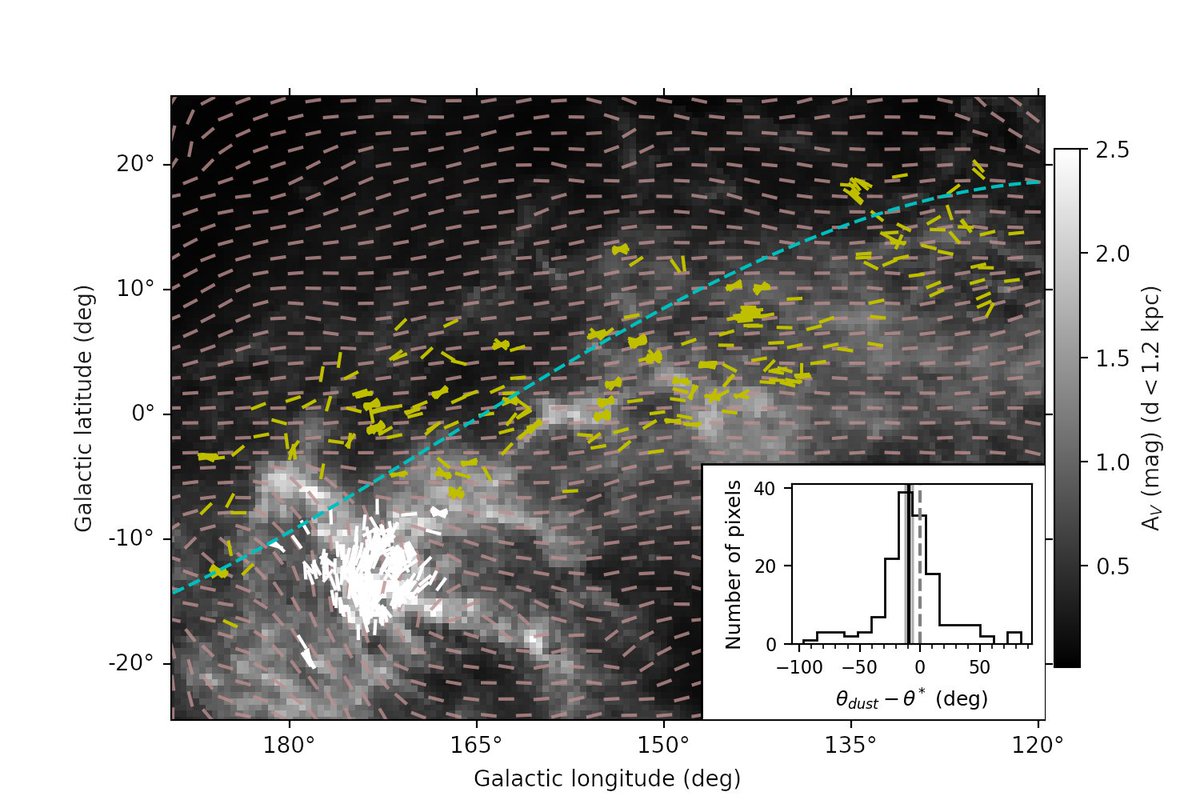
#PaperDay My colleague Gina Panopoulou led a study of the Radcliffe Wave's magnetic field using starlight polarization and invited me to give my two cents on its comparison with the observations from Planck https://t.co/WWqtK2Arqd
Le collège Codes sources et logiciels du Comité pour la #scienceouverte, collecte des avis et des propositions pour un projet de catalogue de logiciels.
Compléter l'existant ou proposez des profils manquants jusqu’au 10 juillet 2024
https://t.co/5jkcZbs41U
#logiciellibre
The #AtLAST design study is drawing to an end. More than three years of work encapsulated into a four-day conference, summarised in a nice, all-inclusive news item: https://t.co/hUtnThHuT2
And yet, a lot more is still to come. The future is bright, and not only in the submm 😁
We wrap up the “#AtLAST Design Study: results, science, and next steps” conference, held at Johannes University Mainz from 21 to 24 May with something of a melancholic feeling but also with excitement about the future https://t.co/i7oOWohLEo