Excited to present our latest work “Cell class-specific electric field entrainment of neural activity” spearheaded by the amazing @braincircuits 1/N https://t.co/VI2hIM3awO
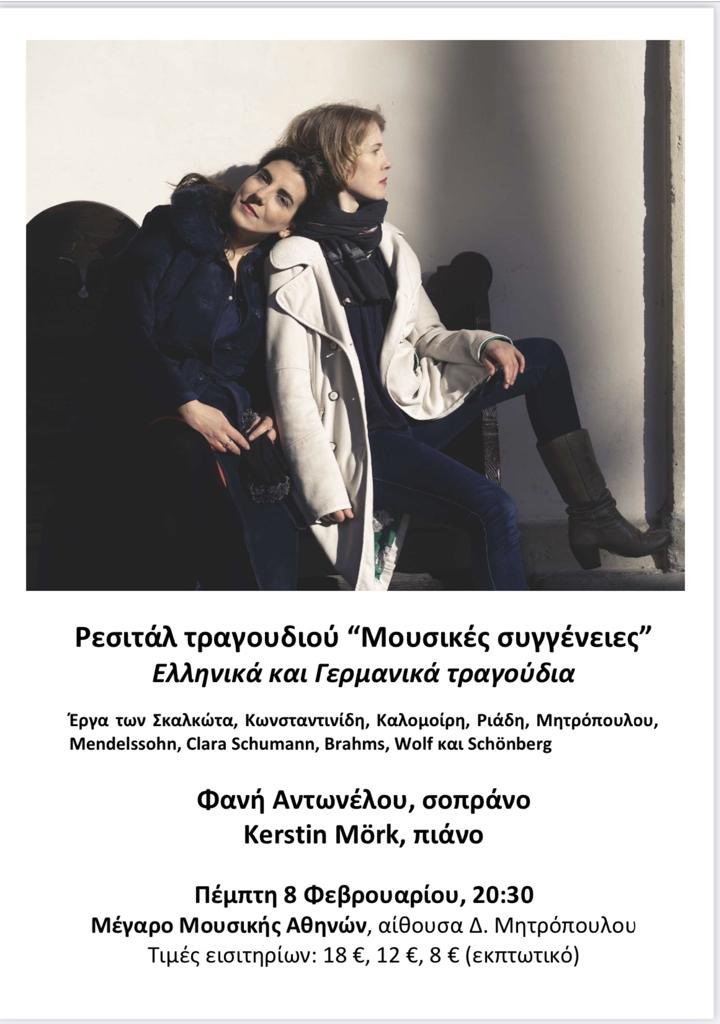
#ClassicalMusic friends in 🇬🇷 do not miss the recital by soprano @fanieantonelou (https://t.co/5mwE8TIYlr ) and pianist Kerstin Mörk (https://t.co/WQ9lh1o61H) at the @MegaronAthens on February 8. #classical#music https://t.co/5mTDvt5Nkf
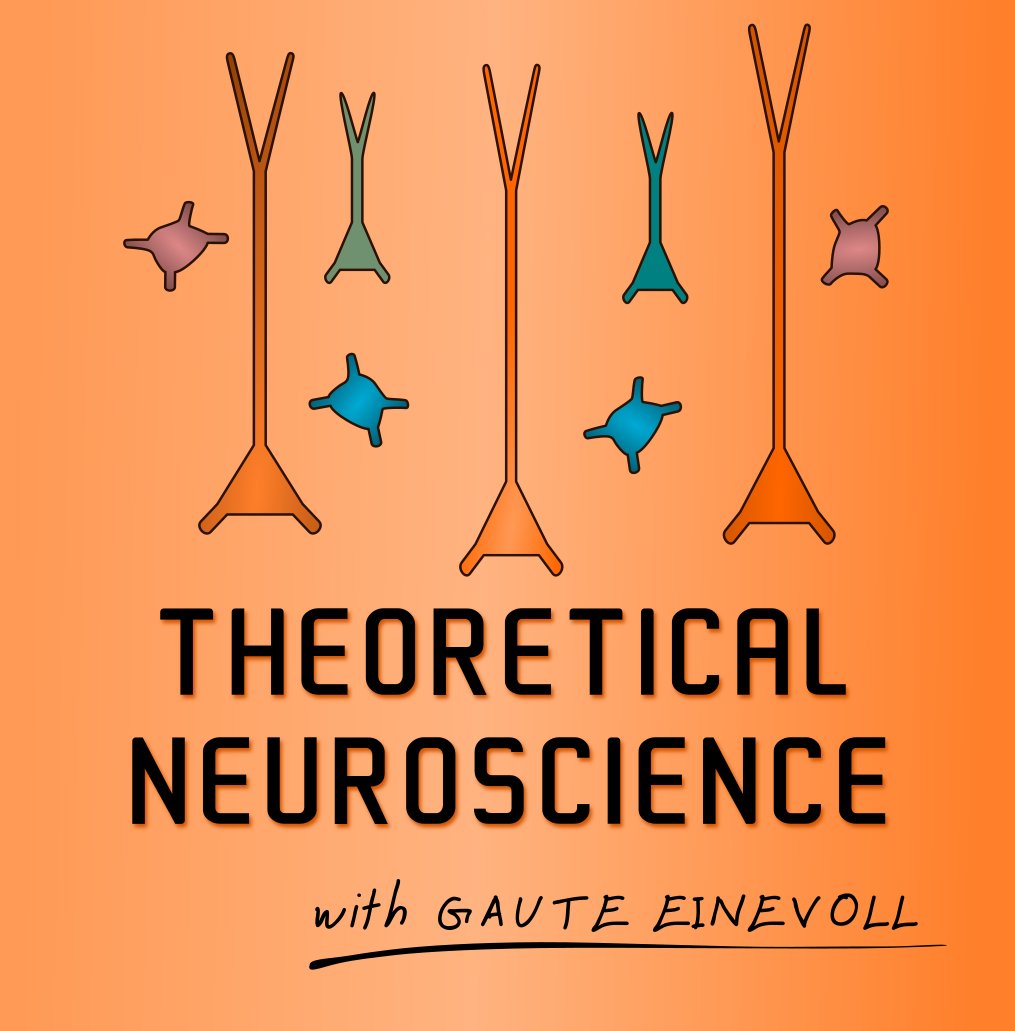
My new podcast #TheoreticalNeurosciencePodcast is offically launched: https://t.co/rR5dHjJ7qw .
In the inaugural episode (Episode #1) Grace Lindsay @neurograce talks about her excellent popular computational neuroscience book "Models of the Mind": https://t.co/XX17woOgU0
Happy to see this out of the door ‼️ We present “Associations between in vitro, in vivo and in silico cell classes in mouse primary visual cortex”
https://t.co/w4DlvOLkb0
🧵 1/N
@IvanAlekseichuk@BrainCircuits Thanks Ivan. First , cell class is (also) defined by how cells spike (or respond to current injection), eg fast spikers also come with tight width. And, how cells respond to ES (level of entrainment, phase, etc.) even for the “right” ES frequencies depends again their type.
Excited to present our latest work “Cell class-specific electric field entrainment of neural activity” spearheaded by the amazing @braincircuits 1/N https://t.co/VI2hIM3awO
@NeurosciencesCS press release “An AI Model of Epilepsy” on our paper with @neurojoy “Multi-modal characterization and simulation of human epileptic circuitry” . thank you @C_A_Elston @CedarsSinai @AllenInstitute https://t.co/vUdcwFIKI4
Congrats @neurojoy , Jonathan Ting @RyderGwynn , Rebecca deFrates and team on the new paper “Multi-modal characterization and simulation of human epileptic circuitry” @AllenInstitute @NeurosciencesCS @CedarsSinai