Assistant Professor at Western Carolina University. Teaching students, using epigenetics for plant synthetic biology, and finding new mountain views. 🌱🧬⛰️.
Did you know the American Southwest has been in a historic megadrought since the turn of the century? Drought severely impacts crops, causing stunted growth, leaf wilting, and reduced yields.
Salk plant scientists are working to find ways around these impacts, which have destroyed crop yields and farmer economic profits over the last 25 years. After profiling nearly a million cells from the leaves of Arabidopsis thaliana, they found that drought conditions accelerate leaf aging, but a specific gene—FRO6—could be used to rescue leaf growth during drought.
The study could inform the development of future crops that withstand droughts longer.
https://t.co/TugkpAumDu #PlantBiology #SalkInstitute #Drought
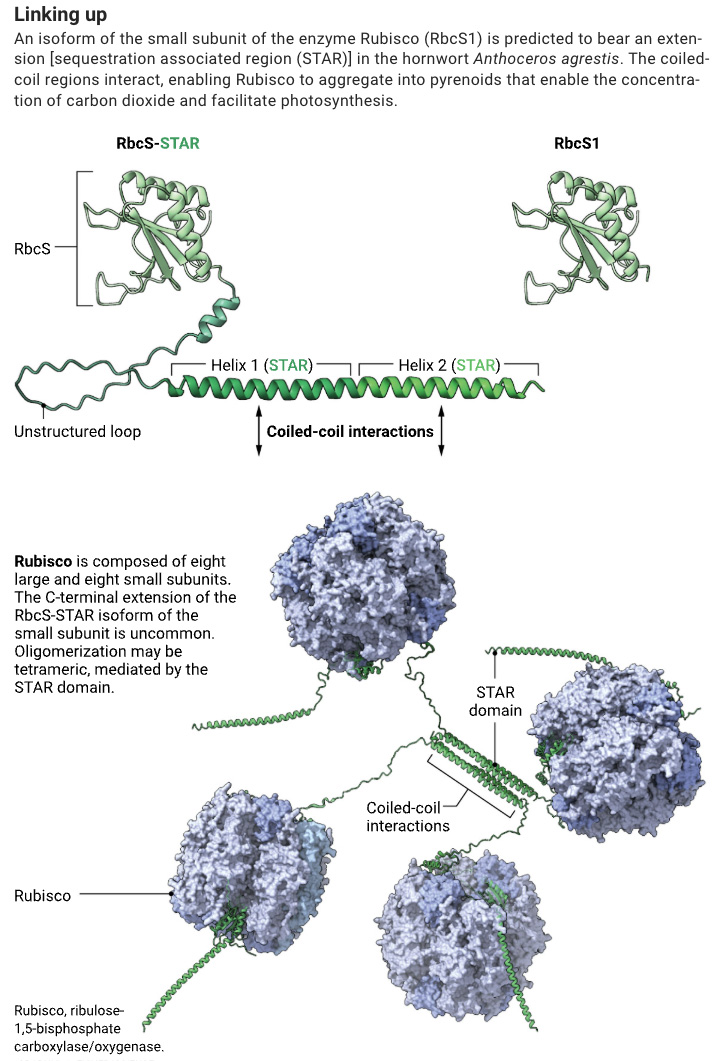
A unique Rubisco subunit from the hornwort plant carries a built-in extension that enables the enzyme to cluster into carbon-concentrating structures like algae, according to a new Science study—an innovation that successfully triggered similar condensates when introduced into Arabidopsis plants.
The findings reveal a novel and evolutionarily independent solution for Rubisco condensation in land plants and open the door for engineering similar systems in agricultural crops to potentially boost nutrient efficiency and yield.
📄: https://t.co/PUE7kkN1wQ
#SciencePerspective: https://t.co/hSz8uBbBX2
🚨 Today in @Nature, we report GEMINI—a genetically encoded intracellular memory device that writes cellular dynamics into tree-ring-like fluorescent patterns within cytoplasmic protein assemblies.[1/n]
https://t.co/eVchPCiK6f
AI is cool and all... but a new paper in @ScienceMagazine kind of figured out the origin of life?
The paper reports the discovery of a simple 45-nucleotide RNA molecule that can perfectly copy itself.
"… I reflected on how we train future scientists. Should we talk more openly with students about failure? When I quietly left research, frustrated at what felt like my lack of accomplishment, was this a typical experience? How often do we inadvertently discourage students from persisting in science, simply by omitting honest descriptions of the failure inherent to the research process? Research is messy and full of failed attempts. Trying to protect students from that reality does them a disservice."
On #InternationalDayOfEducation, take a look back at this Working Life essay on teaching students about scientific failure. https://t.co/CmiwjmRYq3
Out now in @ScienceAdvances our new work @lab_costa@AndreaBassi78: MAcro Plant Projection Imaging (MAPPI): An open, scalable platform for whole-plant fluorescence real-time imaging | Science Advances https://t.co/4DHOXTKSeC
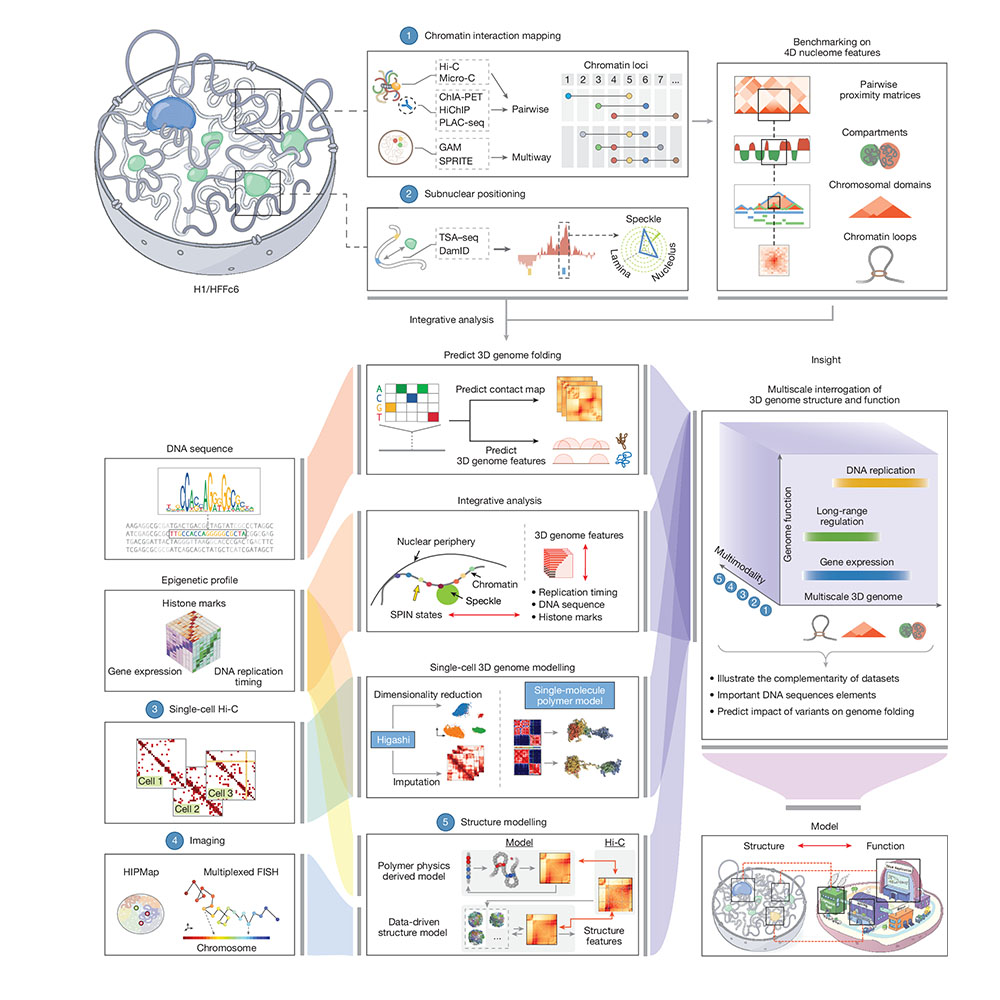
A paper in Nature presents a detailed map of human chromosomes within the nucleus. This resource provides a foundation for an improved understanding of how the physical layout of human DNA is associated with biological expression. https://t.co/ouE35wszsA
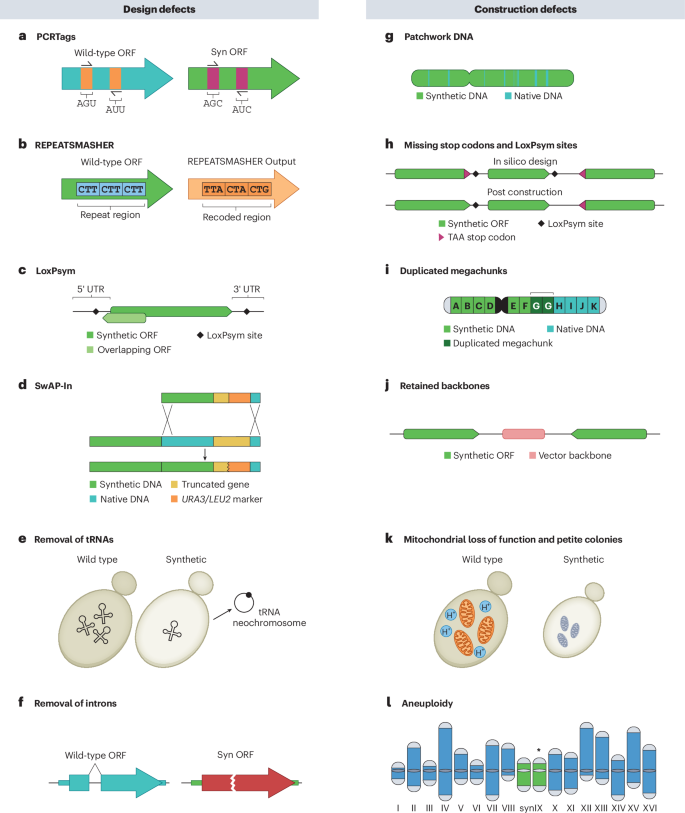
The Synthetic Yeast Genome Project (Sc2.0) set out to redesign and chemically synthesize an entire eukaryotic genome. In 2025, the final synthetic chromosome was completed, marking the culmination of more than a decade of iterative design and international collaboration. How will these findings shape the future of synthetic genomics? https://t.co/QCxxD9wNyr
https://t.co/GNRLhV767m
"Productivity, I’ve come to see, is not measured only by research papers and grants. It is also sustained by presence, rest, and the relationships that give meaning to the work." #ScienceWorkingLife https://t.co/wdvcDr1qMt
HY5 enhances Arabidopsis tolerance to combined high light and heat stress by coordinating photoprotection and hormone signaling https://t.co/420qYmNpEB #biorxiv_plants
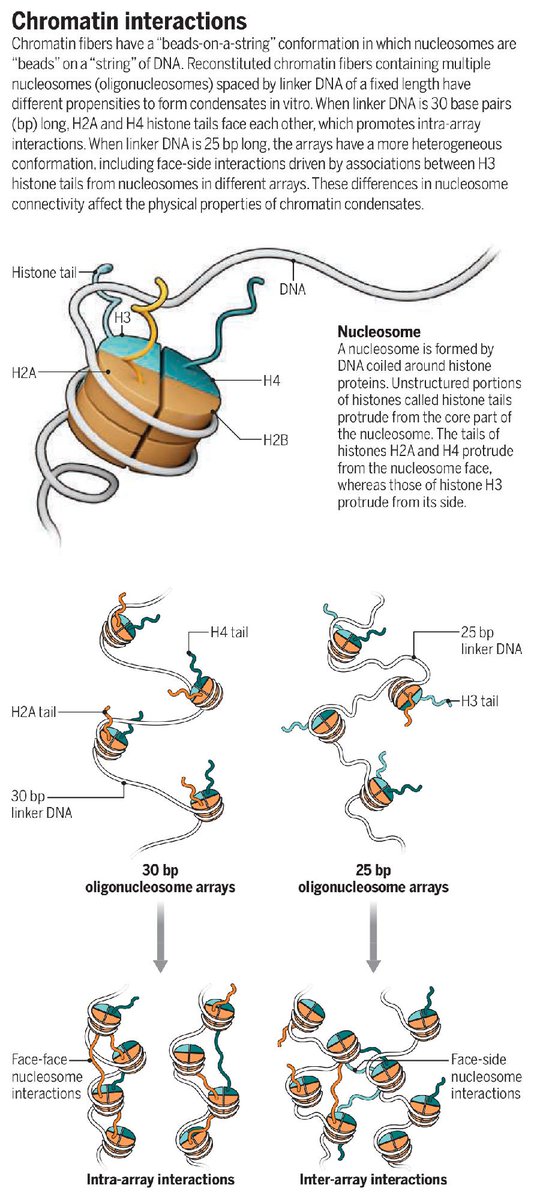
Cryogenic electron tomography of condensed chromatin enables multiscale analysis of its structure.
Learn more in a new #SciencePerspective: https://t.co/V80irgL5NW
If you only read one of our research group's papers this year - make it:
"How small molecules stablize oligomers of a phase-separating disordered protein"
https://t.co/XWDuHPu5Ie
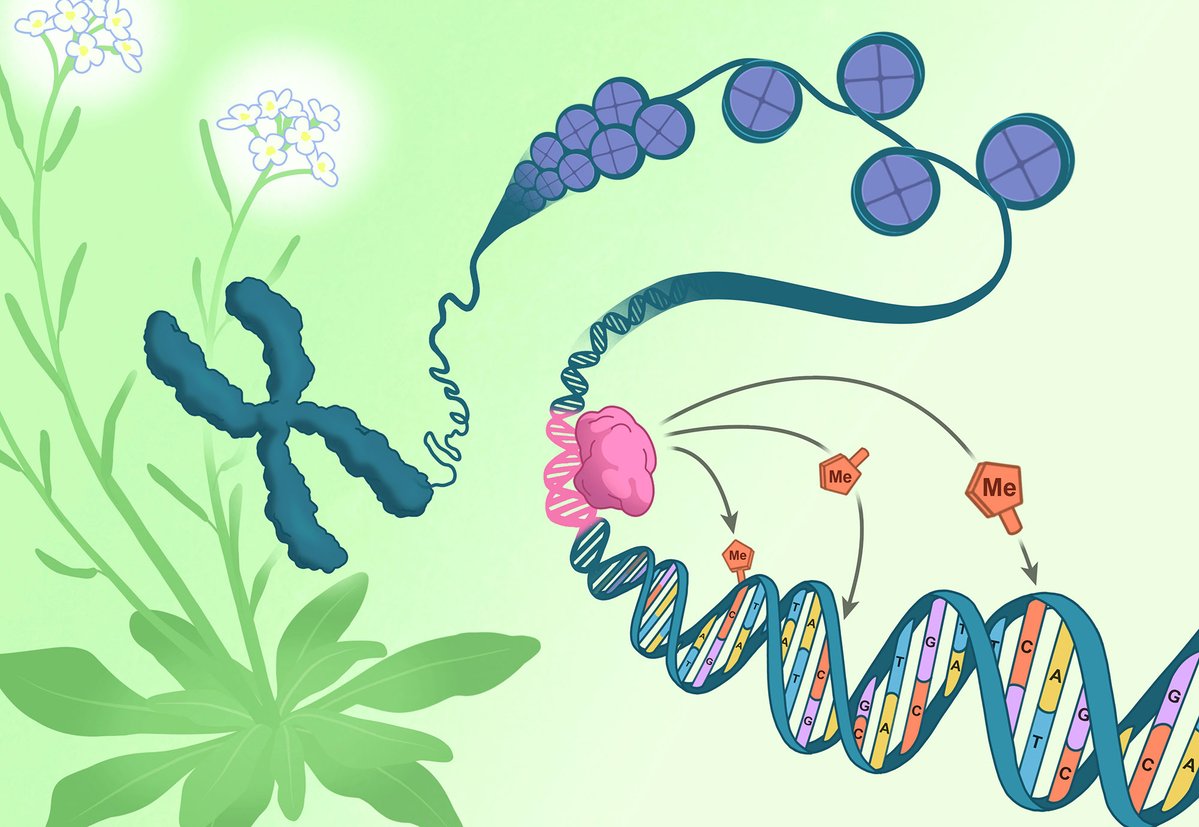
Salk researchers are using a little flowering plant to answer the question: How do cells generate new epigenetic change? The answer marks a major paradigm shift in plant biology and may inform future epigenetic engineering strategies with medical and agricultural applications.
Read more: https://t.co/yhK8GJ9H3g
#plantbiology #epigenetics #SalkInstitute







![DingchangLin's tweet photo. 🚨 Today in @Nature, we report GEMINI—a genetically encoded intracellular memory device that writes cellular dynamics into tree-ring-like fluorescent patterns within cytoplasmic protein assemblies.[1/n]
https://t.co/eVchPCiK6f https://t.co/KPmYKFgnZt](https://pbs.twimg.com/media/HCgxFtcWkAAoaPS.jpg)