The trait theory of voice disorders (TTVD) provided a unified framework to understand these relationships. This study re-examines the TTVD by adopting current theories and methods from personality science.
https://t.co/LS7nZOvjNp
@SIGPerspectives
🚨I am offering several online workshops about data science and quant methods this summer through SMaRT Workshops with student discounts! #r4ds#RStats#academia There are also many more taught by other great instructors. Look and spread the word!
https://t.co/mL5KPsoHPp
Congratulations on your completion of a PhD at our university - you are now a valued member of our academic family. Your email and library access will terminate in 11 minutes.
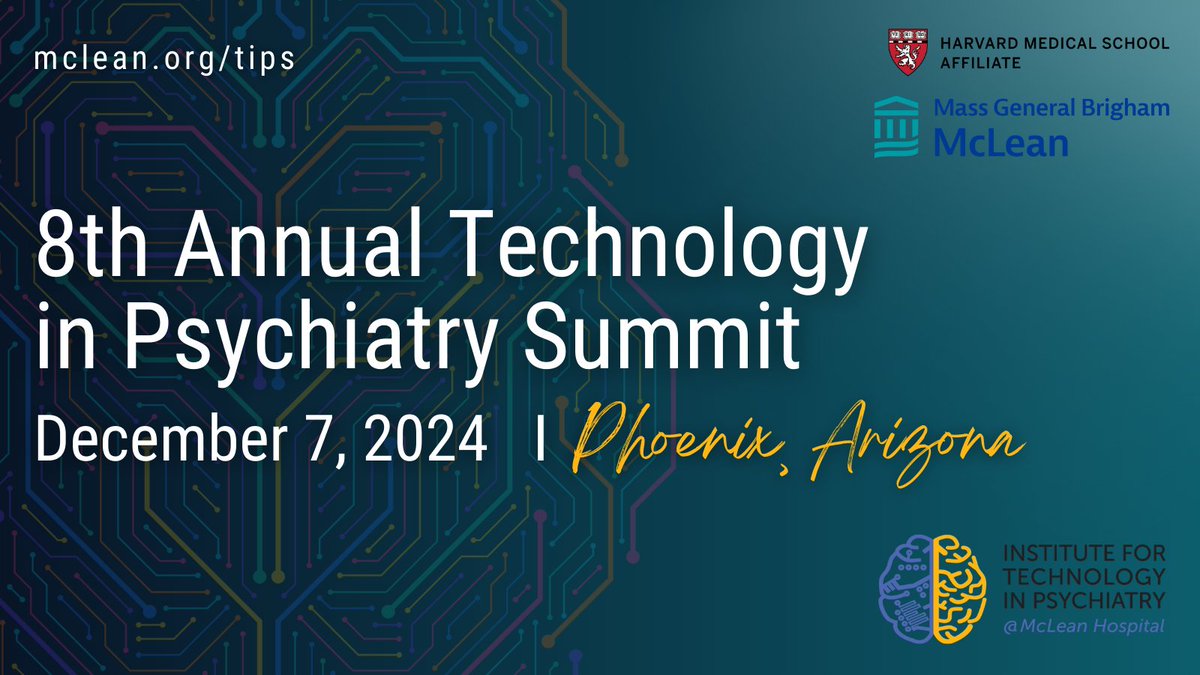
It's that time of year again to promote the @McLeanHospital Technology in Psychiatry Summit! I'm co-organizing a great symposium on computational measures of speech in psychiatric samples. Read more below. Hope to see you there! https://t.co/Qau1Xb8p9J
🚨 In a new open-access article, I looked at how discrimination longitudinally disadvantages everyone in the classroom. Students, including White youth, had worse grades, test scores, and engagement when they witnessed discrimination from teachers directed at classmates of color.
Moving to KC tomorrow, and very happy to have discovered that I will have access to @Whataburger
Now I just need to successfully campaign to get @HEB to open a location 👀
After having watched Gen Z bully millennials for the slang, getting to watch in real-time Gen Z realize that their slang is no longer trendy for the now-more-hip Gen Alpha slang is 10/10, "no cap" 😌
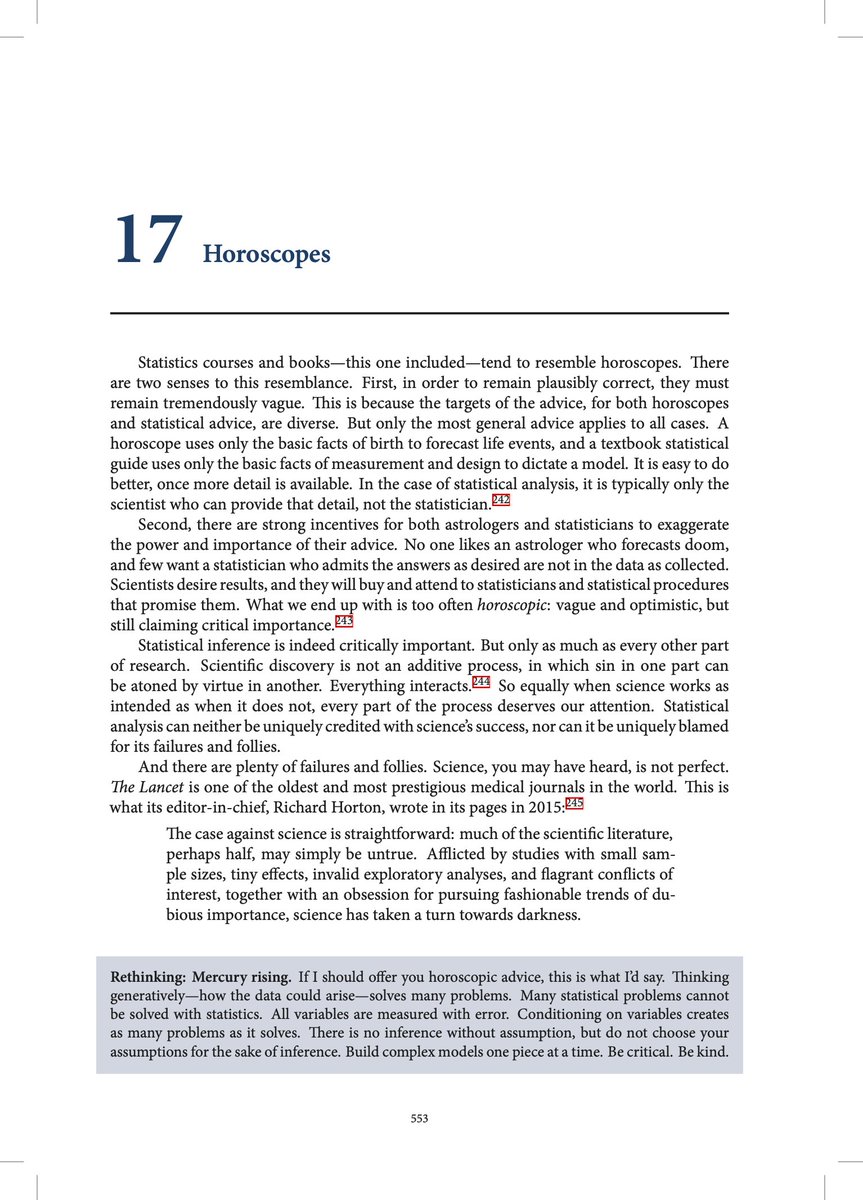
This last chapter "Horoscopes" is only 3 pages but I keep thinking it should be at the start of the book, because it is about scientific and social context of statistics. Anyway here it is: