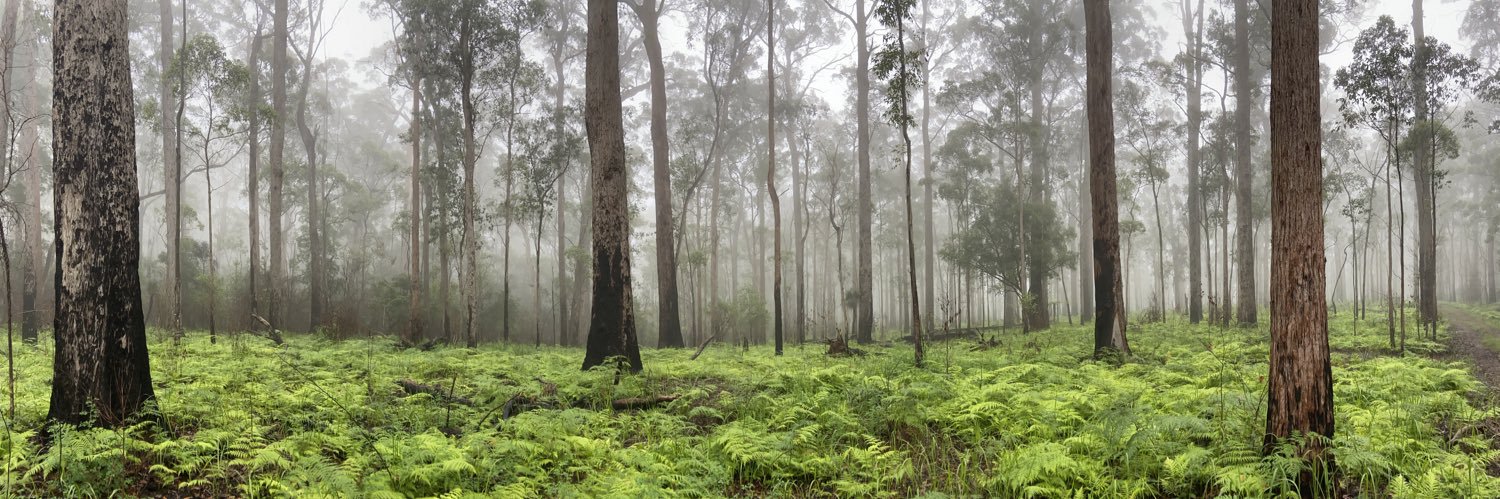
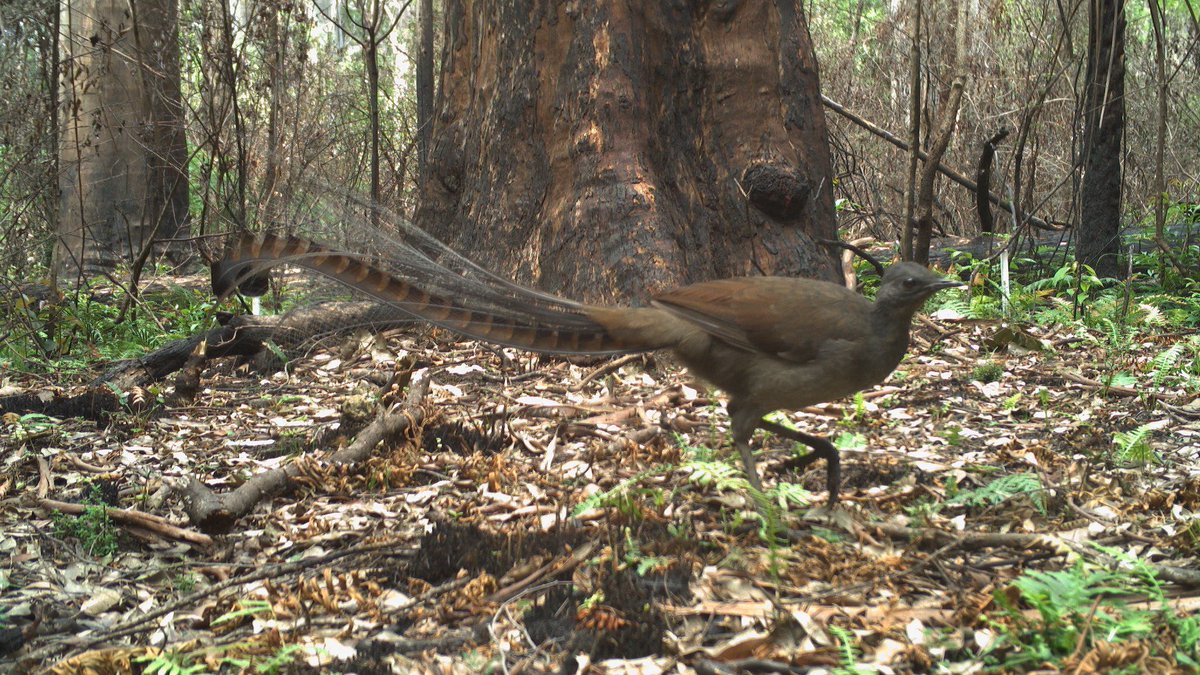
Good news! #Lyrebirds were thought to be at risk of extinction following recent bushfires. But our post-bushfire camera surveys are revealing lyrebirds are widespread & doing well at this study site in northern NSW, with lyrebirds detected on ~25% of our cameras @DingoResearch
Using AI to detect and identify Kangaroo Island’s #feralcats on 4G cameras is helping eradication efforts on the Dudley Peninsula
https://t.co/oCllqb0Irk
@ricardomics @OutbackEco It can help identify areas of high cat activity in which to focus control efforts, and detect ‘missed’ individuals on a timely basis, but so many potential applications for end users!
Got a 2.4 GPA my first semester in college. Thought maybe I wasn’t cut out for engineering. Today I’ve landed two spacecraft on Mars, and am now designing one for the Moon.
STEM is hard for everyone. Grades ultimately aren’t what matter. Curiosity and perseverance matter.
@dr_cairns@DingoResearch@QuollOz It doesn’t in eastern quolls. If a young is lost during first 65 days (when young are fused to teat), that teat will regress.
Once detached, if young are lost, remaining young move around and use all active teats. So teat number can be > no. of young alive (Merchant et al 1984)
Our latest research investigating ways to improve #feralcat management, published today in the Journal of Environmental Management.
Free to download until 19 January. https://t.co/1yhwqAedpQ
Soon we will be advertising for a #postdoc and a cohort of PhDs to join our #feralcat project.
If you’re interested in ecology, wildlife management, invasive species biology or associated disciplines, get your cv ready.
Our post-bushfire #quoll surveys in December last year found Jacinda, our first juvenile female survivor at one of our long-term predator monitoring sites. Today we found her still going strong, with 3 baby quolls on board. The new generation @hpmilne@JaimeHeiniger@beccherubin