#Pathresidents#GIPath#Surgpath
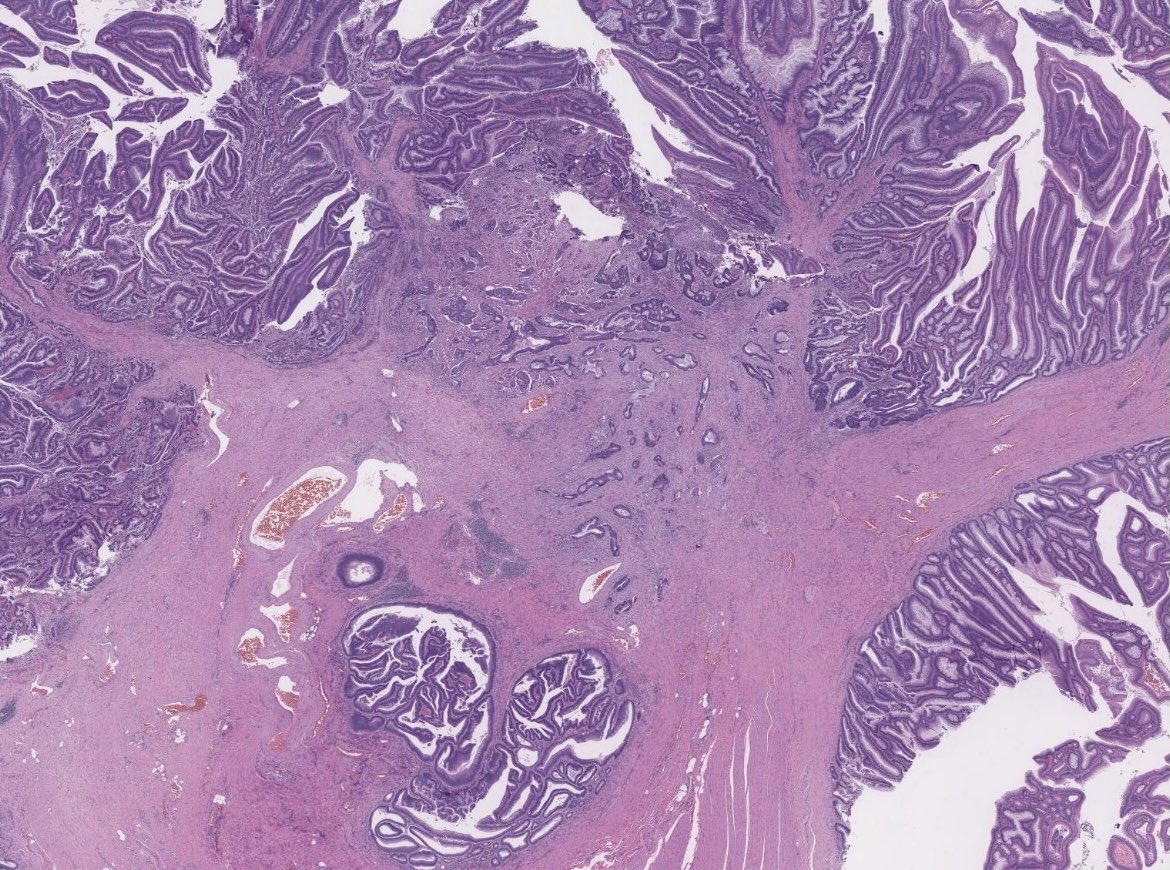
A resection from a 2cm pedunculated polyp found on screening colonoscopy in a 60 year old man:
See the thread for a poll, and some short discussion slides.
How to grade prostate cancer in small biopsy specimens remains one of the most challenging and controversial areas in daily urologic pathology practice.
This recent review article published in Urologic Clinics of North America, “Prostate Cancer Grading: An Update,” by Drs. John Hanna, Gennady Bratslavsky, Jeffrey S. Ross, Oleksandr Kravtsov, provides an excellent practical overview of many real-world diagnostic dilemmas encountered in prostate biopsy interpretation.
The review discusses contemporary Gleason grading, Grade Groups, quantification of Gleason pattern 4, cribriform morphology, intraductal carcinoma, grading pitfalls in minute tumor foci, interobserver variability, and emerging AI applications in prostate pathology.
Article link: https://t.co/rs5EwjMDkF
@LiangChengMD, we sincerely appreciate and applaud your tireless efforts in advancing #GUpath/#Urology practice - including this treasure trove of high yield, clinically impactful papers.
We cannot wait to dig in and improve our practice!
@AJSPjournal@IntSocUropath
I am thrilled to share that all five Working Group papers from the International Society of Urological Pathology (ISUP) Florence Multidisciplinary Expert Consultation Conference on Premalignant and Precursor Lesions of the Genitourinary Organs are now officially published in the American Journal of Surgical Pathology (AJSP) @JLHornick These landmark consensus papers represent a major international collaborative effort involving multidisciplinary experts.
The Florence consensus conference addressed one of the most challenging and evolving areas in genitourinary pathology: defining and standardizing premalignant and precursor lesions across the prostate, urinary bladder, kidney, testis, and penis. The expert panels reviewed current evidence, refined terminology and diagnostic criteria, clarified the role of immunohistochemistry and molecular testing, and provided practical recommendations for pathology reporting and clinical management.
The 2026 AJSP June issue is available here:
https://t.co/1NOwecJSFx
All ISUP publications (2013- Present) can also be accessed at: https://t.co/XFyOLvHSe7
Interested in joining ISUP conference? I am also delighted to announce that registration is now open for the upcoming ISUP Multidisciplinary Expert Consultation Conference on Precision Biomarker Testing in Bladder and Prostate Cancer, to be held on September 12, 2026, in Stockholm, Sweden. Here is the link: https://t.co/qzV7DbwweY
@IntSocUropath
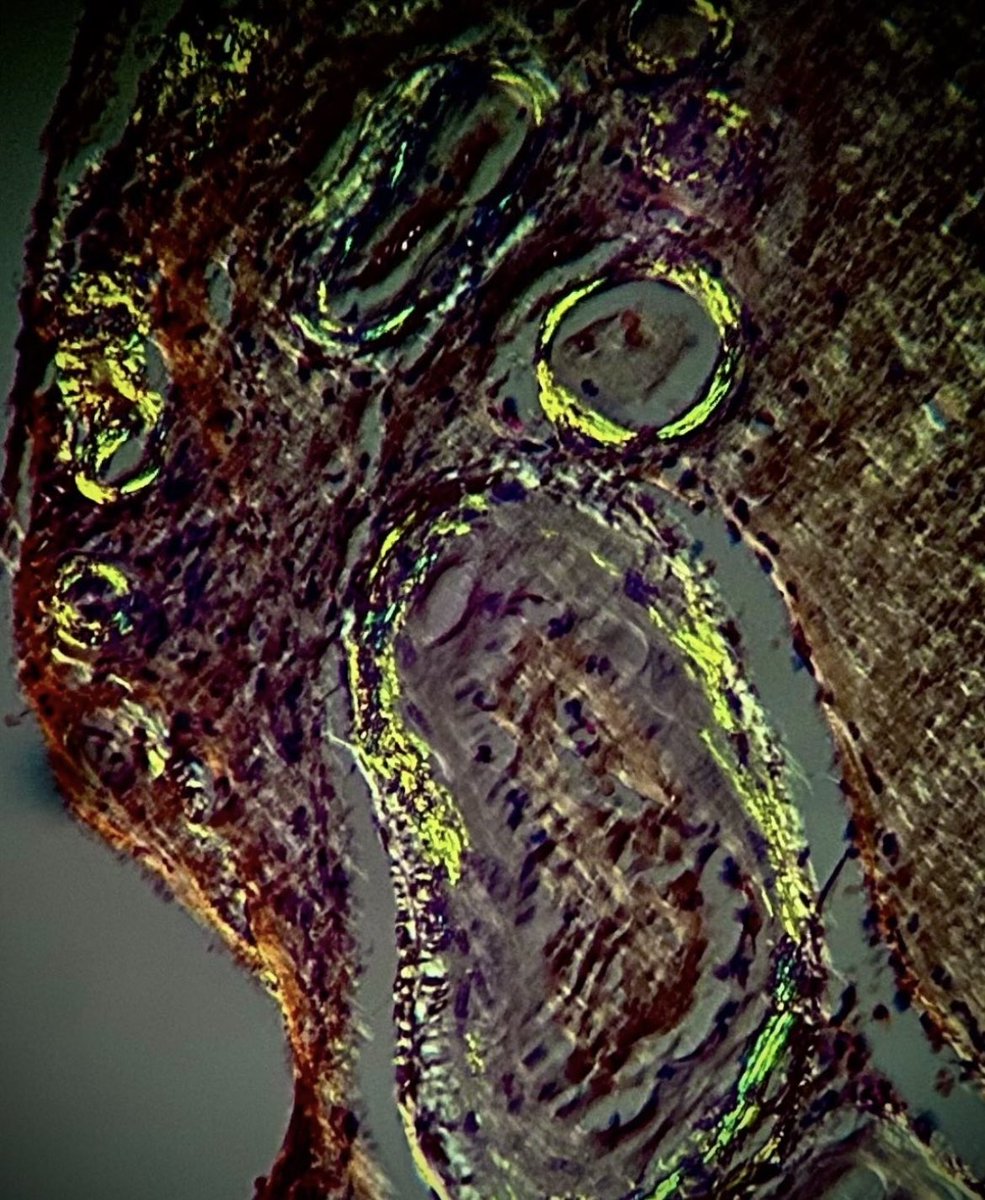
After a bit of a break marked by a "hack" of my account (no, I don't do crypto😂), back with GU pathology -
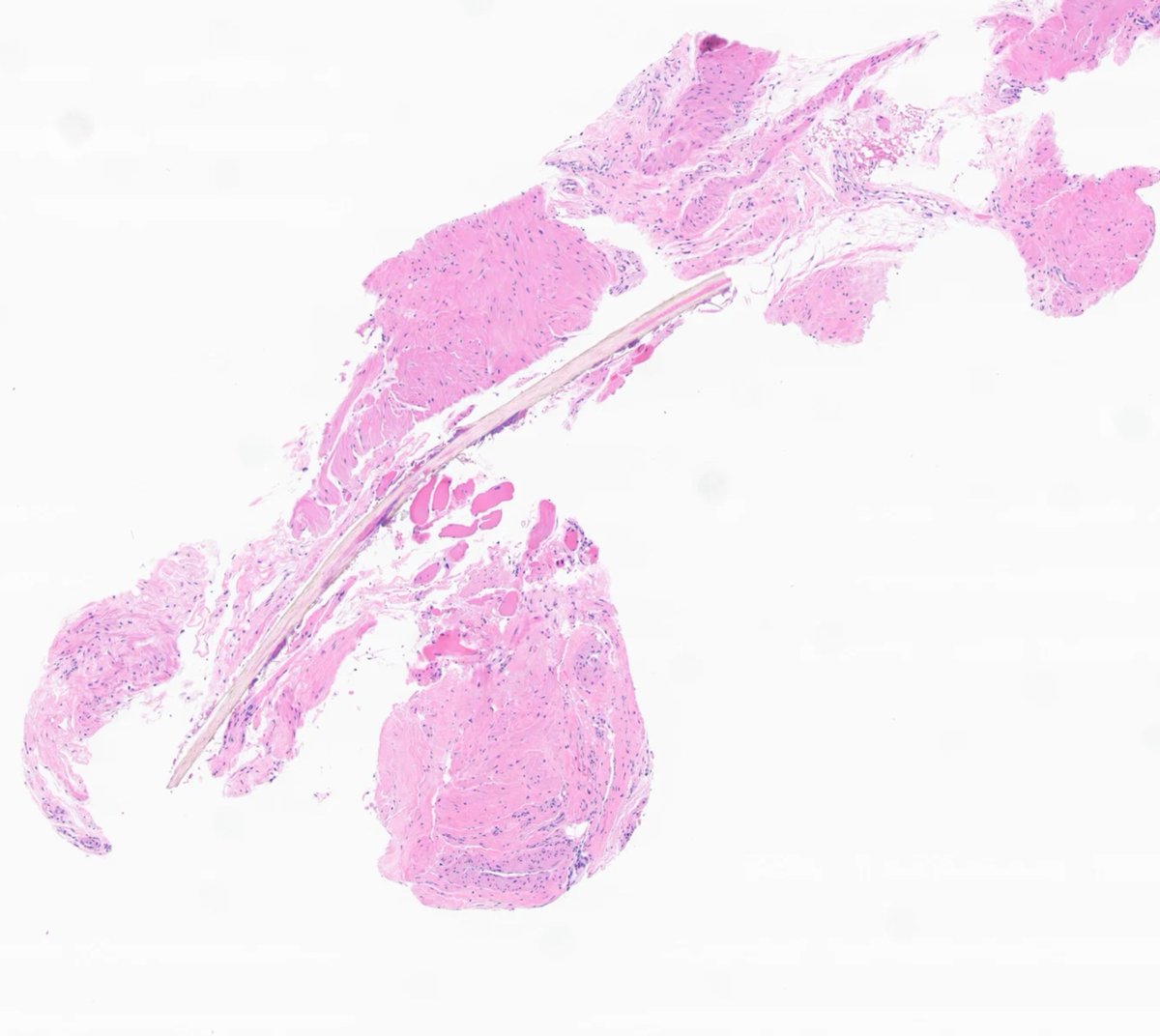
Depicted here: an increasingly common phenomenon with the rise of transperineal (TP) prostate biopsy - hair shaft embedded in prostatic tissue - completely benign
Congrats to @LiangChengMD and colleagues on this excellent and highly practical review of molecular pathology in #Gupath tumors — a rapidly evolving area with major diagnostic and therapeutic implications!
#Urology@BrownUnivHealth@BrownUniversity
Need an update on the molecular pathology of genitourinary malignancies? Happy to share this outstanding review article, just published in the June issue of Surgical Pathology Clinics (PMID: 42091277), written by Professor Alessia Cimadamore @AlessiaCim
Over the past decade, remarkable advances in our understanding of genitourinary tumor biology have provided critical insights into the molecular and cellular pathways driving tumor initiation, progression, and therapeutic resistance. This evolving knowledge has not only refined our understanding of oncogenesis but has also identified important therapeutic vulnerabilities that can be leveraged for precision oncology.
By unraveling the complex interplay of signaling pathways, genomic alterations, and tumor microenvironmental factors, investigators continue to uncover novel drug targets and develop more effective, personalized treatment strategies for patients with GU malignancies.
Full article is available at the following link
https://t.co/QCgOwqgQIy
🚨 ISUP Presents.....
🔬 Dr. Bogdan Czerniak on “The Mystery of Cancer Initiation:
Lessons from Bladder Carcinogenesis”
📅 24 June 2026 at 1pm EST via Zoom
Register here: https://t.co/HWquwSiPXQ
Congratulations to @LiangChengMD and colleagues for their recent #GUpath publication - pushing forward FGFR-3 targeted therapy in bladder cancer.
Precision oncology in action!
#Urology
Excited to share two recent high-impact publications from Dr. Zhiping Wang’s lab, and truly honored to be part of these important studies advancing the landscape of precision oncology and FGFR3-targeted therapy in bladder cancer.
In our Advanced Science study (PMID: 41168906, journal impact factor, 14), Dr. Wang and colleagues developed a novel FGFR3-targeting antibody–drug conjugate (ADC) delivering a potent camptothecin derivative (A2) directly to tumor cells. Beyond precise targeting, this work uncovers a compelling mechanism - activation of the cGAS - STING pathway, linking targeted therapy with innate immune signaling. The ADC demonstrated strong efficacy in patient-derived organoids and xenograft models, including chemotherapy-resistant disease, with a favorable safety profile.
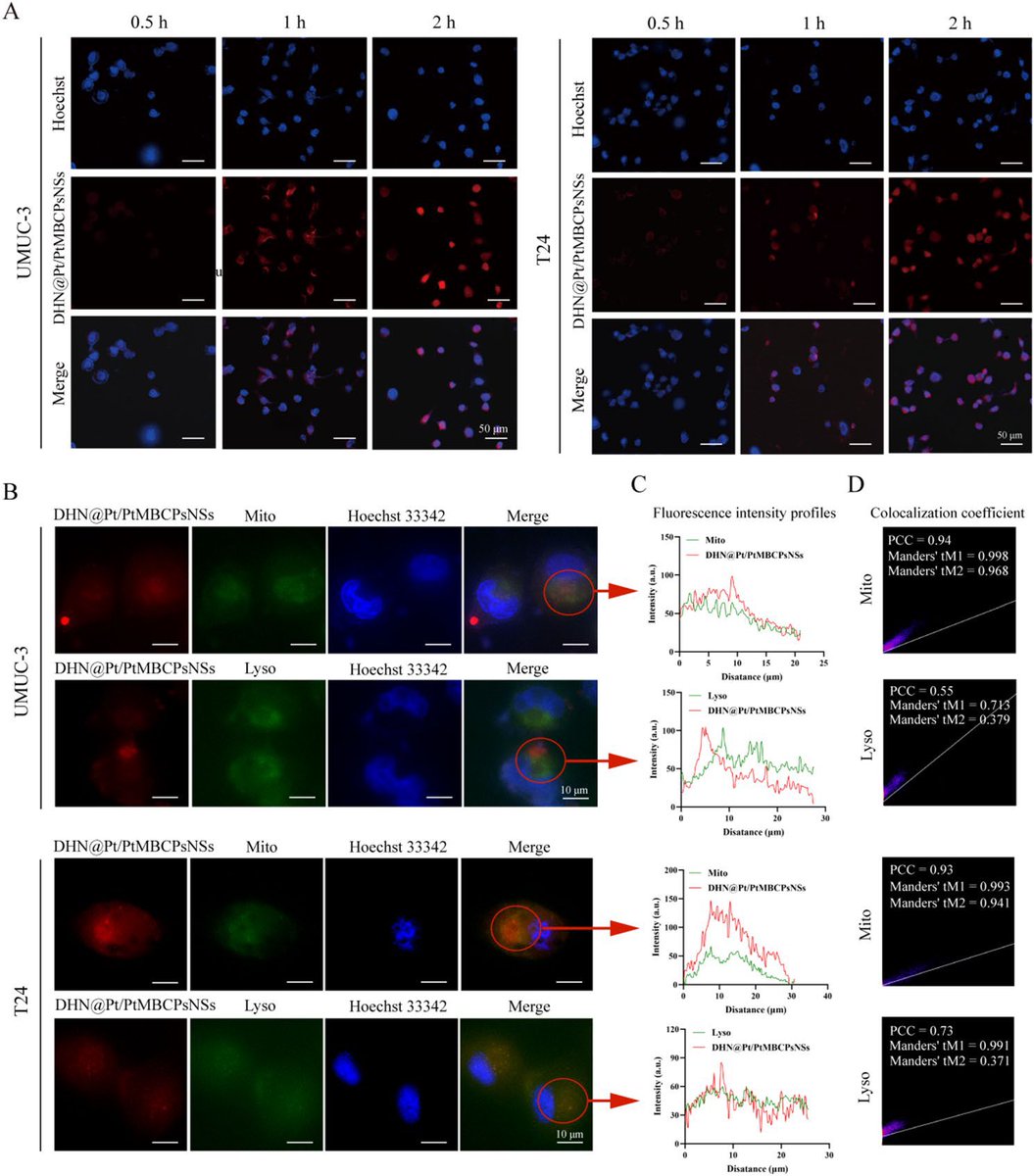
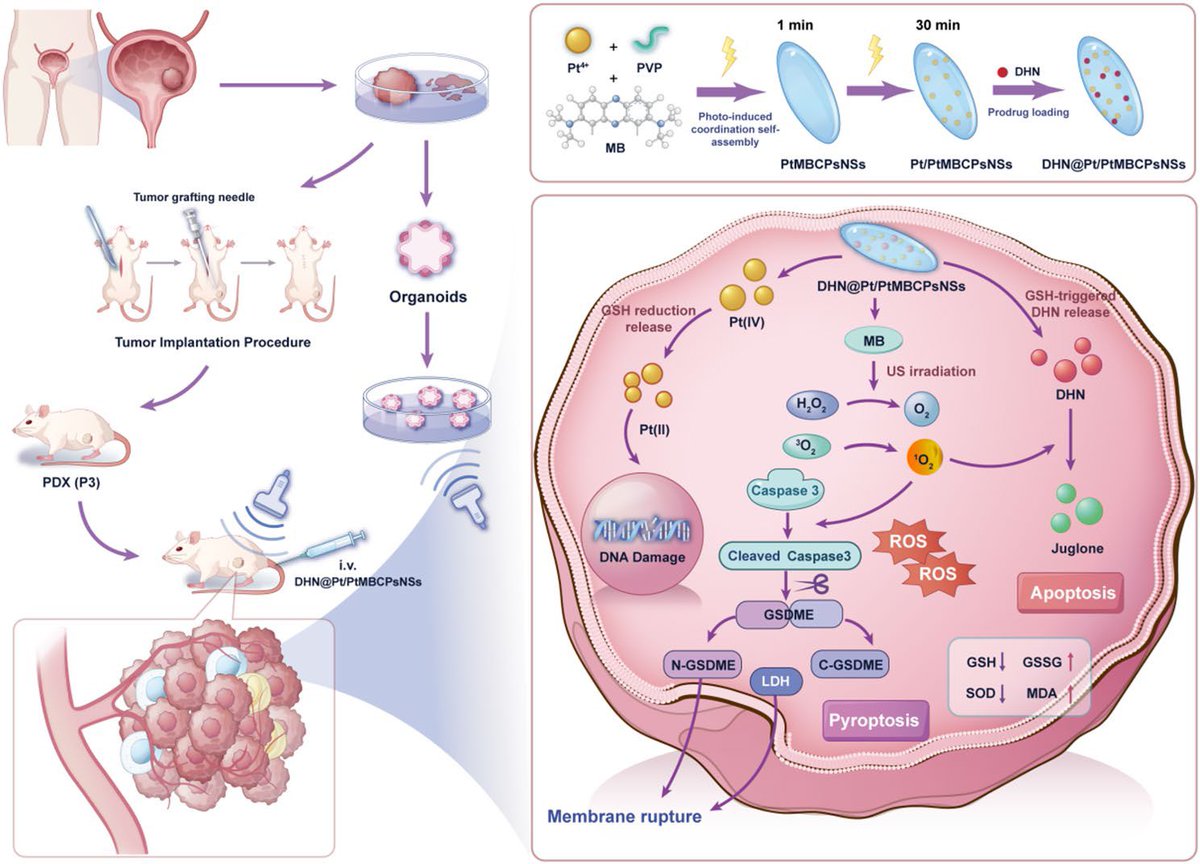
Complementing this, our Journal of Nanobiotechnologystudy (PMID: 41275281, journal impact factor, 12) introduces a precision nanotherapeutic platform enabling ultrasound-triggered intratumoral generation of cytotoxic agents. This innovative system integrates sonodynamic therapy, redox modulation, and programmed cell death (including pyroptosis), achieving spatially controlled tumor targeting while minimizing systemic toxicity.
Together, these studies highlight key advances in bladder cancer therapeutics: • Transition from conventional targeting to precision delivery platforms (ADC, nanomedicine) • Integration of mechanistic biology with therapeutic design (STING activation, oxidative stress, pyroptosis) • Overcoming resistance through multimodal and microenvironment-responsive strategies • Expanding the clinical relevance of FGFR3 as a key actionable target
Precision oncology is clearly entering a new phase -driven not only by molecular targets, but by innovative therapeutic engineering and deeper biologic insight.
Grateful to be part of these outstanding collaborative efforts in advancing precision care of bladder cancer patients.
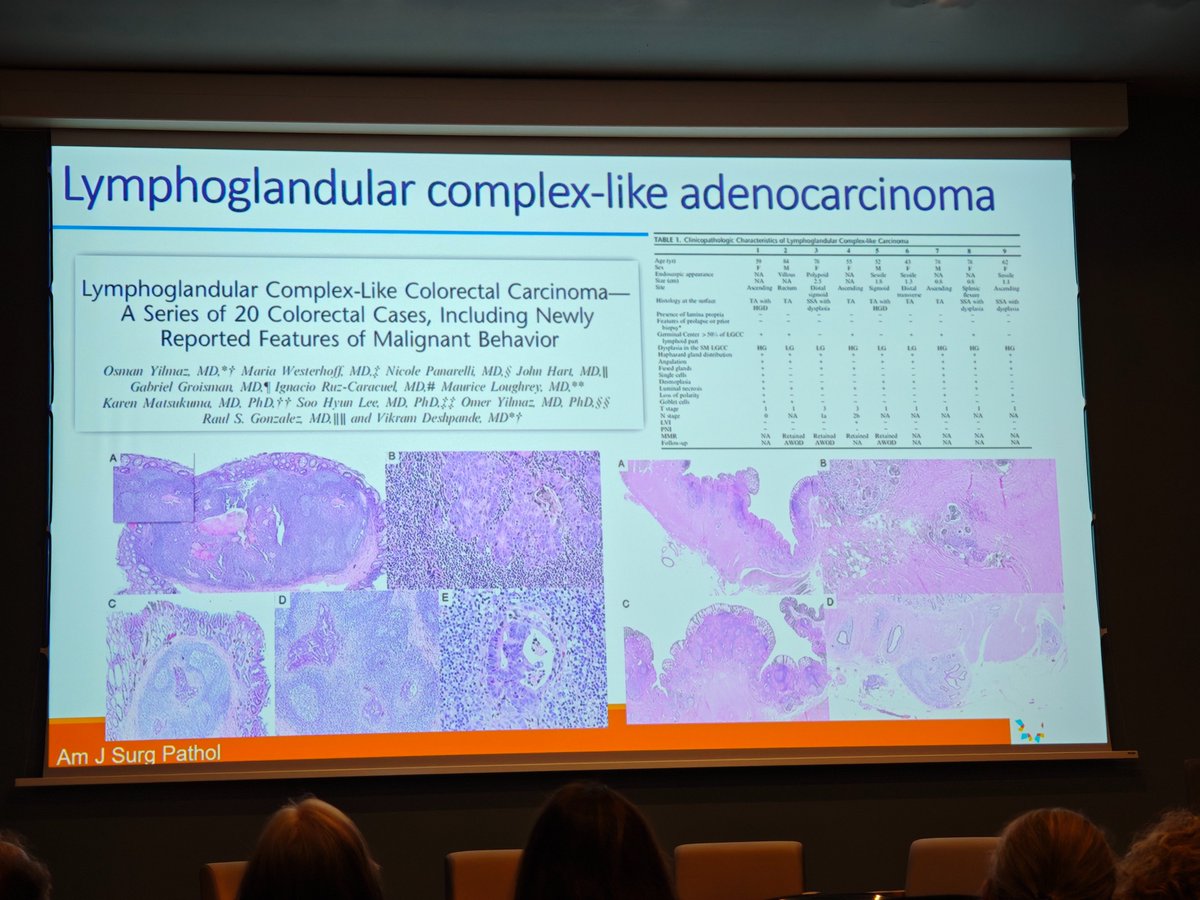
Mimics of invasion in colorectal polyps ➡️ adenoma fragments falling through defects in the musc.muc. in areas of lymphoid aggregates (lymphoglandular complex)
🚨Disceiving when the herniating area has HG dysplasia
DDx: lymphoglandular complex-like adenoCA (new WHO6th)
Dr. Rish Pai, #HMAR_DIGESTIVE26
#GIPath #PathTwitter
#GUPath#Pathtwitter#Urology
Upper urinary tract urothelial carcinoma: Not just bladder cancer in a different location!
Congatulations to Drs. Ali Amin, @LiangChengMD, and colleagues for their recent publication - read on to learn about critical genotypic and clinical differences between upper and lower tract urothelial cancers.
@LiangChengMD
PMID: 40820359
Happy to share this comprehensive review on Genomic Profiling of Upper Tract Urothelial Carcinoma (UTUC), authored by Professor Ali Amin (PMID: 40820359).
Upper tract urothelial carcinoma remains a clinically important yet comparatively understudied malignancy, making this a timely and valuable contribution to the field.
This review highlights that while UTUC and Urothelial carcinoma of the bladder share many genetic alterations, they often differ in frequency and biologic context. These genomic differences may help explain distinct phenotypic and clinical behaviors, supporting the concept that UTUC and bladder cancer, despite similarities, are biologically different diseases that require disease-specific approaches.
The article also emphasizes the urgent need for large, dedicated next-generation sequencing studies focused specifically on UTUC across diverse patient populations, rather than combining data with bladder tumors. Better genomic characterization will help guide precision oncology, improve biomarker-driven treatment decisions, and support standardized testing strategies.
Particularly important areas for future study include therapeutically relevant alterations such as ERBB2, ERCC2, mismatch repair–related and Lynch syndrome–associated UTUC, as well as newly identified variants of uncertain significance.
Check it out:
https://t.co/ceW0CRQ6Ru
or
https://t.co/HK4CPWKnze
Thursday was a special day at @BrownPathology: The department was treated to both a slide session and grand rounds presentation by Dr. Jason Hornick (@JLHornick, @BWHPath, @harvardmed). Dr. Hornick showed the group some incredible, diagnostically challenging (and very deceptive!) soft tissue cases. We then got the opportunity to learn how highly specific “next generation” immunohistochemical tests allow for diagnosis of challenging sarcoma cases - often with only an H&E slide and a single IHC stain!
We genuinely appreciate you taking the time to teach us, Dr. Hornick!
🚀 Join us for our Journal Club Live Webinar Series!
📚 Articles #openaccess starting March 23
👨🏻💻 Don't miss this opportunity to explore new research with us! #AIMMjc
🔗 https://t.co/9jHzWjkLl8
🔗 https://t.co/CX4WsUbJzz
Register 👉🏻 https://t.co/HDTF45jSBy
Congratulations, @rwsobol! Excited to read about your work on novel visualization of PARP1/PARP2 activation in the latest issue of JoVE
@BrownUniversity
Excited to share this article from our lab, now out in JoVE, entitled "Visualization and Quantitative Analysis of Genotoxin-induced PARP1/PARP2 Activation in Cells using a Fluorescent Fusion Protein-based Reporter" https://t.co/gBzncdOtf0 @EMGSUS@BrownUCancer@BrownPathology
🚨Now accepting applications! 🚨
The Genitourinary Pathology Fellowship Program at @brownpathology and @BrownUnivHealth has openings for July 2026 and July 2027.
Come hone your diagnostic skills at a leading, high volume academic center, where you will have tremendous opportunities to learn cutting-edge genitourinary pathology (#GUPath). Successful applicants will benefit from direct personalized instruction by internationally renowned experts at the forefront of the field (including Dr. Liang Cheng (@LiangChengMD), Dr. Ali Amin, and many others).
Substantial opportunities also exist for research (basic, translational, and clinical), both within the vibrant academic @BrownPathology community, as well as other Brown-affiliated institutions through multidisciplinary collaboration.
To learn more, see: https://t.co/JHwFTON5hl
If you (or anyone you know) has interest, please feel free to message this Twitter account, or the program coordinator, Maria Cardone ([email protected]).
Look forward to hearing from you!
#GUpath #Pathresidents #Pathtwitter
Excellent! I recommend sending your application materials to [email protected]. Also, I recommend sending an email to the program director Dr. Donahue [email protected] to tell him little about yourself, your interests, and career goals. Please reach out with any questions.
#Pathresidents#Neuropath#Pathtwitter
Exciting news: @BrownPathology has an opening for our 2-year, ACMGE-accredited neuropathology (#neuropath) Fellowship (2026-2028)!
Come train in a leading, high-volume academic center with advanced, personalized instruction by internationally renowned faculty. The program will hone your expertise in all aspects of diagnostic and academic neuropathology (CNS neoplasia, neuromuscular disorders, infections, degenerative diseases, and many more).
Fellows also have tremendous opportunities for clinical, translational, and basic research through multidisciplinary collaborations with other Brown-affiliated organizations, including the acclaimed Carney Institute for Brain Science at Brown University.
Interested, or know someone who might be? You can directly message this account, or reach out to our program coordinator ([email protected]).
Learn more here: https://t.co/McsdWOZuFs.
🚨Now accepting applications! 🚨
The Genitourinary Pathology Fellowship Program at @brownpathology and @BrownUnivHealth has openings for July 2026 and July 2027.
Come hone your diagnostic skills at a leading, high volume academic center, where you will have tremendous opportunities to learn cutting-edge genitourinary pathology (#GUPath). Successful applicants will benefit from direct personalized instruction by internationally renowned experts at the forefront of the field (including Dr. Liang Cheng (@LiangChengMD), Dr. Ali Amin, and many others).
Substantial opportunities also exist for research (basic, translational, and clinical), both within the vibrant academic @BrownPathology community, as well as other Brown-affiliated institutions through multidisciplinary collaboration.
To learn more, see: https://t.co/JHwFTON5hl
If you (or anyone you know) has interest, please feel free to message this Twitter account, or the program coordinator, Maria Cardone ([email protected]).
Look forward to hearing from you!
#GUpath #Pathresidents #Pathtwitter