Faculty at University of Saskatchewan. Renewable Resource Management Coordinator. Father, Husband, Curmudgeon. Interested in climate and forests. He/him/il.
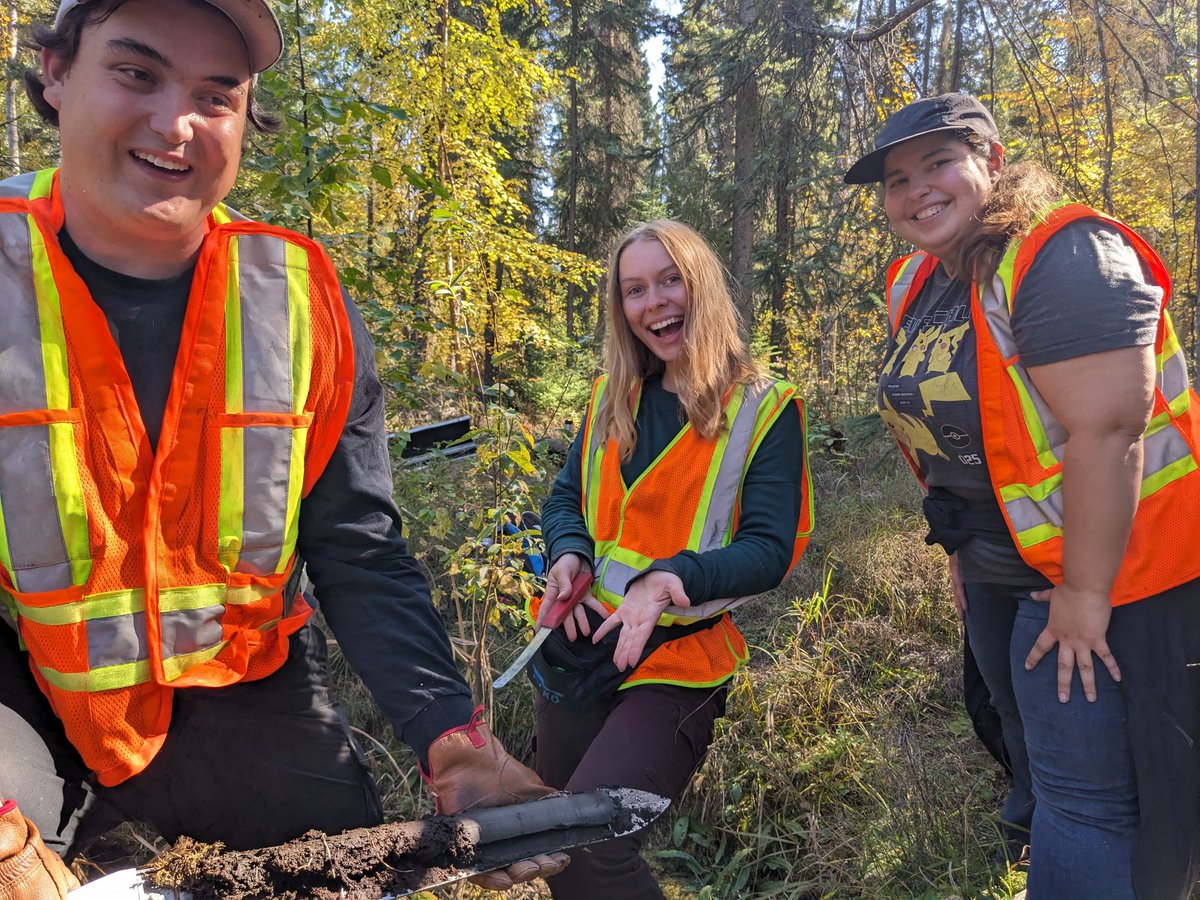
@agbiousask RRM 301 students were super excited to be collecting peat cores yesterday! We sampled a forested swamp down to ~3.5m with a Belarus-style corer!
We have a job opening with our Holos model development team (#gcaggie#cdnag):
Check out this job at Agriculture and Agri-Food Canada: https://t.co/nk2UI2qYAo
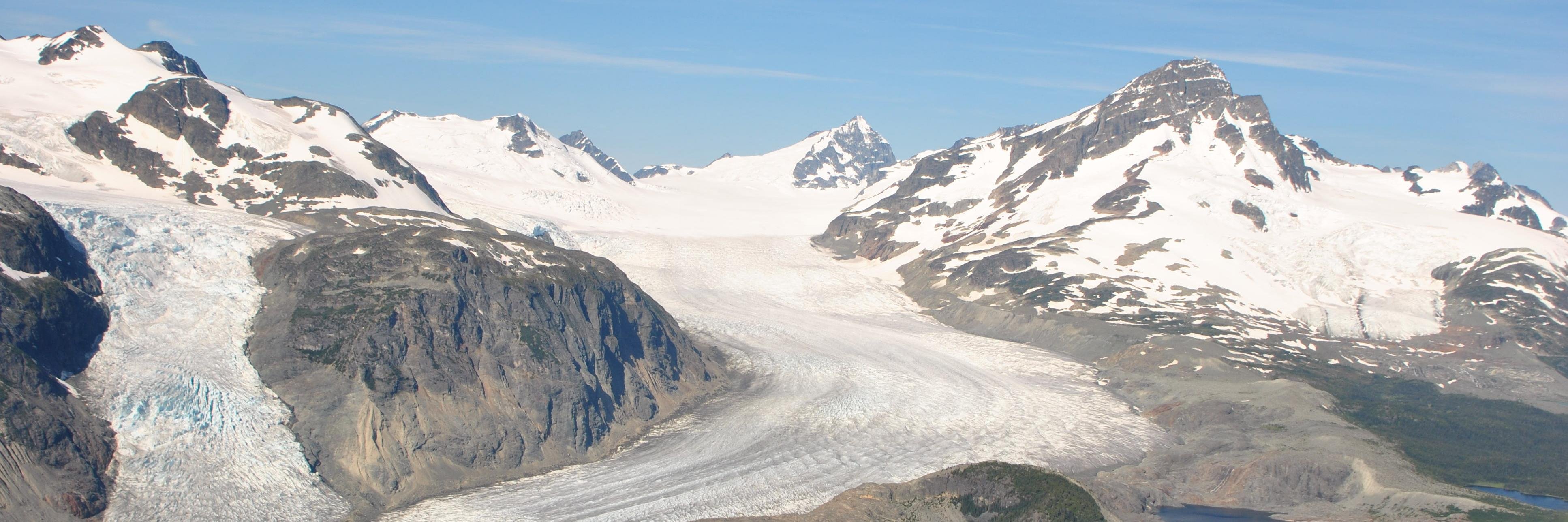
Long-range transport of smoke from #AlbertaWildfires across the N America/Atlantic, & more #SaharanDust over the Mediterranean, with high aerosol optical depth values in the @CopernicusECMWF Atmosphere Monitoring Service @ECMWF forecast from 16 May 00 UTC https://t.co/7DOc2lDuiv
I’m proud to share that @Stantec will be supporting the @usask Women for Conservation student group in their pursuit to raise money to attend an environmental conference this fall. Please consider donating to further these students' education #StantecProud https://t.co/g1CFqtj619
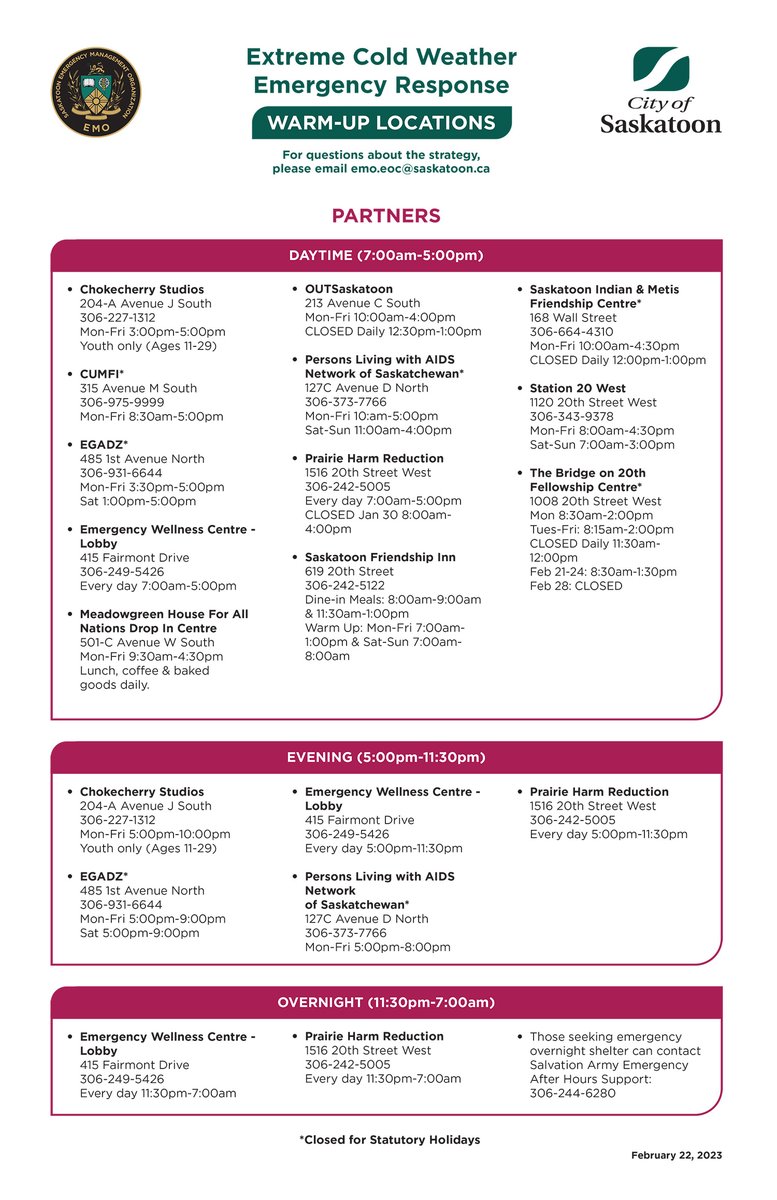
The #yxe Extreme Cold Weather Response has been activated at a Level II. Help us share the latest list of warm-up locations and keep an eye out for anyone who may need assistance.
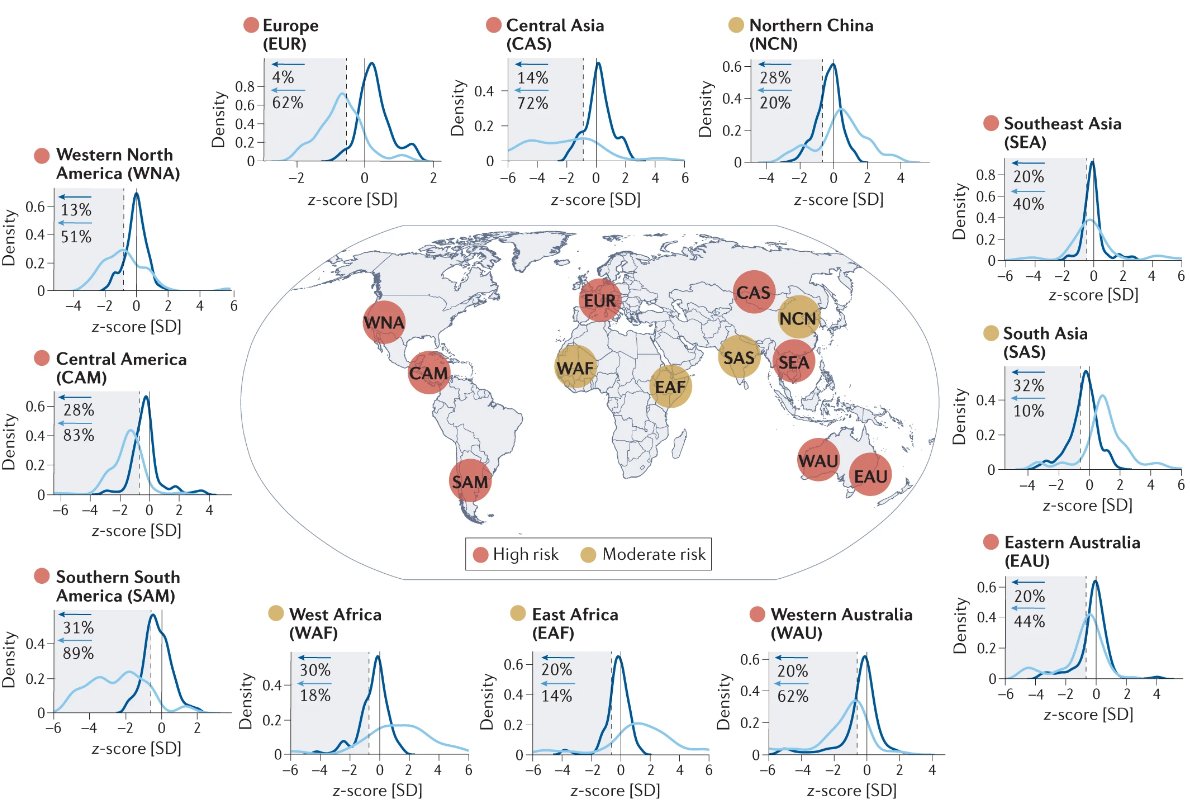
Understanding climate risk is critical to supporting the energy transition. We’re proud that the @GOLDCOUNCIL used our findings to develop recommendations to enhance future gold mining adaption and resilience planning globally.
Learn more:
https://t.co/BGv1wCG8jS #StantecProud
Pro tip when writing image descriptions for folks: You're not writing a professional newspaper caption of a stock photo.
Just let blind and low vision users know what they might wanna see! For example:
The work completed by C. Canning and C. Laroque with @Usask#SENS and @agbiousask, B. Bonsal with @environmentc, B. Howat with @info_at_CLC, and myself with @Stantec
Research was done on Treaty Two, Treaty Four, and Treaty Six Territories and the Homeland of the Metis.
(7/7)
Our paper on drought legacy impacts for three disparate species growing outside of their natural range is out in @agformet!
An opportunity unique to southern Saskatchewan shelterbelts.
https://t.co/KSijBPA16s
Thread below: (0/7)
While past research indicates green ash as 'drought-tolerant', our study suggests this may not be the case in southern Saskatchewan.
The findings and data from this research will help landowners decide which shelterbelt species to plant moving forward.
(6/7)